How To Turn Static Homes For Sale Into A Holiday Retreat
Turning a static home into one takes more than décor or design. It starts with knowing what makes you feel calm and comfortable.
Author:Maya ReyesReviewer:Finn WildeOct 30, 202510.2K Shares302.4K Views
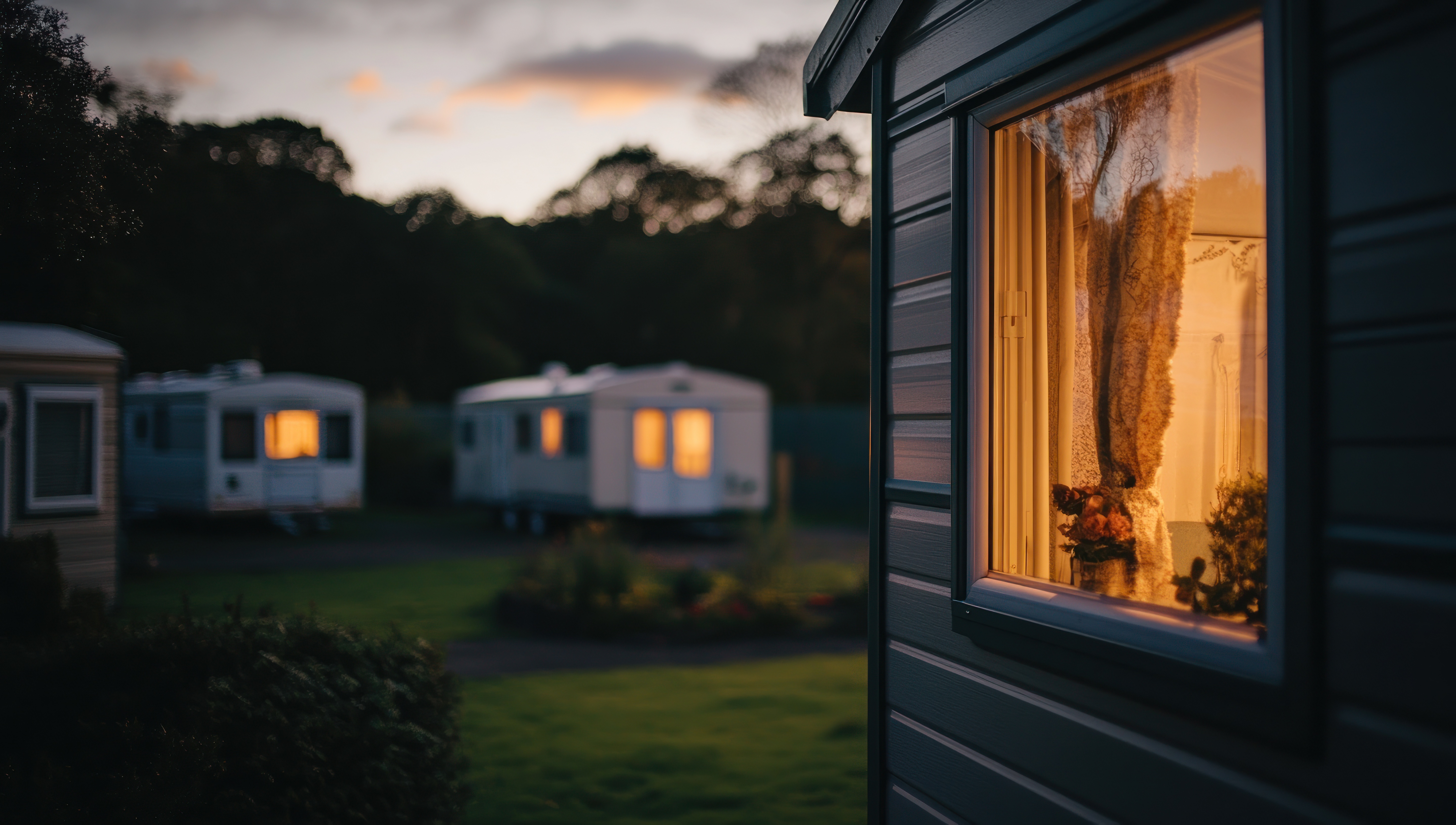
A holiday retreat is more than a getaway. It’s a place that slows you down and gives you room to breathe. Turning a static home into one takes more than décor or design. It starts with knowing what makes you feel calm and comfortable. When every corner feels easy to live in, that’s when it becomes a true escape.
Start With The Feeling You Want To Come Home To
Before you choose paint colors or furniture, picture how you want the space to feel. Do you imagine bright mornings filled with natural light or quiet evenings where everything feels still? That feeling should guide every decision you make.
When exploring static homes for sale, notice how each one makes you feel the moment you walk in. Pay attention to light, layout, and air flow. These elements shape your comfort far more than furniture or finishes. Even an older home can carry warmth and character that newer ones sometimes lack, especially among used caravans that have been well cared for.
Imagine spending time there. Think about small moments—morning coffee by the window, an afternoon nap, or evenings spent talking as the light fades. When those thoughts make you feel at ease, you’ve found the right place to begin.
Choose A Setting That Matches Your Pace
Where you place your retreat shapes how it feels. If you’re looking for quiet, seek peaceful surroundings that stay calm throughout the year. A holiday park or countryside site can give you a sense of community without feeling crowded, while private land offers more seclusion and freedom to design the space as you wish.
Visit the area at different times. Listen to the sounds, watch how people move through it, and see what happens as the light changes. A good retreat feels private without feeling isolated.
Convenience matters, too. A local café, a walking trail, or a small market nearby can make your stay easier without taking away the sense of escape. The best locations balance comfort and calm, especially in holiday park homes that combine accessibility with tranquility.
Focus On Comfort That Lasts
A retreat should feel inviting no matter the season. That means thinking beyond the surface. Look for solid insulation, dependable heating, and central heating systems that keep the space pleasant year-round with little effort.
When viewing a home, sit on the furniture, open cupboards, and move through the rooms. You’ll learn quickly if it feels natural to live in. True comfort isn’t about how a place looks but how it functions when you use it.
Reliability brings peace of mind. When things work as they should, you can relax fully. A well-built space supports your rest, not your to-do list.
Bring In Natural Touches
Nature brings calm into any setting. Let in as much daylight as possible and keep window areas clear. Sunlight changes a room’s mood throughout the day, making it feel alive and welcoming.
Add small touches that connect the indoors with the outdoors. A few plants, a wooden bowl, or a textured rug can soften the look of a room. Natural elements help a space feel warm and genuine, something that works well in holiday lodges or mobile homes with limited interior space.
If you have outdoor space, treat it as part of the home. A few chairs, gentle lighting, and a small table can turn evenings outside into moments you’ll remember.
Keep The Design Light And Uncluttered
A peaceful home feels open and easy to move through. Choose furniture that fits the proportions of each room so the space feels balanced and practical. Avoid pieces that block light or make walking paths tight and uneven. When every area feels connected, the home starts to breathe.
Use soft, natural colors and materials that age well. Wood, linen, and cotton add warmth that feels calm rather than decorative. These textures work in every season and never go out of style. Begin with a simple foundation that meets good quality standards, then add layers over time as the space evolves.
Decorate with purpose, not habit. A few personal touches—like framed photos, books, or pottery—make the room feel alive without overwhelming it. Empty space has value, too, because it allows the eye to rest and appreciate what’s already there. Keeping things light and uncluttered will make the space feel open, especially in a semi-permanent location where comfort and flexibility matter most.
Add Character That Feels Personal
A retreat should reflect who you are. Include things that hold meaning—a framed photo, a favorite throw, or art that reminds you of somewhere special. These pieces create warmth and familiarity.
Stick to a simple color palette and add texture through fabrics and finishes. A woven blanket, soft rug, or ceramic vase can bring depth without clutter. Every detail should feel considered, not collected.
Let the space grow naturally. Each visit might inspire a small change or addition. Over time, these touches build a home that feels lived-in and loved, much like thoughtfully designed garden annexes that blend comfort with charm.
Keep It Easy To Maintain
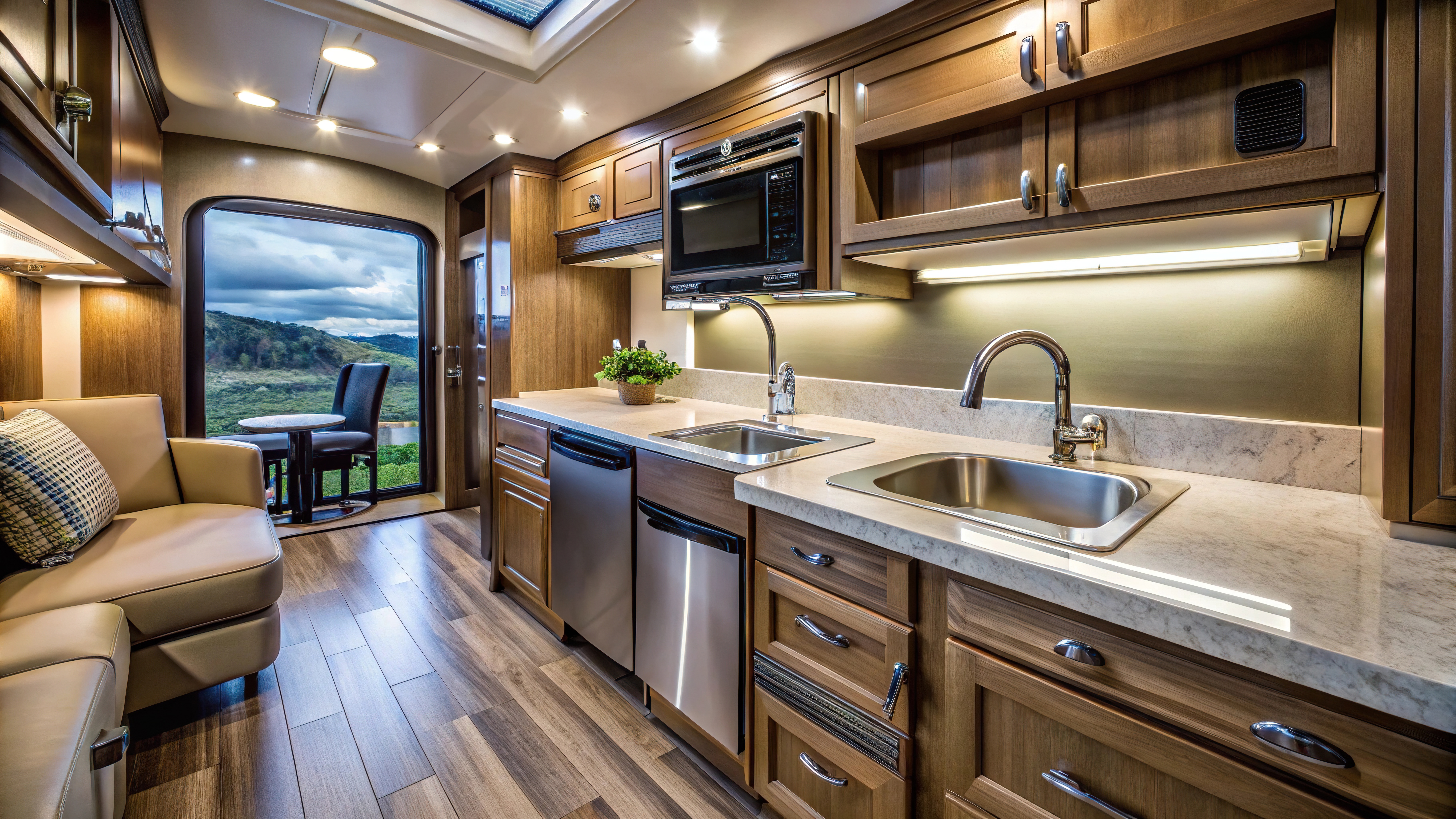
A true retreat should give you rest, not work. Choose materials that clean easily and stand up to use. Smooth surfaces, washable covers, and quality flooring help you keep things fresh with little effort.
Plan for smart storage. Baskets, drawers, and built-in spaces help keep clutter out of sight. When everything has a home, the space feels lighter and more open.
If you’re setting up residential park homes, be aware of the inspection process and residential licence requirements. Following proper standards ensures long-term enjoyment and helps protect your investment. The less you need to manage, the more you can enjoy your time there. A retreat should greet you with calm, not a checklist.
In Conclusion
Turning a static home into a holiday home means creating a space that feels natural to live in. It’s not about perfection. It’s about ease, warmth, and the quiet sense that you belong there. When you can step inside, take a deep breath, and instantly feel at peace, you’ve found what a real retreat is meant to be.
Maya Reyes
Author
Maya Reyes’s wanderlust was sparked in the temples of Luang Prabang, where the scent of lemongrass and the chants of monks revealed the transformative power of travel.
Since then, her journey has been defined by cultural immersion and authentic connections. From learning batik in Indonesia to sharing meals with nomadic families in Mongolia, Maya seeks experiences that highlight the human stories behind each destination.
Travel for her is a way to weave her narrative into the world’s cultural tapestry, creating bridges across diverse ways of life. Maya has traveled to 15 countries and shares her insights through writing and storytelling.

Finn Wilde
Reviewer
For Finn Wilde, the wilderness is more than just a destination - it’s a way of life. Over the past decade, he has led multiple expeditions in some of the world’s most remote regions, from the icy fjords of Greenland to the rugged trails of Patagonia.
Finn emphasizes sustainability in all of his adventures, helping participants connect with nature while promoting responsible exploration. His expeditions inspire individuals to explore the great outdoors while fostering a deep respect for the environment.
Latest Articles
Popular Articles