How To Ship Luggage Internationally | Cost, Timeline, And Key Steps
Learn how to ship luggage internationally with clear steps, typical costs, delivery timelines, and tips to avoid delays when sending suitcases overseas.
Author:Michael RachalReviewer:Liam JonesApr 11, 20265.4K Shares193.8K Views
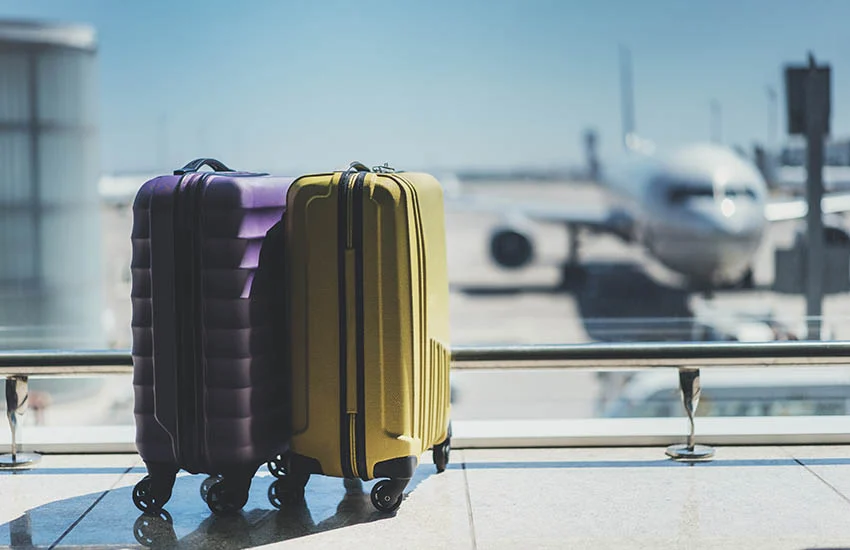
How International Luggage Shipping Works
Shipping luggage internationally can be a practical alternative to checking multiple bags on a flight, especially for long trips, relocations, or study-abroad travel. Instead of carrying heavy suitcases through airports, taxis, and train stations, you can arrange for your luggage to be delivered directly to your destination.
In this how to ship luggage internationally (cost + timeline guide), you’ll learn everything you need to know about sending suitcases overseas safely and efficiently from estimating shipping costs to understanding delivery timelines and preparing the right paperwork.
In this guide, you’ll learn:
- How to ship luggage internationally step-by-step
- Typical international luggage shipping costs and what affects the price
- How long it usually takes to ship suitcases internationally
- The best companies for international luggage shipping
- How to pack and protect your suitcase for overseas transit
- What customs paperwork is required when shipping personal belongings internationally
- Common mistakes to avoid when shipping luggage overseas
Step 1: Decide Whether Shipping Luggage Is Worth It
Shipping luggage makes the most sense when you have multiple bags, heavy bags, sports gear, or a long trip. It also helps when you want to avoid check-in lines, baggage carousels, and dragging luggage onto trains or buses; that is exactly how major luggage-forwarding providers position the service.
For people relocating for work, study, or long-term travel, shipping luggage is often part of a larger move. In these situations, travelers may also use professional auto transport companiesto move their vehicles while their luggage and personal belongings are shipped separately.
Where people misjudge this decision is the cost. Shipping is not automatically cheaper than flying with checked baggage. It becomes attractive when your airline charges steep fees for extra, oversized, or overweight bags, or when sending the bag ahead reduces enough airport hassle to justify the price difference.
Step 2: Weigh Your Luggage, Measure It Correctly, And Check Dimensional Weight

Before you request a shipping quote, you must know the exact size and weight of your suitcase. International shipping companies calculate prices based on these numbers, so guessing can lead to incorrect quotes or unexpected fees later.
Two measurements matter most when shipping luggage internationally: actual weight and dimensional weight.
Actual Weight (The Real Weight Of Your Suitcase)
Actual weight is simply the real weight of your luggage after it is packed.
You can measure this at home using a bathroom scale or luggage scale. Place the packed suitcase on the scale and record the weight in kilograms or pounds.
This number tells the carrier how heavy the shipment is. However, it does not always determine the price.
Dimensional Weight (How Shipping Companies Price Large Bags)
Shipping companies also use something called dimensional weight, sometimes called DIM weight.
Dimensional weight is a pricing method used by most international carriers such as DHL, UPS, and FedEx. It reflects how much physical space your suitcase takes up during transport.
Even if a suitcase is not very heavy, a large suitcase still occupies valuable cargo space in airplanes and delivery trucks. Because of this, shipping companies may charge based on the space the bag uses instead of its actual weight.
Dimensional Weight Formula
For metric measurements, the formula usually looks like this:
Length (cm) × Width (cm) × Height (cm) ÷ 5,000 = DIM weight (kg)
If measurements are in inches and pounds, many carriers use:
Length × Width × Height ÷ 139
Which Weight Is Used For Pricing?
Shipping companies normally charge based on whichever number is higher:
- the actual weight
- the dimensional weight
For example, imagine your suitcase measures:
80 cm × 50 cm × 30 cm
Using the formula:
80 × 50 × 30 ÷ 5,000 = 24 kg dimensional weight
If your suitcase actually weighs 18 kg, the carrier will still charge you based on 24 kg because the dimensional weight is higher.
This surprises many people who ship luggage internationally for the first time.
Why Accurate Measurements Matter
Small measurement errors can increase your shipping cost.
If your measurements are even a few centimeters larger than the real size, the dimensional weight may increase enough to push your luggage into a higher pricing tier.
To avoid this:
- Measure the longest points of the suitcase
- Include wheels, handles, and bulging sections
- Weigh the suitcase after it is fully packed
Accurate measurements help you get realistic quotes and avoid unexpected international luggage shipping fees later.
Once you know the real weight and dimensions of your suitcase, you are ready to compare shipping providers.
Step 3: Choose The Right Carrier Or Luggage Shipping Service
After calculating the size and weight of your suitcase, the next step is choosing who will ship your luggage internationally.
There are two main types of services available:
- Direct courier carriers
- Specialized luggage shipping services
Understanding the difference helps you choose the best option for your budget, delivery speed, and travel plans.
Direct International Couriers
Large global shipping companies like DHL, UPS, and FedEx allow you to ship suitcases the same way you would ship any international package.
These carriers usually offer:
- fast international delivery options
- strong tracking systems
- reliable global networks
- multiple shipping speeds
Express services can sometimes deliver luggage internationally within 1-3 business days, depending on the destination and customs processing.
However, the process may require you to handle customs paperwork yourself.
Specialized Luggage Shipping Services
Luggage forwarding companies focus specifically on sending suitcases overseas. Examples include services such as luggage forwarding companies that offer:
- door-to-door luggage pickup
- easier booking for travelers
- support with customs paperwork
- suitcase-focused shipping processes
These services are popular with students studying abroad, long-term travelers, and people relocating internationally because the process is simpler than using a traditional courier.
Compare Quotes Before Choosing
Before you decide which service to use, it is best to request at least two quotes:
- one from a major courier
- one from a luggage shipping service
Comparing both options gives you a clearer idea of the true cost of shipping luggage internationally.
Focus on the total shipping price, not just the base rate shown at the beginning of the quote.
Hidden Fees To Check In Your Quote
International luggage shipping quotes may include extra charges. Always confirm whether the price includes the following:
- Fuel Surcharge:Shipping companies often add fuel surcharges that change depending on global fuel prices.
- Remote Area or Residential Delivery Fee: Deliveries to homes, small towns, campuses, or remote areas may cost more than deliveries to business addresses.
- Insurance or Declared Value Coverage:If your suitcase contains valuable personal belongings, check whether the shipping service provides insurance coverage or allows you to declare the value of the contents.
Without proper coverage, compensation for lost or damaged luggage may be limited.
Why Comparing Total Costs Matters
The cheapest base rate is not always the best deal. A low initial quote may increase after
- surcharges
- customs processing
- delivery location fees
- insurance costs
By carefully reviewing the full shipping quote, you can choose a service that offers the best balance between price, delivery time, luggage protection, and convenience.
This step is essential for anyone planning to ship luggage internationally, especially for long trips, international relocation, or studying abroad.
Step 4: Pack And Protect Your Bag For International Transit
Once you have chosen your shipping provider, the next step is preparing your suitcase for international transport. Shipping luggage internationally is different from checking a bag on a flight. Your suitcase will likely pass through several warehouses, transport vehicles, sorting centers, and customs inspections before reaching its final destination.
Because of this, it is important to pack your bag in a way that protects your belongings and prevents damage or loss during international transit.
Secure Your Suitcase Properly
Start by making sure the suitcase itself is securely closed. If your luggage has built-in locks, use them. If not, consider using zip ties or TSA-approved luggage locks to secure the zippers. This helps prevent accidental opening while the bag moves through conveyor belts and handling stations.
Loose zippers can open during shipping, especially if the suitcase is heavily packed. A simple lock or zip tie adds an extra layer of protection.
Protect The Exterior Of Your Luggage
Suitcases can get scratched, pressed, or rubbed against other shipments during transportation. If your bag has external pockets, straps, or exposed zippers, it is a good idea to add extra protection.
You can do this by using:
- a luggage cover
- shrink wrap
- a durable travel bag cover
These coverings reduce the chance of pockets catching on machinery or other parcels. They also help protect the suitcase from dirt, moisture, and rough handling.
Many travelers who regularly ship luggage overseas use this simple step to extend the life of their suitcase.
Take Photos Of Your Bag And Its Contents
Before sealing your suitcase, take clear photos of the contents inside. This is a simple step, but it can be extremely helpful if you need to file a claim for lost or damaged luggage. The photos act as visual proof of what was inside the bag before shipping.
Take photos of:
- the contents inside the suitcase
- the suitcase after it is packed
- the exterior of the bag before pickup
This documentation can help if the shipping company needs to verify the condition or contents of your luggage during an insurance claim or customs inspection.
Keep Important Items With You
Even when using reliable international luggage shipping services, it is best not to ship items that are extremely valuable or difficult to replace. Avoid placing the following in shipped luggage:
- passports or travel documents
- expensive jewelry
- electronics you need immediately
- medications
Instead, keep these items in your carry-on luggage when traveling. Proper packing is one of the most important steps for successful international suitcase shipping. Once your bag is packed, protected, and documented, the next step is preparing the customs paperwork required for international delivery.
Step 5: Master The Paperwork (Customs & Tax Exemptions)

Every international shipment must clear customs. While it sounds intimidating, the goal for most travelers is to qualify for "Duty-Free Entry of Personal Effects." This means you shouldn't have to pay import taxes on your own used clothes and belongings.
To ensure your bag doesn't get stuck in a warehouse, you need the following documentation:
1. The "Used Goods" Declaration
Most countries allow you to import "Personal Effects" tax-free if you have owned them for a certain period (usually 6-12 months).
Tip:Never simply write "Personal Belongings" on a form. This is a red flag for customs. Use the phrase: "Used personal effects, not for resale."
2. Country-Specific Forms
Depending on your destination, you may need to attach specific government forms to the outside of your suitcase:
- United States:If shipping to the US, you often need CBP Form 3299 (Declaration for Free Entry of Unaccompanied Articles).
- United Kingdom:You must typically complete a TOR1 (Transfer of Residence) form to claim tax relief if you are moving there.
- Australia:Look for Form B534 (Unaccompanied Personal Effects Statement).
3. Detailed Packing List (The "Inventory")
Avoid vague descriptions. If a customs officer sees "Miscellaneous," they are more likely to open the bag. Instead, use a structured format:
- Correct: "12x Men’s Cotton T-Shirts (Used) - $60 Total Value"
- Incorrect: "Bag of clothes - $100"
Note on Valuation: Even if your clothes are old, you must declare a "fair market value" (what you would pay at a thrift store). If you declare $0, customs may reject the paperwork.
Prohibited Items: What You Cannot Ship
Shipping a suitcase via a parcel network (DHL/FedEx/UPS) is subject to much stricter rules than checking a bag with an airline. If a "dangerous good" is found, your bag may be destroyed or returned at your expense.
The "Never-Ship" List:
- Lithium Batteries:This is the number one reason for rejected shipments. This includes power banks, laptops, tablets, and electric toothbrushes. These must stay in your carry-on.
- Liquids & Gels:Unlike airlines, many international couriers prohibit allliquids. This includes shampoo, perfume, and especially alcohol. A single leaking bottle can ruin an entire plane's worth of cargo.
- Aerosols:Deodorants, hairsprays, and shaving creams are considered pressurized "Dangerous Goods."
- Prescription Medication:Shipping medicine across borders often requires a pharmaceutical import license. Always carry your meds with you.
- Money & Jewelry:Most shipping insurance policies explicitly exclude cash, coins, and high-value jewelry.
The "Lock" Warning
While you want to secure your bag, do not use non-TSA padlocks. In fact, many shipping specialists recommend using heavy-duty zip ties (cable ties) instead of locks. If customs needs to inspect your bag, they will snip the zip tie; if you have a hard lock, they may cut the suitcase fabric or break the zipper to gain entry.
Step 6: Schedule Pickup And Confirm Your Delivery Address
Double-check the delivery address format required by the destination country. Some countries require specific postal format conventions. Confirm that someone will be available to receive the bag, or arrange with the carrier for a safe drop location or facility pickup.
Book pickup with at least 24 hours' notice for most carriers. During peak periods (summer, December), 48-72 hours is safer.
Step 7: Track Your Shipment And Plan For Customs Clearance
Most carriers provide real-time tracking. Set up notifications so you know the moment the bag reaches the destination country; that's when the customs clearance clock starts.
If your destination uses an electronic pre-clearance system (common in the EU and Australia), your bag may clear in hours. If it's flagged for manual inspection, you may receive a query from a customs broker requesting additional documentation. Respond promptly; every day of delay in responding is a day your bag sits in a warehouse.
Step 8: Receive, Inspect, And File A Claim If Needed
Inspect the bag at delivery, before the driver leaves if possible, or within the carrier's inspection window (typically 24-48 hours after delivery). Note any damage in writing on the delivery receipt.
If an item is damaged or missing, file a claim immediately with photographic evidence. Claims filed after 48 hours are harder to process, and some carriers reject them entirely.
How Much Does It Cost To Ship Luggage Internationally?

Many travelers want a simple price for shipping a suitcase overseas, but international luggage shipping does not have a single fixed rate. The cost depends on several variables such as weight, suitcase size, shipping distance, and delivery speed.
Understanding these factors helps you estimate the real cost and avoid unexpected fees when you ship luggage internationally.
Typical Price Range For Shipping Luggage Overseas
For most routes, international luggage shipping usually costs about $120 to $450 per suitcase. This estimate typically applies to a standard suitcase weighing around 20-25 kg (44-55 lb).
However, the actual price can vary depending on:
- how far the luggage is being shipped
- the size and weight of the suitcase
- the delivery speed (express or economy)
- whether the destination is a major city or remote area
- customs processing requirements
Because shipping rates change regularly due to fuel costs and airline cargo demand, the most reliable way to know the exact price is to request quotes using the real weight and dimensions of your suitcase.
Why International Luggage Shipping Prices Vary
Unlike airline baggage fees, shipping companies treat a suitcase like a normal international parcel. The price is calculated using standard parcel logistics rules, not airline baggage rules.
Shipping providers look at:
- the actual weight of the suitcase
- the dimensional (volumetric) weight
- the distance between origin and destination
- the shipping service level
- the cargo space required during transport
If your suitcase is large but lightweight, you may be charged based on dimensional weight, which reflects the space the bag takes up in transport. This is why two suitcases with the same weight can have very different shipping costs.
Key Factors That Affect Shipping Costs
Several factors influence the final price when you ship luggage overseas.
- Weight: Heavier suitcases cost more because they require more cargo capacity.
- Size and dimensional weight: Large suitcases may cost more, even if they are light, because they occupy more space in aircraft cargo.
- Shipping distance: Longer routes or shipments between continents, usually increase the price.
- Delivery speed: Express shipping is faster but more expensive, while economy shipping is slower but cheaper.
- Customs processing: International shipments must pass through customs, and some items may require additional checks or duties.
- Surcharges and insurance: Fuel surcharges, residential delivery fees, and optional insurance coverage can also affect the final cost.
Example Cost For A 23 Kg Suitcase
Consider a common scenario: shipping a 23 kg suitcase internationally.
If the suitcase is a standard size and you choose economy international shipping, the price will often fall near the middle of the typical price range. However, if the suitcase is bulky, the route is long, or you select express delivery, the cost can increase.
For the most accurate estimate, compare multiple international luggage shipping quotes using the same suitcase measurements and destination.
Tip For Getting The Best Shipping Price
Before booking, request quotes from at least two or three providers, including both major couriers and specialized luggage shipping services. You can also explore strategies that help reduce shipping costs, such as choosing economy delivery, minimizing dimensional weight, or consolidating shipments when possible.
Comparing quotes helps you find the best balance between price, delivery time, tracking reliability, and luggage protection when shipping suitcases internationally.
International Luggage Shipping Timelines
When you ship luggage internationally, delivery timing is just as important as cost. Your suitcase needs to arrive around the same time you do, whether that is at a hotel, student dorm, temporary rental, or new home. Planning the timeline correctly helps avoid situations where your luggage arrives too late or sits at the destination for too long.
Standard International Delivery Times
Most international shipping companies offer different delivery speeds. For many major routes between large cities:
- Express international shipping: about 1-3 business days
- Standard international shipping: about 4-7 business days
- Economy shipping: about 7-14 days
These are typical transit estimates. Actual delivery time can change depending on customs clearance, flight schedules, weather, and the destination location.
Express Shipping Vs Economy Shipping
The main difference between shipping options is speed versus cost.
Express shipping is faster and usually moves your luggage on priority transport routes. It is the best option if you need your suitcase soon after arrival or if the contents are important.
Economy shipping is slower but more affordable. It works well if the items in the suitcase are not urgent and your schedule is flexible.
Because economy shipments move through slower routes, there is less flexibility if delays occur.
When To Ship Luggage Before Your Trip
A practical rule when shipping luggage overseas is to send your suitcase about 7-14 days before you need it.
This gives enough time for:
- international transport
- customs clearance
- local delivery
Shipping early is especially helpful for long trips, studying abroad, or international relocation.
Best Companies For International Luggage Shipping
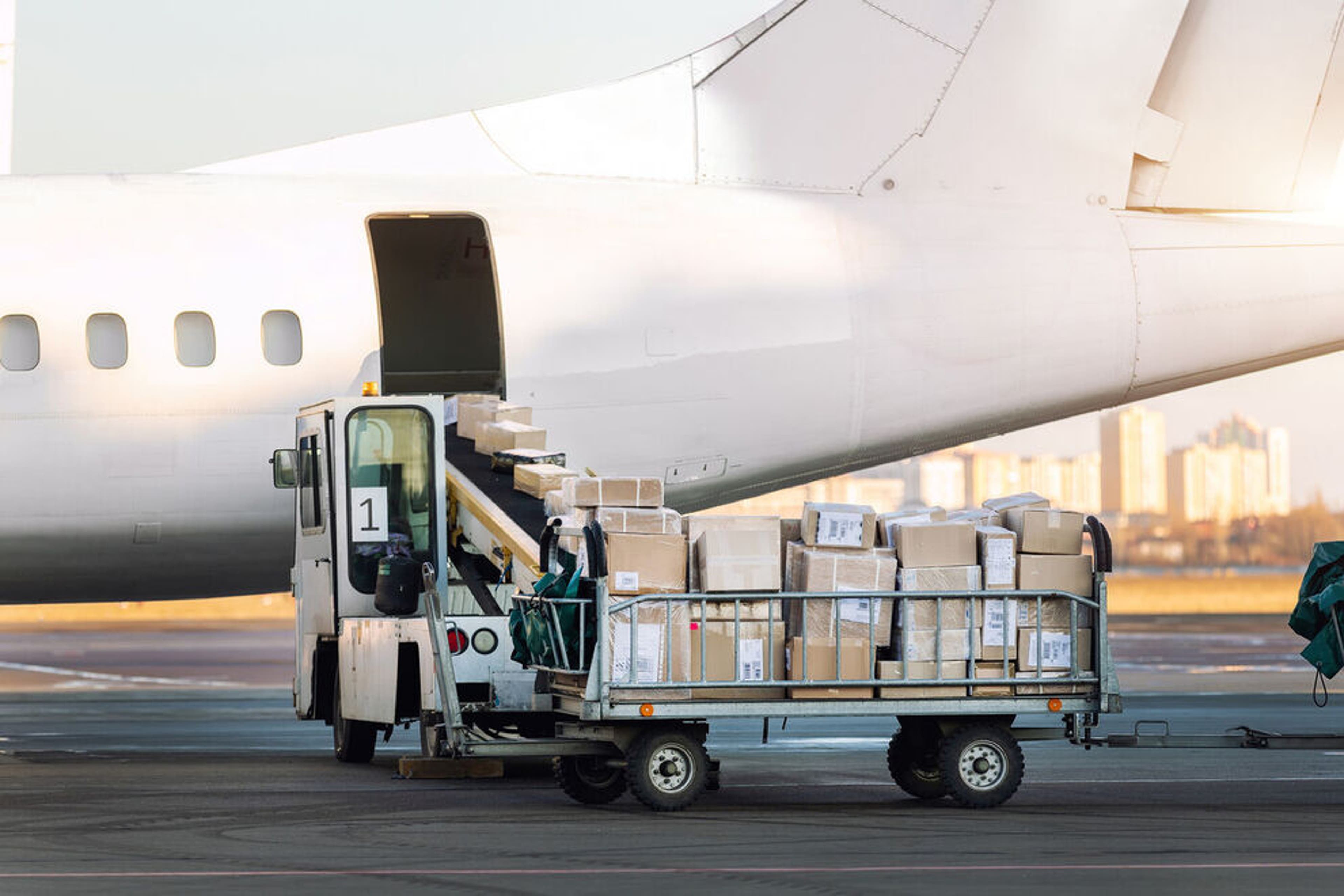
1. Send My Bag
Send My Bag is one of the best-known companies dedicated specifically to international luggage shipping and baggage delivery services. The company was founded in 2006 and now ships luggage for customers in dozens of countries worldwide.
This service is particularly popular with students studying abroad, travelers relocating internationally, and people sending multiple suitcases overseas.
Key features include:
- door-to-door luggage pickup and delivery
- international shipping to many global destinations
- online booking and tracking
- services designed for shipping personal belongings rather than standard parcels
Because the platform focuses specifically on shipping suitcases internationally, it often provides a simpler booking process than traditional courier companies.
2. Luggage Forward
Luggage Forward is another major company that specializes in door-to-door luggage forwarding. Founded in 2004, the company ships suitcases and sports equipment to more than 200 countries and territories.
This service is designed to make travel easier by allowing customers to send luggage directly to their destination instead of carrying it through airports.
Common features include:
- home pickup and direct delivery to hotels, residences, or cruise terminals
- shipment tracking during transit
- support for shipping items like skis, golf clubs, and sports equipment
Luggage Forward works with major logistics carriers such as FedEx, UPS, and DHL to move luggage through international shipping networks.
3. My Baggage
My Baggage is another specialized service focused on international suitcase shipping and student luggage delivery. The company offers door-to-door shipping to more than 200 countries and has handled shipments for hundreds of thousands of customers.
It is commonly used for:
- sending luggage for study-abroad programs
- shipping suitcases during international relocation
- delivering sports equipment or extra baggage overseas
Users can book shipments online, print shipping labels, and track their luggage during transit.
4. LuggageToShip
LuggageToShip is another service designed specifically for international luggage forwarding. Instead of operating its own transport network, it partners with global carriers such as FedEx and DHL to move luggage worldwide.
This type of service combines:
- courier networks for transportation
- simplified booking for travelers
- support for shipping suitcases and sports gear internationally
It is often used by travelers who want courier reliability with a luggage-focused service interface.
5. Major International Couriers (DHL, UPS, FedEx)
In addition to luggage-specific companies, major global courier companies also allow customers to ship suitcases internationally as standard parcels.
These carriers operate extensive logistics networks covering more than 200 countries and territories and offer:
- express international delivery
- global tracking systems
- multiple shipping speeds
- customs processing support
Many luggage forwarding companies actually rely on these courier networks to transport shipments between countries.
How To Choose The Best Luggage Shipping Company
The best provider depends on your travel situation. When comparing international luggage shipping services, consider:
- total shipping price
- delivery time
- door-to-door pickup options
- tracking reliability
- insurance or declared value protection
It is usually a good idea to compare at least two or three quotes before booking. This helps you find the best balance between cost, speed, and convenience when shipping suitcases internationally.
Customs Rules For Shipping Personal Belongings
Declaring Used Items
Used personal belongings can sometimes qualify for more favorable treatment than new goods, but that does not mean “declare loosely and hope.” CBP distinguishes between personal effects, household effects, accompanying goods, and unaccompanied articles, and may require specific forms for free entry claims.
Duties And Taxes
Some shipments of used personal effects may be duty-free under the right conditions, while other items remain dutiable. CBP notes, for example, that personal effects are treated differently from household effects and that duty is usually waived on personal effects more than one year old in the situations it describes.
Restricted Items
FedEx maintains country-specific prohibited and restricted item guidance for international shipping. On the air-travel side, IATA and TSA both warn that spare lithium batteries and power banks should not be packed in checked baggage, which is exactly the sort of detail travelers forget when converting a suitcase into a shipment.
How To Pack Luggage For International Shipping
Packing for shipping is not the same as packing for a flight. Your suitcase is going through a parcel network, not sitting under your seat. Because of this, choosing the right suitcase can also make a difference. Many travelers now use smart luggagewith built-in tracking, digital locks, or location features that make it easier to monitor their bags during international travel.
Secure Packing Tips
Use a sturdy suitcase, fill space so contents do not shift, and attach labels exactly as instructed. Send My Bag says it provides packaging and labeling advice, and Luggage Forward notes that it provides securing materials in its shipping kit.
Items You Should Not Ship
- power banks
- spare lithium batteries
- e-cigarettes or vapor devices
- hazardous or restricted goods
- country-prohibited items
Labeling And Tracking
Make sure the external label is readable and the contact information matches the booking. Then monitor tracking from pickup onward; DHL, FedEx, and major luggage services all make tracking a core part of the service.
The Cheapest Ways To Ship Luggage Internationally
This section is about lowering cost without buying yourself a timing problem.
Economy Courier Shipping
Economy service is often the first place to save money if your delivery window is flexible. Carriers themselves frame service choice as a cost-vs-speed tradeoff.
Luggage Shipping Specialists
Specialists can be competitive on suitcase-specific routes because their process is built for this exact use case. Send My Bag publishes example pricing, and My Baggage markets door-to-door luggage delivery at scale.
Common Mistakes When Shipping Luggage Overseas
Shipping luggage internationally can be convenient, but small mistakes can lead to delays, extra fees, or customs problems. Many of these issues happen because travelers are unfamiliar with how international shipping works.
Providing Incorrect Weight Or Dimensions
One of the most frequent problems occurs when travelers estimate the size or weight of their luggage instead of measuring it accurately.
Shipping companies calculate international shipping prices based on actual weight or dimensional weight, whichever is higher. If your measurements are incorrect, the carrier may adjust the price after pickup.
Always measure the suitcase carefully and weigh it after it is fully packed.
Using Vague Descriptions On Customs Forms
Customs authorities require a clear description of what is inside your shipment. Writing vague descriptions such as “personal belongings” or “clothing items” may cause the shipment to be inspected or delayed.
Instead, provide a specific packing list that describes the contents clearly. Detailed descriptions help customs officers process the shipment more quickly.
Shipping Restricted Or Problematic Items
Some items are restricted or regulated in international shipments. Batteries, aerosols, certain electronics, and hazardous materials may not be allowed in checked luggage shipments.
If these items are discovered during inspection, your shipment could be delayed or returned.
Before shipping luggage overseas, review the carrier’s list of restricted or prohibited items.
Waiting Too Late To Ship Your Luggage
Another common mistake is shipping luggage too close to the travel date.
Even though express shipping can be fast, international deliveries still depend on customs clearance, flight schedules, and local delivery networks. Unexpected delays can occur.
Sending luggage 7-14 days before you need it provides a safer buffer.
Choosing A Shipping Service Based Only On Price
The cheapest quote is not always the best option. Some low-cost services may offer limited tracking, slower delivery routes, or minimal insurance coverage.
When comparing providers, look at the full shipping details, including delivery time, reliability, tracking, and coverage for lost or damaged luggage.
The Ultimate Pre-Shipping Checklist

Before you hand your suitcase over to the driver or drop it off at a facility, run through this final list to ensure a 0% chance of customs delays or damage.
1. The Packaging "Sanity Check"
- Zip-Tie the Zippers:Use heavy-duty nylon zip ties (cable ties) instead of hard padlocks. This allows customs to inspect the bag without breaking your suitcase.
- Contain the Straps:Tape down or remove any loose straps, handles, or "dangly" bits that could get caught in a conveyor belt.
- The "Bulge" Test:Ensure the suitcase is not bulging. If it is, your Dimensional Weight will be higher than your quote, and you will be billed for the difference later.
- Box It (Optional but Recommended): Place the suitcase inside a double-walled cardboard box for maximum protection and better label adhesion.
2. The Tech & Documentation Layer
- Hide an AirTag:Place an Apple AirTag or Tile inside the suitcase lining. This is your "independent" tracking if the carrier's system lags.
- Photograph Everything:Take a photo of the open suitcase (contents), the closed suitcase, and the shipping label as it appears on the bag.
- Inside-Out Labeling:Place a backup copy of your shipping label and your destination contact info inside the suitcase in case the exterior label is torn off.
3. Customs & Compliance (The "Clean" Bag)
- The "No-Go" Check:Are you 100% sure there are no lithium batteries, power banks, aerosols, perfumes, or prescription meds inside?
- Specific Descriptions:On your packing list, did you write "Used Cotton T-shirts" instead of just "Clothes"?
- Tax Exemption Forms:Have you attached the required country form (e.g., CBP 3299 for the USA, ToR01 for the UK, or B534 for Australia)?
- The "Dirt" Rule (AU/NZ only): If shipping to Australia or New Zealand, ensure any shoes or sports gear are scrubbed clean of all mud and soil to pass biosecurity.
4. Logistics Final Steps
- Insurance Verified:Have you confirmed if your travel insurance or credit card covers "unaccompanied baggage," or have you purchased the carrier's "Declared Value" protection?
- Recipient Ready:Does the person at the destination know the tracking number and the expected delivery window?
People Also Ask
Can You Ship A Suitcase Internationally?
Yes. You can ship a suitcase internationally through major couriers or specialized luggage-forwarding companies that offer tracking and delivery support.
What Is The Cheapest Way To Ship Luggage Overseas?
The cheapest option is usually economy service on a compact bag quoted across several providers, especially when you avoid dimensional-weight penalties.
What Items Cannot Be Shipped Internationally In Luggage?
Restricted and prohibited items vary by country, but common problem items include power banks, spare lithium batteries, hazardous goods, and destination-restricted products.
Which Shipping Company Is The Cheapest For International Shipping?
The United States Postal Service (USPS). For most international parcels, the most affordable option is often using the postal network via the United States Postal Service (USPS) through Stamps.com, because you'll benefit from negotiated carrier discounts and integrated shipping software.
Final Thoughts
Shipping luggage internationally can make travel easier, especially for long trips, relocations, or study-abroad programs. By understanding how to ship luggage internationally, including typical costs, delivery timelines, and required paperwork, you can plan your shipment confidently and avoid unexpected delays or extra fees.
With the right preparation, accurate measurements, reliable shipping services, and proper customs documentation, your luggage can arrive safely at your destination.
Jump to
How International Luggage Shipping Works
Step 1: Decide Whether Shipping Luggage Is Worth It
Step 2: Weigh Your Luggage, Measure It Correctly, And Check Dimensional Weight
Step 3: Choose The Right Carrier Or Luggage Shipping Service
Step 4: Pack And Protect Your Bag For International Transit
Step 5: Master The Paperwork (Customs & Tax Exemptions)
Step 6: Schedule Pickup And Confirm Your Delivery Address
Step 7: Track Your Shipment And Plan For Customs Clearance
Step 8: Receive, Inspect, And File A Claim If Needed
How Much Does It Cost To Ship Luggage Internationally?
International Luggage Shipping Timelines
Best Companies For International Luggage Shipping
Customs Rules For Shipping Personal Belongings
How To Pack Luggage For International Shipping
The Cheapest Ways To Ship Luggage Internationally
Common Mistakes When Shipping Luggage Overseas
The Ultimate Pre-Shipping Checklist
People Also Ask
Final Thoughts

Michael Rachal
Author
Michael Rachal believes that luxury lies in the details. With over 20 years of experience in the luxury travel industry, he has crafted hundreds of bespoke itineraries for clients seeking personalized, unforgettable experiences.
Whether guiding clients through private cultural tours or curating culinary journeys with world-renowned chefs, Michael ensures that each trip is tailored to perfection.
His ability to anticipate needs and exceed expectations has earned him a reputation as a leading expert in luxury travel.

Liam Jones
Reviewer
Liam Jones has made it his mission to prove that adventure doesn’t need a hefty budget. Having traveled to over 40 countries, he specializes in finding affordable ways to experience the world, from the best street food in Bangkok to hidden gems in Lisbon.
Liam’s travel tips have reached thousands of readers, empowering them to see the world on a shoestring budget without sacrificing quality. With a deep passion for local cultures, he continues to share his travel hacks, ensuring adventure remains accessible to all.
Latest Articles
Popular Articles