How Technology Is Transforming Food And Entertainment Experiences?
Technology has provided us with a more personal and immediate form of entertainment, while also making it more passive. Understanding this change can help us understand our habits and their impact on our well-being.
Author:Maya ReyesReviewer:Liam JonesAug 13, 20255.7K Shares301.5K Views
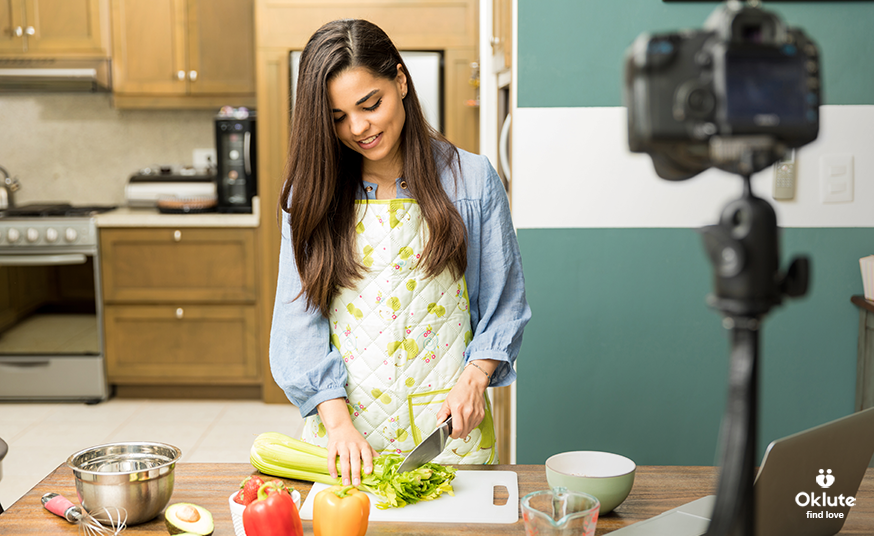
The relationship between entertainment and technology has changed considerably in the last twenty years. From the time we wake up until we go to sleep, we are surrounded by screens connected to entertainment of different forms. This relationship hasn't developed just like that, but it has changed how we interact with entertainment, how we focus on entertainment, and how we feel and process entertainment.
Technology has provided us with a more personal and immediate form of entertainment, while also making it more passive. Understanding this change can help us understand our habits and their impact on our well-being. In understanding entertainment through the modern lens of technology, this analysis will use both sides of the pendulum to examine gains and losses.
Cooking Shows And The Digital Evolution
Once limited solely to television, cooking shows have evolved into snippets, livestreams, and platforms to convey recipes in real time. Audiences can witness real culinary demonstrations, ask questions, and learn execution from home cooks. It acts as an interactive community-based experience, fast-paced, focused and rooted in community.
The digital medium can now allow people to engage in cooking in real time, but at their own pace. People can pause, rewind, replay, and make the experience meaningful and immersive rather than just informative. In a similar way, Oklute Australiaunderstand the importance of creating personalized moments that go beyond the surface, making each interaction feel uniquely tailored and engaging.
Streaming Food Festivals And Tastings
Live streams have turned local food markets, cafe events, and festival kitchens into global shows. Now, anyone can join a cooking demo or taste test from another country in real time. Hosts can explain flavors, ingredients, and methods while viewers ask questions live.
These virtual food events build curiosity. They let people explore new cuisines up close. And they create a shared experience which is simple, social, and interactive.
Audio Cooking Guides For Hands-Free Cooking
Audio technology is offering a hands-free cooking companion. Instead of reading from a screen, you can follow guided recipes via voice assistants or audio apps. These timely prompts make the process smooth and enjoyable, as Bangalore escort servicebring ease and attention to every moment, enhancing the overall experience.
This method keeps your hands free and your phone clean. It's also safer no need to touch your device with sticky fingers. The experience stays smooth and uninterrupted.
Virtual Chef Meetups And Social Tastings
Virtual food space isn’t just about passive watching. Some platforms host live cooking parties. People join video call rooms, cook the same recipe, and taste together in sync. The result is shared laughter, tips, and reactions even across thousands of miles.
These tools may seem futuristic, but they spark ideas. They show how entertainment and food tech can overlap, which means cooking can become storytelling or travel from your kitchen.
Designing For Delight And Usability
Entertainment tech doesn’t just handle food, it designs for it. Smart kitchen interfaces, recipe apps, and cooking guides now focus on minimal steps, clear visuals, and emotional ease. They avoid clutter, guesswork, and frustration - offering a seamless experience much like the thoughtful and attentive approach London escortsbring to making every moment enjoyable.
Users find what they need fast. Tech fades into the background. Seamless design helps tools feel natural, not forced.
Blending Reality And Virtual Flavour
Emerging virtual reality (VR) food experiences explore taste beyond the physical. Gamified cooking demos, immersive cooking tours, and multisensory food gadgets let users explore flavors through sight and sound. They don’t replace taste but they hint at new ways to experience cuisine.
These tools may seem futuristic, but they spark ideas. They show how entertainment and food tech can overlap meaning cooking can become storytelling or travel from your kitchen.
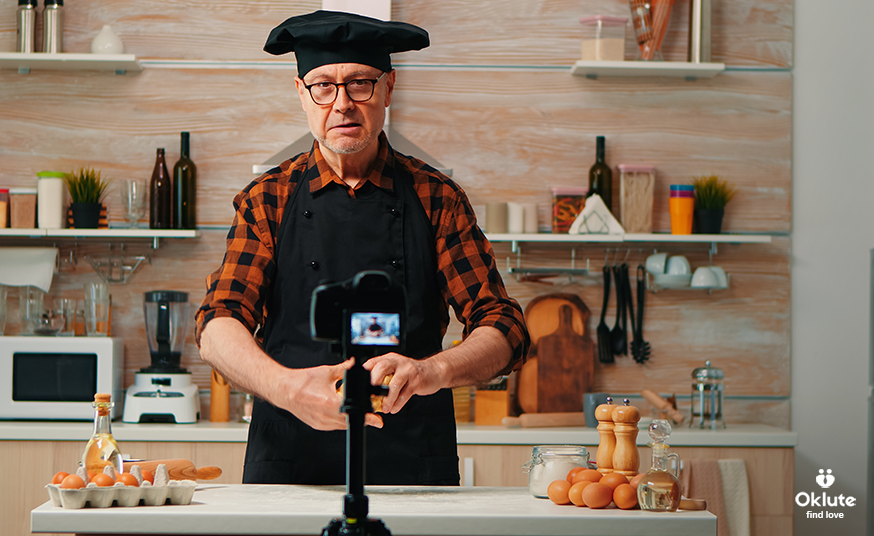
Feelings Matter More Than Algorithms
Technology is obviously everywhere, but the best experiences still come from emotions. Whether it is laughter in a live stream, the smell of a home-cooked meal, or pride in plating a new dish, those experiences come from life! Technology is simply a way to make those experiences easier to do, not replace them.
Algorithmic suggestions should complement, not govern, cooking and eating creativity. The joy should come from trying and tasting, sharing and sometimes ruining!
How To Have Fun With Tech Without Losing Humanity
- Savor the smell, not just the end-product.
- Replicate the balance of cooking with digital, and cooking with analog (like handwritten recipes).
- Value your interactions over your likes or comments.
- Think of tech tools as assistants, not taskmasters.
- Dedicate some time in the kitchen just to play, there shouldn't be a camera rolling or a timer to beat.
Conclusion
The merging point of entertainment, technology, and cooking has the potential to be an exciting place! Learning faster, sharing more broadly, and being more creative are all at the forefront. Yet at the end of the day, cooking will always connect people based on the principles of smell, flavor, and memory, not screens.
We are able to keep the pleasure of cooking alive when the technology supports our imagination, rather than restricting it. That is how we will continue to be human beings in a digital environment.
Jump to
Cooking Shows And The Digital Evolution
Streaming Food Festivals And Tastings
Audio Cooking Guides For Hands-Free Cooking
Virtual Chef Meetups And Social Tastings
Designing For Delight And Usability
Blending Reality And Virtual Flavour
Feelings Matter More Than Algorithms
How To Have Fun With Tech Without Losing Humanity
Conclusion

Maya Reyes
Author
Maya Reyes’s wanderlust was sparked in the temples of Luang Prabang, where the scent of lemongrass and the chants of monks revealed the transformative power of travel.
Since then, her journey has been defined by cultural immersion and authentic connections. From learning batik in Indonesia to sharing meals with nomadic families in Mongolia, Maya seeks experiences that highlight the human stories behind each destination.
Travel for her is a way to weave her narrative into the world’s cultural tapestry, creating bridges across diverse ways of life. Maya has traveled to 15 countries and shares her insights through writing and storytelling.

Liam Jones
Reviewer
Liam Jones has made it his mission to prove that adventure doesn’t need a hefty budget. Having traveled to over 40 countries, he specializes in finding affordable ways to experience the world, from the best street food in Bangkok to hidden gems in Lisbon.
Liam’s travel tips have reached thousands of readers, empowering them to see the world on a shoestring budget without sacrificing quality. With a deep passion for local cultures, he continues to share his travel hacks, ensuring adventure remains accessible to all.
Latest Articles
Popular Articles