How Morocco’s Palace Hotels Unite Nature, Craft And Luxury
Morocco’s finest palace hotels do not separate luxury from nature. They place it among palms, olive trees, rose gardens and shaded courtyards.
Author:Finn WildeReviewer:Maya ReyesAug 24, 20264.5K Shares69.3K Views
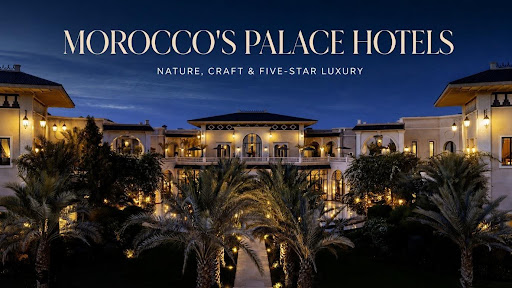
Where Morocco’s Palace Hotels Find Their Sense Of Place
Morocco’s finest palace hotels do not separate luxury from nature. They place it among palms, olive trees, rose gardens and shaded courtyards. Water moves through tiled fountains, while carved screens soften the bright African sun. The result feels grand, yet closely tied to the land. We created this guide to examine five hotels that understand that balance. Each property combines Moroccan craft, natural beauty and thoughtful five-star service.
Among them, Palais Ronsardoffers one of Marrakech’s quietest expressions of palace living. This Relais & Châteaux member occupies a secluded corner of the historic Palmeraie. The medina remains within easy reach, but its noise feels far away. Gardens, private terraces and colonnaded pools shape the slower rhythm of the estate. Its hammam spa and gourmet restaurant complete a stay built around rest, food and place.
Yet no two Moroccan palace hotels tell the same story. Royal Mansour draws on the design of a traditional medina. La Mamounia combines Moroccan heritage with measured Art Deco style. Riad Fès places guests inside the historic fabric of an imperial city. Selman Marrakech links Moorish design with Morocco’s proud horse culture. We will explore how these hotels use architecture, gardens, wellness and dining to create distinct experiences.
We will also show what travellers should consider before choosing one. The aim is not to rank grand entrances or count marble floors. True luxury is more subtle than that. It appears in the coolness of a courtyard, the scent of orange blossom and service that arrives without fuss. Morocco’s best palace hotels understand this quiet art.
What Makes Palais Ronsard A Garden Palace Near Marrakech
Palais Ronsard lies about twenty minutes from central Marrakech, within the city’s historic palm grove. It is not inside the medina’s ancient lanes. Instead, it offers a green retreat near the gates of the old city. That distinction is important. Guests can explore the souks and monuments, then return to gardens filled with roses, palms and old olive trees. Two pools sit between long colonnaded galleries. Rooms and suites open towards terraces or planted spaces. Private pavilions add another level of seclusion.
The architecture mixes Oriental details with a stately, colonial-inspired form. It feels more like a private country residence than a large resort. Moroccan craft appears with restraint through patterned tiles, arches, lanterns and hand-finished surfaces. The hotel’s small scale also allows service to remain personal. Staff can arrange medina trips, meals and wellness treatments without disturbing the calm. This balance is the property’s real strength.
Palais Ronsard offers a peaceful way to experience Marrakech while remaining within easy reach of the city’s historic heart. Its setting in the Palmeraie places gardens, palms and mature olive trees at the centre of the stay, creating a natural sense of distance from the rhythm of the medina. Guests can spend the day exploring the souks and monuments before returning to the quiet of the estate.
This relationship between location, landscape and hospitality is central to the experience. The gardens, terraces and colonnaded spaces encourage a slower pace, while the architecture combines Moroccan decorative traditions with the atmosphere of a refined private residence. The result is a setting where comfort and a strong sense of place work together naturally.
- Choose a garden-facing room for the strongest link with nature.
- Allow time to enjoy the grounds rather than filling every day.
- Plan medina visits during the cooler morning or late afternoon.
- Reserve spa and dinner times before arriving in busy seasons.
How The Hammam And Restaurant Shape The Ronsard Experience
Palais Ronsard treats wellness as part of its setting, not a separate hotel feature. Its 200-square-metre spa stands near the kitchen garden. Roses, bougainvillea, palms and olive trees surround the building. Garden views bring natural light into a space designed for quiet care. The hammam draws on Morocco’s steam-bathing tradition. Heat, cleansing and exfoliation prepare the body for massage or rest. Modern treatments sit beside these older customs without replacing them.
Le Jardin d’Hiver gives the hotel its main gourmet identity. The restaurant brings Moroccan flavours into conversation with cooking from southern France. Its menus take cues from the seasons, nearby markets and the Atlas Mountains. Fresh produce keeps the food closely linked with its surroundings. This approach suits a Relais & Châteaux property, where cuisine should express a clear sense of place. Service remains polished without becoming stiff.
- Book a hammam before a massage for a complete spa ritual.
- Leave enough time to rest after the treatment.
- Request a garden table when the weather permits.
- Ask about seasonal dishes before choosing your meal.
- Treat dinner as part of the stay, not merely an added service.
How Five Landmark Hotels Express Moroccan Palace Style
Moroccan palace design changes with its location. Marrakech favours gardens, warm colours and views towards the Atlas Mountains. Fez draws its character from enclosed courtyards and fine urban craft. The following hotels offer five distinct readings of luxury. Each uses nature and tradition without turning either into stage decoration.
The finest palace hotels in Morocco are defined by more than scale or decoration. Their character comes from the relationship between architecture, landscape, craftsmanship and service. Courtyards create shade and privacy, gardens soften the architecture, and traditional materials give each space a connection with Moroccan heritage.
These qualities also shape the guest experience. A palace hotel should feel rooted in its surroundings while providing the comfort and attentiveness expected from five-star hospitality. From carefully prepared rooms to personalised excursions, wellness rituals and refined dining, every detail contributes to a sense of effortless luxury. The strongest experiences are those in which Moroccan craftsmanship remains visible and authentic while modern service stays discreet and intuitive.
1. Palais Ronsard
Palais Ronsard offers privacy within the Palmeraie’s mature greenery. Its pools, arcades and gardens form a calm world beyond central Marrakech. Moroccan details soften its stately architecture. Personal service suits travellers who value space and a slower pace.
2. Royal Mansour Marrakech
Royal Mansour stands within Marrakech’s imperial walls. Its 53 private riads form a carefully built medina across a five-hectare estate. Zellige, carved cedar and detailed plasterwork display the skill of Moroccan artisans. Gardens, private courtyards and discreet service give its grandeur an intimate scale.
3. La Mamounia
La Mamounia occupies one of Marrakech’s most famous garden settings. Roses, orange trees, palms and ancient olive trees fill its shaded grounds. Moroccan tiles and Berber textiles meet Art Deco furniture inside. Its atmosphere is lively, polished and deeply linked with the city’s social life.
4. Riad Fès
Riad Fès brings palace living into the heart of the Fez medina. Restored courtyards, fountains and carved arches reflect the city’s rich craft heritage. Rooftop views reveal the dense old quarter beyond its walls. The experience feels urban, historic and more enclosed than Marrakech’s garden estates.
5. Selman Marrakech
Selman Marrakech stands at the foot of the Atlas Mountains. Moorish palace design meets gardens, long pools and open views. Master artisans shaped its richly detailed interiors. Its Arabian horses connect the hotel with Morocco’s equestrian heritage and give the estate a rare identity.
According to The Telegraph, its Marrakech hotel selection is assessed through location, style, rooms, facilities and dining. These measures offer a sound way to compare palace hotels beyond their visual appeal. They also show why gardens, spa quality and restaurant choice deserve as much attention as room design. A strong palace hotel must unite its setting, service and cultural identity throughout the stay.
Why Moroccan Craft And Five-star Service Belong Together
Authentic Moroccan design serves a purpose before it provides beauty. Internal courtyards draw light and air into large buildings. Thick walls help rooms remain cool during hot afternoons. Tadelakt plaster creates smooth surfaces suited to Morocco’s dry climate. Zellige tiles introduce colour while resisting daily wear. Carved cedar screens provide shade, privacy and natural airflow. Fountains cool the air and soften outside noise.
These features give palace hotels a sense of belonging. They also demand skilled care. Five-star service works best when it protects that character rather than competing with it. Well-trained teams manage comfort quietly, from preparing rooms to arranging private guides. The strongest hotels also support local craft through restoration, commissions and ongoing maintenance. Guests receive modern comfort without losing contact with Moroccan culture.
- Hand-cut zellige makes each tiled surface slightly different.
- Tadelakt gives bathrooms and hammams their soft, polished finish.
- Carved plaster creates detail without making rooms feel heavy.
- Cedarwood brings warmth, scent and natural texture.
- Discreet service allows the architecture to remain centre stage.
How To Choose The Right Palace Hotel For Your Stay
Begin with location, because it will shape every day. Choose Riad Fès for direct access to an ancient medina. Royal Mansour suits travellers seeking privacy close to central Marrakech. La Mamounia works well for gardens, history and a lively public atmosphere. Selman Marrakech offers resort space, mountain views and horse culture. Palais Ronsard is the quieter choice, with Palmeraie seclusion and easy medina access.
Next, consider how you want to spend your free time. A beautiful hotel can become tiring if its mood does not match yours. Some travellers enjoy formal dining and active public rooms. Others prefer private gardens, slow breakfasts and silent afternoons by a pool. Review the spa, restaurant range and transfer times before booking. Ask whether key experiences require reservations. A little planning protects the unhurried feeling you are paying for.
- Pick the medina for history, walking and close cultural contact.
- Choose the Palmeraie for gardens, privacy and a slower rhythm.
- Select a large palace for more dining and wellness choices.
- Consider a smaller hotel for personal and less formal service.
- Reserve hammams, gourmet meals and transfers before arrival.
A More Meaningful Way To Experience Moroccan Luxury
Morocco’s best palace hotels succeed because they remain connected to place. Their gardens provide more than attractive views. Their courtyards manage light, shade and privacy. Their tiles, plaster and cedar preserve skills passed through generations. Five-star service then makes these rich settings easy to enjoy.
Palais Ronsard captures this idea with unusual calm. Its Palmeraie location offers access to Marrakech without copying its restless pace. The hammam spa brings Moroccan wellness into a garden setting, while Le Jardin d’Hiver gives local flavours a refined stage. Royal Mansour, La Mamounia, Riad Fès and Selman Marrakech offer equally strong but different visions.
We recommend choosing the hotel whose setting matches your desired pace. Reserve the room, hammam and signature dinner together. Then leave enough time to enjoy the gardens without an agenda. That is where Moroccan palace luxury reveals its true character.
Jump to
Where Morocco’s Palace Hotels Find Their Sense Of Place
What Makes Palais Ronsard A Garden Palace Near Marrakech
How The Hammam And Restaurant Shape The Ronsard Experience
How Five Landmark Hotels Express Moroccan Palace Style
Why Moroccan Craft And Five-star Service Belong Together
How To Choose The Right Palace Hotel For Your Stay
A More Meaningful Way To Experience Moroccan Luxury

Finn Wilde
Author
For Finn Wilde, the wilderness is more than just a destination - it’s a way of life. Over the past decade, he has led multiple expeditions in some of the world’s most remote regions, from the icy fjords of Greenland to the rugged trails of Patagonia.
Finn emphasizes sustainability in all of his adventures, helping participants connect with nature while promoting responsible exploration. His expeditions inspire individuals to explore the great outdoors while fostering a deep respect for the environment.

Maya Reyes
Reviewer
Maya Reyes’s wanderlust was sparked in the temples of Luang Prabang, where the scent of lemongrass and the chants of monks revealed the transformative power of travel.
Since then, her journey has been defined by cultural immersion and authentic connections. From learning batik in Indonesia to sharing meals with nomadic families in Mongolia, Maya seeks experiences that highlight the human stories behind each destination.
Travel for her is a way to weave her narrative into the world’s cultural tapestry, creating bridges across diverse ways of life. Maya has traveled to 15 countries and shares her insights through writing and storytelling.
Latest Articles
Popular Articles