How Kenyan Traders Compare Trading Platforms In 2026: Fees, Regulation And Execution Explained
If there is one thing that every Kenyan is going to do before getting involved in anything new, it's doing their research.
Author:Liam JonesReviewer:Michael RachalMar 05, 20266.6K Shares120.8K Views
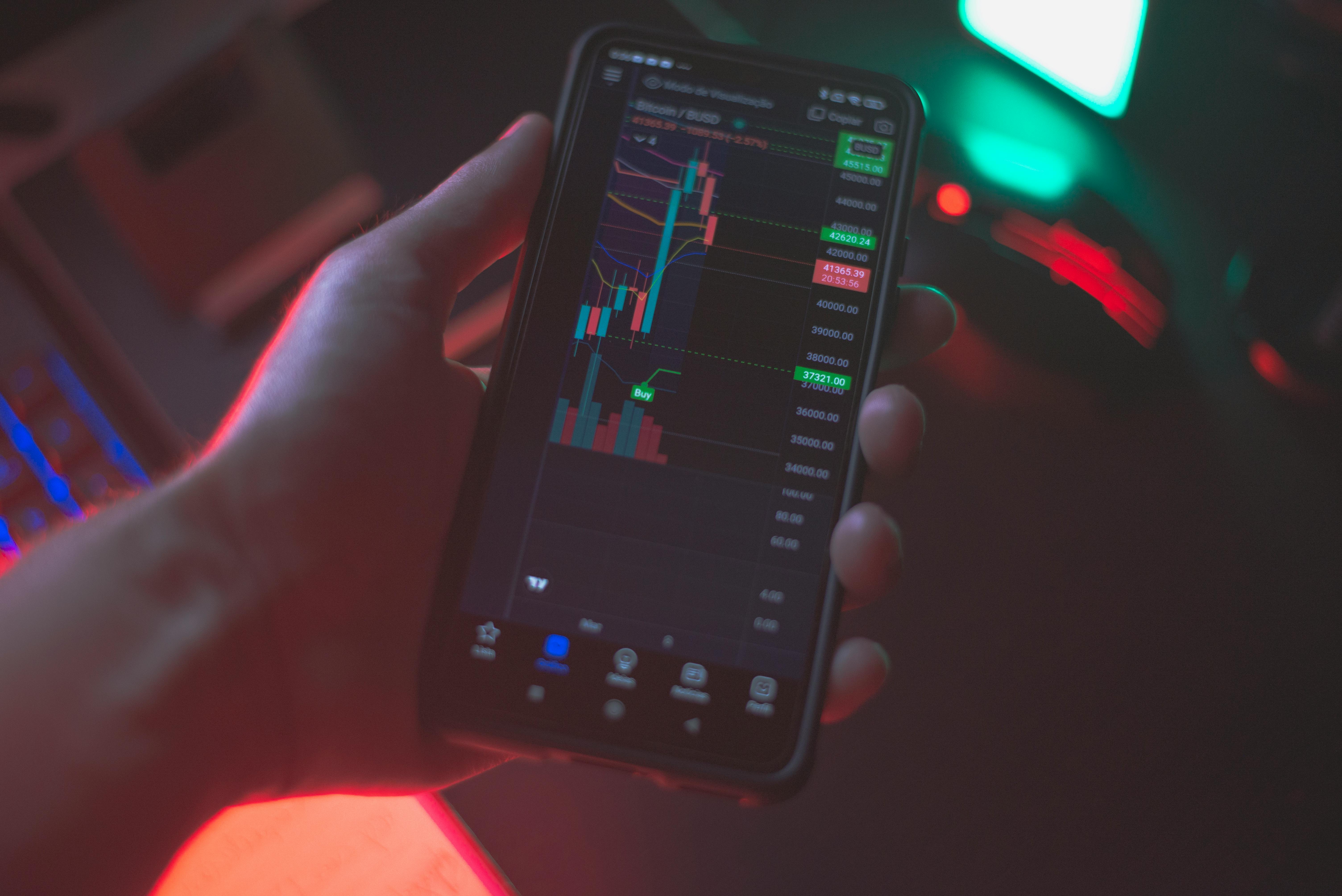
If there is one thing that every Kenyan is going to do before getting involved in anything new, it's doing their research. There is nothing more important than this for Kenyans as they like to ensure that every 't' is crossed and every 'i' is dotted. They're rigorous when it comes to research and this is a good thing because it means that they're more set up overall. Now, if there is one market that Kenyans research over and over again, it's the online trading platforms that are available to them. It's not just about the interesting interfaces that they see but more tangible things like the fees, regulations and execution of the sites. Keen to understand more? Great, it's time to dive in.
When it comes to online trading platforms, you need to be aware of the fact that there are many different ones out there. But just because you see variety does not mean that they're all the same quality. That's why drawing a comparison is so key. If you're unsure about how to do this, you have come to the right place because you're about to learn all there is to know on this topic.
Looking Beyond The Hype And Into The Fees
When traders are looking for the best trading platform in kenyain 2026, they're paying close attention to spreads, commissions and hidden charges. Spreads, which are the difference between the buy and sell price, directly affect how much you pay to enter and exit a trade, which is why they're so critical. Even small differences matter over time and that's why every last detail is important.
Some platforms advertise zero-commission trading. That sounds attractive at first glance. However, you need to check whether they compensate by widening spreads. Others charge a fixed commission per trade but offer tighter spreads. Comparing the total cost per transaction gives you a more realistic picture of what you're getting yourself into. You should also look for non-trading fees. These can include withdrawal fees, inactivity charges and currency conversion costs. If your account is funded in Kenyan shillings but trades are placed in US dollars, conversion fees may apply.
Regulation And Trust Matter More Than Ever
Kenyan traders are more aware of the risks of using unlicensed platforms. Stories of frozen accounts and sudden shutdowns have made people cautious and that's a good thing. You should avoid unregulated sites like the plague, as these are only bad news.
A good when comparing brokers is that you should check whether they are regulated by recognized financial authorities. Regulation does not eliminate risk but it provides a framework of oversight. Licensed brokers are typically required to follow rules regarding client fund segregation and transparency. Some traders also look at whether the platform has any local presence or partnerships within Kenya. While many brokers operate internationally, clear contact details and accessible customer support increase confidence.
Execution Speed And Reliability Are Key
Execution refers to how quickly and accurately your trade is processed. In volatile markets, even a small delay can change the price at which your order is filled. This year, Kenyan traders are more educated about slippage and order types. They understand that fast execution can be especially important for short-term strategies like scalping or day trading. If a platform frequently executes trades at prices far from what was requested, that can create frustration and losses.
Server stability is another key factor. During major global events or economic announcements, trading activity spikes. A reliable platform should handle high traffic without freezing or crashing. You may want to test execution through a demo account before committing real funds. This gives you a sense of how the platform behaves under normal conditions. While demo environments may not perfectly mirror live markets, they provide useful insight.
Comparing Platform Features And Tools
Beyond fees and regulation, features influence daily experience. In 2026, Kenyan traders expect more than basic charts.
When evaluating features, consider:
- The range of tradable assets such as forex, stocks, commodities and indices
- The quality and customization of charting tools
- Availability of risk management options like stop loss and take profit
- Mobile app performance compared to desktop platforms
- Access to educational materials and webinars
The right feature set depends on your trading style.
Funding And Withdrawal Flexibility
Payment methods play a big role in Kenya’s trading environment. Mobile money systems are widely used, so platforms that integrate with local paymentoptions often gain an advantage. You should check how long withdrawals take and whether there are minimum limits. A platform that processes deposits instantly but delays withdrawals can create unnecessary stress. Transparency about processing times builds trust. If the broker clearly states that withdrawals take one to three business days and consistently meets that expectation, confidence grows. Currency support also matters. If your income and expenses are in Kenyan shillings, understanding how exchange rates affect deposits and withdrawals is essential.
Making A Balanced Decision
The best tradingplatform is not the same for everyone. It is the one that aligns with your strategy, risk tolerance and long-term plan. By carefully examining fees, regulation and execution, you place yourself in a stronger position to trade confidently and responsibly in an increasingly competitive digital market, which is ideal. Just keep your wits about you when you participate.

Liam Jones
Author
Liam Jones has made it his mission to prove that adventure doesn’t need a hefty budget. Having traveled to over 40 countries, he specializes in finding affordable ways to experience the world, from the best street food in Bangkok to hidden gems in Lisbon.
Liam’s travel tips have reached thousands of readers, empowering them to see the world on a shoestring budget without sacrificing quality. With a deep passion for local cultures, he continues to share his travel hacks, ensuring adventure remains accessible to all.

Michael Rachal
Reviewer
Michael Rachal believes that luxury lies in the details. With over 20 years of experience in the luxury travel industry, he has crafted hundreds of bespoke itineraries for clients seeking personalized, unforgettable experiences.
Whether guiding clients through private cultural tours or curating culinary journeys with world-renowned chefs, Michael ensures that each trip is tailored to perfection.
His ability to anticipate needs and exceed expectations has earned him a reputation as a leading expert in luxury travel.
Latest Articles
Popular Articles