Holland’s Country Reputation - What Makes It Stand Out Globally
Uncover the secrets behind Holland’s reputation and how it impacts global diplomacy, economy, and sustainability. Read expert insights"
Author:Maya ReyesReviewer:Finn WildeDec 15, 20242.8K Shares314.5K Views
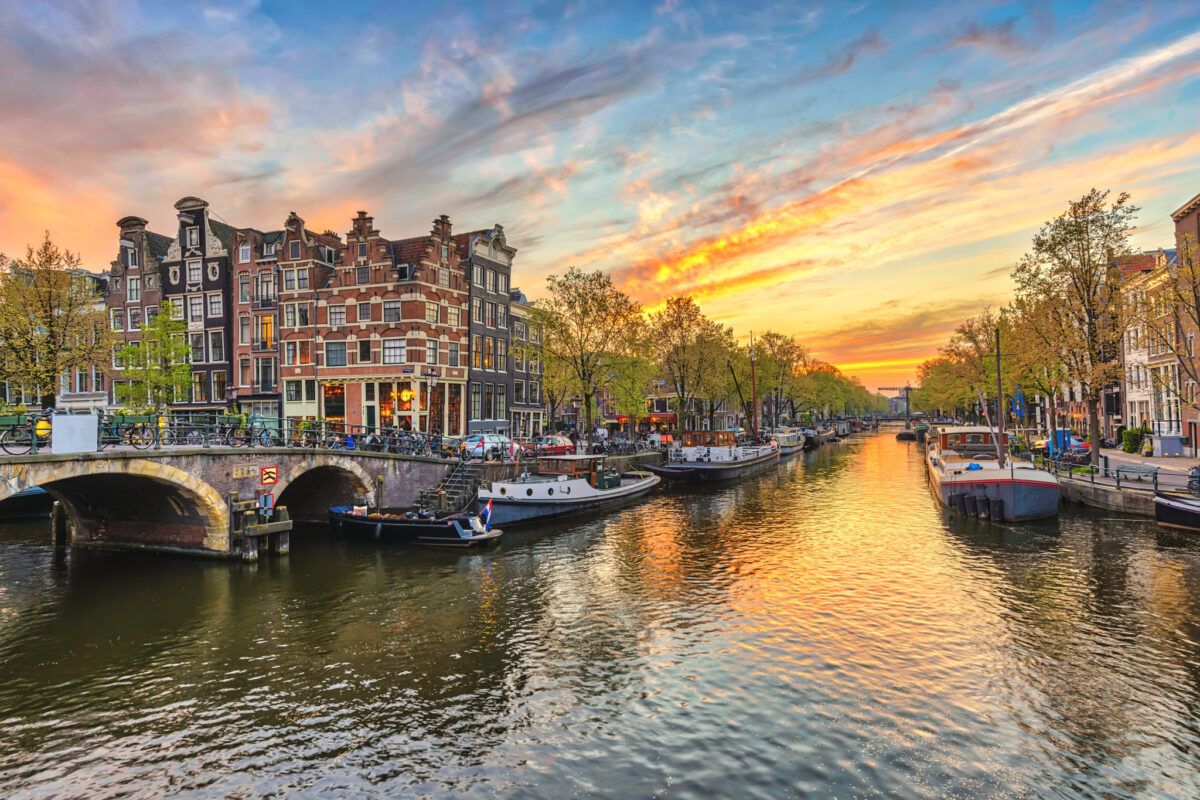
Holland, often synonymous with the Netherlands, is a small yet highly influential country that punches well above its weight on the global stage. From its iconic windmills and canals to its pivotal role in shaping modern commerce, politics, and sustainability, Holland has built a reputation that is as dynamic as its landscape.
Situated in the heart of Europe, the Netherlands is known for its flat terrain, innovative water management systems, and a culture deeply embedded in tolerance and liberal values. It is also an important destination for foreign investors who come here to open different types of companiesand benefit from the local opportunities.
But how does the world perceive Holland today? Is it just a country of tulips and canals, or is there more to its global standing?
1. Holland’s Global Reputation: An Overview
A History Of Innovation And Expansion
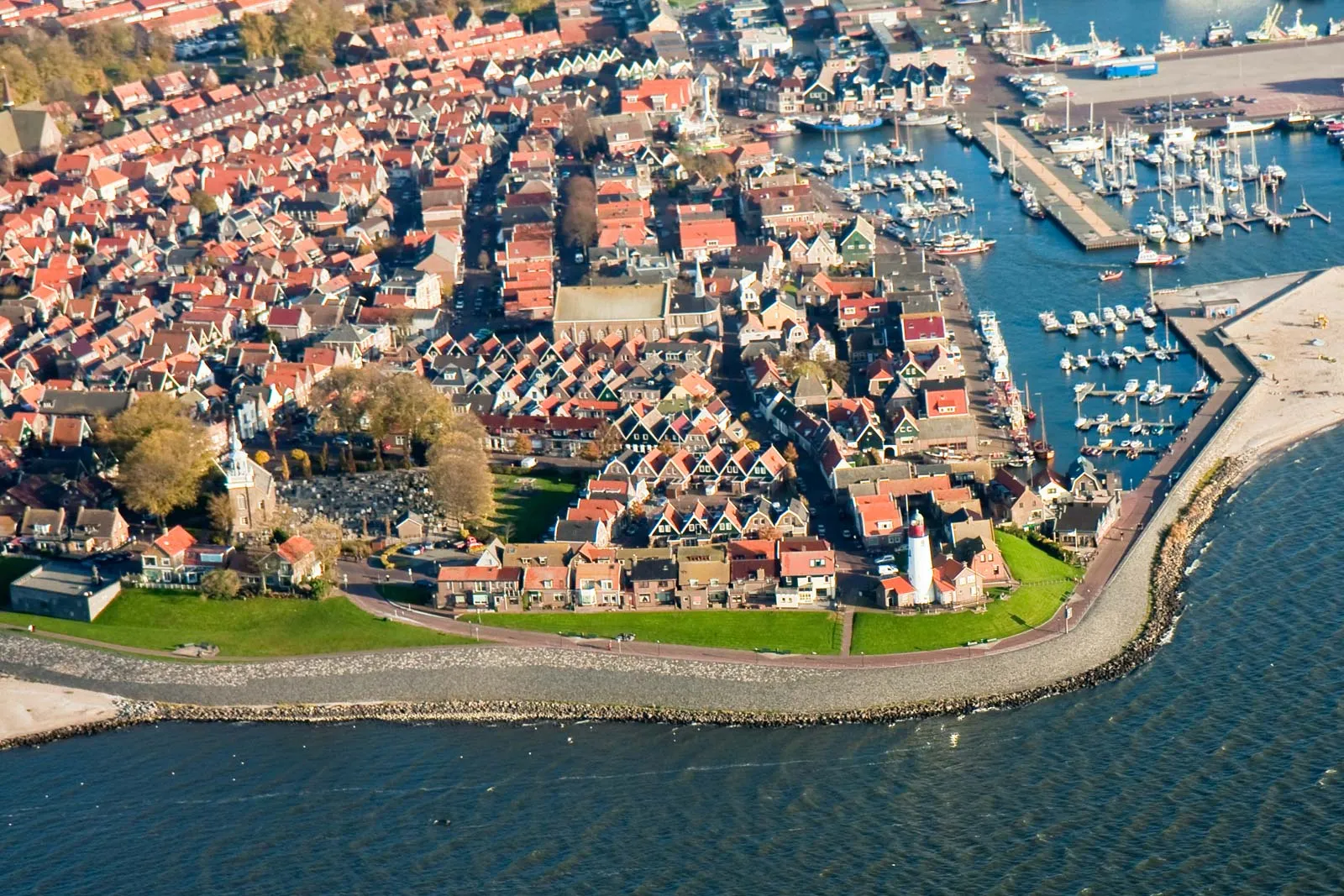
Holland's reputation today is built on a long history of trade, innovation, and cultural exchange. Dating back to the 12th century, Holland began as a small fief under the Holy Roman Empire.
Its early leaders, such as Dirk III, expanded the region through a series of territorial gains, eventually uniting parts of modern-day Noord-Holland and Zuid-Holland. By the 17th century, Holland had become the center of the Dutch Republic, which rose to prominence as a global maritime and trade powerhouse.
During the Dutch Golden Age, Amsterdam became the financial hub of Europe, and the Dutch East India Company expanded Dutch influence in Asia. The legacy of this period shaped a modern identity that balances both historical pride and contemporary challenges.
With global trade routes, a rich artistic tradition, and innovations in science and engineering, the Netherlands has been an important player in shaping the world.
2. Modern-Day Holland: A Leader In Innovation And Diplomacy
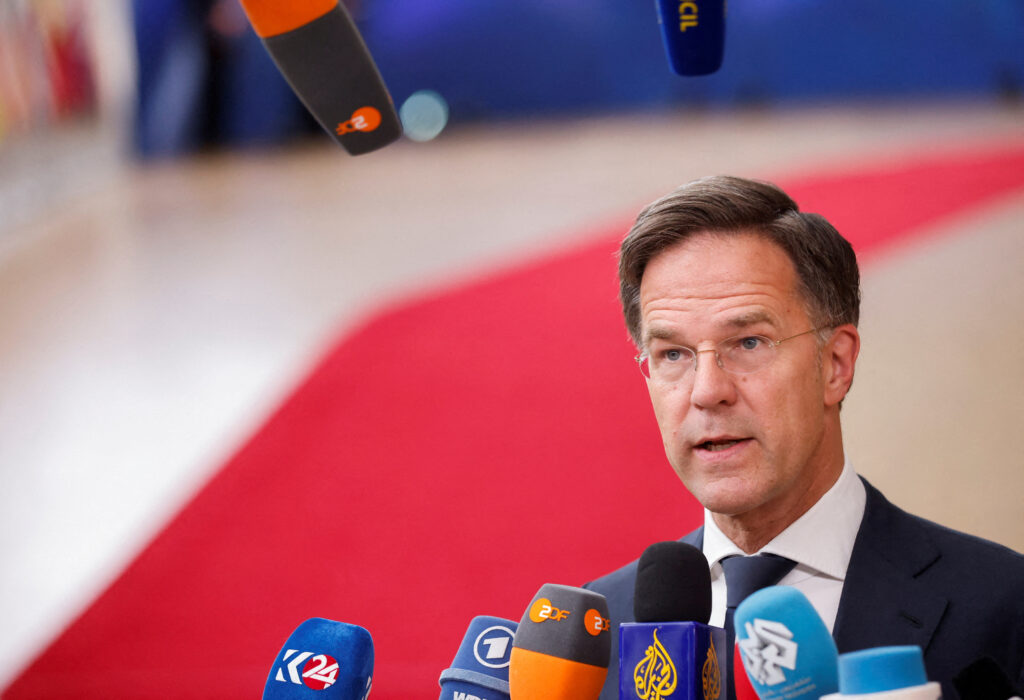
Today, the Netherlands is recognized globally for its economic prowess, political stability, and environmental sustainability. Ranking 9th in the Country RepTrak® Survey 2015, it stands out as one of the most reputable countries in the world. Rotterdam, Europe’s largest port, and Amsterdam, a financial and tech hub, continue to solidify the Netherlands as a key player in global commerce.
Holland’s reputation is also defined by its political stability and commitment to international diplomacy. The Hague, as the home of the International Court of Justice, symbolizes the Netherlands' commitment to global peace and human rights.
Furthermore, the Netherlands is consistently ranked high in global indices for transparency, democratic governance, and quality of life.
However, the country’s reputation is not without its complexities. Immigration issues, coupled with the legacy of colonialism, continue to spark debates that test its image as a tolerant society. These challenges, though significant, have become part of the ongoing conversation about Holland’s future.
3. Positive Aspects Of Holland’s Reputation
Economic Power And Global Influence
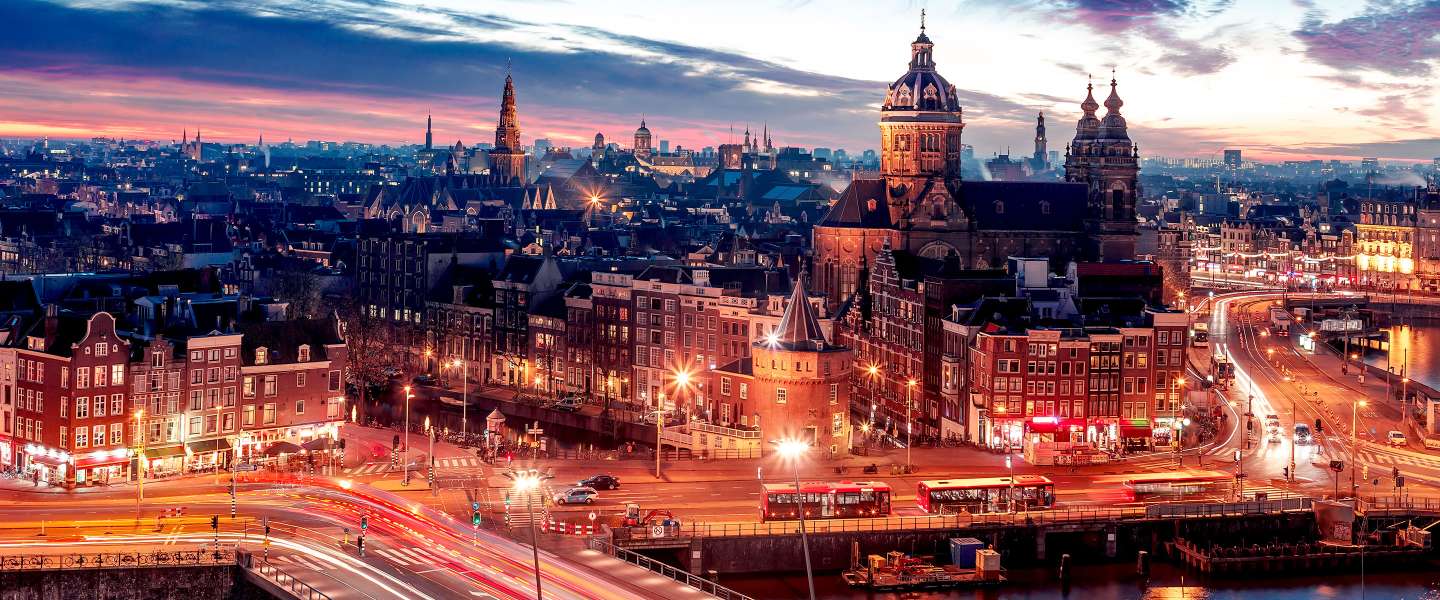
Holland’s economic strength is one of its most prominent positive attributes. The Netherlands is the 17th largest economy globally, with a GDP exceeding $900 billion. Despite its small geographical size, the country maintains an outsized impact on international trade, largely due to Rotterdam, which is one of the busiest ports in the world.
As a vital transit hub between Europe and the rest of the world, Rotterdam serves as the gateway for many global businesses.
Amsterdam has emerged as a global financial center, with companies like Philips, Unilever, and Shell contributing to its economic prominence. The Dutch economy is highly diversified, with key sectors such as technology, agriculture, pharmaceuticals, and logistics.
Key Sectors Driving The Dutch Economy:
- International Trade and Logistics: Rotterdam Port, Amsterdam Stock Exchange
- Multinational Corporations: Philips, Unilever, Shell
- Agriculture: The Netherlands is the second-largest exporter of agricultural products globally.
- Technology: Dutch companies, such as ASML, are leading innovations in microelectronicsand semiconductors.
This diverse economic landscape allows the Netherlands to remain a key player in global commerce, providing a solid foundation for its global reputation.
4. Political Stability And Global Reputation
Holland’s political stability is a crucial factor in its strong global reputation. The Netherlands consistently ranks high on indices measuring political stability, transparency, and governance.
In the Country RepTrak® Survey 2015, it ranks 7th globally for political stability, thanks to its strong democratic system and long-standing commitment to human rights.
The Dutch political system is characterized by a high degree of transparency, accountability, and citizen participation. Holland’s multi-party system and commitment to dialogue across political factions have allowed it to maintain a relatively stable government despite the challenges posed by globalization and immigration.
Furthermore, the Netherlands’ role as a neutral mediator in global diplomacy has strengthened its political influence worldwide.
Factors Contributing To Political Stability:
- Strong democratic institutions and governance.
- Transparency in government processes and low corruption levels.
- Commitment to international peacekeeping and diplomacy.
Holland’s political stability is also reflected in its global peacekeeping role, with the Netherlands regularly contributing to NATO missions and humanitarian efforts worldwide.
5. Sustainability And Environmental Leadership
The Netherlands is a pioneer in sustainability and environmental leadership, setting a global standard for how to balance human activity with environmental stewardship. From its innovative water management systems to its commitment to green energy, the Netherlands has earned its reputation as a leader in sustainability.
The country is famous for its polders land reclaimed from the sea and its sophisticated network of dikes and canals that protect the land from flooding. Additionally, the Netherlands is a leading producer of wind energy and is investing heavily in solar power to transition to a carbon-neutral economy.
Key Environmental Achievements:
- Delta Works: A network of dams and sluices protecting Holland from sea level rise.
- Wind energy: The Netherlands is one of the largest producers of wind energy in Europe.
- Green Cities: Amsterdam and Rotterdam lead the way in sustainable urban planning, including green building standards, public transport, and cycling infrastructure.
These initiatives not only protect the country from the impacts of climate change but also serve as a global model for other nations facing similar environmental challenges.
6. Controversial Aspects And Criticisms Of Holland’s Reputation
Immigration And Integration Challenges
Despite its progressive reputation, the Netherlands has faced significant challenges in managing immigration and integrating newcomers. Over the past few decades, the country has seen a growing influx of immigrants, particularly from non-EU countries such as Turkey, Morocco, and Syria.
The country’s immigration policies have been debated extensively, with some critics arguing that the Netherlands has struggled to effectively integrate immigrant communities into Dutch society.
These challenges have led to the rise of right-wing populism and anti-immigrant sentiment, with political parties like Geert Wilders' PVV gaining popularity in recent years. Integration policies have become a point of contention, particularly around issues such as language acquisition, employment opportunities, and cultural assimilation.
Key Challenges In Immigrant Integration:
- Employment and social mobility for immigrants.
- Cultural assimilation, particularly with Muslim populations.
- The rise of nationalist and anti-immigrant sentiments.
While the Netherlands has made strides in creating policies for integration (such as language and cultural integration tests), many believe more needs to be done to create a truly inclusive society.
7. Colonial Past And Its Lingering Effects
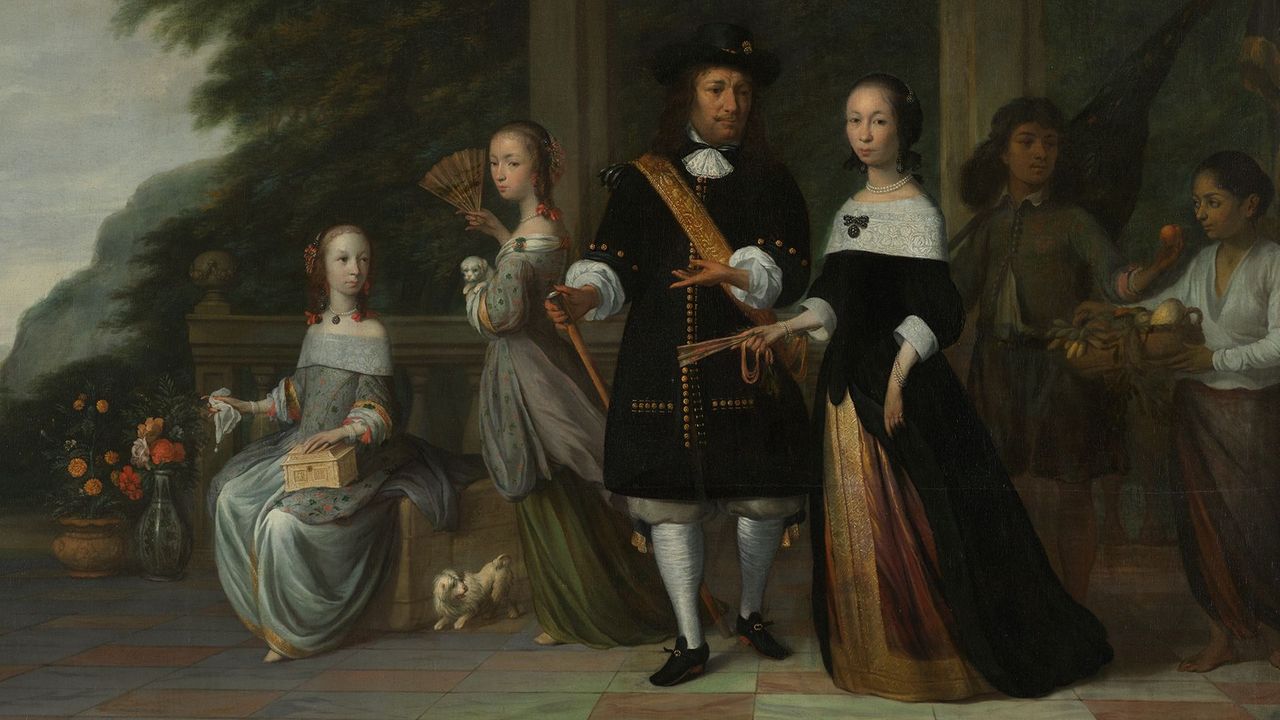
Holland’s colonial past continues to affect its global reputation. The Netherlands was once a major colonial power, controlling territories in Indonesia, the Caribbean, and Suriname. This colonial legacy has been a source of both pride and shame in the Netherlands, as the country grapples with the repercussions of colonial exploitation and slavery.
The most significant issue remains the historical relationship between the Netherlands and its former colonies, particularly Indonesia, where the Dutch committed atrocities during the struggle for independence. In recent years, there have been growing calls for the Netherlands to address its colonial past, with debates about reparations and public apologiesgaining traction.
Key Issues Arising From Holland’s Colonial Past:
- Impact on Indonesia, Suriname, and the Caribbean.
- Slavery and colonial exploitation.
- Ongoing debates over reparations and historical reconciliation.
While apologies and reconciliation efforts have been made, many believe the Netherlands has not yet fully come to terms with its colonial past.
8. The Netherlands’ Role In Global Diplomacy And Innovation
Political And Diplomatic Influence
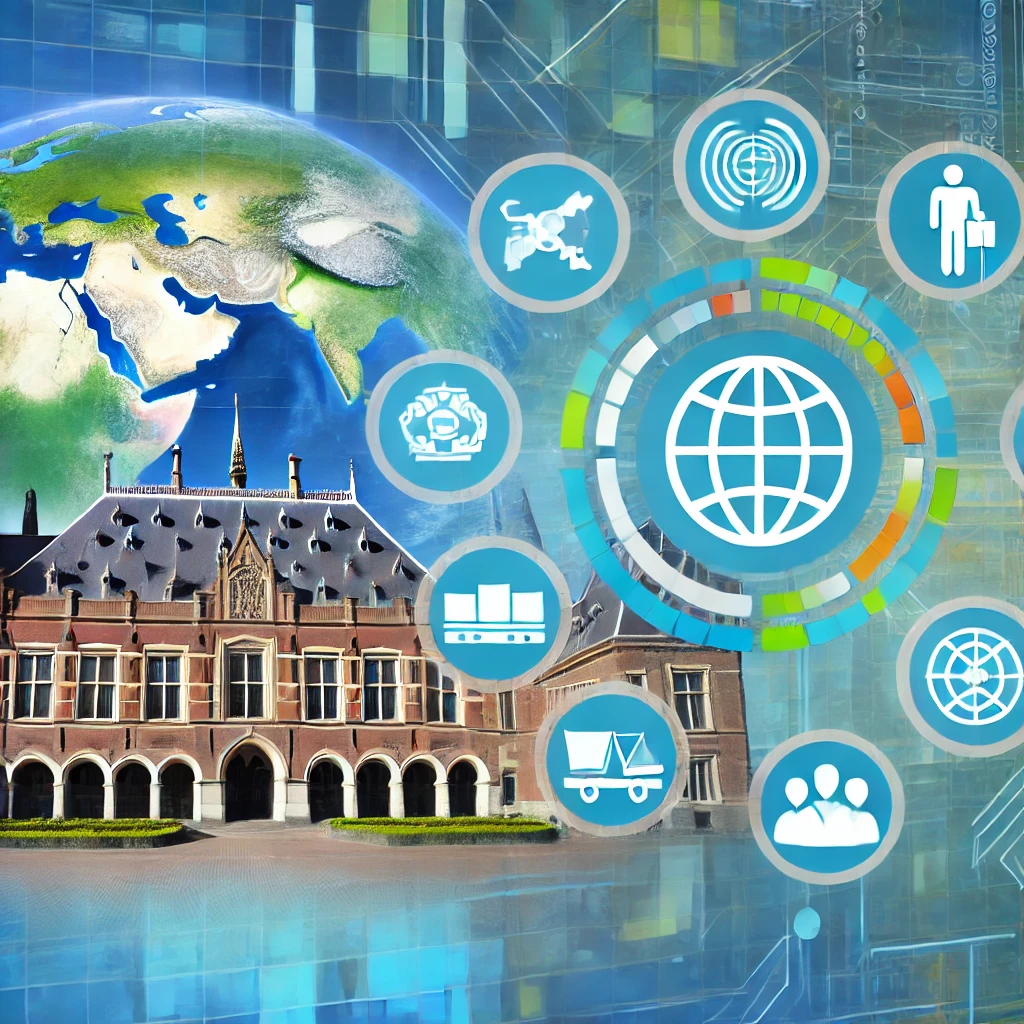
The Netherlands plays a central role in global diplomacy, particularly through its hosting of the International Court of Justice in The Hague. Holland’s commitment to multilateral diplomacy has helped solidify its position as a neutral player in global affairs. The Netherlands has also played a significant role in shaping EU policy and fostering economic cooperation within Europe.
Dutch Diplomacy In Action:
- The Netherlands has consistently acted as a mediator in global peace negotiations, including the Iran Nuclear Deal and Israel-Palestine talks.
- As a founding member of NATO, the Netherlands has been a staunch advocate for international security.
9. Innovation And Technology
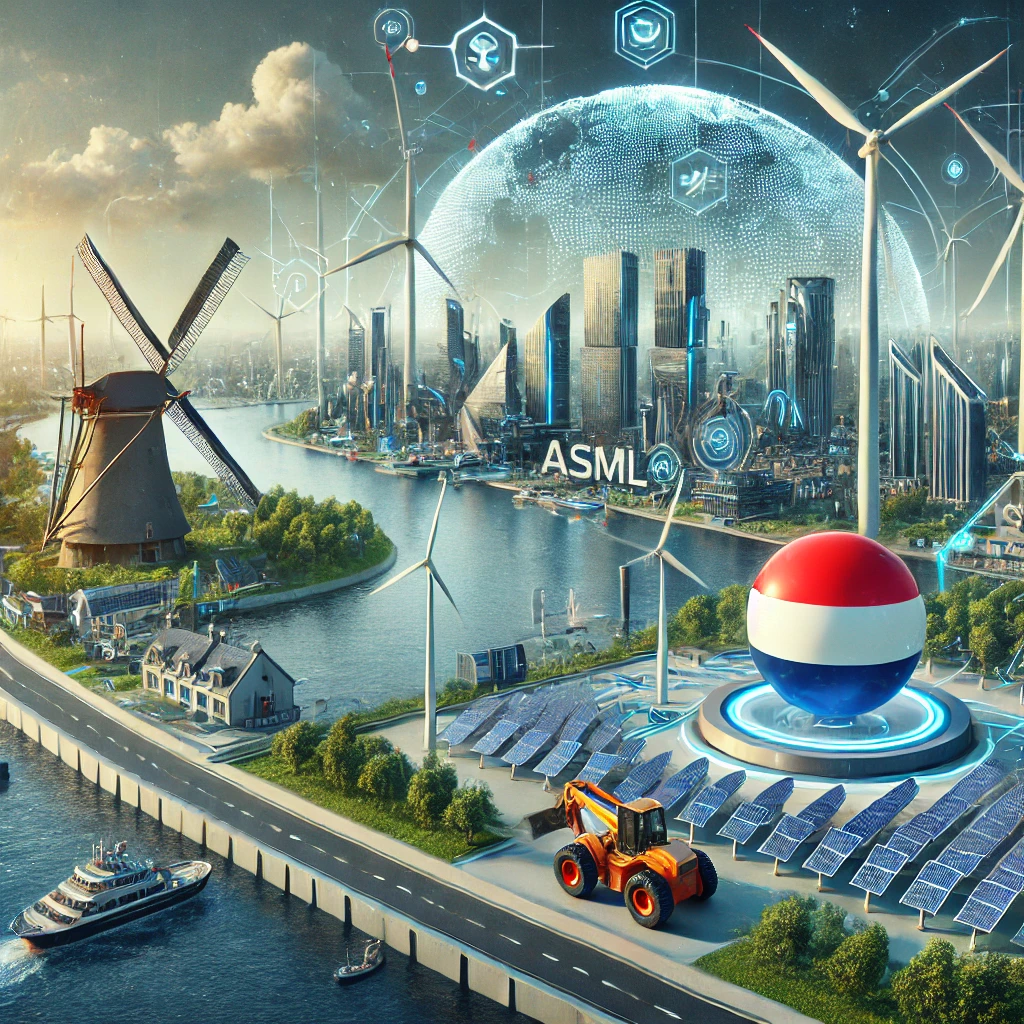
Holland is also renowned for its technological innovations, particularly in sectors like microelectronics, agriculture, and renewable energy. Companies like ASML, which produces the most advanced semiconductor lithography machines in the world, have made the Netherlands a hub for tech innovation.
The country is also leading in green technologies, including wind turbines and solar power solutions, and is pushing the envelope in sustainable agriculture, using technology to increase efficiency while reducing environmental impact.
Dutch Innovation And Global Influence:
- ASML: Leading the world in semiconductor technology.
- Agricultural Technology: The Netherlands is a pioneer in greenhouse farming and high-tech agricultural solutions.
FAQs About Holland’s Country Reputation
What Makes Holland’s Reputation Stand Out Globally?
Holland’s reputation is built on its economic success, political stability, and commitment to sustainability. The country’s innovative water management systems, green energy initiatives, and liberal social policies continue to draw international admiration.
How Does The Netherlands Handle Its Colonial Past?
The Netherlands has taken steps toward addressing its colonial legacy, including public apologies and discussions about reparations. However, many argue that more needs to be done to fully reckon with the past and address the impacts on contemporary society.
What Are The Main Immigration Challenges Holland Faces?
Holland has struggled with immigration integration, particularly among Muslim and non-EU immigrant communities. Issues like employment opportunities, social mobility, and cultural assimilation have been key points of contention.
Conclusion
Holland’s reputation is a fascinating blend of historical achievement and modern challenges. As one of the world’s most respected nations, it continues to be a leader in global diplomacy, economic power, and sustainability. However, the country’s colonial past and immigration issues remain complex challenges that influence its global image.
As the Netherlands moves forward, it will need to navigate these issues while continuing to promote its innovative spirit and progressive values. Whether it can reconcile its historical injustices while maintaining its leadership in green technologies and global diplomacy will define its future reputation.
Jump to
1. Holland’s Global Reputation: An Overview
2. Modern-Day Holland: A Leader In Innovation And Diplomacy
3. Positive Aspects Of Holland’s Reputation
4. Political Stability And Global Reputation
5. Sustainability And Environmental Leadership
6. Controversial Aspects And Criticisms Of Holland’s Reputation
7. Colonial Past And Its Lingering Effects
8. The Netherlands’ Role In Global Diplomacy And Innovation
9. Innovation And Technology
FAQs About Holland’s Country Reputation
Conclusion

Maya Reyes
Author
Maya Reyes’s wanderlust was sparked in the temples of Luang Prabang, where the scent of lemongrass and the chants of monks revealed the transformative power of travel.
Since then, her journey has been defined by cultural immersion and authentic connections. From learning batik in Indonesia to sharing meals with nomadic families in Mongolia, Maya seeks experiences that highlight the human stories behind each destination.
Travel for her is a way to weave her narrative into the world’s cultural tapestry, creating bridges across diverse ways of life. Maya has traveled to 15 countries and shares her insights through writing and storytelling.

Finn Wilde
Reviewer
For Finn Wilde, the wilderness is more than just a destination - it’s a way of life. Over the past decade, he has led multiple expeditions in some of the world’s most remote regions, from the icy fjords of Greenland to the rugged trails of Patagonia.
Finn emphasizes sustainability in all of his adventures, helping participants connect with nature while promoting responsible exploration. His expeditions inspire individuals to explore the great outdoors while fostering a deep respect for the environment.
Latest Articles
Popular Articles