Top 10 Historical Tours Of Egypt | New Discoveries
Once you've seen the pyramids in person, you realize no photo can ever do them justice. Historical tours of Egypt help you experience these wonders up close. There’s no rush, no crowd control, just pure, unfiltered history.
Author:Finn WildeReviewer:Maya ReyesJul 28, 202552K Shares789.3K Views
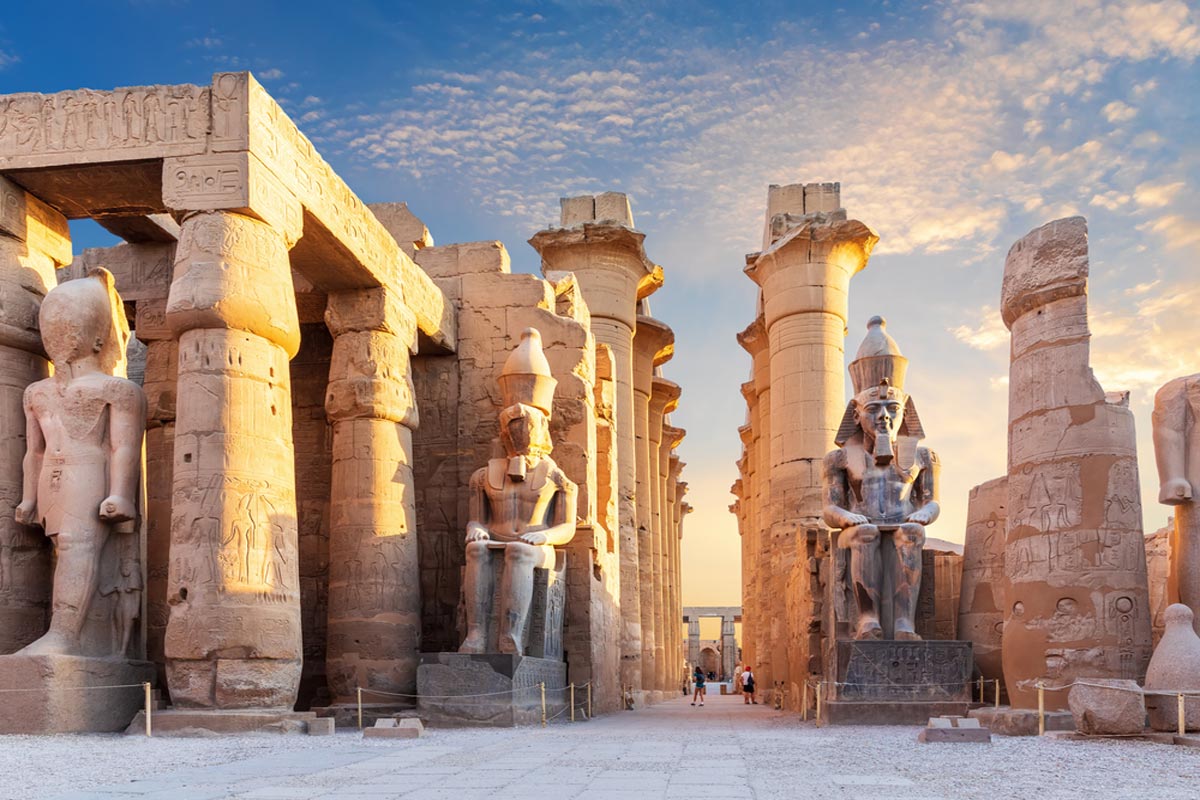
Egypt has always had a way of pulling people in, not just with its golden sands and mysterious air, but with stories that stretch back thousands of years. It’s a place where legends were written before most of the world even knew how to read.
Egypt promises more than just a trip, it offers a time machine. And the best part? You don’t have to be Indiana Jones to enjoy it. With the right tour, every step becomes a story, and every corner hides a secret. So pack your curiosity, leave the clichés behind, and get ready to see history come alive.
In 2025, new discoveries near Luxor are still uncovering secrets from the past, making it a great time to visit. This list shows ten top historical sites, each playing a key role in Egypt’s rich heritage. You can go on a guided tour or have a look on your own, these places will fill you with wonder and help you learn more about ancient times.
1. Pyramids Of Giza And The Great Sphinx
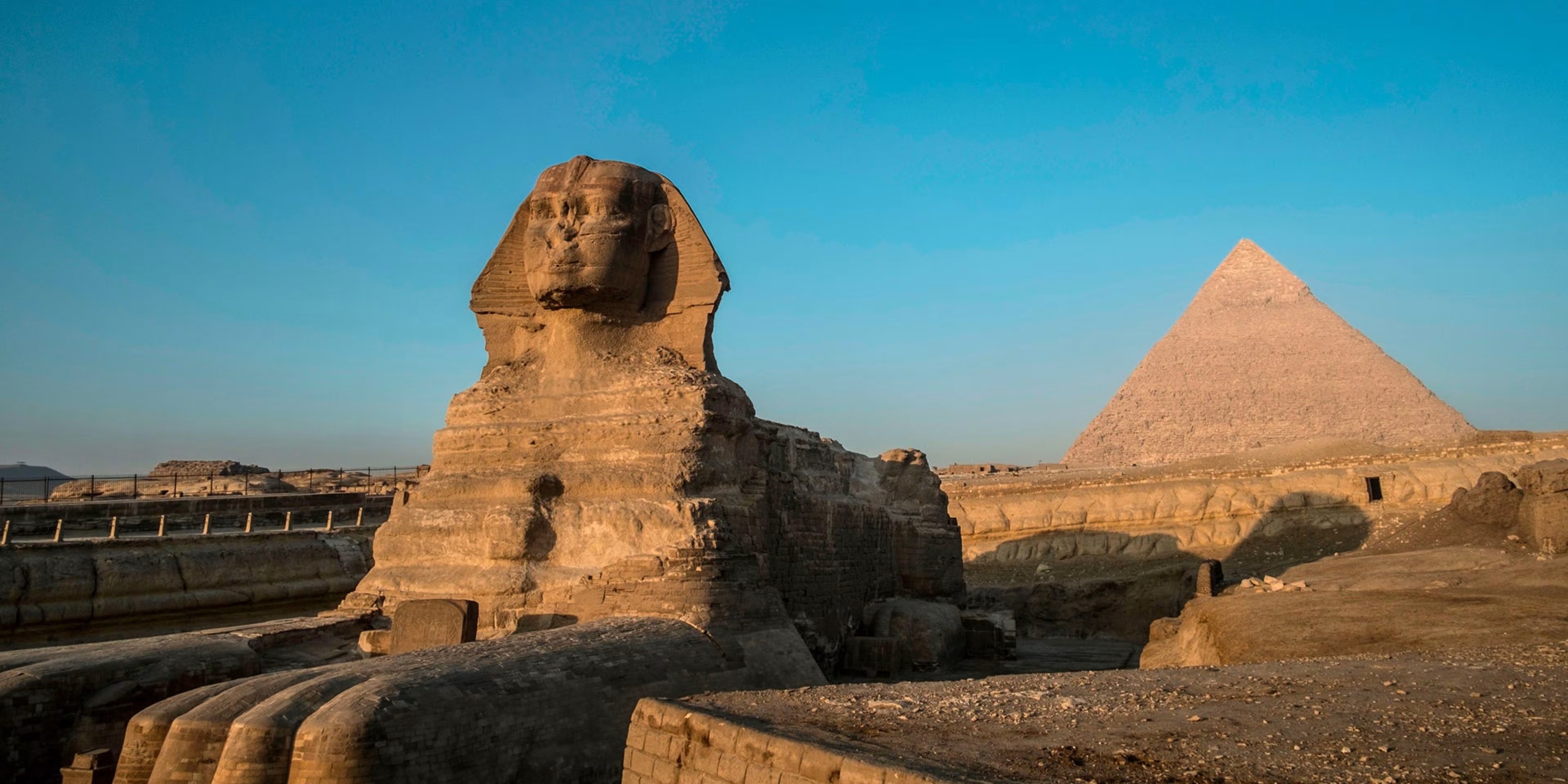
The Pyramids of Giza are the most famous landmarks in Egypt. Built around 2560 BC they were tombs for three pharaohs Khufu Khafre and Menkaure. The largest is the Great Pyramid of Khufu which stands 146.6 meters tall. Made from more than 2 million stone blocks it’s a masterpiece of ancient engineering. Experts believe skilled workers not slaves built the pyramids.
Nearby the Great Sphinx has the body of a lion and the head of a pharaoh probably Khafre and stands watch over the site. Visitors can go inside some pyramids though access is limited. The Solar Boat Museum nearby displays a reconstructed boat used in ancient burial ceremonies.
New discoveries like ancient workers’ villages have helped experts learn more about how these workers lived and what they ate. Some special tours like those by Archaeological Paths offer unique experiences such as standing close to the Sphinx.
To enjoy the site comfortably visit early in the day to avoid crowds and heat. Don’t miss the evening Sound and Light Show it brings the pyramids to life in a magical way. The Pyramids of Giza are at the heart of Egypt’s rich history and should not be missed.
2. Egyptian Museum, Cairo
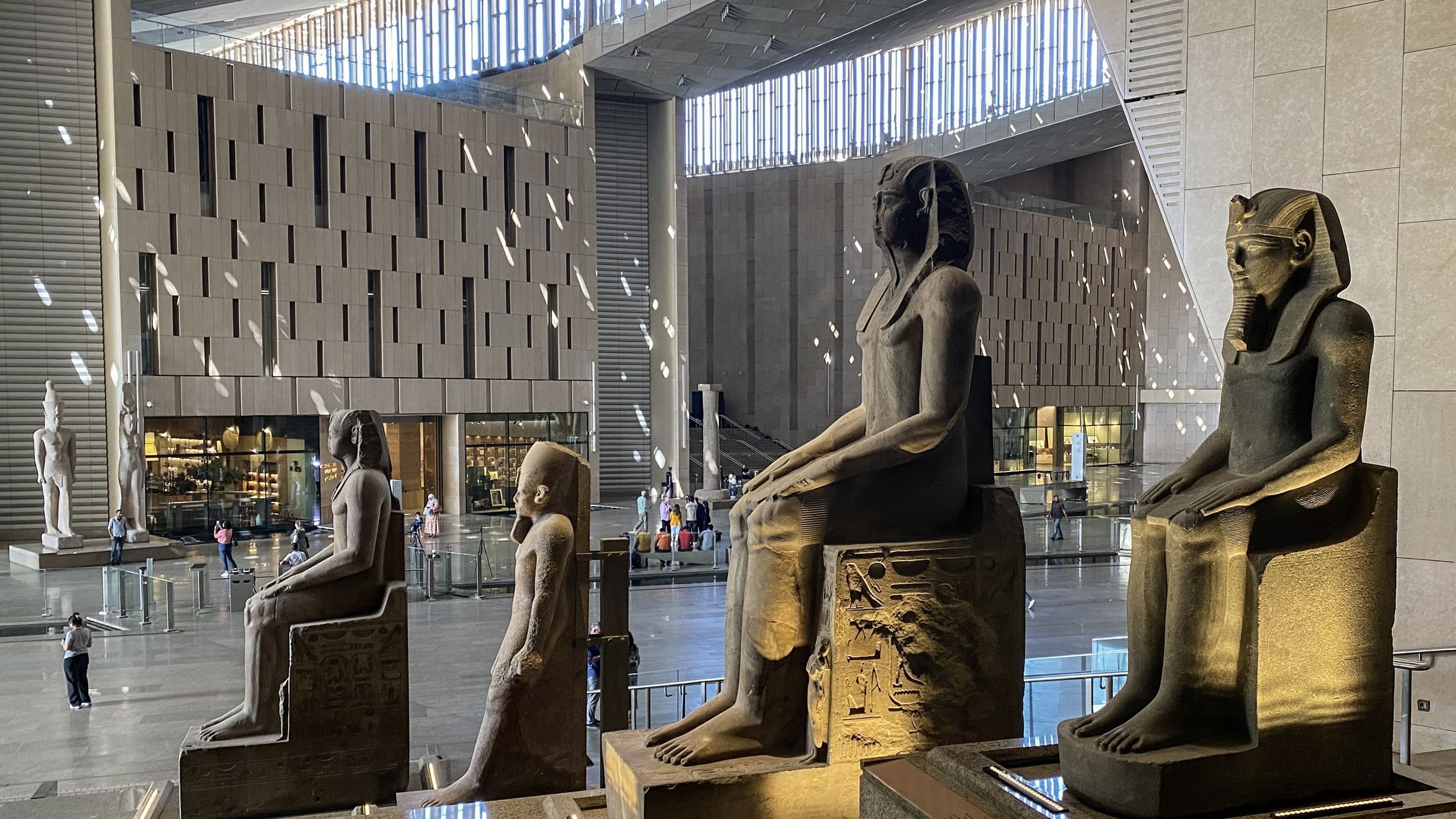
The Egyptian Museum in Cairo is full of ancient treasures with over 120,000 items from Egypt’s long history. Its most famous exhibit is the collection of Tutankhamun including his golden mask and coffin which were found in 1922.
The museum also shows mummies of pharaohs like Ramses II as well as statues jewelry and old papyrus documents that show what life was like long ago. Open since 1902 the museum covers everything from very early times to the Greco-Roman period.
Many of the items are being moved to the new Grand Egyptian Museum but the Cairo museum is still a top place to visit. Guided tours can help you understand the exhibits better and take you through the large collection. The upper floors have smaller objects like charms while the ground floor has big statues.
Plan to spend at least half a day there. Be sure to check if any items have been moved before you go. This museum gives you a real look into ancient Egyptian culture.
3. Luxor Temple
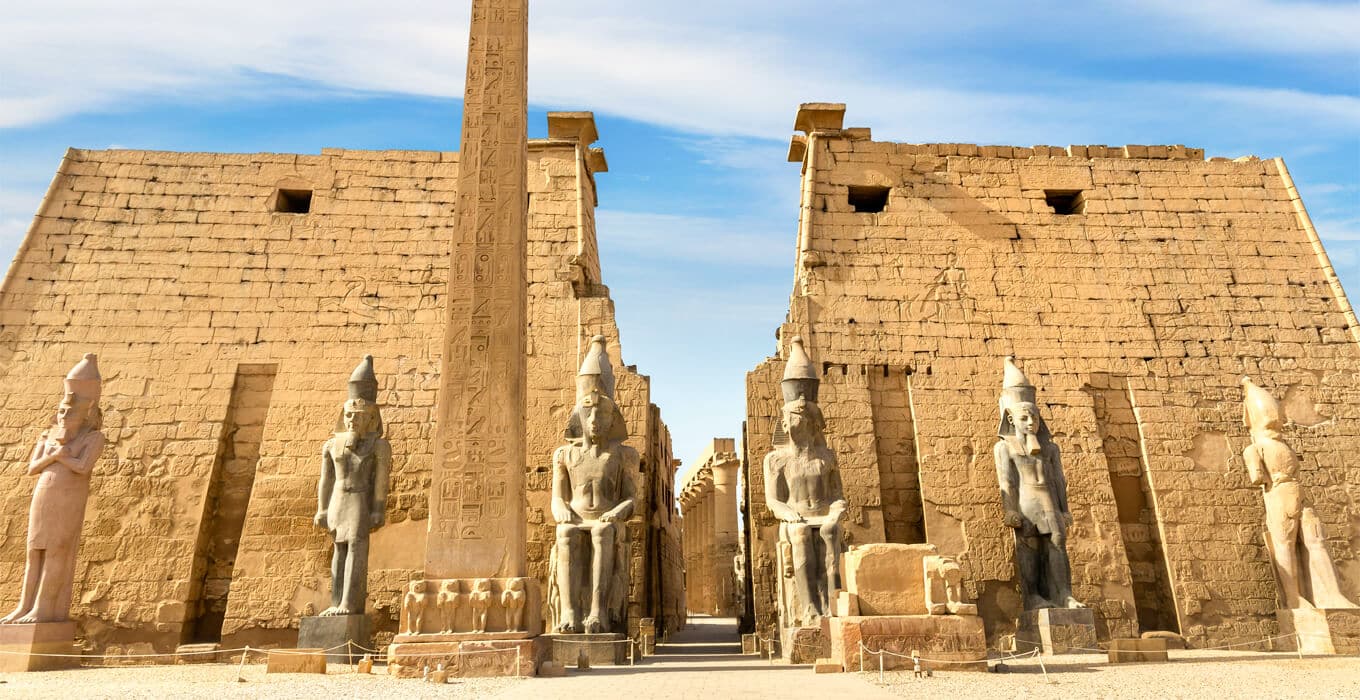
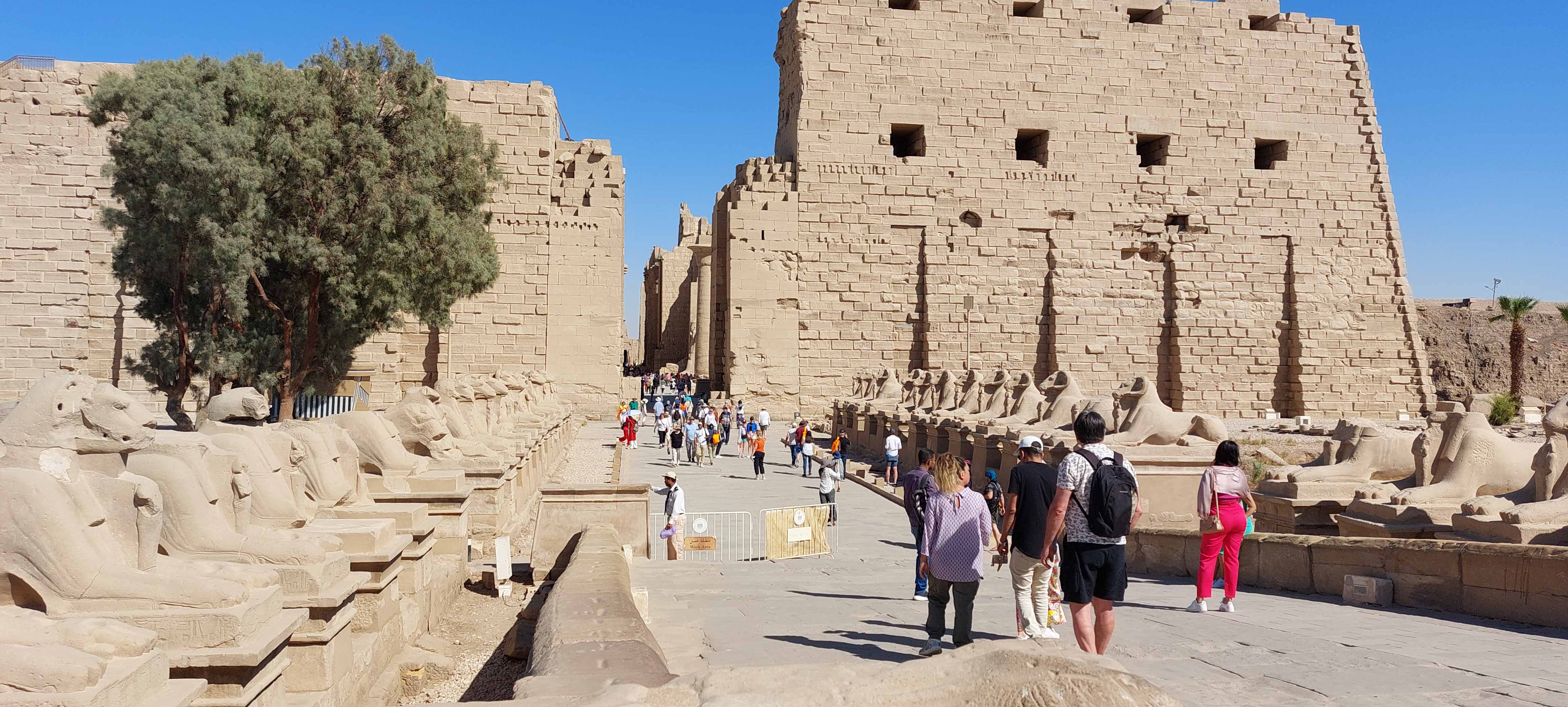
Luxor Temple is a beautiful ancient site on the east bank of the Nile. Built around 1400 BC during the New Kingdom, it was dedicated to the god Amun. The temple has large entrance walls and huge statues of Ramses II which make a strong first impression. It was once connected to Karnak Temple by the Avenue of Sphinxes, a path used in ancient festivals.
Inside, detailed carvings show religious rituals and give us a look into the spiritual life of ancient Egypt. The temple looks especially impressive when lit up at night so many visitors enjoy seeing it after dark.Go in the evening when it’s cooler and less crowded.
The sound and light show adds interesting background about the temple’s history. Dress modestly out of respect for the cultural importance of the site. Luxor Temple is often part of Nile cruise tours including those by companies like Smithsonian Journeys. It’s a powerful example of Egypt’s ancient religious and architectural achievements.
4. Karnak Temple Complex
Karnak Temple Complex in Luxor is one of the biggest religious sites ever built, covering more than 200 acres. It was dedicated to the god Amun-Ra and expanded over hundreds of years by pharaohs like Hatshepsut and Ramses II. The most famous part is the Great Hypostyle Hallwhich has 134 huge columns covered in ancient carvings.
The site also includes smaller temples tall obelisks and sacred lakes that were used in religious ceremonies. Karnak was once linked to Luxor Temple by the Avenue of Sphinxes showing how important it was in ancient times.
Plan to spend 2-3 hours exploring. Hiring a guide will help you understand the history better. Visiting early in the morning helps you avoid the heat and crowds. Karnak’s size and amazing details make it a top destination often included in tours by companies like Ancient World Tours. This grand temple shows how deeply Egyptians honored their gods. Preservation work continues to protect this incredible site for future generations.
5. Valley Of The Kings
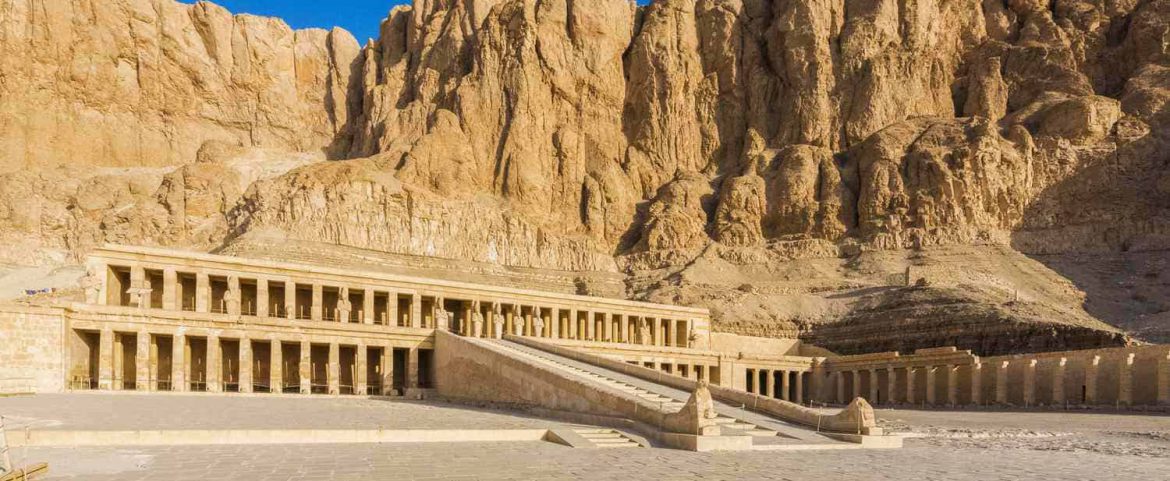
The Valley of the Kings near Luxor’s west bank was where pharaohs of the New Kingdom (1550–1070 BC) were buried. More than 60 tombs have been found here including the famous tomb of Tutankhamun. These tombs are filled with colorful paintings and carvings that show beliefs about the afterlife.
Tutankhamun’s tomb was found completely intact in 1922 but his treasures are now kept in museums. New discoveries are still being made as archaeologists keep exploring the area.
When you buy a ticket you can visit several tombs but check which ones are open since some may be closed for repairs. It’s best to visit early to avoid crowds and wear good shoes because the ground is rough. Many tours also include a stop at the Valley of the Queens.
This site gives a deep look into how ancient Egyptians thought about life and death. It’s a key part of any trip focused on Egypt’s history.
6. Valley Of The Queens
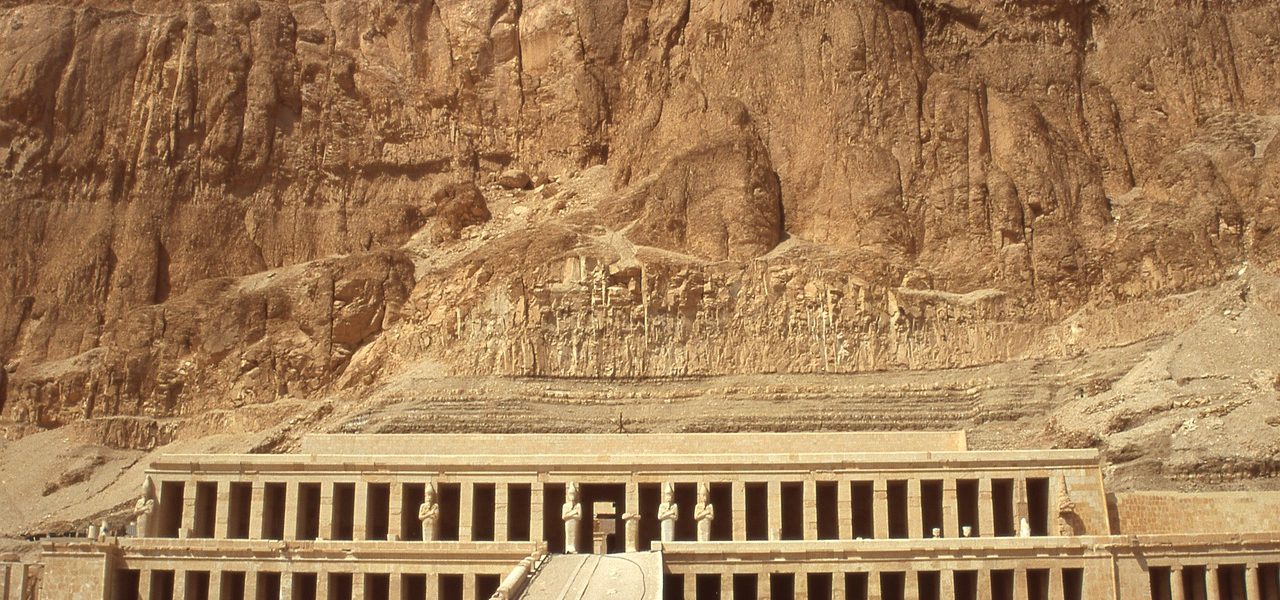
The Valley of the Queens is located near the Valley of the Kings and was the burial place for royal women and children. The most famous tomb is that of Nefertari, the wife of Ramses II, known for its beautiful wall paintings which are some of the best in Egypt. Other tombs, such as those of Queen Titi and Prince Khaemweset, also show amazing detail and art.
Although smaller than the Valley of the Kings, this site is just as important for learning about royal families of ancient Egypt. Its quiet atmosphere adds to its charm.
You can visit both valleys in one day. This site has fewer visitors, making it great for taking photos. Be sure to check which tombs are open since some may be closed for protection.
The Valley of the Queens gives a special look into the lives of royal women, often not as well known as the pharaohs. It’s a must-see for anyone interested in history.
Check Out: Food And Wine Tours In Napa Valley
7. Abu Simbel Temples
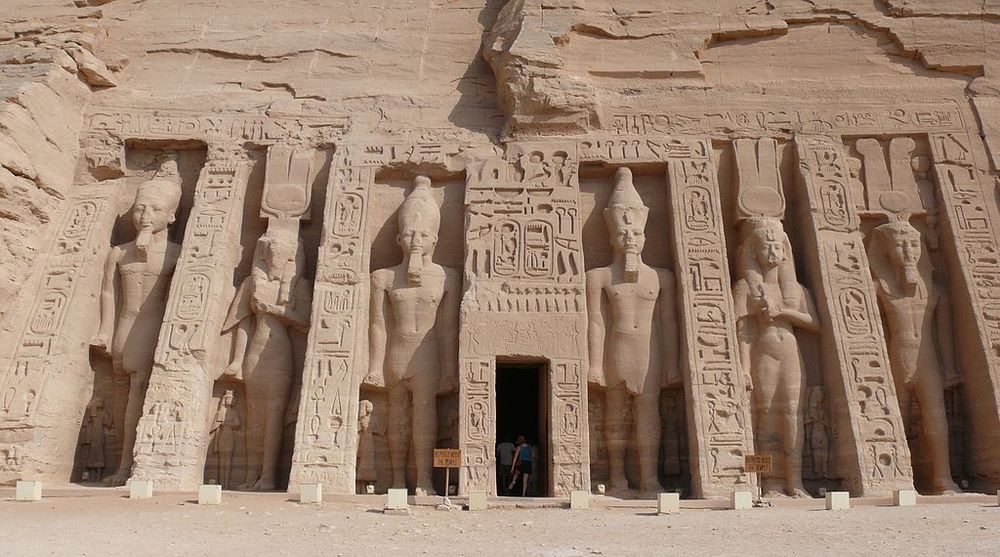
Abu Simbel is a famous site near Egypt’s border with Sudan. It has two temples carved into a mountain by Ramses II in the 13th century BC. The larger temple has four huge statues of Ramses and was built to show strength to the Nubian people. The smaller temple honors Queen Nefertari and the goddess Hathor, which is rare for ancient Egyptian art to show such respect for a queen.
These temples were moved in the 1960s to prevent them from being flooded by Lake Nasser. Today, they are listed as a UNESCO World Heritage Site. Every year, sunlight reaches deep inside the temples twice, lighting up the statues within creating an amazing natural event.
Plan your transport early because it’s far from Aswan. Going early in the morning or later in the evening gives the best light. The sound and light show there is also very popular. Abu Simbel is often part of guided tours like those on TourRadar. Seeing these massive temples is an unforgettable experience.
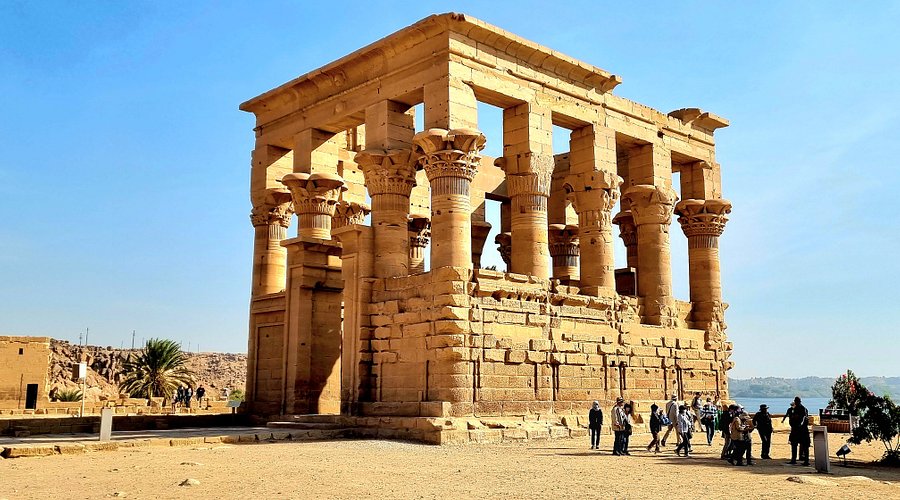
8. Philae Temple
Philae Temple is located on an island in Aswan’s Nile Reservoir and is dedicated to Isis, the goddess of magic. Built during the Ptolemaic and Roman periods, it has beautiful carvings and well-preserved architecture.
The temple was moved to Agilkia Island in the 1970s to save it from flooding but still keeps its magical feel. Its location on an island makes it special, and you can reach it by boat.
Food tour in Italymay offer a different kind of cultural exploration, but the journey to Philae Temple provides a unique glimpse into ancient history. To visit, take a short boat ride from Aswan.
Go early or late in the day when it’s cooler. Nearby Nubian villages give you a chance to learn about local culture. Philae Temple is often included in Nile cruise tours like those by Osiris Tours. Its beauty leaves a lasting impression. The temple shows how deeply spiritual ancient Egypt was.
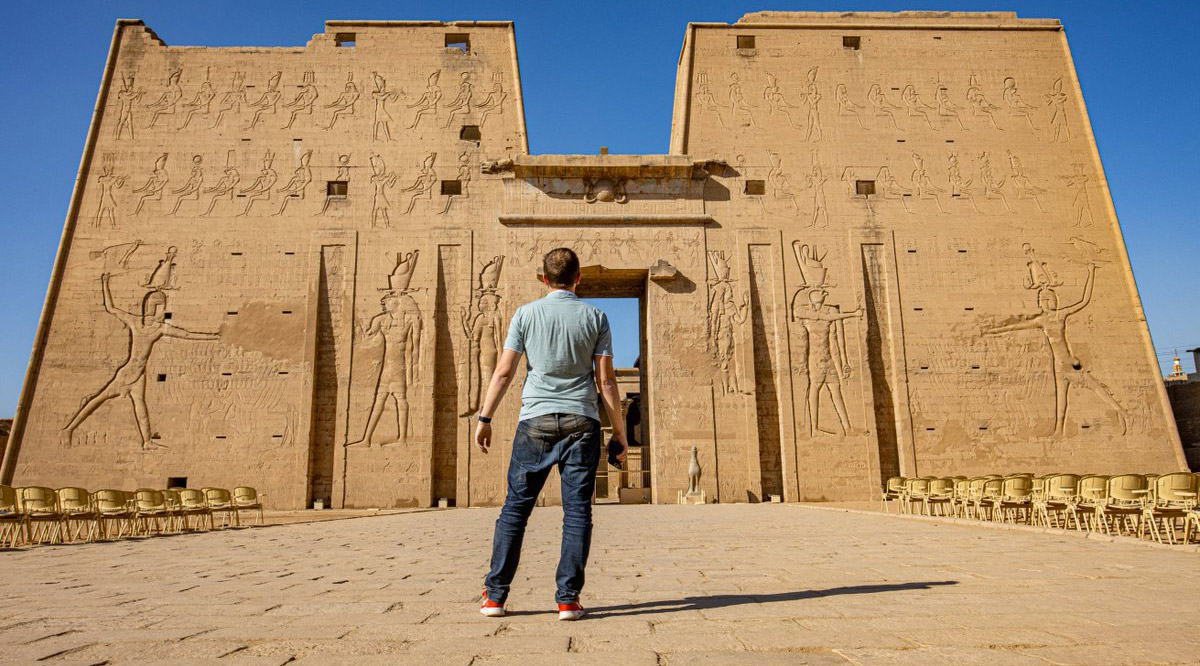
9. Edfu Temple
Edfu Temple is dedicated to Horus, the falcon-headed god. It is one of the best-preserved temples in Egypt and was built during the Ptolemaic period from 237 to 57 BC. The temple has large entrance walls and big columns with detailed carvings that tell the story of Horus defeating Seth. This site was also used for a yearly festival celebrating good over evil.
Because it is in such good condition, the temple gives a clear look into how ancient Egyptians worshipped their gods. The rooftop offers great views of the Nile Valley.
To enjoy your visit, arrive early to avoid crowds and hire a guide to better understand what you’re seeing. Edfu Temple is often included on Nile cruises like those by Egypt Tours Portal. Wear comfortable shoes since there’s a lot to explore. Its beautiful carvings and deep history make it a favorite for anyone who loves ancient culture. It shows how powerful myths were in Egyptian life.
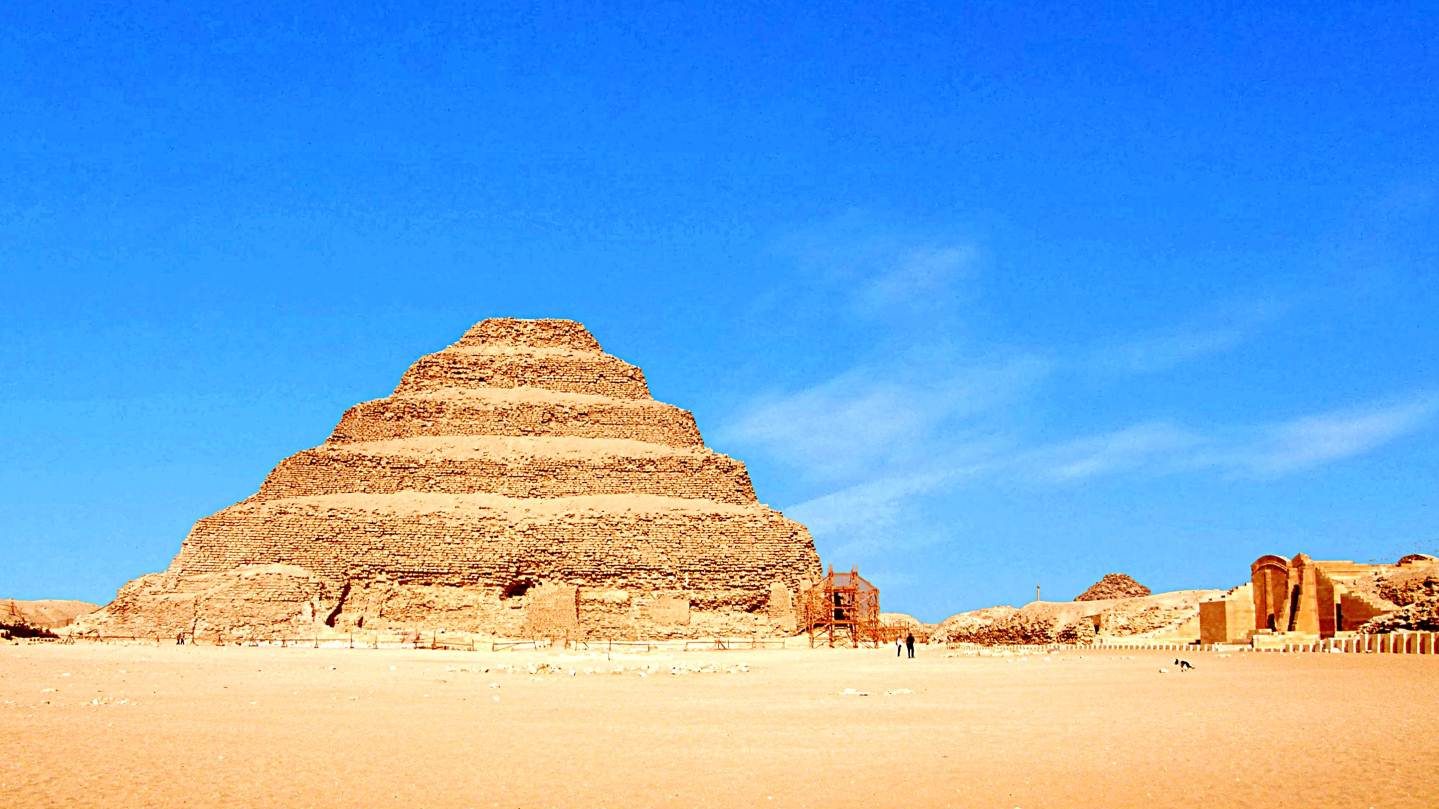
10. Saqqara And The Step Pyramid
Saqqara is located near Cairo and is famous for the Step Pyramid of Djoser, Egypt’s first major stone building. Built around 2650 BC by the architect Imhotep, it was a turning point in history and changing how tombs were built from simple mastabas to true pyramids. The site also has many other tombs and pyramids from different periods. New discoveries are still being made there through ongoing digs.
To plan your visit, combine Saqqara with nearby Memphis for a full day trip. Wear strong shoes because the ground can be rough. Many tours include Saqqara such as those by Jakada Tours. Be sure to spend time exploring some of the less famous tombs too. Saqqara is essential for understanding how Egyptian architecture developed over time.
Egypt's UNESCO World Heritage Sites
Egypt is home to several UNESCO World Heritage Sites that are key to understanding its rich ancient and cultural history. These sites are recognized worldwide for their importance and include:
- Memphis and its Necropolis (The Pyramid Fields from Giza to Dahshur) - This site includes the famous Pyramids of Giza, the Great Sphinx, and other pyramids stretching to Dahshur. It shows the height of ancient Egyptian architecture during the Old Kingdom and highlights their advanced engineering and burial traditions.
- Ancient Thebes with its Necropolis - Located in Luxor, this area includes Karnak Temple, Luxor Temple, and the Valley of the Kings. These places reflect the power and religious beliefs of the New Kingdom era and are some of the most impressive remains of ancient Egypt.
- Nubian Monuments from Abu Simbel to Philae - This group includes temples like Abu Simbel and Philae. They show Egypt’s connection to the Nubian region and were saved through international efforts when Lake Nasser threatened to flood them.
- Historic Cairo - This site protects important Islamic and Christian landmarks, such as the Citadel, Al-Azhar Mosque, and old churches in Coptic Cairo. It gives a look into Egypt’s medieval past and its mix of religious cultures.
- Saint Catherine Area - Found at the base of Mount Sinai, this site includes Saint Catherine’s Monastery, one of the oldest Christian monasteries still in use. Its remote location and long history make it a special place for religious travelers and historians alike.
Luxury And VIP Historical Tours In Egypt
For travelers looking for a more premium experience, luxury and VIP historical tours offer special access and top-level comfort. These tours include:
- Private Site Visits - See famous sites like the Pyramids of Giza or Luxor Temple during after-hours times when crowds are gone. Some tours even allow entry into restricted areas such as the inner chambers of the Great Pyramid.
- Expert Guidance - Be guided by well-known Egyptologists like Dr. Zahi Hawass who share deep knowledge and interesting stories about ancient Egypt that you won’t hear on regular tours.
- Luxurious Accommodations - Stay in top-rated five-star hotels or on deluxe Nile cruise ships, making your trip not only educational but also very comfortable and stylish.
- Customized Itineraries - Choose a tour that matches your interests. It could be ancient art, architecture, or religious history. This lets you see Egypt in a way that suits you best.
Cultural And Adventure Add-Ons
Beyond ancient ruins and historical sites, many tours in Egypt also offer cultural and adventure activities that add excitement and local flavor to your trip. Some popular options include:
- Desert Safaris - Head into the Sahara for camel rides, dune bashing, or a night under the stars at a Bedouin-style camp. Enjoy traditional music, dance, and storytelling while experiencing desert life.
- Nile Cruises - Take a relaxing boat trip along the Nile, traveling between historic sites like Edfu and Kom Ombo. Many tours, such as those by Osiris Tours, include these scenic cruises as part of their packages.
- Local Village Visits - Get a glimpse into everyday life in rural Egypt by visiting small villages near Aswan or Luxor. Learn about local crafts, farming, and traditions passed down through generations.
- Red Sea Adventures - For water lovers, snorkeling in the colorful coral reefs of the Red Sea or unwinding on the beaches of Hurghada or Sharm El Sheikh are great options. These activities are often included in tours by companies like Black History Studies.
Recent Archaeological Discoveries
Egypt’s ongoing excavations keep uncovering exciting new discoveries, making historical tours even more fascinating. Some recent finds include:
- Avenue of Sphinxes in Luxor - Restored in 2021, this 2.7 km path connects Luxor Temple and Karnak Temple. Visitors can now walk along this ancient ceremonial route that was once used for major religious processions.
- Golden City near Luxor - Found in 2021, this well-preserved city dates back to the reign of Pharaoh Amenhotep III during the New Kingdom. It gives a rare look into daily life in ancient Egypt and may soon be open for public visits.
- Saqqara Tombs - New tombs continue to be found in Saqqara, including one belonging to a priest, decorated with colorful wall paintings. These discoveries help us learn more about life and burial customs during the Old Kingdom.
FAQs About Historical Tours Of Egypt
What Is The Best Time To Visit Egypt For Historical Tours?
The best time to visit Egypt is from October to April, when the weather is cooler and more comfortable, with temperatures usually between 20–25°C.
How Do I Choose The Right Historical Tour For Me?
Think about your budget, interests, and how you like to travel. If you love history and want to learn a lot, choose an archaeology-focused tour.
Are Historical Tours In Egypt Safe?
Egypt is usually safe for tourists, especially when you travel with trusted tour companies. Before your trip, check official travel updates and follow local rules.
What Should I Pack For A Historical Tour In Egypt?
Bring light and breathable clothes, comfortable walking shoes, a hat, sunglasses, and sunscreen. A light jacket is handy for cooler evenings, especially during Nile cruises.
Can I Combine Historical Tours With Other Types Of Travel?
Many tours in Egypt mix history with relaxation, like adding beach time in Hurghada. Tour companies offer packages that combine exploring ancient sites with leisure activities.
Are There Family-friendly Historical Tours In Egypt?
There are family-friendly tours in Egypt designed with children in mind. These often include fun, interactive museum visits, camel rides, and other engaging activities.
Final Thoughts
Egypt’s historical sites are like doors into an ancient world that helped shape human history. Each location shows the brilliance and deep beliefs of one of the world’s greatest civilizations.
New discoveries keep bringing fresh excitement to historical tours. Plus, there are many ways to see and from luxury tours with expert guidance to cultural experiences and adventure add-ons like Nile cruises or desert safaris. Plan your trip based on what interests you most. It could be archaeology, stunning architecture, or diving into local culture.
Don't Miss: Best Photography Tours Of Southeast Asia
Jump to
1. Pyramids Of Giza And The Great Sphinx
2. Egyptian Museum, Cairo
3. Luxor Temple
4. Karnak Temple Complex
5. Valley Of The Kings
6. Valley Of The Queens
7. Abu Simbel Temples
8. Philae Temple
9. Edfu Temple
10. Saqqara And The Step Pyramid
Egypt's UNESCO World Heritage Sites
Luxury And VIP Historical Tours In Egypt
Cultural And Adventure Add-Ons
Recent Archaeological Discoveries
FAQs About Historical Tours Of Egypt
Final Thoughts

Finn Wilde
Author
For Finn Wilde, the wilderness is more than just a destination - it’s a way of life. Over the past decade, he has led multiple expeditions in some of the world’s most remote regions, from the icy fjords of Greenland to the rugged trails of Patagonia.
Finn emphasizes sustainability in all of his adventures, helping participants connect with nature while promoting responsible exploration. His expeditions inspire individuals to explore the great outdoors while fostering a deep respect for the environment.

Maya Reyes
Reviewer
Maya Reyes’s wanderlust was sparked in the temples of Luang Prabang, where the scent of lemongrass and the chants of monks revealed the transformative power of travel.
Since then, her journey has been defined by cultural immersion and authentic connections. From learning batik in Indonesia to sharing meals with nomadic families in Mongolia, Maya seeks experiences that highlight the human stories behind each destination.
Travel for her is a way to weave her narrative into the world’s cultural tapestry, creating bridges across diverse ways of life. Maya has traveled to 15 countries and shares her insights through writing and storytelling.
Latest Articles
Popular Articles