Greek Drinks - Exploring The Diversity Of Drinks In Greece
Greece, known for its rich history, stunning landscapes, and vibrant culture, offers a captivating array of beverages that reflect its unique culinary heritage and Mediterranean climate. From traditional favorites like ouzo and Greek coffee to modern cocktails infused with local flavors, the Greek drink scene is as diverse as the country itself, inviting visitors to embark on a sensory journey through its tantalizing tastes and aromas. Let's explore the world of Greek drinks.
Author:Michael RachalReviewer:Finn WildeFeb 28, 202437.2K Shares745.7K Views
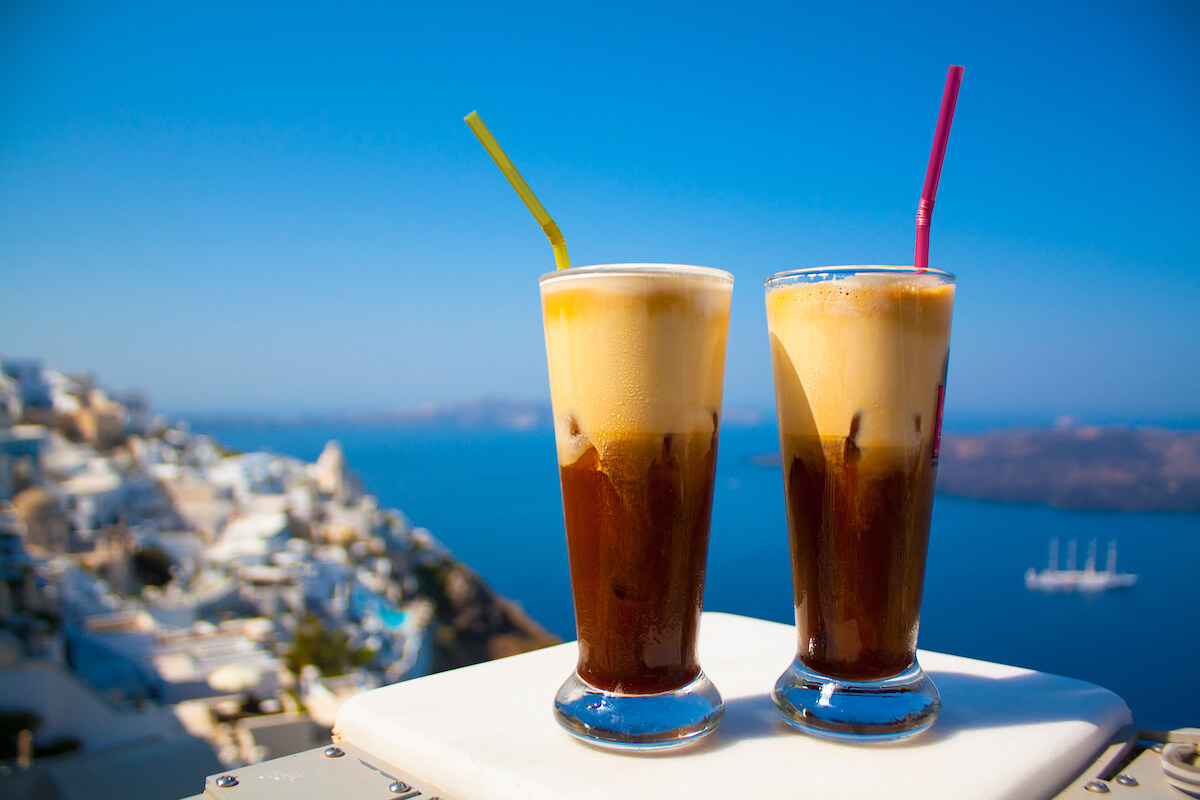
Greece, known for its rich history, stunning landscapes, and vibrant culture, offers a captivating array of beverages that reflect its unique culinary heritage and Mediterranean climate. From traditional favorites like ouzo and Greek coffee to modern cocktails infused with local flavors, the Greek drink scene is as diverse as the country itself, inviting visitors to embark on a sensory journey through its tantalizing tastes and aromas. Let's explore the world of Greek drinks.
Ouzo - An Iconic Greek Spirit
No exploration of Greek drinks would be complete without mentioning ouzo. This iconic Greek spirit, often referred to as the "national drink," is deeply ingrained in the country's cultural fabric. Distilled from grape pomace and flavored with anise, ouzo has a distinct licorice flavor and is typically enjoyed as an aperitif. Served neat or with a splash of water, it's the perfect accompaniment to meze (appetizers) such as olives, cheese, and seafood. Ouzo's popularity extends beyond Greece, making it a beloved symbol of Greek hospitality around the world.
Greek Coffee - A Ritual Of Flavor And Tradition
Greek coffee holds a special place in the hearts of locals, offering not just a caffeine boost but also a ritual steeped in tradition. Brewed in a traditional briki (coffee pot) and served thick and strong, Greek coffee is a symbol of hospitality and friendship. The coffee grounds settle at the bottom of the cup, inviting drinkers to engage in the age-old practice of fortune-telling, or "reading" the coffee grounds to glimpse into the future. Whether enjoyed at a bustling café in Athens or a sleepy village taverna, Greek coffee is an essential part of the Greek drinking experience.
Tsipouro - The Spirit Of Celebration
Tsipouro, a traditional Greek pomace brandy, is another popular spirit enjoyed throughout Greece. Made from the residue of wine production, tsipouro is distilled to produce a strong and aromatic spirit that captures the essence of the grape. It is often served as a digestif after a hearty meal or as part of celebratory gatherings and feasts. Tsipouro can be enjoyed straight or mixed with water to create a refreshing drink known as tsipouro me pani (tsipouro with water), which is especially popular during the summer months.
Mastiha - A Taste Of The Aegean
Hailing from the island of Chios, mastiha is a unique resin with a distinct flavor and aroma that has been prized since antiquity. Mastiha liqueur, made from the resin of the mastic tree, is a popular Greek digestif known for its refreshing taste and digestive properties. It is often enjoyed chilled as a post-meal drink or used as a key ingredient in cocktails and desserts. Mastiha's subtle pine and herbal notes evoke the sun-drenched shores of the Aegean, making it a cherished symbol of Greek hospitality and craftsmanship.
Modern Greek Cocktails - Innovation Meets Tradition
In recent years, Greece has seen a resurgence of interest in mixology, with bartenders across the country embracing local ingredients and flavors to create innovative cocktails that pay homage to tradition while pushing the boundaries of creativity. From the classic Ouzo Sour to modern twists like the Mastiha Mojito, Greek cocktails offer a tantalizing fusion of old and new, inviting drinkers to explore the diverse flavors of the Mediterranean.
Refreshing Greek Wines - A Toast To Terroir
Greece's winemaking tradition dates back thousands of years, with vineyards spread across the country's diverse landscape, from the sun-drenched islands of the Aegean to the mountainous regions of the mainland. Greek wines offer a delightful spectrum of flavors and styles, reflecting the unique terroir and indigenous grape varieties found nowhere else in the world. From crisp Assyrtiko whites to robust Agiorgitiko reds, Greek wines are celebrated for their quality, diversity, and exceptional value. Whether enjoyed as an accompaniment to a leisurely meal or savored on their own, Greek wines invite drinkers to explore the rich tapestry of Greece's viticultural heritage.
Herbal Infusions And Tisanes - Nature's Remedy
In addition to alcoholic beverages, Greece boasts a rich tradition of herbal infusions and tisanes, known for their therapeutic properties and aromatic flavors. Herbal teas made from native plants such as chamomile, sage, and mountain tea (sideritis) are cherished for their soothing effects and immune-boosting benefits. Whether sipped as a morning ritual or enjoyed before bedtime, these herbal concoctions offer a taste of Greece's natural bounty and centuries-old folk remedies.
Seasonal Delights - From Citrus Fruits To Pomegranates
Greece's Mediterranean climate fosters the cultivation of a wide variety of fruits, from juicy oranges and lemons to succulent figs and pomegranates. These seasonal treasures find their way into an array of refreshing beverages, from freshly squeezed citrus juices to homemade fruit syrups and preserves. Whether blended into smoothies, mixed into cocktails, or simply enjoyed on their own, Greek fruits add a burst of flavor and vitality to drinks, capturing the essence of the Mediterranean sun in every sip.
Coffee Culture - A Social Ritual
Greek coffee culture is not just about the drink itself but also about the social ritual that accompanies it. Cafés, or kafeneia, are central gathering places where friends, neighbors, and strangers alike come together to sip coffee, engage in lively conversation, and watch the world go by. Whether it's the strong aroma of freshly ground beans or the comforting warmth of a demitasse cup, Greek coffee is more than just a beverage – it's a cultural institution that brings people together and fosters a sense of community.
Global Influences - Fusion And Innovation
While traditional Greek drinks remain at the heart of the country's beverage culture, Greece's cosmopolitan cities are also hubs of innovation and experimentation. From trendy cocktail bars in Athens to chic beachfront lounges in Mykonos, mixologists are blending global trends with local ingredients to create exciting new concoctions that reflect Greece's dynamic spirit and diverse influences. Whether it's a Greek twist on a classic cocktail or a fusion drink that marries traditional flavors with modern techniques, Greece's evolving drink scene offers something for every palate and preference.
Drinks Greece - FAQs
What Is The Significance Of Greek Coffee?
Greek coffee is more than just a beverage, it's a cultural institution. Brewed in a traditional briki and served thick and strong, Greek coffee is a symbol of hospitality and social interaction. The ritual of drinking Greek coffee often involves engaging in lively conversation and spending quality time with friends and family.
Can I Find Greek Drinks Outside Of Greece?
Yes, many Greek drinks are exported and can be found in specialty liquor stores and Greek restaurants around the world. Ouzo, tsipouro, and mastiha liqueur are particularly popular exports, offering a taste of Greece to international audiences.
Are There Any Regional Variations In Greek Drinks?
Yes, local ingredients, traditions, and customs may influence regional variations in Greek drinks. For example, the island of Crete is known for its raki, a grape-based spirit similar to tsipouro but with its unique character.
Conclusion
The drinks of Greece are a reflection of the country's rich cultural heritage, culinary traditions, and natural bounty. Whether sipping ouzo by the sea, enjoying Greek coffee in a bustling café, or raising a toast with tsipouro at a festive gathering, each drink offers a glimpse into the soul of Greece – a land where every sip is a celebration of life, love, and the joy of good company. So, the next time you find yourself in Greece, be sure to raise a glass and toast to the vibrant tapestry of flavors that make Greek drinks truly special. Yamas! (Cheers!)
Jump to
Ouzo - An Iconic Greek Spirit
Greek Coffee - A Ritual Of Flavor And Tradition
Tsipouro - The Spirit Of Celebration
Mastiha - A Taste Of The Aegean
Modern Greek Cocktails - Innovation Meets Tradition
Refreshing Greek Wines - A Toast To Terroir
Herbal Infusions And Tisanes - Nature's Remedy
Seasonal Delights - From Citrus Fruits To Pomegranates
Coffee Culture - A Social Ritual
Global Influences - Fusion And Innovation
Drinks Greece - FAQs
Conclusion

Michael Rachal
Author
Michael Rachal believes that luxury lies in the details. With over 20 years of experience in the luxury travel industry, he has crafted hundreds of bespoke itineraries for clients seeking personalized, unforgettable experiences.
Whether guiding clients through private cultural tours or curating culinary journeys with world-renowned chefs, Michael ensures that each trip is tailored to perfection.
His ability to anticipate needs and exceed expectations has earned him a reputation as a leading expert in luxury travel.

Finn Wilde
Reviewer
For Finn Wilde, the wilderness is more than just a destination - it’s a way of life. Over the past decade, he has led multiple expeditions in some of the world’s most remote regions, from the icy fjords of Greenland to the rugged trails of Patagonia.
Finn emphasizes sustainability in all of his adventures, helping participants connect with nature while promoting responsible exploration. His expeditions inspire individuals to explore the great outdoors while fostering a deep respect for the environment.
Latest Articles
Popular Articles