Discovering The Sacred Valley In Peru: Ruins, Markets, And Mountain Views
The Sacred Valley of Peru is a place that pulls you in and doesn’t let go. Once the agricultural heart of the Inca Empire, it still holds that same powerful energy.
Author:Sophia HarperReviewer:Liam JonesJul 18, 202517.9K Shares299.9K Views
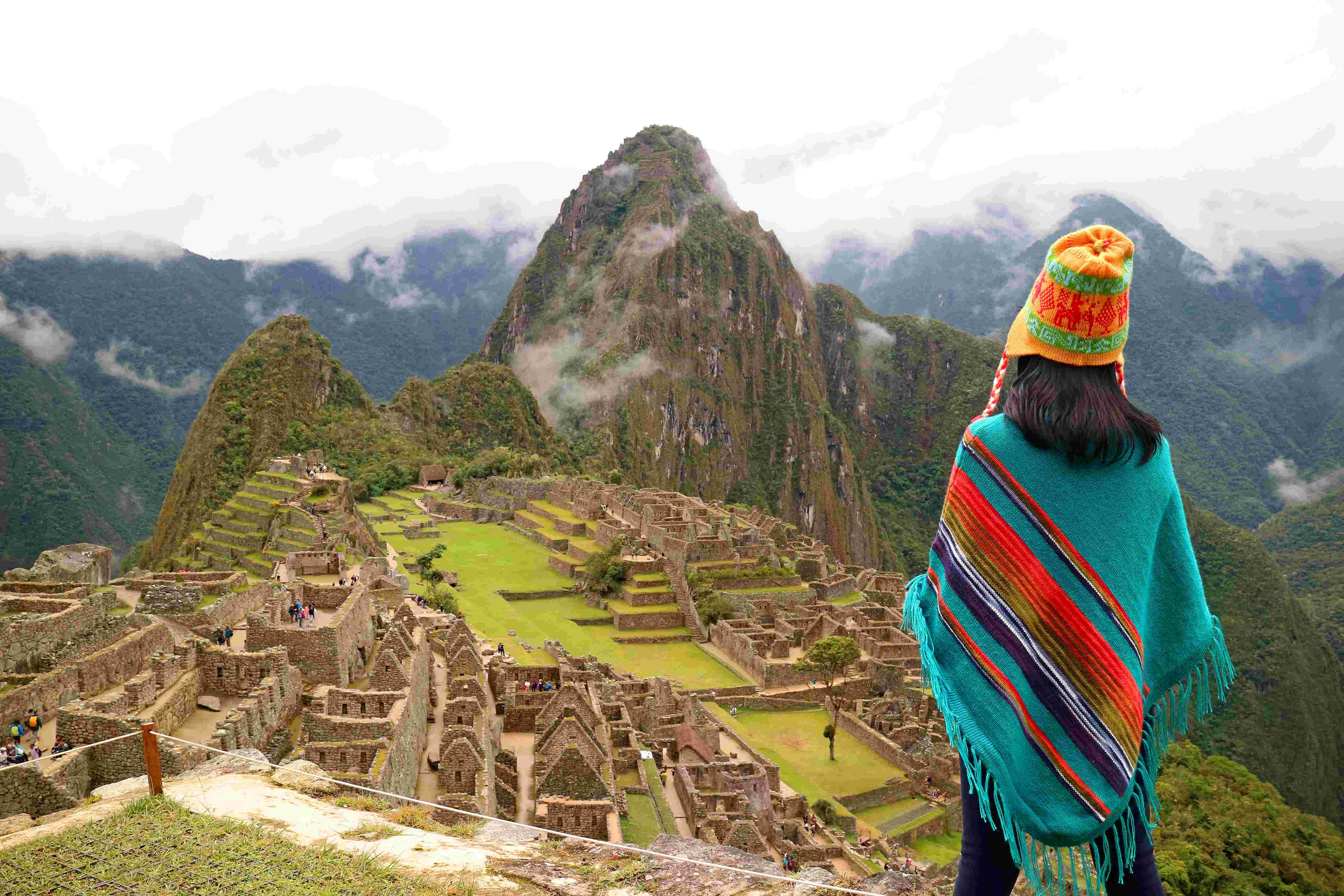
The Sacred Valley of Peru is a place that pulls you in and doesn’t let go. Once the agricultural heart of the Inca Empire, it still holds that same powerful energy. With every winding road, terraced hill, and mountaintop view, you feel like you’re stepping through a living museum.
But this valley isn’t frozen in time. It’s alive with markets full of color, locals proud of their roots, and traditions that continue every single day. If you're planning a trip to Peru, don’t just breeze through. The Sacred Valley deserves your full attention.
Getting To The Sacred Valley
Most travelers start in Cusco. From there, you’ve got several options. Shared vans (called colectivos) are cheap and frequent. Private drivers cost more, but you can stop anywhere you like.
Prefer to sit back and relax? Hop on a scenic train ride that glides through the valley’s dramatic cliffs and green fields. If you're short on time or just want a smoother experience, a Sacred Valley touris a practical choice. It combines reliable transport, guided stops, and cultural highlights, making it easier to explore without sorting out every detail yourself.
Just remember that this region sits high. Take it easy on your first day. Drink coca tea, stay hydrated, and don’t overexert yourself. The altitude isn’t something you want to battle during your first hike.
Uncovering The Ancient Ruins
The valley is dotted with Inca ruins, and each one tells a different story. With so many preserved Inca sites, you’ll want time and flexibility to explore them all.
- Pisac: Its steep agricultural terraces look like they were carved by giants. Narrow paths wind past ceremonial structures, and the panoramic views from the top stretch for miles. The peaceful town below offers a gentle pace after the climb.
- Ollantaytambo: This living Inca town blends history and daily life. The fortress above is massive and awe-inspiring, while the grid-like streets below still follow Inca engineering. Climbing the site is challenging, but the views and stonework make it worthwhile.
- Moray and Maras: Moray’s circular terraces likely served as a farming lab for the Incas, with each level simulating a different climate. Nearby, the Maras salt mines shimmer with crystals and are still harvested by hand, an incredible blend of history and living tradition.
Exploring on your own is possible, but professional guides add real depth. They connect what you see with the people who built it, offering cultural insights and historical context that bring the Sacred Valley to life.
Experiencing The Local Markets
Markets in the Sacred Valley aren’t just for tourists. They’re where locals shop, trade, and connect. Pisac Market is famous for its size and variety. You’ll see vibrant textiles, handwoven alpaca fur shawls, silver jewelry, and instruments carved from wood and bone.
If you want something quieter, try Chinchero. Fewer tourists visit, but the market is full of character. You might even catch locals bartering in Quechua. The town also offers weaving demonstrations, where women show how they use natural dyes and centuries-old techniques.
Shopping here supports families and keeps traditions alive. Haggling is common, but do it with kindness. Smile, ask questions, and show respect. These interactions often become the best memories.
Embracing The Mountain Views
Every road in the Sacred Valley comes with a view. The snowcapped Andes Mountains frame the fields and river bends like a painting. If you’re into photography, sunrise and late afternoon offer soft light and long shadows. You don’t need a long hike to find a breathtaking angle. Sometimes, just stepping outside your hotel does the trick.
That said, there are easy trails that reward you big. Try the path from Urubamba to Yucay. It’s gentle and scenic. For something steeper, hike around Ollantaytambo’s Pinkuylluna ruins. The climb is short but steep, with wide-open views and fewer crowds.
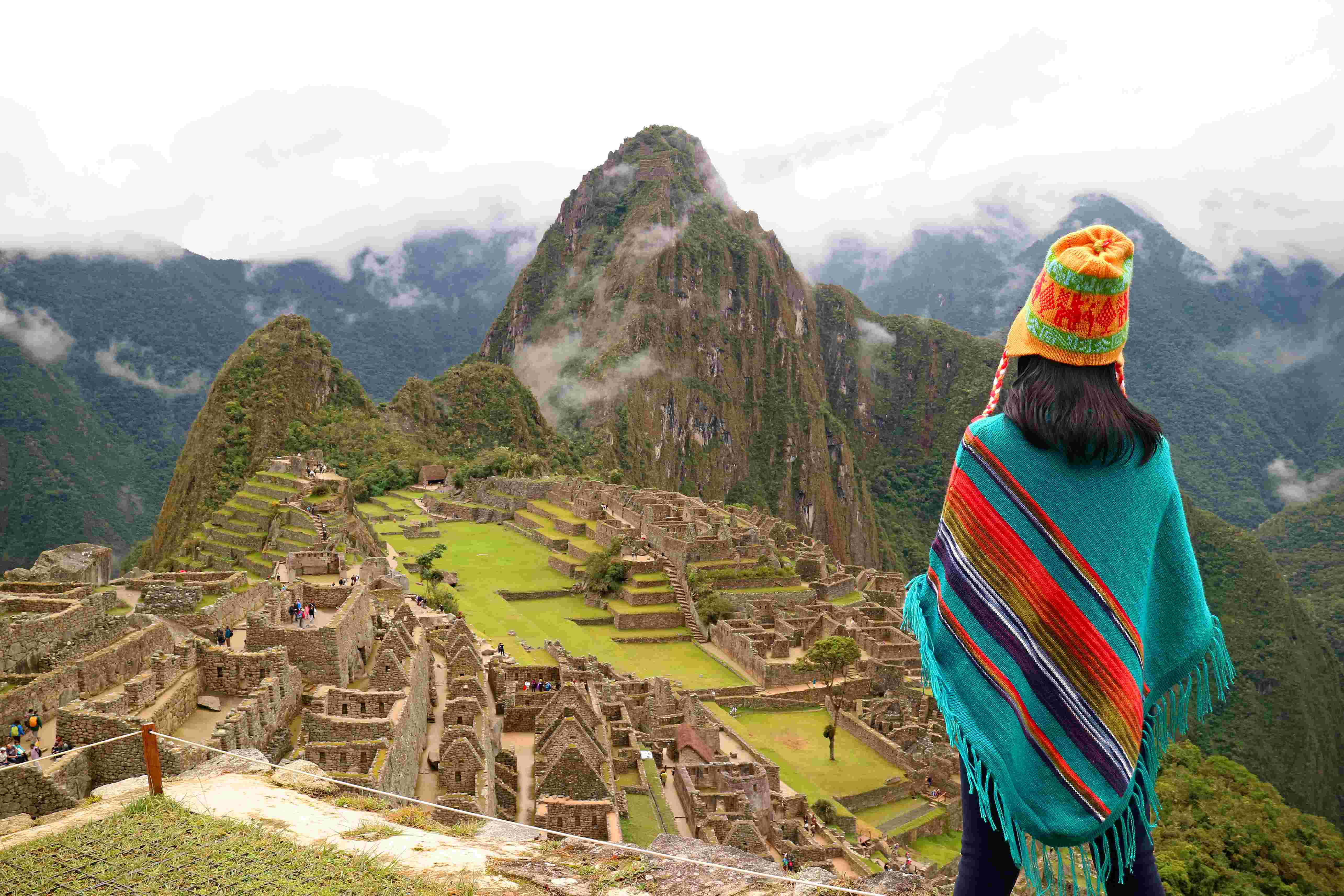
More adventurous travelersmight look for rock climbing spots or explore lesser-known trekking routes that cut through quiet hillsides and hidden communities. Either way, the mountains give more than a view. They give you a moment to slow down.
Tasting Andean Flavors
Food in the Sacred Valley is simple, hearty, and full of surprises. Start with quinoa soup. It’s warm, rich, and perfect after a hike. Try cuy(guinea pig) if you’re curious. It’s a traditional delicacy, often roasted and served whole. Not for everyone, but worth a try.
You’ll also see chicha morada, a sweet purple corn drink, and chicha de jora, a fermented corn beer. Both have deep roots in local culture. Street food like corn with cheese or fried empanadas offers quick bites on the go.
Many restaurants offer valley views with your meal. Family-run kitchens serve dishes passed down for generations. Ask what’s fresh that day. You’ll get better food and a warm welcome.
Staying In The Sacred Valley
You don’t need to rush back to Cusco. Staying overnight lets you slow down and soak in the atmosphere. Accommodations range from budget hostels to luxury lodges. If you're into eco-tourism, you'll find sustainable stays surrounded by gardens and silence.
Urubamba is a central base with lots of options and easy access to other towns. It sits right beside the Urubamba River, a winding waterway that shapes the entire valley and nourishes its farmlands. Ollantaytambo is great if you’re heading to Machu Picchunext. Chinchero and Pisac offer quieter vibes and close contact with local families.
Booking a night or two in the valley breaks up your travel and gives you more chances to explore the places day-trippers miss.
Connecting With Sacred Traditions
The Sacred Valley isn’t just geography. It’s spiritual ground. You’ll see signs of that in daily life. Locals still leave offerings to Pachamama(Mother Earth). Festivals fill the calendar, mixing Catholic and Incan elements in colorful parades.
If you're lucky, you might witness a coca leaf ceremony or solstice ritual. These aren’t tourist shows. What you’ll see is authentic and deeply meaningful. Showing respect and being present go a long way. Always ask before photographing, and take time to listen more than you speak.
Learning even a few Quechua words earns big smiles. And understanding the deeper rhythms of valley life helps you travel more meaningfully.
Planning Your Journey
The dry season (May to September) brings clear skies and cooler nights. It’s ideal for hikes and scenic views. The rainy season (November to March) has fewer tourists and greener landscapes, but the trails can get muddy.
Pack layers to stay comfortable throughout the day. Mornings can be chilly, while afternoons tend to warm up quickly. Even during the dry season, a sudden rain shower might catch you off guard. Sunscreen, a good hat, and reusable water bottles are essential. If you're sensitive to altitude, bring coca candy or altitude pills to ease the transition.
A three-to-five day itinerary gives you time to explore without rushing. Combine ruins, markets, short hikes, and a little downtime. Let the valley set the pace.
Parting Words
The Sacred Valley isn’t just a side trip to Machu Picchu. It’s a destination in its own right. Every turn leads to something memorable, whether it’s a crumbling ruin, a laughing vendor, or a quiet mountain moment. Give yourself time. Be curious. Let the Sacred Valley show you what it’s held onto for centuries.
You’ll leave with more than just photos. You’ll carry its spirit with you long after the trip ends.

Sophia Harper
Author
Sophia Harper’s photography acts as a portal to the soul of the places she visits. Drawn to South America’s landscapes and cultures, she has spent years capturing everything from the majesty of ancient ruins to the vibrancy of urban streets.
Sophia’s work isn’t just about documenting moments; it’s about evoking the emotions and stories behind them. A dedicated photographer, she has worked with local communities across South America to capture their rich cultural narratives through her lens.
Liam Jones
Reviewer
Liam Jones has made it his mission to prove that adventure doesn’t need a hefty budget. Having traveled to over 40 countries, he specializes in finding affordable ways to experience the world, from the best street food in Bangkok to hidden gems in Lisbon.
Liam’s travel tips have reached thousands of readers, empowering them to see the world on a shoestring budget without sacrificing quality. With a deep passion for local cultures, he continues to share his travel hacks, ensuring adventure remains accessible to all.
Latest Articles
Popular Articles