Camino Frances - It's Popular For A Reason
Camino Frances isn’t a good option in spite of its popularity; it’s a good option because of its popularity.
Author:Finn WildeReviewer:Liam JonesJul 16, 20251.6K Shares88.9K Views
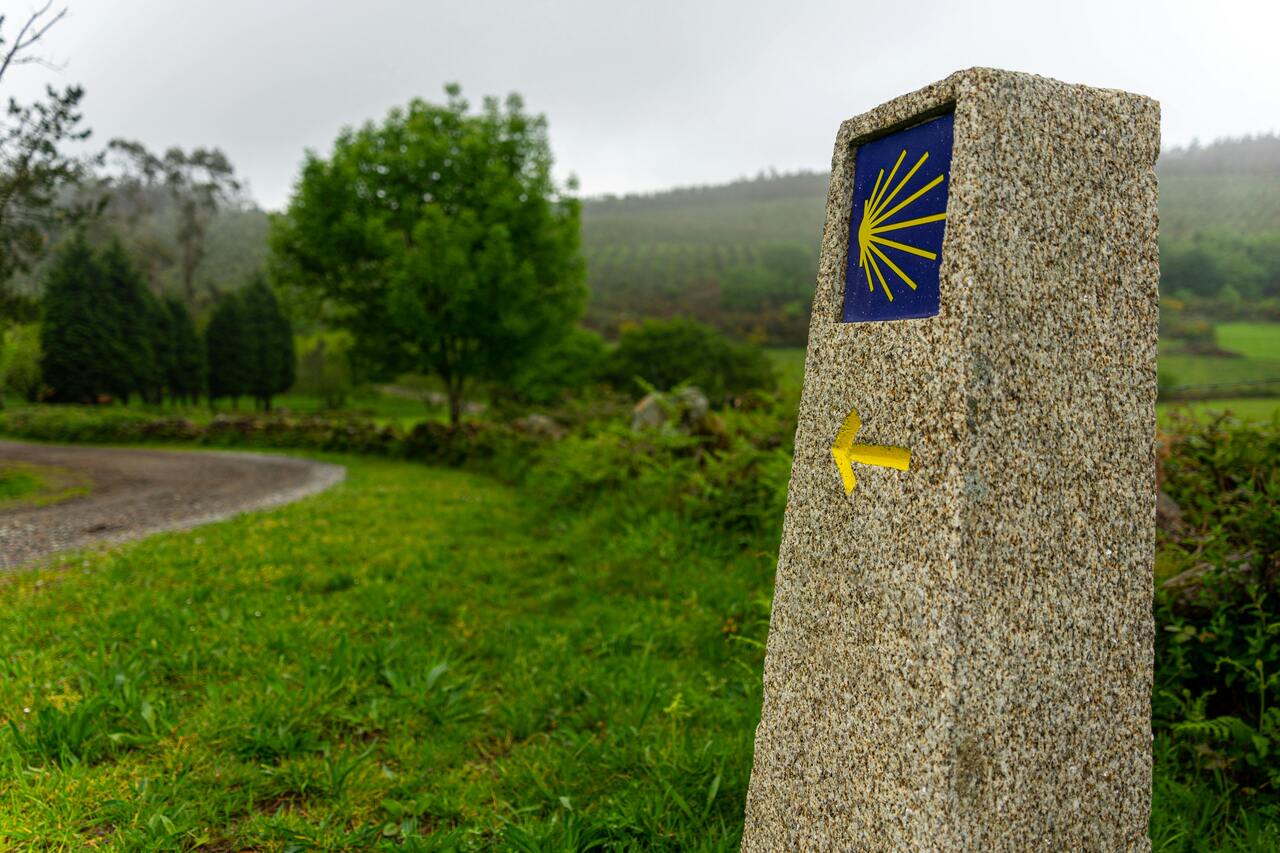
The immense popularity of the Camino Frances can actually be off-putting to some. Not to be a contrarian, but, why would you choose a nature-focused, historic, cultural and religious walk that is also going to be the busiest one? Well, there are a few reasons, actually.
History And Landscape
The Camino Frances is extremely dynamic. It’s a journey that goes through a UNESCO World Heritage site, and the route also cuts through many distinct geographical zones. For example, the Pyrenean ascents have some stunning nature and interesting animals around, and it’s a radically different vibe to the vineyards of La Rioja, or even the Celtic-influenced hills of Galicia.
Camino Francesis perhaps the most varied aspect of the route, not least because it ventures into the Basque Country, and two countries, France and Spain. These three have strong identities, unique food of their own.
There are plenty of medieval bridges and Roman roads to walk through, along with the Gothic cathedrals of Burgos and León.
The Social Element
Camino Frances isn’t a good option in spite of its popularity; it’s a good option because of its popularity. Don’t worry, the Albergues won’t all be sold out, especially if you book ahead of time with Santiago Ways.
So there are two ways of looking at this. Firstly, people claiming that it’s very busy are exaggerating, because ultimately the route is hundreds of kilometers long - how busy are you really expecting it to really be? Yes, you will see other walkers, but again, what else would you expect when walking through towns, villages, and UNESCO sites anyway?
Secondly, it’s a good thing, and it’s in the spirit of the original pilgrimage. The Camino’s most defining characteristic is actually its social architecture. There is a shared physical challenge that brings people together - solitude soundsimportant (and you can still achieve that to a degree), but actually, what’s more enlightening is connection. The alberguesare where you’re going to meet others and share stories about your trip so far.
The Myth Of The "full" Camino
The notion of an 800-kilometer trek from Saint-Jean-Pied-de-Port being the only "authentic" experience is a modern construct of course, not a historical prerequisite. The route's key strength lies in its flexibility, and many pilgrims opt for shorter sections. For example, walking the final 115 kilometers from Sarriafulfils the requirements for the Compostela, the official certificate, and it makes the pilgrimage accessible to those with time constraints. This modularity allows the journey to be calibrated to individual physical capabilities, too.
Worth The Hype
There are many Camino routes, and they all have something going for them. But Camino Frances is popular for a reason. It’s extremely well-developed, meaning albergues are dotted all throughout, as are the signposts. Then there’s the social aspects, where you’ll meet others. But perhaps best of all, it’s the part of the network that concentrates down many different region, dialects, cultures and foods into a short distance - that, and the landscapes, are constantly changing.

Finn Wilde
Author
For Finn Wilde, the wilderness is more than just a destination - it’s a way of life. Over the past decade, he has led multiple expeditions in some of the world’s most remote regions, from the icy fjords of Greenland to the rugged trails of Patagonia.
Finn emphasizes sustainability in all of his adventures, helping participants connect with nature while promoting responsible exploration. His expeditions inspire individuals to explore the great outdoors while fostering a deep respect for the environment.

Liam Jones
Reviewer
Liam Jones has made it his mission to prove that adventure doesn’t need a hefty budget. Having traveled to over 40 countries, he specializes in finding affordable ways to experience the world, from the best street food in Bangkok to hidden gems in Lisbon.
Liam’s travel tips have reached thousands of readers, empowering them to see the world on a shoestring budget without sacrificing quality. With a deep passion for local cultures, he continues to share his travel hacks, ensuring adventure remains accessible to all.
Latest Articles
Popular Articles