Brown Bears Fishing For Salmon In Alaska [Nature’s Showdown]
There’s nothing quite like watching a massive brown bear rise from the river, claws out, ready to snatch dinner mid-air. That’s exactly what happens when brown bears fishing for salmon in Alaska take center stage. It’s not staged, it’s not scripted, it’s pure nature doing its thing. And once you see them in action, you won’t be able to look away.
Author:Liam JonesReviewer:Maya ReyesJul 07, 202540.5K Shares1.7M Views

Alaska is the largest state in the United States and often called the Last Frontier. It’s known for its amazing natural features: the tallest mountains, the deepest fjords, and some of the wildest untouched landscapes on Earth.
One of the most unforgettable sights in Alaska is watching brown bears catch salmon. Every summer, salmon swim from the ocean up rivers to lay their eggs. During this time, brown bears gather along riverbanks to hunt for fish a powerful and thrilling sight to see.
This yearly event is more than just exciting to watch it’s an important part of nature. The salmon help feed the bears and even support the growth of forests and other animals.
We’ll see why this happens when and where you can see it and how to do so safely. We’ll take a look at top spots like Brooks Falls in Katmai National Park the quiet Anan Wildlife Observatory and bear-filled Admiralty Island.
We’ll also give you key tips for watching bears responsibly so your visit is both safe and respectful of these incredible animals and their environment.
Understanding Why?
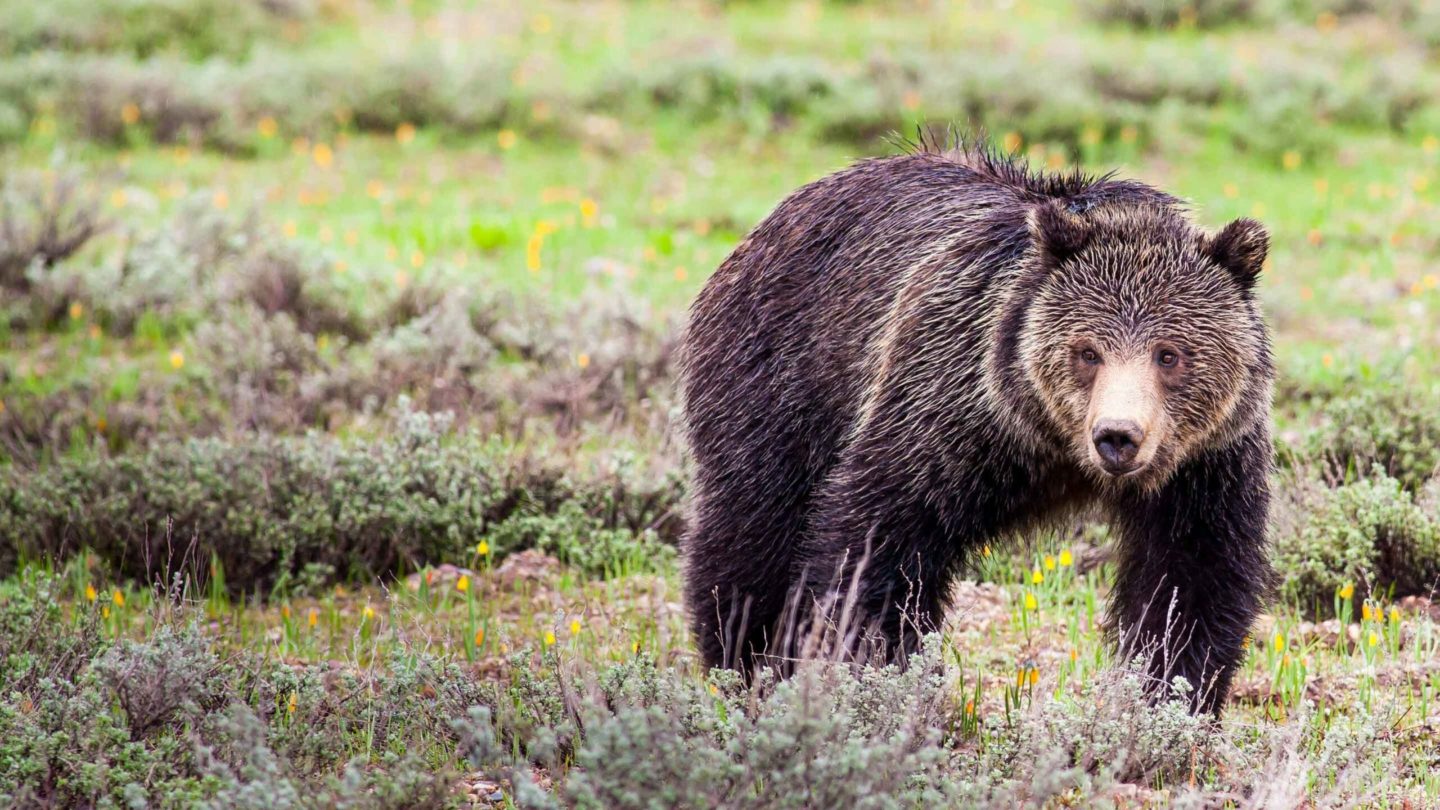
The salmon run is a cool event where salmon swim back to their birthplace to lay eggs. It’s tough for them because they face rapids, waterfalls, and predators like bears. In Alaska, this happens from June to September, depending on the salmon type.
There are five types of Pacific salmon in Alaska which are pink, chum, sockeye, coho, and Chinook. Each has its own timing and favorite spot, which affects when bears are most active.
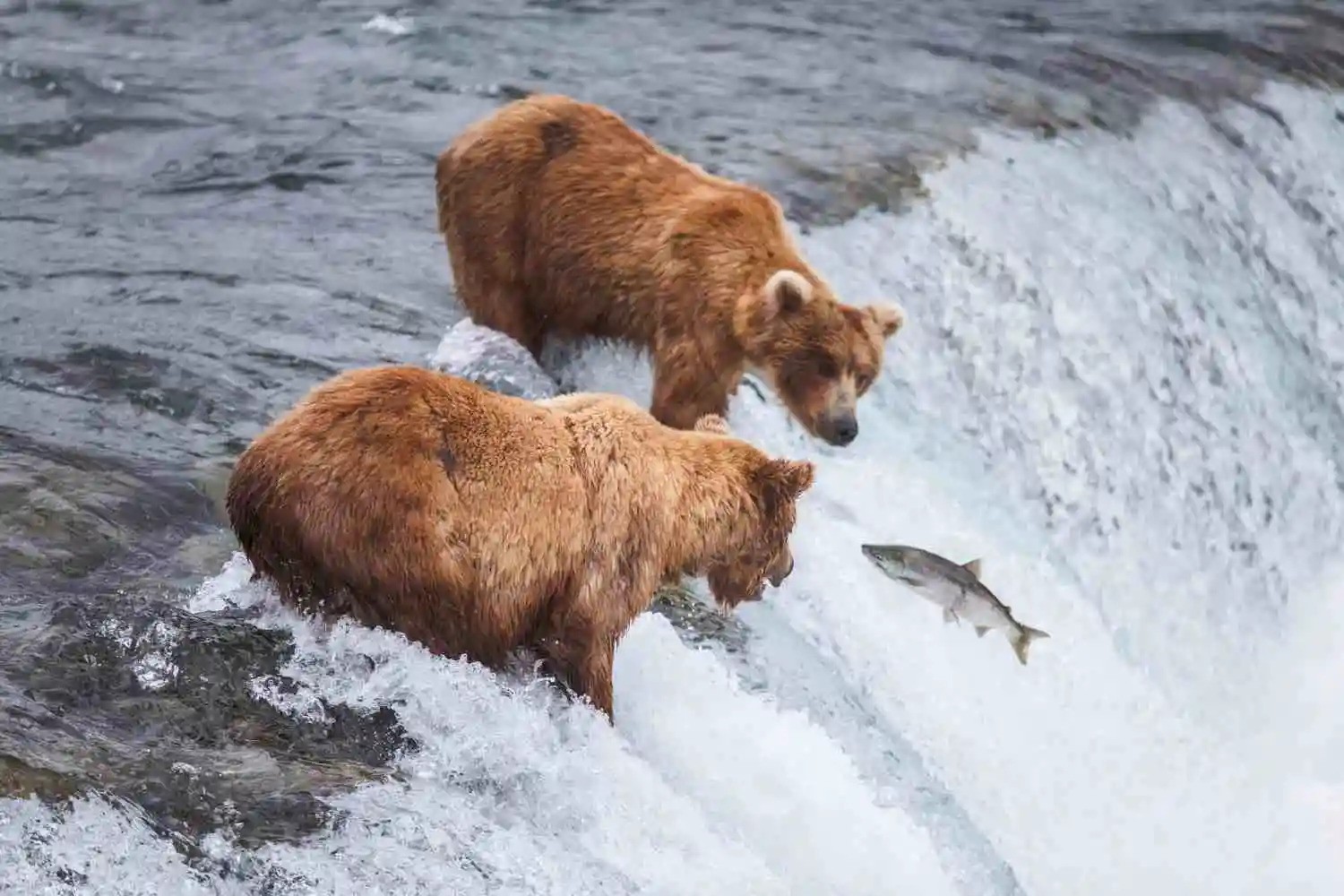
Brown bears eat plants and animals, but during the salmon run, they mostly eat fish. One bear can eat tons of salmon to get fat for winter sleep. This time is super important for them. Bears catch salmon in different ways. Some stand in shallow water to grab fish, others wait at waterfalls where salmon jump, and some dive into deep water.
This shows how clever bears are. The salmon run also helps the environment. When salmon die after laying eggs, their bodies break down and feed the soil, helping plants grow. Bears spread these nutrients by carrying salmon into the forest, which keeps the ecosystem healthy. Understanding this cycle makes watching bears more special and shows how connected Alaska’s nature is.
Top Locations To Witness Brown Bears Fishing For Salmon
Alaska has many great places where you can see brown bears catching salmon in the wild. Each location offers something different from famous spots with lots of visitors to quiet, peaceful areas.
Below are three top places to watch this amazing natural event. We’ll explain what makes each one special, the best time to go, how to get there, what you’ll see, and important safety tips.
Katmai National Park (Brooks Falls)
Katmai National Park and Preserve is in southwestern Alaska and is best known for bear watching. It was created in 1918 after a major volcanic eruption formed the Valley of Ten Thousand Smokes. Today, Katmai is famous for having one of the largest populations of brown bears in the world.
The park covers more than 4 million acres and has many different environments—like coastal fjords, forests, and open tundra.
Brooks Falls
The top spot for seeing bears in Katmai is Brooks Falls , on the Brooks River. Here, the river becomes narrow and forms waterfalls that block salmon trying to swim upstream. As the fish leap up the falls, bears wait nearby to catch them—sometimes even snatching them mid-air.
This exciting scene has been seen in many videos and photos, making Brooks Falls one of the most famous bear-viewing sites in the world.
The best time to see bears here is during the sockeye salmon run , which usually peaks in July . At this time, many bears come to the river to feed, giving visitors amazing wildlife viewing opportunities.
You can also watch live video feeds of the bears online through the Katmai Bear Cams , but nothing beats seeing it in person.
How To Get There
Katmai is very remote, so planning your trip is important. Most people fly into King Salmon , a small town near the park, then take a floatplane or boat to Brooks Camp , the main area for visitors.
At Brooks Camp, you can stay in lodges or campsites and join guided tours or ranger-led programs. Rangers teach visitors about bears and how to stay safe while watching them.
There are special platforms and trails where you can view bears from a distance. Always follow the rules: stay on paths, keep quiet, and never go near the bears.
Other Places To See Bears In Katmai
If you're looking for something more off-the-beaten-path, try Geographic Harbor . This coastal area sees fewer visitors and gives you a chance to see bears catching salmon in tidal areas.
Getting there is done by boat or floatplane , and it’s best to go with a guided tour for safety. Companies like Gondwana Ecotours offer trips to this wild location.
More Than Just Bears
While bears are the main attraction, Katmai offers much more. You can hike scenic trails around Naknek Lake , explore the dramatic Valley of Ten Thousand Smokes , and enjoy the beauty of untouched nature.
But for most people, the highlight is watching powerful brown bears at Brooks Falls and it'sa truly unforgettable experience that shows the strength and beauty of wild animals in their natural home.
Visitor Experiences At Katmai
Many visitors to Katmai say that seeing the bears at Brooks Falls is a life-changing experience. One traveler said, “Being just feet away from these huge bears and watching them catch salmon with such skill was both scary and exciting. It really shows how powerful nature can be.”
Another visitor shared, “The live bear cams are great, but being there in person is completely different. Hearing the bears, smelling the river, and seeing everything up close and it’s something you’ll never forget.”
Anan Wildlife Observatory
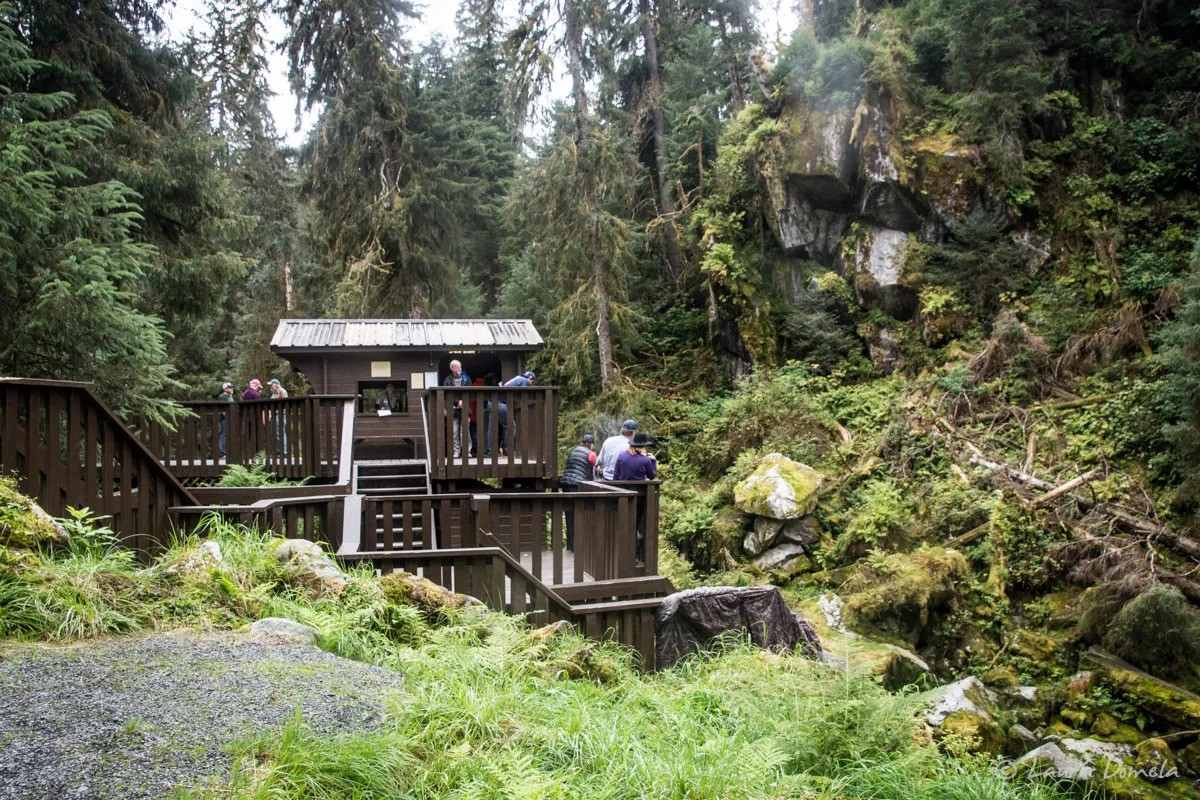
Tucked deep in the Tongass National Forest near Wrangell, Alaska, the Anan Wildlife Observatory is a special spot for bear lovers. It gives visitors a rare chance to watch both brown bears and black bears as they catch salmon in Anan Creek . The observatory sits above the creek, offering a safe and quiet place to view the bears without disturbing them.
- Salmon Runs Bring the Bears In -Anan Creek is famous for its pink and coho salmon runs . Pink salmon return in large numbers every odd year , creating a feeding frenzy that draws many bears. Even in even years , there are plenty of coho salmon , so bears are still active along the creek.
- Limited Access for Protection -To protect the bears and their natural behavior, only 60 visitors per day are allowed at Anan. You must get a permit in advance through the U.S. Forest Service .
- Watching Bears Up Close -At the observatory, you can spend hours watching bears fish, play, and interact. It’s common to see mother bears teaching cubs how to catch fish or large males fighting for space . Seeing both brown and black bears together also lets visitors compare the two species.
- More Than Just Bears - The Tongass National Forest , where Anan is located, is the world’s largest intact temperate rainforest. Beyond bear watching, it offers activities like hiking, kayaking, and wildlife tours , including sightings of bald eagles, seals, and seabirds .
- Stay Safe and Respect Wildlife - Visitors must stay in designated areas and follow all rules to keep the bears wild and visitors safe. Rangers help manage the site to ensure a peaceful experience for everyone.
- A Bigger Alaskan Adventure -If you're looking to explore more of Alaska, nearby Wrangell offers glacier tours, cultural experiences with the Tlingit people , and scenic trips through the Inside Passage . Visiting Anan can be part of a larger journey through Southeast Alaska’s breathtaking wilderness.
- Visitor Experiences at Anan -At Anan Wildlife Observatory, visitors often feel amazed by how close they can get to the bears in a natural and peaceful setting. One visitor said, “Seeing both brown and black bears together, just going about their day, was fascinating. It felt like I was getting a rare look into their lives without disturbing them.”
Check Out: Photography Tours Of Southeast Asia
Admiralty Island (Pack Creek)
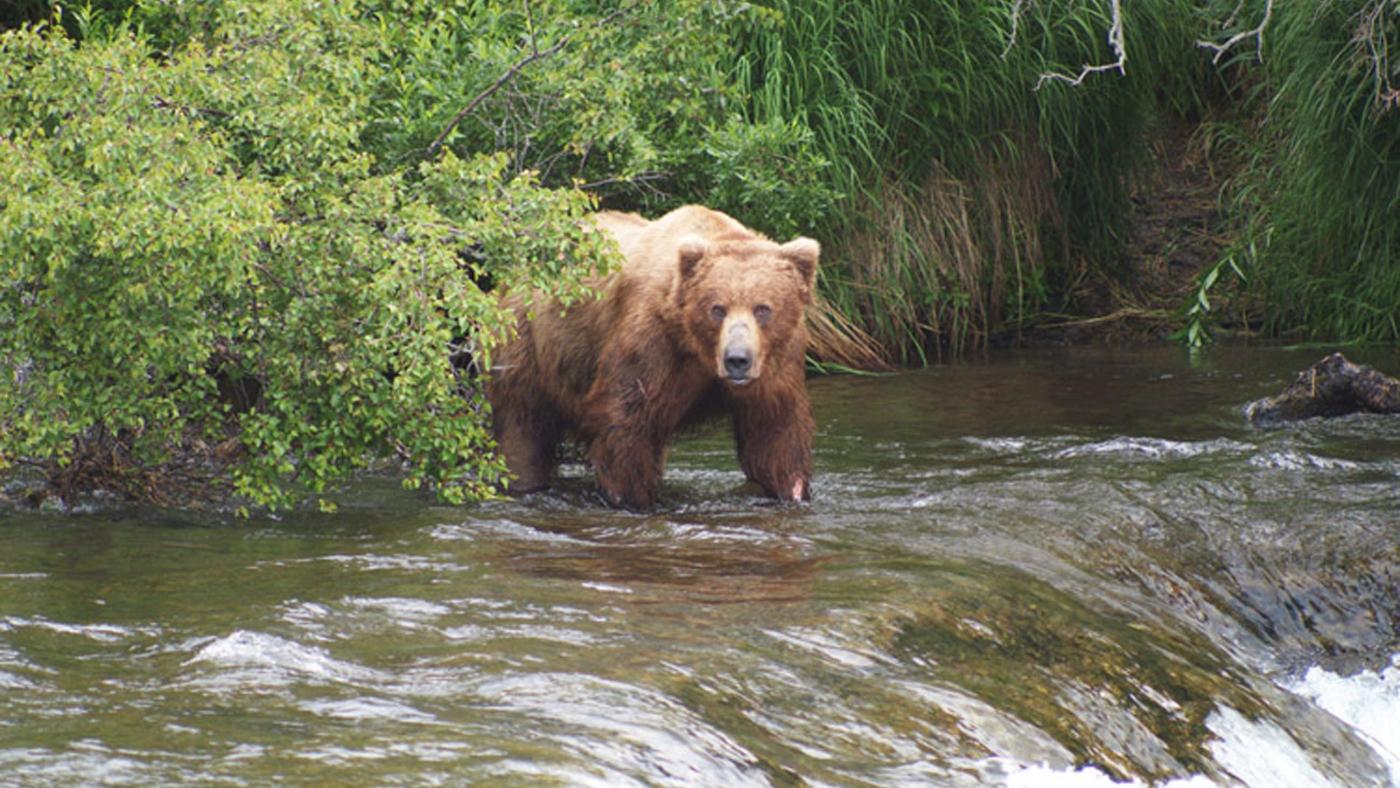
Admiralty Island is located in southeast Alaska and is often called the “Fortress of the Bears ” because it has more brown bears than any other place in North America—around 1,600 bears call this island home. It’s a top spot for seeing wild bears up close.
Pack Creek Bear Viewing Area
The best place to see bears on the island is Pack Creek , known for its excellent bear-watching opportunities. Managed by the Alaska Department of Fish and Game and the U.S. Forest Service , Pack Creek allows visitors to observe bears in their natural habitat with minimal disturbance.
During July to September , when salmon return to spawn, bears gather along the creek to fish. You can also see them feeding on tidal flats and walking through the forest.
How To Visit Pack Creek
To protect the bears and ensure a good experience for visitors, a permit is required from June 1 to September 10 . Only 24 people per day are allowed during peak season, so permits should be reserved early.
Most visitors fly in by floatplane from Juneau , which is about 40 miles away. Once there, you hike a short trail to an observation platform overlooking the creek.
From the platform, you can watch bears catch salmon, with mother bears often teaching cubs how to fish. You may also see bears resting in meadows or foraging near the shore.
More Than Just Bears
Admiralty Island is part of the Tongass National Forest , the world’s largest temperate rainforest. Besides bear viewing, visitors enjoy:
- Kayaking along the rugged coastline
- Hiking through ancient forests
- Wildlife watching , including bald eagles and seals
Guided Tours Available
For those who want expert guidance, guided tours are available. These include transportation (usually by floatplane), experienced guides, and sometimes meals. Companies like Pack Creek Bear Tours offer full-day trips that make visiting easy and safe.
Safety First
When visiting bear country, safety is important. Rangers help manage visits and teach visitors how to behave around bears. Rules include:
- Stay on trails
- Do not approach bears
- Keep quiet and respectful
These rules help keep both people and bears safe.
Why It’s Special
A visit to Admiralty Island gives you a rare chance to see brown bears living freely in one of the most remote and untouched places in the U.S. It’s both exciting and educational, showing how these powerful animals live in the wild.
Visitor Experiences at Admiralty Island
Visitors to Admiralty Island often describe a strong feeling of being deep in the wild. One traveler said, “Flying over the island in a floatplane and seeing only forests, rivers, and open water made me realize how far away from city life we were. When we landed and headed to Pack Creek, it hit me that we were about to see bears in one of the most natural places on Earth.”
Another visitor shared, “The number of bears here is amazing. You see them everywhere fishing, walking through the trees, even resting by the trail. It’s clear that this place belongs to them. We’re just visitors in their home.”
These moments make Admiralty Island a truly unforgettable destination for anyone who loves nature and wants to experience wild bears in their natural habitat.
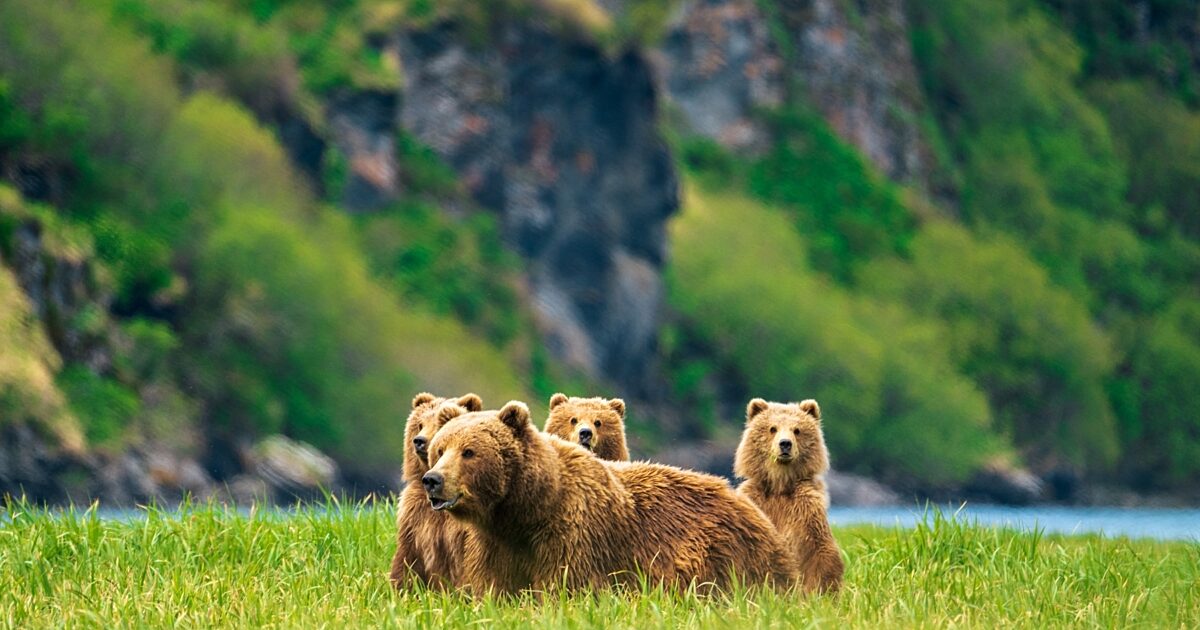
Tips For Bear Viewing In Alaska
Bear viewing in Alaska is an incredible experience, but it requires preparation and respect for wildlife. Here are some essential tips to ensure a safe and enjoyable trip.
- Plan Ahead:Research your destination and understand the best times to visit based on salmon runs and bear activity. Book permits and accommodations in advance, as popular spots fill up quickly.
- Choose a Reputable Guide:While it’s possible to visit some areas independently, hiring a guided tour can enhance your experience. Guides are knowledgeable about bear behavior and can help you find the best viewing spots while ensuring safety.
- Dress Appropriately:Alaska’s weather can be unpredictable, so dress in layers and bring rain gear. Sturdy, waterproof boots are essential for wet and muddy terrain.
- Bring the Right Gear:A camera with a telephoto lens is ideal for capturing wildlife without disturbing it. Binoculars can also provide great views. Don’t forget bear spray and know how to use it.
- Follow Safety Guidelines:Always maintain a safe distance from bears. In most areas, this means staying at least 50 yards away, though in designated viewing areas, platforms may allow closer observation under supervision. Never approach or try to feed bears.
- Make Noise:When hiking in bear country, make noise to avoid surprising bears. Talk, sing, or use bear bells. This gives bears a chance to move away from your path.
- Store Food Properly:Bears are attracted to food smells, so store all food and scented items in bear-proof containers or hang them properly if camping. Never leave food unattended.
- Respect Closure Areas:Some areas may be closed seasonally or due to high bear activity. Always check with local authorities before venturing out.
- Be Patient:Bear viewing requires patience. Bears may not always be active or visible, so take time to enjoy the overall wilderness experience.
- Learn About Bears:Understanding bear behavior can enrich your experience. Many parks and tour operators offer educational programs that provide insights into these fascinating animals.
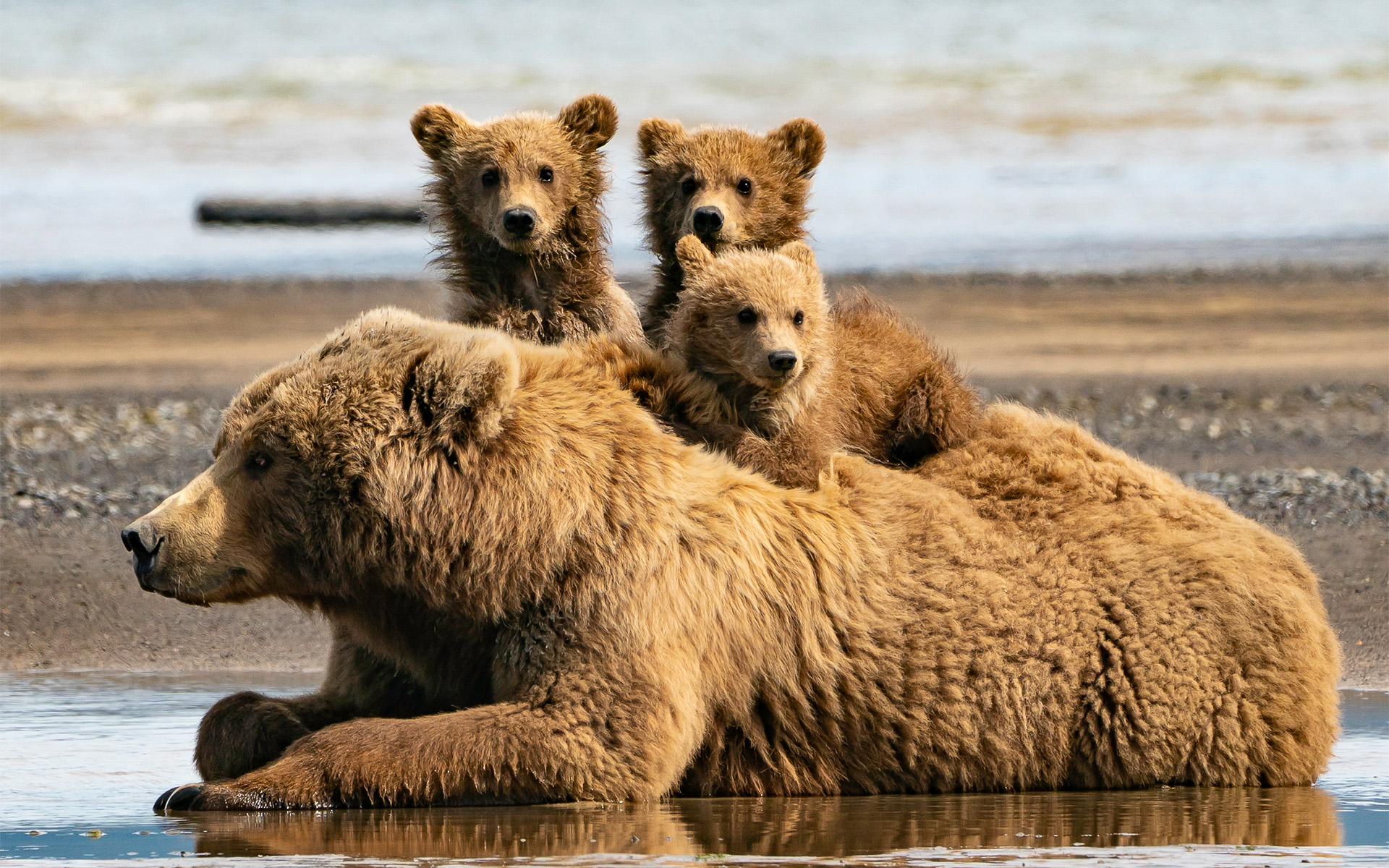
Conservation And Responsible Tourism
As more people visit Alaska, it becomes even more important to travel responsibly. Brown bears are a key species in their environment, helping to keep the ecosystem healthy. To make sure future visitors can enjoy these amazing sights, both travelers and tour companies need to follow sustainable practices.
Groups like the National Park Service and local guides are working hard to protect wildlife. Their efforts include saving bear habitats, studying bear populations, and teaching visitors how to enjoy nature without harming it. By following Leave No Trace rules like packing out trash and staying on trails, tourists can help protect the land.
Choosing eco-friendly tour companies also makes a difference. Look for tours that are part of groups like the Alaska Sustainable Travel Associationor have been recognized for responsible travel practices.
By being careful with our actions and supporting conservation, we can help protect Alaska’s wild places and animals for many years to come.
FAQs About Brown Bears Fish For Salmon In Alaska
What Is The Best Time To See Brown Bears Fishing For Salmon In Alaska?
The best time to see bears fishing for salmon depends on the location and the type of salmon. In general, the best months are June to September during the salmon spawning season.
- Brooks Falls (Katmai) - Best in July
- Anan Wildlife Observatory - Best in late July to August
- Pack Creek (Admiralty Island) - Active from July to September
Are There Any Dangers Associated With Bear Viewing?
Yes, bears are wild animals and can be unpredictable. You can stay safe by following these rules.
- Always keep a safe distance from bears.
- Carry bear spray and know how to use it.
- Make noise while hiking so bears know you're coming.
- Never feed bears or try to get close to them.
- Store food and trash securely to avoid attracting bears.
Do I Need A Guide To See Bears In Alaska?
While hiring a guide isn’t always required, it’s highly recommended for both safety and a better experience. In some places, like Anan Wildlife Observatory, guided tours are required because of permit rules.
What Should I Bring For A Bear Viewing Trip?
When visiting bear country in Alaska, pack the following essentials:
- Clothing - Dress in layers, bring rain gear, and wear sturdy boots for hiking.
- Camera or binoculars - To safely view and capture photos of bears from a distance.
- Bear spray - Carry it and know how to use it in case of an emergency.
- Food - Bring snacks and meals, but store them properly in bear-proof containers.
- Water - Stay hydrated during your trip.
- Permits - Required for some locations like Anan Creek and Pack Creek.
- First aid kit - For treating minor injuries.
- Insect repellent - Mosquitoes can be active in summer.
How Can I Ensure I’m Practicing Ethical Bear Viewing?
Practice ethical viewing by maintaining distance, not feeding bears, staying on designated paths, following rules, choosing conservation-focused operators, and educating yourself about bear behavior.
Are There Any Other Animals I Might See While Bear Viewing In Alaska?
Yes! You might encounter bald eagles, seals, sea lions, whales (humpback, orca), moose, wolves, and various birds like puffins and owls.
Conclusion
Seeing brown bears catch salmon in Alaska is more than just watching wildlife it’s a powerful experience that connects you with nature’s raw beauty. From the famous Brooks Falls in Katmai National Park to the peaceful setting of Anan Wildlife Observatory and the wild landscapes of Admiralty Island, each place gives you a special view of this yearly event.
To make the most of your trip, plan ahead, respect the animals, and follow safety rules. This way, you’ll have an exciting adventure while helping to protect the bears and their homes.
Remember, seeing bears in the wild is a privilege. It also comes with responsibility. Choose tour companies that care about nature, follow park rules, and learn about bear behavior before you go.
You're an experienced wildlife lover or visiting Alaska for the first time, watching brown bears fish for salmon is a moment you’ll never forget. It’s a powerful reminder of how amazing and wild nature can be and why it’s worth protecting.
Don't Miss: Why A Trip To Spain Is Just What Your Mind Needs

Liam Jones
Author
Liam Jones has made it his mission to prove that adventure doesn’t need a hefty budget. Having traveled to over 40 countries, he specializes in finding affordable ways to experience the world, from the best street food in Bangkok to hidden gems in Lisbon.
Liam’s travel tips have reached thousands of readers, empowering them to see the world on a shoestring budget without sacrificing quality. With a deep passion for local cultures, he continues to share his travel hacks, ensuring adventure remains accessible to all.

Maya Reyes
Reviewer
Maya Reyes’s wanderlust was sparked in the temples of Luang Prabang, where the scent of lemongrass and the chants of monks revealed the transformative power of travel.
Since then, her journey has been defined by cultural immersion and authentic connections. From learning batik in Indonesia to sharing meals with nomadic families in Mongolia, Maya seeks experiences that highlight the human stories behind each destination.
Travel for her is a way to weave her narrative into the world’s cultural tapestry, creating bridges across diverse ways of life. Maya has traveled to 15 countries and shares her insights through writing and storytelling.
Latest Articles
Popular Articles