Best Muslim-Friendly Destinations By Season For Couples, Families, And Solo Travelers In 2026
A destination can look Muslim friendly on paper and still feel awkward once you arrive. That usually happens when the season is wrong. These best Muslim friendly destinations solve that problem by focusing on the right month, the right trip type, and the right level of day-to-day ease for your needs.
Author:Sophia HarperReviewer:Maya ReyesApr 17, 20262.2K Shares63.2K Views
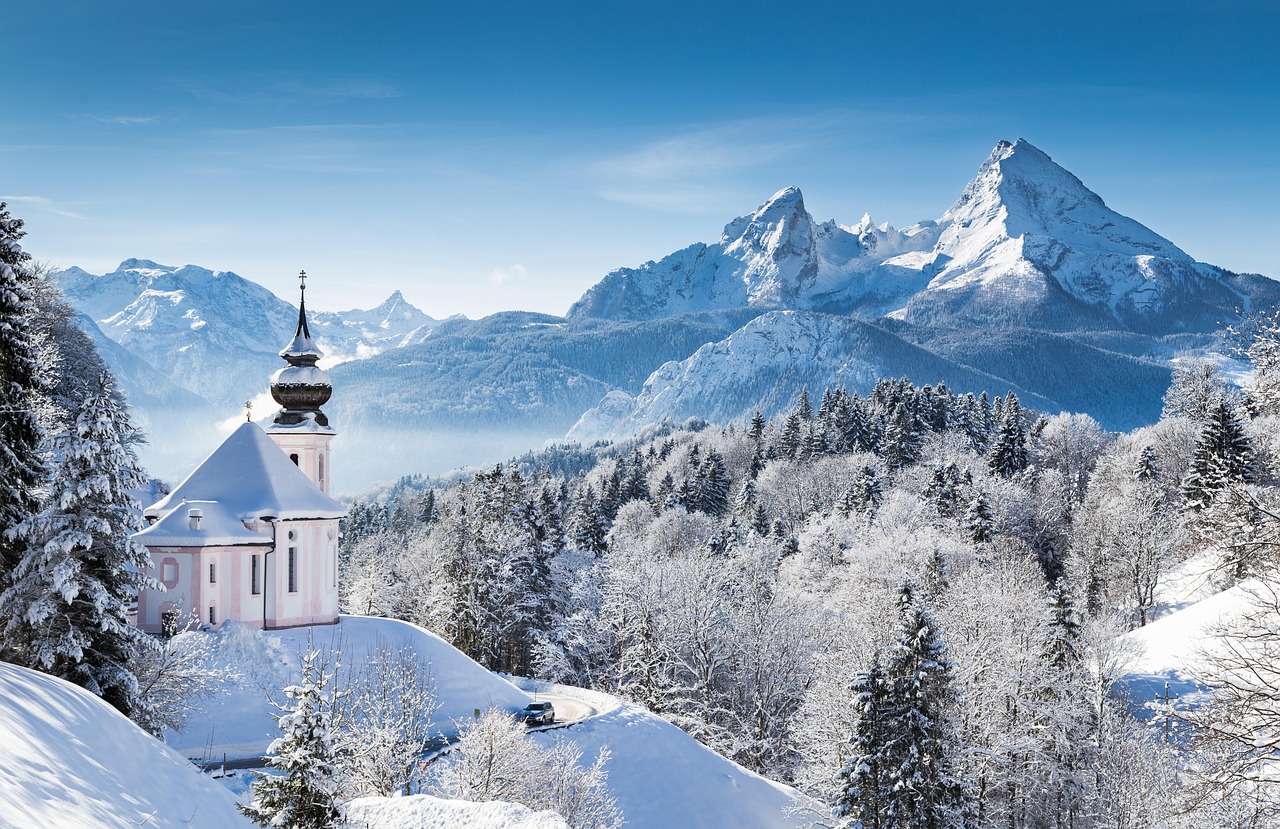
A Few Things You Will Take Away From Reading This
- You will get a season-first shortlist instead of a flat list of Muslim countries to visit.
- You will see which places suit European trips, couples travel, and cheaper planning without pretending every destination works equally well.
- You will get a simple way to judge halal travel readiness before you pay for flights or hotels.
- You will see why Ramadan and Eid can completely change the right answer from one year to the next.
- You will leave with one safe all-around option and several sharper niche picks for snow, beaches, heritage, and value.
Planning a halal-friendly trip well is rarely just about choosing a Muslim-majority country and booking the cheapest flight. The question of when to go matters just as much as where. A beach resort in Malaysia during the northeast monsoon delivers a completely different experience from the same resort in the dry season. Istanbul during Ramadan is a different city from Istanbul in August. Getting the seasonal timing right is what turns a decent trip into a genuinely memorable one.
Most halal travel resources hand you a ranked list of countries and leave you to figure out the rest. The approach here is different. Each season has its own set of optimal destinations, matched to weather windows, cultural events, and the halal infrastructure that makes travel feel effortless rather than stressful. There is a season-specific answer here for couples after a winter sun escape, families planning a summer beach holiday, and solo travelers wanting to experience Ramadan in one of the great Islamic cities.
What "Muslim-Friendly" Actually Means When You Are Choosing A Destination
Before comparing destinations, it helps to be precise about what you are actually looking for, because "Muslim-friendly" gets used very loosely. Some destinations earn the label because they have two halal restaurants near the main tourist strip. Others have built entire tourism ecosystems around the needs of Muslim visitors. The difference matters enormously when you are planning a two-week family holiday.
The Five Things A Genuinely Halal-Friendly Destination Does Well
A destination worth the label does five things consistently. It offers widely available halal-certified food, not just a single restaurant in the tourist quarter. It has accessible prayer facilities, ideally with signposted musallas in airports, shopping malls, and major tourist sites.
It provides accommodation options that respect modesty, including the possibility of women-only or private pool access. It offers alcohol-free room or property options where desired. And it has a cultural environment where Muslim travelers, including women in hijab, are treated with respect rather than with friction.
A destination that checks only two or three of these does not disqualify itself, but it does require more planning from you. Every destination highlighted in this breakdown was chosen because it scores well across most or all five areas at the specific time of year recommended.
OIC Vs. Non-OIC Destinations And What The Difference Means For Your Trip
OIC countries are members of the Organisation of Islamic Cooperationand are predominantly Muslim-majority. In most of them, halal food is the default, prayer times are baked into the rhythm of daily life, and modest dress is entirely normal. You spend very little mental energy navigating your religious needs.
Non-OIC destinations require more preparation. Countries like Japan, South Korea, or the UK are not built around Islamic practice, but several have made significant investments in Muslim-friendly infrastructure because the halal travel market is growing quickly.
Japan's halal restaurant count has risen sharply over the past decade, driven partly by the Japan National Tourism Organization'sactive programme to attract Muslim visitors. The key is knowing which non-OIC destinations have genuinely invested in this, and which ones are simply adding a pork-free note to an otherwise unchanged menu.
Muslim-Friendly Destinations For Winter (December To February)
Winter opens two very different types of halal-friendly holidays, and knowing which you want makes the planning considerably simpler. You are either chasing sun and warmth, or you want snow and a ski resort that does not require you to compromise your values to enjoy it.
Maldives
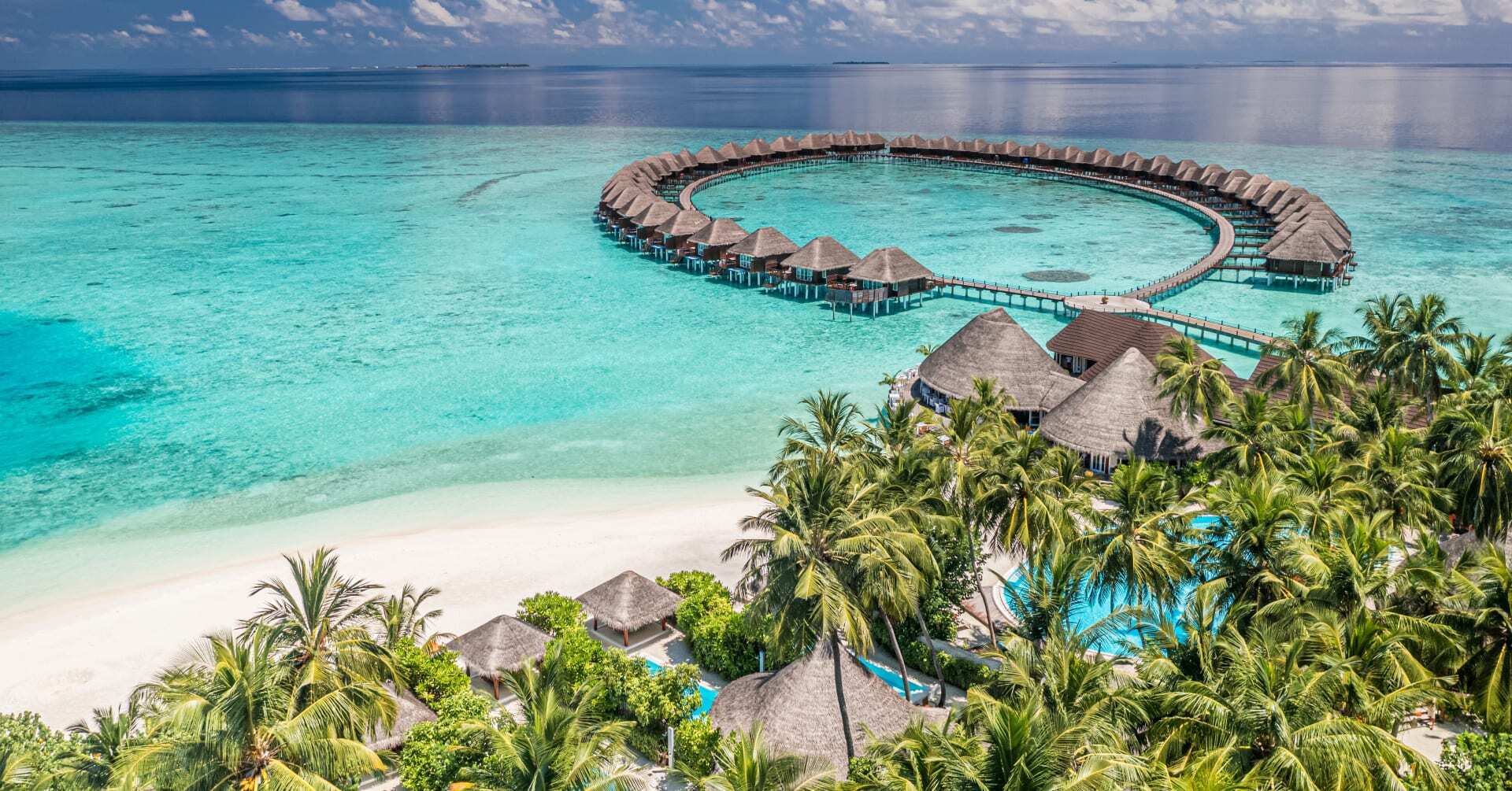
The Maldives is one of the safest winter choices for halal travel. It is a Muslim-majority country, so halal food is standard and easy to find. Alcohol is only allowed on resort islands, while local inhabited islands do not allow it at all.
December to February is the best time to visit because it is the dry season. The sea is usually calm, the weather is sunny, and the water is clear for snorkelling and diving. This is also a good time for boat trips and beach stays.
Many travelers like the Maldives because of the privacy. Overwater villas and private beach stays can work especially well for couples and families who want a quiet holiday. It is not the cheapest destination, but it can be more affordable than people expect if you compare prices on travel platforms instead of booking only luxury resorts directly.
United Arab Emirates
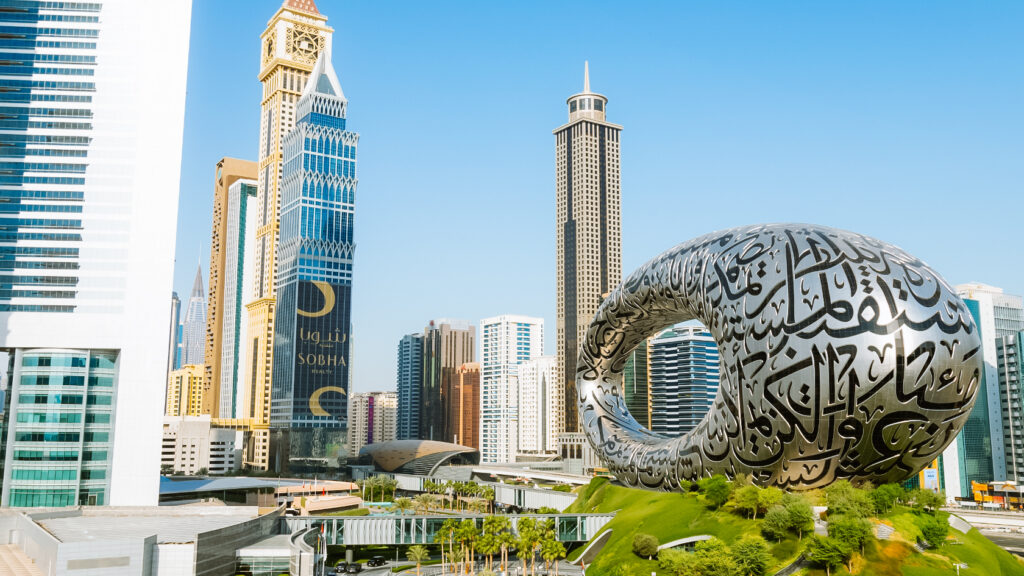
The United Arab Emirates is one of the best winter destinations for Muslim travelers because the weather becomes much more comfortable. Summer is extremely hot, but January and February usually bring clear skies and daytime temperatures around 24 to 26°C.
That makes winter the best time to enjoy outdoor places such as beaches, desert trips, waterfront walks, and open-air attractions. Cities like Dubai and Abu Dhabi are much easier to enjoy during this season.
The UAE is also very easy for halal travel. Mosques are everywhere, halal food is normal, and many hotels are used to serving Muslim guests. You can often find prayer mats, qibla direction signs, and alcohol-free room options if you ask. This makes the UAE a very convenient option for travelers who want comfort without extra planning.
Malaysia
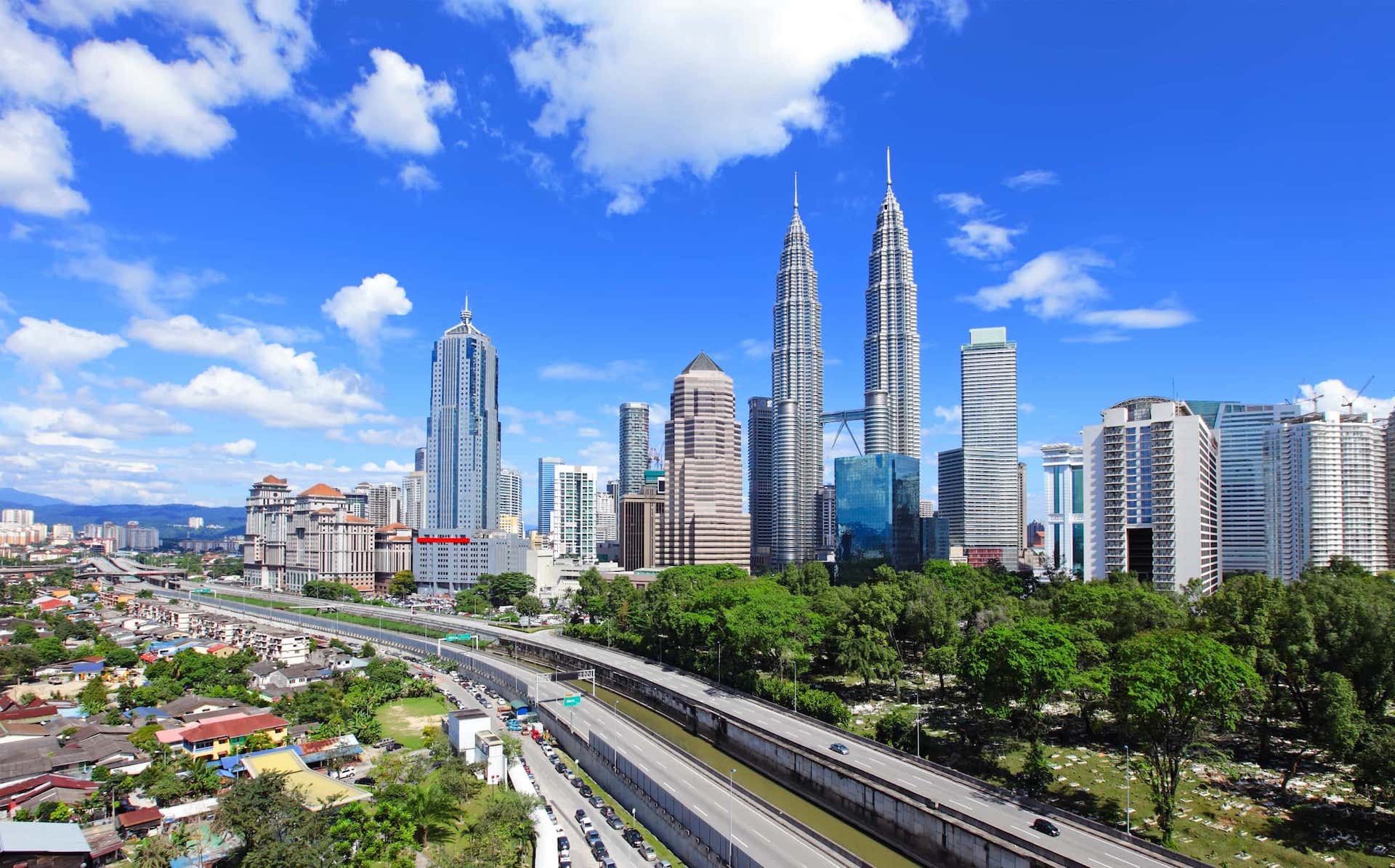
Malaysia is one of the easiest countries in the world for halal travel, but in December, you need to choose the right area. The east coast, including places like the Perhentian Islands, usually gets heavy rain from the northeast monsoon between November and February.
That is why the West Coast is the better choice during this period. Places like Langkawi, Penang, and Kuala Lumpur are much more suitable in December. The highlands can also be a good option if you want cooler weather.
Outside of this seasonal difference, Malaysia is very simple for Muslim travelers. Halal food is widely available, prayer facilities are common, and the country already has a strong Muslim-friendly travel environment. It works well for families, couples, and first-time halal travelers.
Turkey
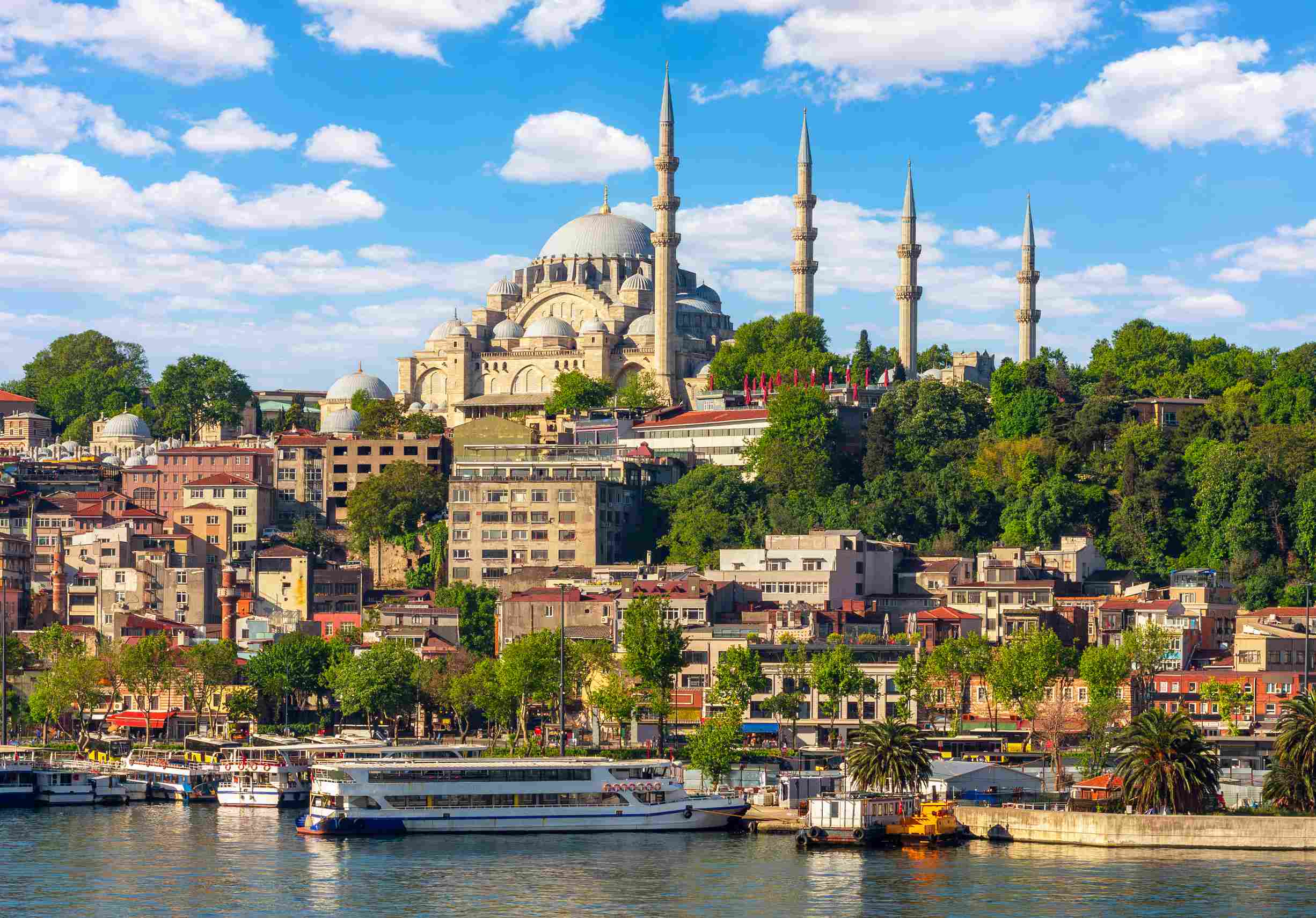
Turkey’s ski resorts are one of the easiest ways for Muslim travelers to enjoy a halal-friendly snow holiday. Resorts such as Uludağ near Bursa and Kartalkaya in the Bolu region are known for being practical and accessible.
Because Turkey is a Muslim-majority country, halal food is the normal option in most mountain restaurants and hotels. Some properties are also fully alcohol-free, which makes the experience more comfortable for travelers who want that environment.
Uludağ is especially popular because it can be reached from Istanbul in less than three hours. That makes it suitable even for a short winter break. For Muslim families or couples who want skiing without worrying too much about food and facilities, Turkey is one of the easiest choices.
Japan
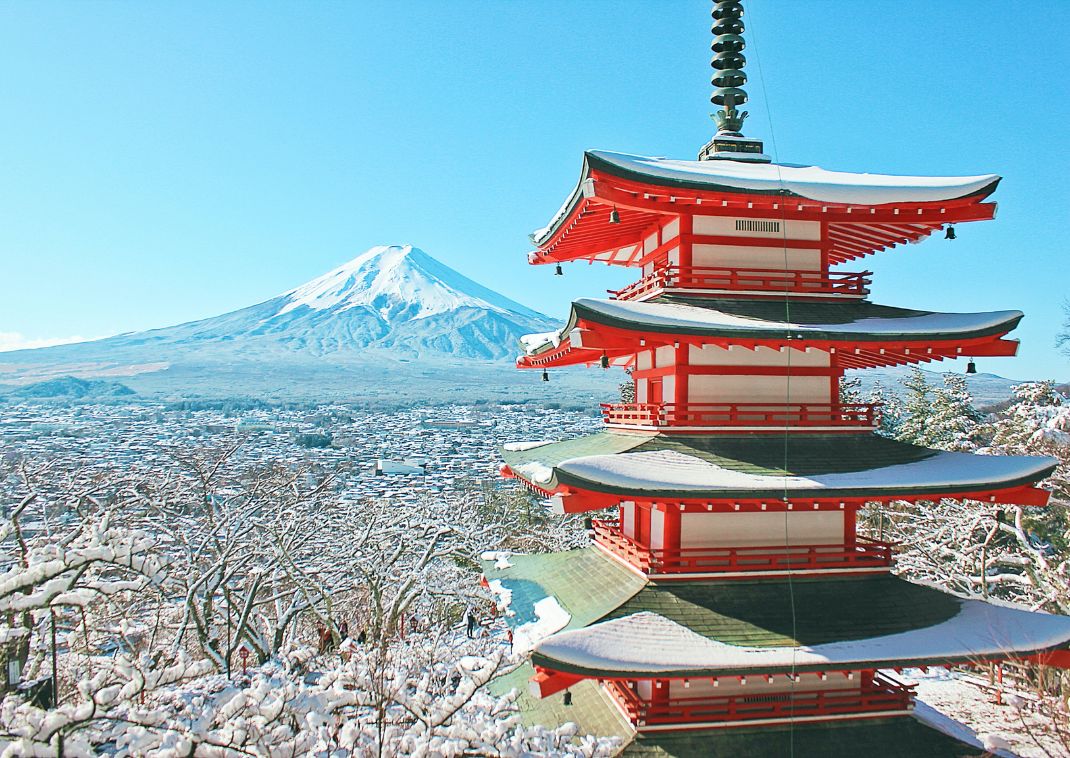
Hokkaido in Japan needs more planning, but it can be very rewarding. Areas around Sapporo, Niseko, and Furano have become more Muslim-friendly in recent years, with more halal-certified restaurants and lodges than before.
Sapporo Masjid gives Muslim travelers a prayer space in the city, and apps such as HalalNavi can help you find suitable food options in ski areas. This means the trip is now much easier to organise than it used to be.
January and February are the best months for snow in Hokkaido. The region is famous for soft powder snow, which is one of the main reasons skiers visit from around the world. For Muslim travelers from warm countries, Hokkaido can offer both a true winter experience and a holiday that is still possible to plan in a halal-friendly way.
Switzerland
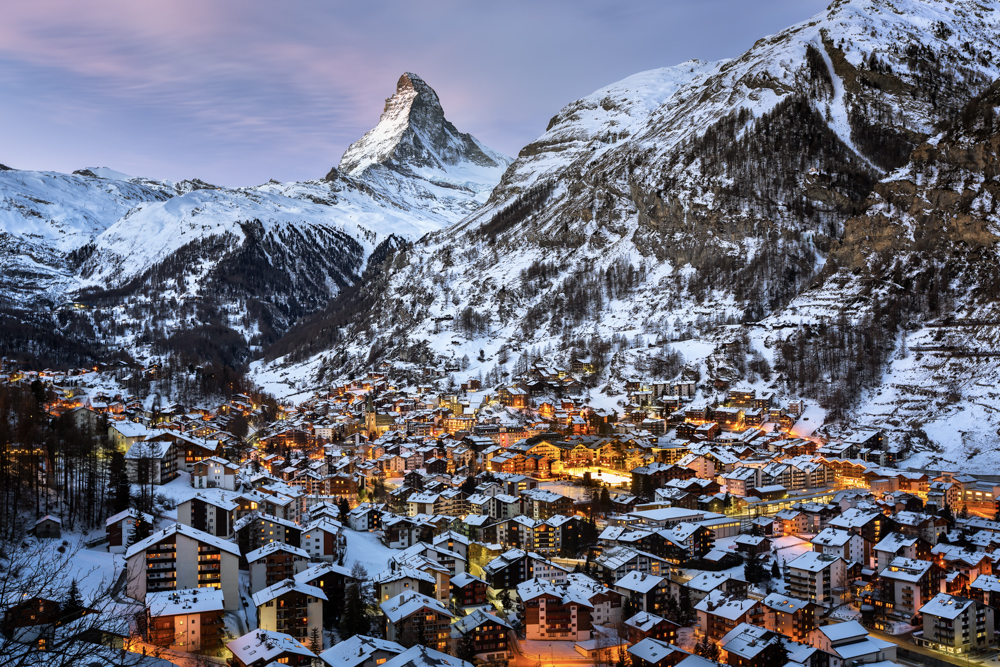
The Interlaken region in Switzerland needs the most preparation out of these winter destinations. Halal restaurants do exist, especially Turkish and Middle Eastern places, but they are fewer than in Turkey or even parts of Japan.
That means you need to plan food and prayer stops more carefully before you travel. It is a better choice for travelers who are comfortable doing research in advance rather than depending on last-minute options.
The reward is the setting. Interlaken offers beautiful mountain scenery, high quality skiing, and easy access to famous parts of the Swiss Alps. For Muslim travelers who do not mind extra planning, it can be an unforgettable winter destination.
What To Check Before Booking Any Winter Halal Resort
Most halal resort websites advertise halal food but do not specify whether the kitchen holds an actual certification or simply avoids pork. Before confirming any booking, email the property directly and ask for the name of their certifying body.
A genuinely certified kitchen will answer that question immediately and specifically. If the response is vague, that tells you something important about the gap between the marketing and reality.
Muslim-Friendly Travel In Spring (March To May)
Spring in 2026 is shaped by one central fact. Ramadan begins approximately in late February and ends in late March, which means early spring is a Ramadan travel window and the second half of the season is prime post-Eid territory. These two phases call for completely different destinations and planning approaches.
Where To Go During Ramadan
Traveling during Ramadan is not something every Muslim traveler chooses, but for those who do, it is one of the most spiritually and culturally rich travel experiences possible. The key is choosing a destination where the Ramadan atmosphere is genuinely immersive rather than incidental.
Turkey
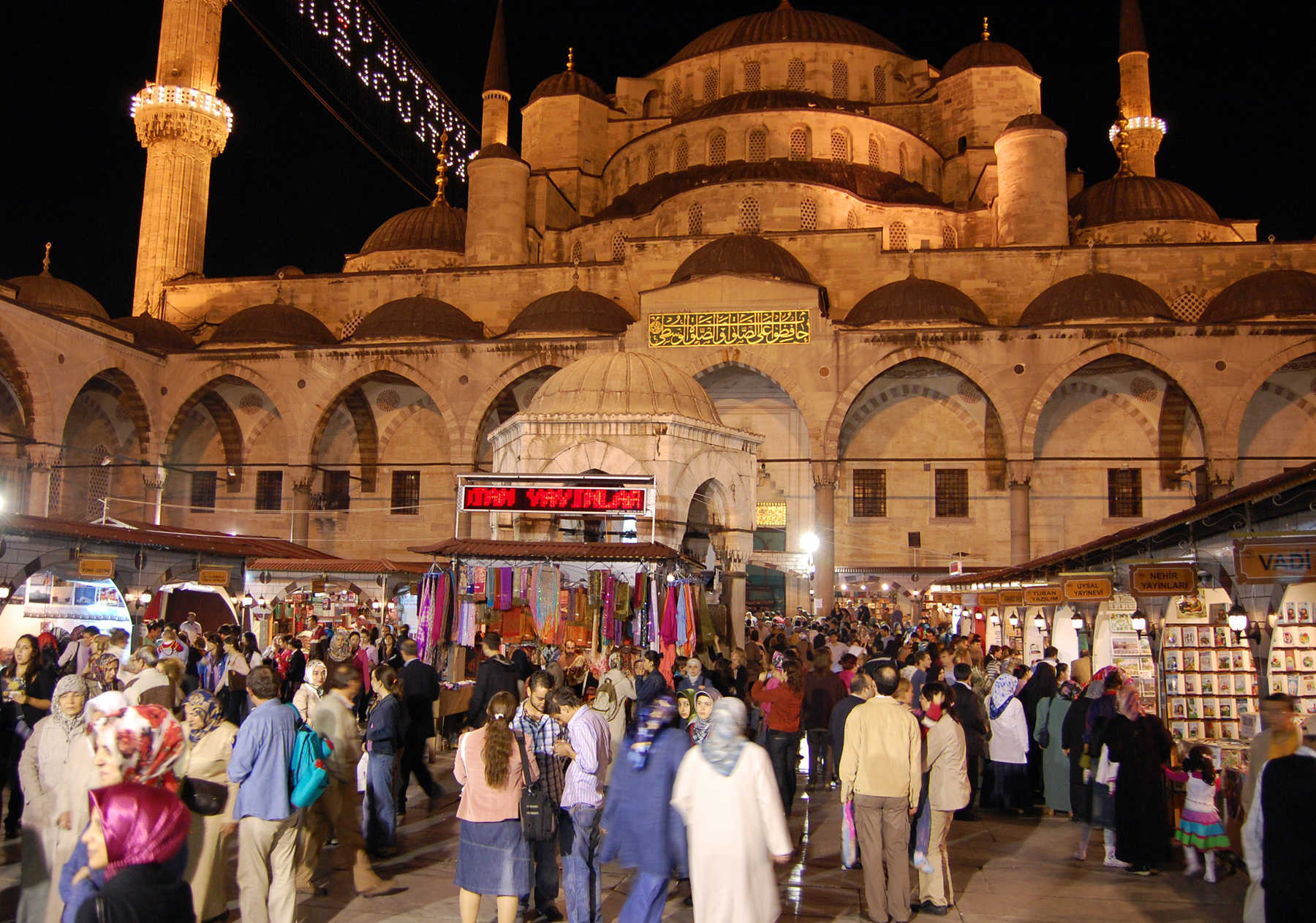
Istanbul is often seen as one of the best places in the world to experience Ramadan. During the holy month, the city feels more alive after sunset. Areas around Sultanahmet and the Blue Mosque often fill with long communal iftar tables, where people gather to break their fast together.
Markets like the Grand Bazaar and the Spice Bazaar stay busy late into the night, which gives the city a festive but spiritual atmosphere. Many restaurants also offer suhoor with views of the Bosphorus, which makes the experience feel even more special. Istanbul is a strong choice if you want a city where Ramadan is not just observed quietly, but deeply felt in public life.
Egypt
Cairo offers one of the richest Ramadan experiences for travelers who enjoy history, tradition, and atmosphere. At night, places like Khan el-Khalili bazaar become especially lively, with lanterns hanging above the streets, prayer calls in the background, and stalls selling popular Ramadan sweets and drinks.
The city is also a major centre of Islamic history. Landmarks such as Al-Azhar Mosque add a deeper religious and cultural meaning to the visit. One thing to keep in mind is that some attractions may open for fewer hours during Ramadan, so it helps to plan your daytime schedule. Cairo is a great option if you want Ramadan to feel both spiritual and historical.
Malaysia
Kuala Lumpur offers a Ramadan experience that feels welcoming, energetic, and easy to enjoy, especially for first-time visitors. Every afternoon, many parts of the city fill with bazaar Ramadan markets, where you can find a wide variety of street food for iftar.
One of Kuala Lumpur’s biggest strengths is convenience. Halal food is easy to find, prices are usually reasonable, and the city is simple to get around. The mix of Malay, Indian, and other local food traditions also gives you more variety than many travelers expect. Kuala Lumpur is a good choice if you want the Ramadan atmosphere without the intensity of a very crowded Middle Eastern city.
United Arab Emirates
Abu Dhabi is a good choice for travelers who want a meaningful Ramadan atmosphere with a high level of comfort. The Sheikh Zayed Grand Mosque becomes an especially important place during the holy month, and the city often hosts large communal iftars that bring people together in a calm and organised setting.
The city is also easy for families and couples because it combines the spiritual side of Ramadan with modern hotels, clean public spaces, and reliable transport. That balance makes Abu Dhabi appealing for travelers who want to focus on worship and reflection without giving up comfort and convenience.
Where To Go After Eid In April And May
Morocco
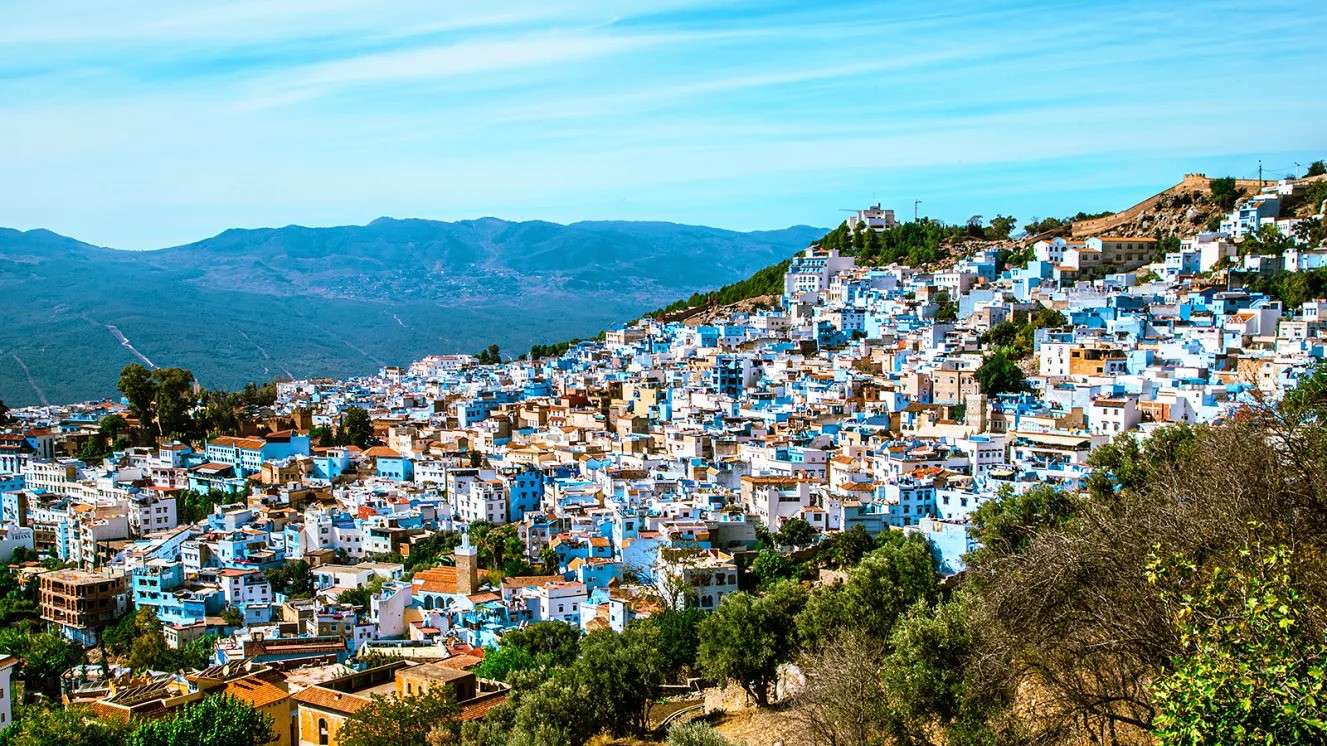
In April and May, Morocco is arguably at its absolute best. The summer heat has not yet arrived, wildflowers appear in the Atlas foothills, and the medinas of Marrakech, Fez, and Chefchaouen are navigable without the crushing August crowds.
As a Muslim-majority country, Morocco requires zero halal infrastructure planning. The post-Eid period also carries a particular warmth in Moroccan culture, with families still in a celebratory mode and hospitality at its most generous.
Jordan
In April, Jordan pairs beautifully with post-Eid travel. Petra, before the summer heat arrives, is a dramatically different experience from a midsummer visit. The weather is warm but not punishing, and the roses that give Petra its name are in bloom.
The Dead Sea, Wadi Rum, and the Roman ruins of Jerash are all accessible in genuine comfort. Jordan has well-established halal dining, mosques in every city and town, and a government that has invested meaningfully in Muslim-friendly tourism infrastructure.
Halal Beach Holidays And Summer Escapes (June To August)
Summer is peak family travel season, and for Muslim families specifically, a beach holiday requires a bit more thought than simply booking the most popular resort. Privacy, modesty, halal dining at resort level, and child-friendly infrastructure all factor in alongside the standard considerations of weather and price.
What Makes A Beach Destination Genuinely Halal-Friendly
The headline criteria for a Muslim-friendly beach holiday are consistent halal-certified food at the resort (not just at one token restaurant), a pool setup that offers women-only hours or a private villa pool, a cultural environment where modest swimwear does not attract unwanted attention, and alcohol-free room or property options. Several destinations now meet most or all of these criteria at scale, and those are the ones worth your time.
Turkey
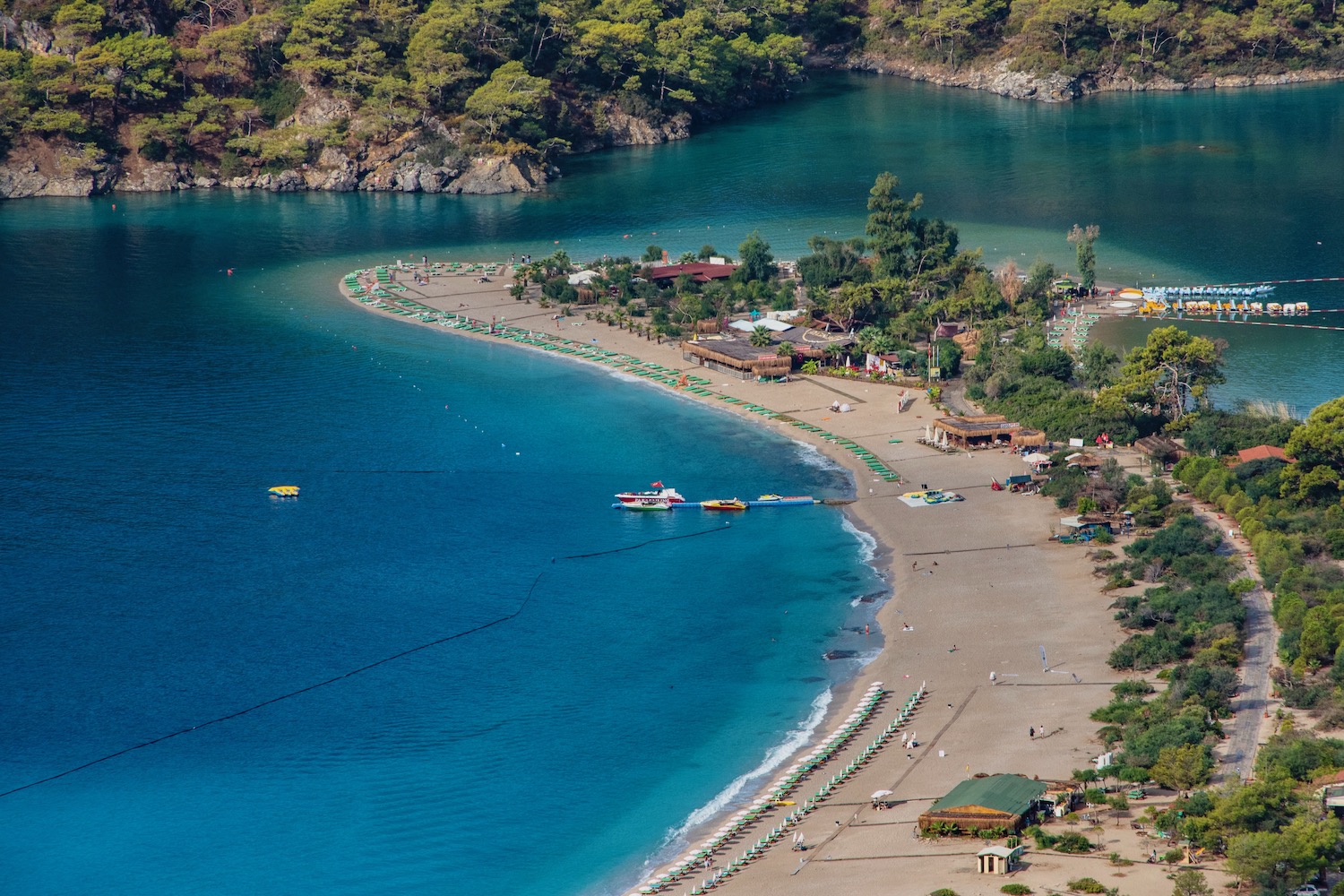
Antalya in Turkey is one of the best budget-friendly halal beach destinations in Europe. The area has many halal all-inclusive resorts. Most of them do not serve alcohol, have separate swimming areas for men and women, and use halal-certified kitchens.
More of these resorts have opened in the last ten years because many Muslim travelers want a Mediterranean beach holiday that fits their needs. This includes visitors from Gulf countries, Muslim families from the UK, and travelers from Malaysia and Indonesia.
Antalya is very hot in July and August, often above 35°C. September is a better choice if you want cooler weather, but summer usually gives you more halal resort options.
Malaysia
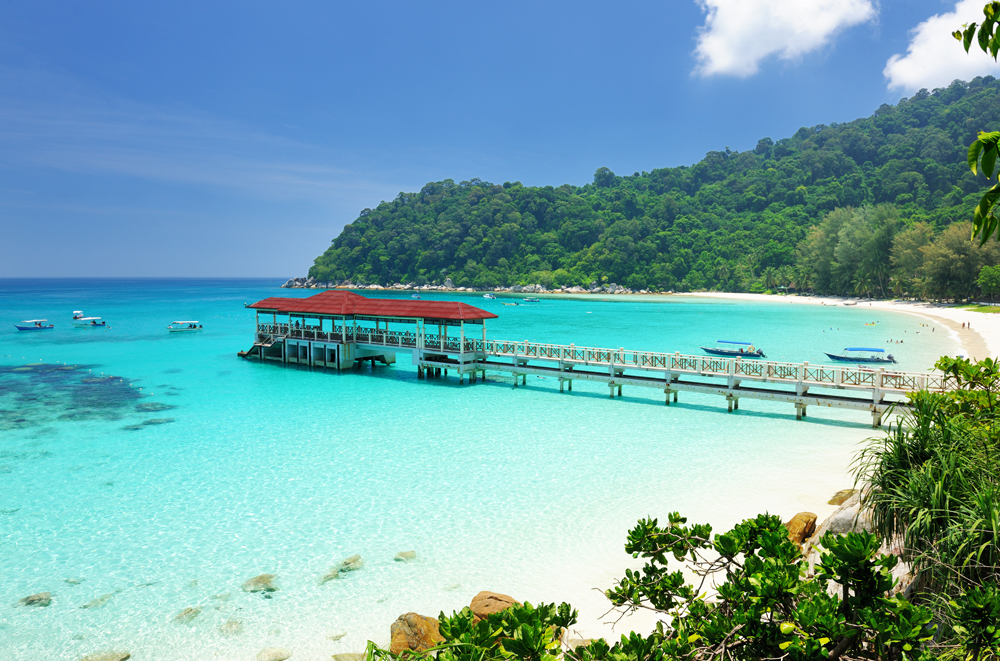
Langkawi and Penang in Malaysia offer a beach holiday that feels more familiar and comfortable for many Muslim travelers. This is especially true for visitors from Southeast Asia, the Gulf, and anyone who prefers a more Islamic environment.
Langkawi is known for being duty-free, which helps keep prices lower. It also has beautiful white-sand beaches, especially on the west coast. Halal food is easy to find, mosques are common, and the overall atmosphere is calm and relaxed.
Penang gives you both beaches and a historic town that is listed by UNESCO. It is also known for having one of the best food scenes in Southeast Asia, and much of the food is halal-certified. June to August is a good time to visit because it is the dry season on Malaysia’s west coast.
Indonesia
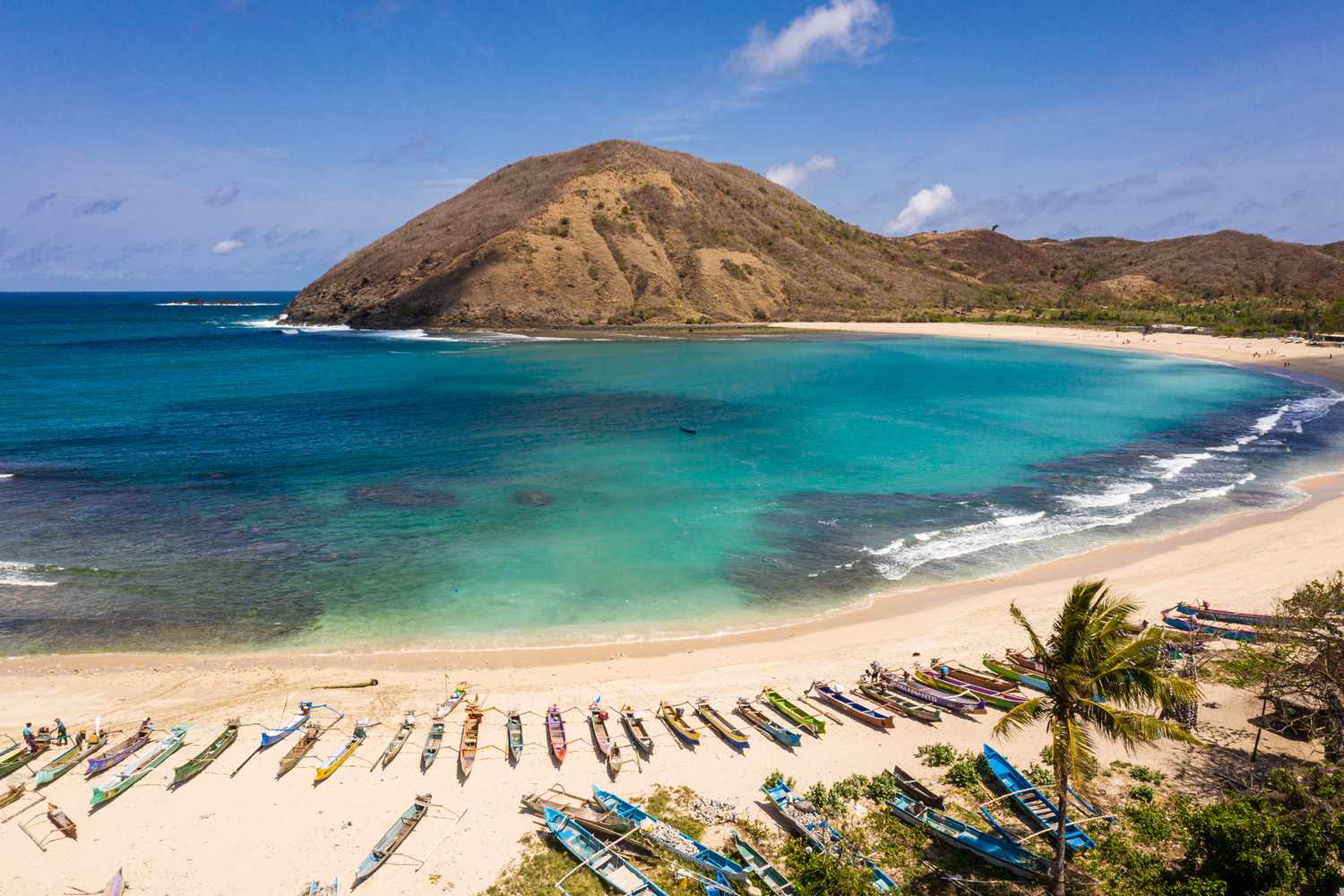
Lombok in Indonesia is a great option for travelers who want the beauty of Bali but in a place that feels more naturally halal-friendly. Most people in Lombok are Sasak Muslims, so halal food is the normal choice, modest dress is common, and the beaches feel comfortable and relaxed for Muslim women.
Beaches like Selong Belanak and Mawun are especially peaceful. The Gili Islands are also close by and are great for snorkelling. Lombok is usually less crowded than Bali and also more affordable.
Oman
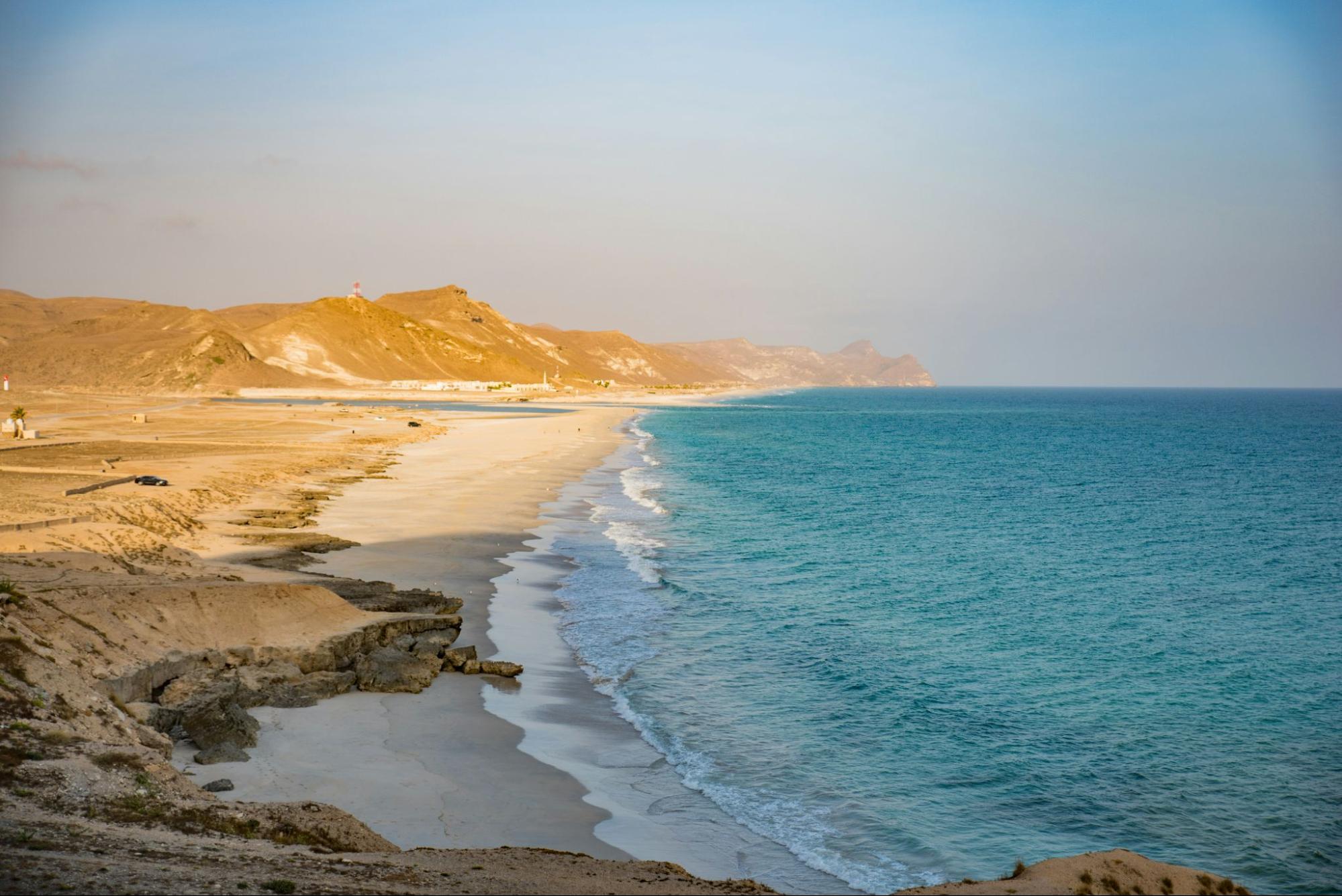
Oman is a less obvious choice, but it is a very rewarding one. The coast, especially around Muscat and the Dhofar region in the south, has clear blue water, beautiful scenery, and a warm, welcoming culture.
Summer can be very hot inland, but the coastal areas are cooler because of sea breezes. In Salalah and the Dhofar region, July and August bring the khareef season, when light monsoon mist turns the landscape green. For Muslim travelers who want both a beach holiday and a strong cultural experience, Oman is a very good choice.
Family Travel Checklist For Summer Halal Destinations
Before confirming any summer booking for a family trip, work through these questions.
- Does the resort hold a named halal food certification, or does it simply describe food as "halal-friendly"?
- Is there a women-only pool, a private villa pool, or clearly designated gender-separate swimming hours?
- Are prayer facilities available on the property, or is there a mosque within a comfortable walk?
- Does the property offer alcohol-free rooms or floors as a standard option?
- Is there a children's club or family-specific activity programme?
- What is the nearest medical facility, and is English-language support available?
Budget Vs. Luxury For Summer Halal Travel
For budget summer travel, Lombok (Indonesia) and Penang (Malaysia) deliver strong halal infrastructure at prices well below the Mediterranean average. Mid-range options are anchored by Antalya (Turkey) and Langkawi (Malaysia).
For luxury travel, Oman's coastal resorts and private island retreats in the Maldives are worth the investment. The Maldives in summer (June to August) is the wet season, which brings lower prices and smaller crowds while the destination itself remains genuinely beautiful.
The Best Halal City Breaks For Autumn (September To November)
Autumn is the season that opens the most interesting Muslim-friendly travel possibilities. Temperatures cool across Europe and East Asia, tourist crowds thin out, and city breaks come fully into their own. More importantly, autumn is the best season to tackle non-Muslim-majority countries that have quietly built impressive halal infrastructure over the past decade.
Japan
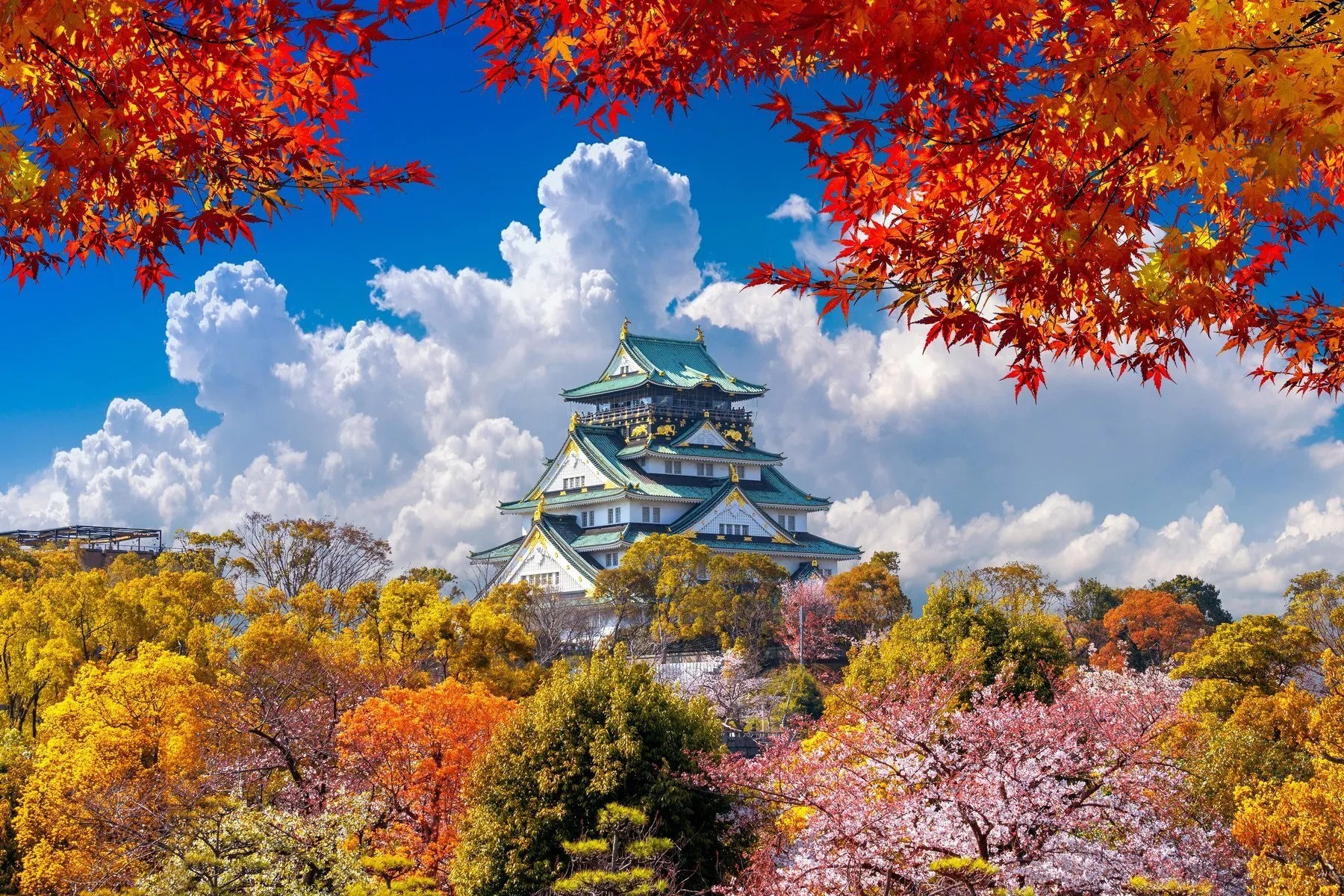
Japan is one of the most surprising non-Muslim-majority countries for halal travel, and autumn is the best time to go. September and October bring the famous autumn leaves season, known as momiji, and the heavy summer crowds are usually gone by then.
Big cities like Tokyo, Kyoto, and Osaka now have a growing number of halal-certified restaurants. Japan also makes travel easier for Muslim visitors through prayer rooms in major airports, some Shinkansen stations, and popular tourist spots. Tools like HalalNavi can help you find halal restaurants nearby in real time.
Japan does need more planning than a Muslim-majority destination, but the effort is worth it. If you want a trip that combines beautiful scenery, organised travel, and improving halal access, Japan is a very strong autumn choice.
South Korea
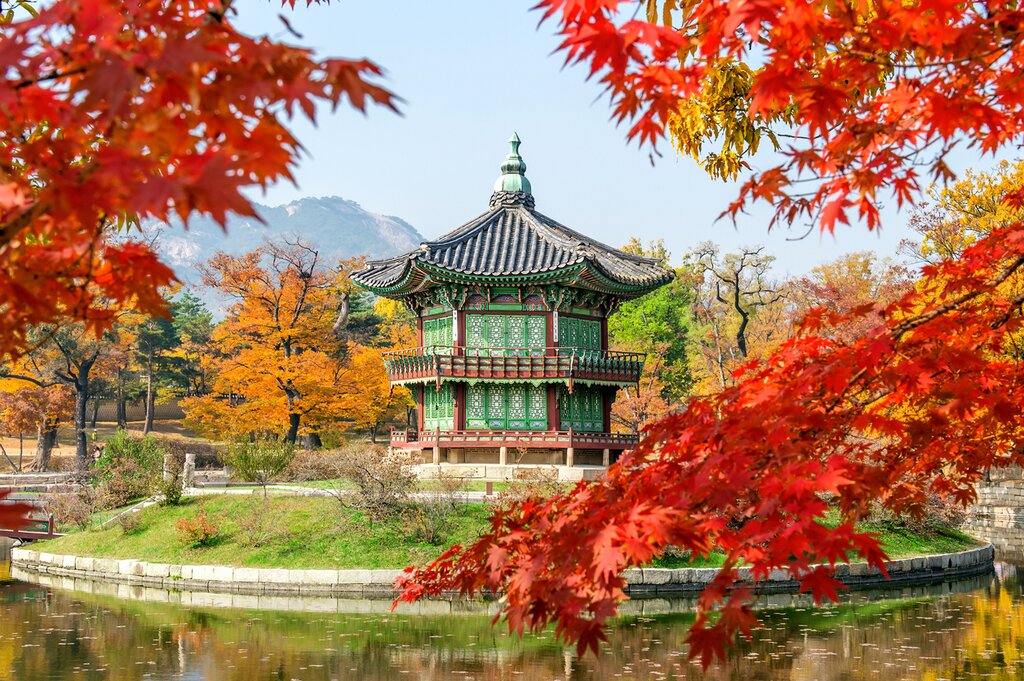
South Korea is becoming more halal-friendly, although it is still slightly behind Japan. Seoul has the strongest halal food scene, especially around Itaewon, where the Seoul Central Masjid is located.
Autumn in South Korea is especially beautiful. October brings colourful leaves, cooler weather, and a comfortable atmosphere for walking around the city or visiting nature spots. Many travelers also like the country because it is very clean, very safe, and easy to move around.
The Korea Tourism Organization has also created Muslim travel guides and has been improving halal facilities at major tourist locations. South Korea is a good option for travelers who want a modern East Asian trip with growing Muslim-friendly support.
United Kingdom
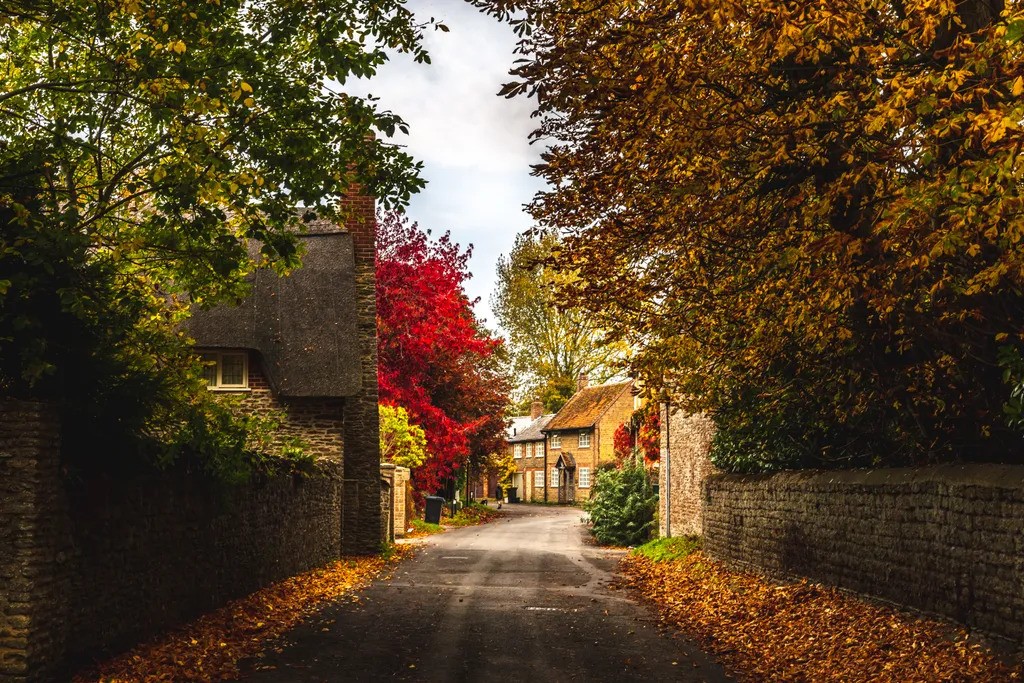
The United Kingdom, especially London, is already one of the easiest non-Muslim-majority destinations for halal travel. London has a large Muslim population, which means halal food is not hard to find.
One of the best things about London is variety. You can find everything from traditional South Asian halal food in places like Brick Lane to halal Japanese, Korean, Middle Eastern, and even fine dining options. This makes it a very comfortable city for Muslim travelers who do not want to limit their food choices.
Autumn is also a great season to visit because London’s cultural calendar becomes very active. Theatres, museums, galleries, and seasonal events are all in full swing. Beyond London, cities like Manchester, Birmingham, and Leicester also have strong Muslim communities and good halal access, which gives you more options if you want to travel around the country.
Spain
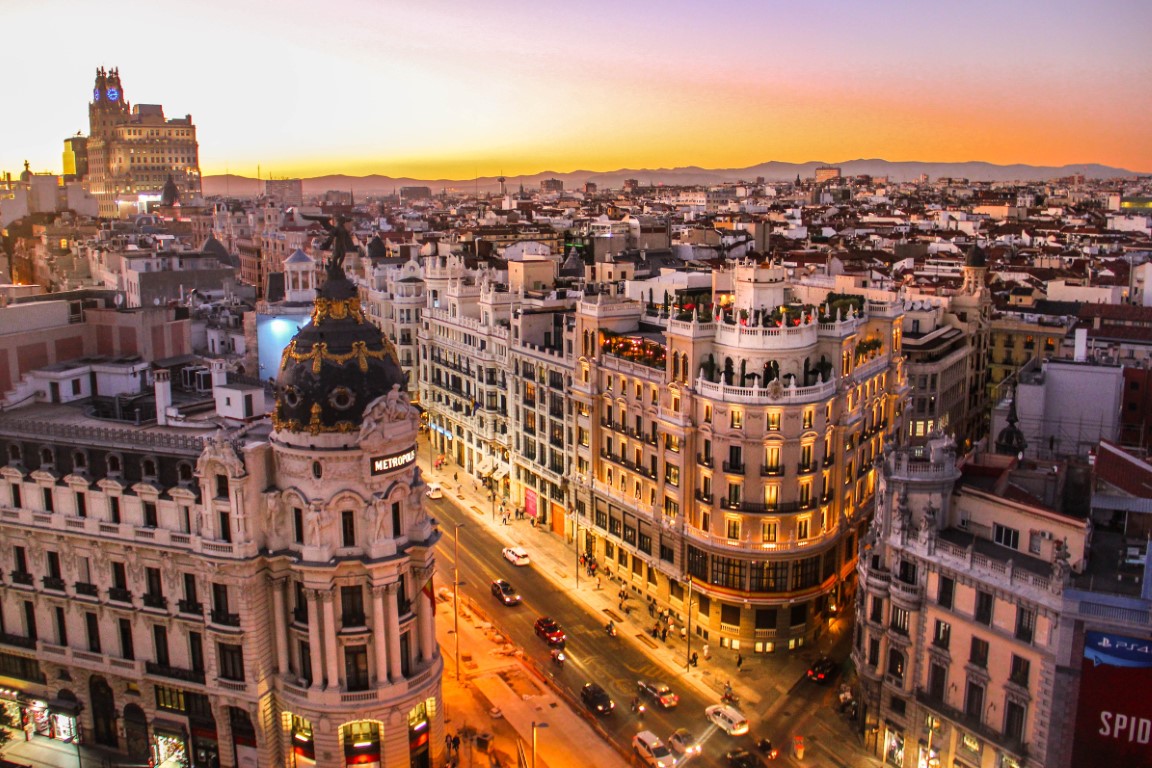
Andalusia in Spain offers something very special for Muslim travelers in autumn. Cities like Granada, Córdoba, and Seville were once major centres of Muslim rule in Al-Andalus, so the region carries deep Islamic history.
Places like the Alhambra in Granada and the Mezquita in Córdoba are not just famous tourist sites. Many Muslim visitors feel personal and meaningful because they connect directly to a major part of Islamic civilisation in Europe.
Autumn is one of the best times to visit because October and November are much cooler than summer, with fewer crowds. Halal restaurants are easier to find near the main heritage sites, and Muslim tourism has helped increase the number of suitable food options over the years. Andalusia is a strong choice if you want a trip that combines history, culture, and a comfortable autumn climate.
Bosnia And Herzegovina
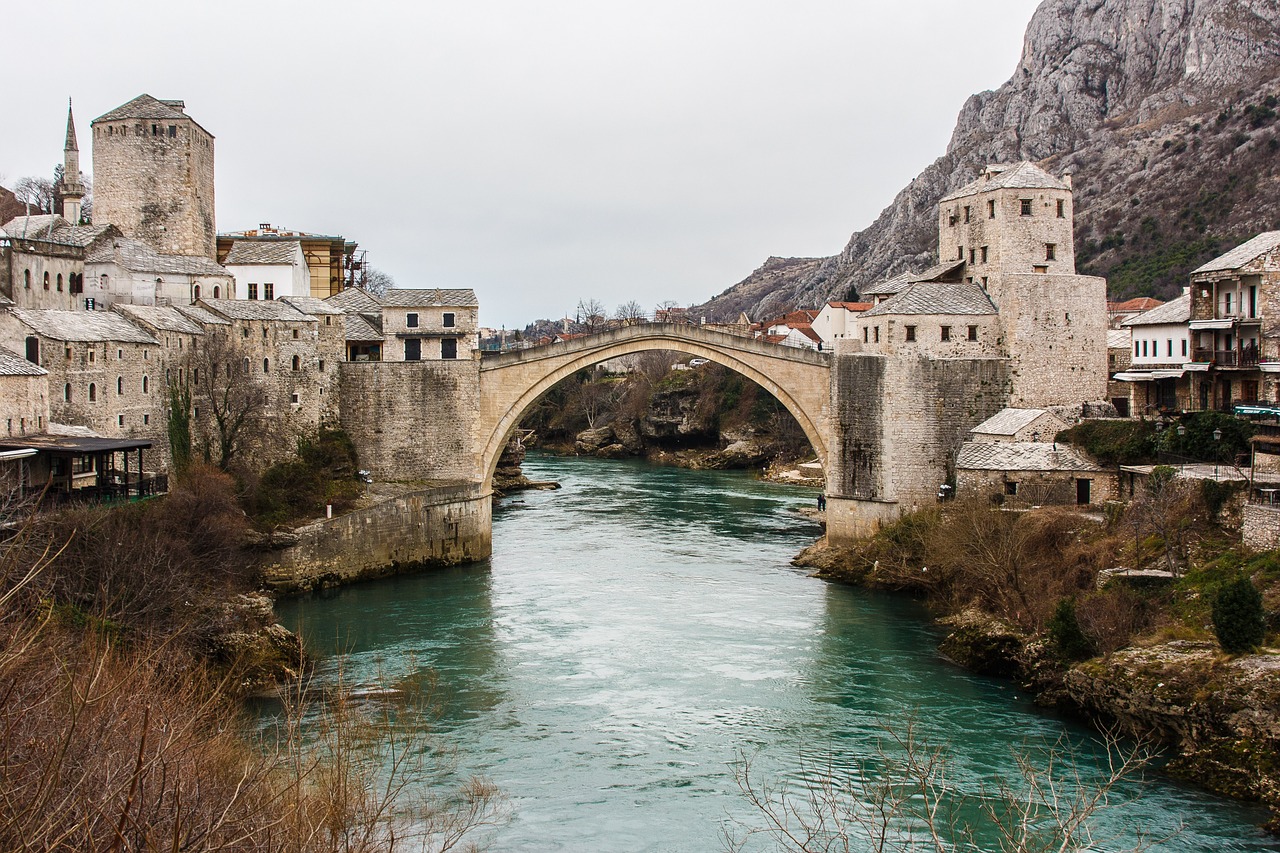
Bosnia and Herzegovina is one of the most overlooked halal-friendly city break destinations in Europe. Sarajevo is the main highlight. Its old bazaar, known as Baščaršija, its many minarets, and its strong café culture give the city a very distinctive feel.
Autumn is a great time to visit because the weather is cool, the trees add colour to the city, and there are usually fewer tourists than in summer. Halal food is easy to find across Sarajevo, which makes the city very comfortable for Muslim travelers.
Mostar is another place worth adding to the trip. It is about a two-hour drive from Sarajevo and is famous for the Stari Most bridge. Staying there for a night can make the trip feel more complete.
Albania
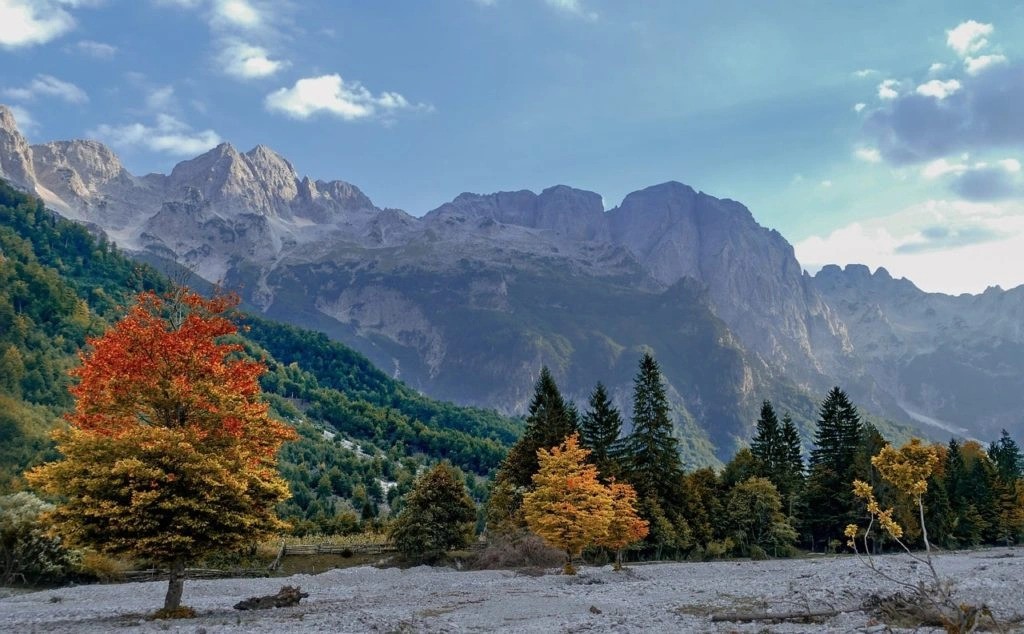
Albania often surprises travelers in a good way. Many arrive expecting things to be difficult, but instead find a welcoming and affordable country with a Muslim-majority population.
Tirana, the capital, has become a better short-break destination in recent years. It has a lively food scene, halal options, several mosques, and a relaxed atmosphere that feels similar to Bosnia in some ways.
Autumn is also a very good time to visit Albania. The weather is usually mild, and if you travel south, the beaches along the Albanian Riviera are much quieter than in summer. Prices are also one of Albania’s biggest advantages, since accommodation, food, and local travel are often cheaper than in many other European destinations.
Practical Tips For Non-OIC Autumn Travel
- Download HalalTrip or Zabihah before you travel.
- Save screenshots of halal-certified restaurants near your accommodation in case your mobile data stops working.
- Find the nearest mosque in each destination before you arrive.
- Check the local prayer times in advance, especially because autumn daylight hours change more quickly across Northern and Eastern Europe.
- If your trip depends on Ramadan timing or Hijri dates, it also helps to see the current Islamic calendarbefore you finalise bookings.
- Spend a little time planning these basics before your trip, because it can save you from the most common travel frustrations later.
How To Verify Halal Infrastructure Before You Book
One of the most common issues Muslim travelers encounter is arriving at a destination that describes itself as "halal-friendly" only to find the phrase meant very little in practice. A short verification process before booking removes almost all of that risk.
The Best Apps And Tools For Muslim Travelers
A few travel apps can make halal travel much easier, especially in places where Muslim-friendly options are not obvious right away.
- HalalTripis one of the most useful all-round platforms. It helps you find halal restaurants, prayer spaces, and Muslim-friendly hotels in many destinations. It is especially helpful in Southeast Asia, the Middle East, and Europe.
- HalalNaviis one of the best tools for Japan. It is useful for finding halal-certified and Muslim-friendly restaurants, especially in cities where planning matters more.
- Zabihahis one of the oldest and most trusted halal restaurant directories. It is particularly useful in non-Muslim-majority countries such as the United States, Canada, the United Kingdom, and Australia.
- Muslim Proand similar apps are helpful for daily travel needs. They can show prayer times, qibla direction, and nearby mosques, which makes it easier to stay organised while moving between places.
A good approach is to install these apps before your trip, test them at home, and save a few key locations in advance. That small step can make travel much smoother once you arrive.
Questions To Ask Your Hotel Before You Arrive
- Ask whether the hotel kitchen has a recognised halal certification.
- Ask for the name of the certifying body, not just a general claim that the food is halal.
- Check if the room includes a prayer mat.
- Check if the room has a qibla direction card or qibla information.
- Ask whether there is a mosque or prayer room within walking distance.
- If the hotel advertises a women-only or family-separate pool, ask for the exact opening hours.
- Ask whether that separation policy is enforced consistently or only at certain times.
- It is best to ask these questions before booking or immediately after booking, while you can still cancel.
- If a hotel markets itself to Muslim travelers but cannot answer these clearly, that usually shows a gap between its marketing and its actual service.
Pre-Travel Halal Verification Checklist
- Confirm halal food certification with the property directly, not just from the website description.
- Check HalalTrip or Zabihah for at least three certified dining options within 1km of your accommodation as a backup.
- Note the location of the nearest mosque and download prayer times for your travel dates.
- Confirm pool and beach modesty policies in writing before arrival if this is relevant to your group.
- Request the removal of any minibar or specify an alcohol-free room at the time of booking.
- Download an offline map with halal restaurant and mosque pins in case you lose mobile data access.
- For non-OIC countries, identify one English-speaking mosque contact who can assist with local recommendations if needed.
Frequently Asked Questions
What Is The Top Muslim-friendly Destination Of The Year?
Malaysia is first among OIC destinations. It remains the clearest general answer if you want the least friction overall.
Is A Muslim Majority Country Always Easier Than A Non Muslim Destination?
A non-Muslim destination with strong official Muslim visitor tools can be easier than a poorly chosen hotel or region inside a Muslim-majority country. Singapore, Hong Kong, and Japan show that clearly.
How Early Should You Book Ramadan, Eid, Or Ski Trips?
Earlier than a normal city break. Ramadan and Eid compress demand into a short window, while ski routes have limited room and resort supply. Aim early once your dates are fixed, especially for family rooms or privacy-focused stays.
Are Private Pool Villas Worth The Extra Cost For Modest Travel?
Sometimes. They are most worth it when privacy is the main purpose of the holiday. For city trips or shorter breaks, a better location and easier halal dining often give more practical value than a premium room.
Do You Need Official Halal Certification In Non-Muslim Countries?
It is not the only path, but it is the safest shortcut. In places like Singapore and Hong Kong, official halal systems or well-signposted Muslim travel tools reduce guesswork and save time.
How Do You Find Prayer Spaces In Non-OIC Destinations?
Start with official destination tools, then check local mosque maps and major mall or airport directories. Japan, Singapore, and Hong Kong all publish Muslim traveller material that helps before you land.
Can Mixed Muslim And Non-Muslim Groups Use The Same Destination List?
The best shared choices are places that balance halal ease with mainstream sightseeing, such as Malaysia, Türkiye, Dubai, Abu Dhabi, and Japan. They let one group travel comfortably without forcing the other into a niche trip.
Conclusion
The single most useful shift in halal travel planning is to start with the season and work outward from there, rather than picking a destination and hoping the timing cooperates.
Every destination in this article was chosen because it delivers something specific at a specific time of year. The weather cooperates, the halal infrastructure is accessible, and the cultural experience is at its richest.
Start with your season. Decide whether you want sun, snow, cultural immersion, or a city break. Then use the seasonal breakdown here, the app tools in the verification section, and the pre-booking checklist to build a trip that does not require you to compromise your faith to enjoy it.
Read Also: Best Places To Travel On A Budget
Jump to
A Few Things You Will Take Away From Reading This
What "Muslim-Friendly" Actually Means When You Are Choosing A Destination
Muslim-Friendly Destinations For Winter (December To February)
Muslim-Friendly Travel In Spring (March To May)
Halal Beach Holidays And Summer Escapes (June To August)
The Best Halal City Breaks For Autumn (September To November)
How To Verify Halal Infrastructure Before You Book
Frequently Asked Questions
Conclusion

Sophia Harper
Author
Sophia Harper’s photography acts as a portal to the soul of the places she visits. Drawn to South America’s landscapes and cultures, she has spent years capturing everything from the majesty of ancient ruins to the vibrancy of urban streets.
Sophia’s work isn’t just about documenting moments; it’s about evoking the emotions and stories behind them. A dedicated photographer, she has worked with local communities across South America to capture their rich cultural narratives through her lens.
Maya Reyes
Reviewer
Maya Reyes’s wanderlust was sparked in the temples of Luang Prabang, where the scent of lemongrass and the chants of monks revealed the transformative power of travel.
Since then, her journey has been defined by cultural immersion and authentic connections. From learning batik in Indonesia to sharing meals with nomadic families in Mongolia, Maya seeks experiences that highlight the human stories behind each destination.
Travel for her is a way to weave her narrative into the world’s cultural tapestry, creating bridges across diverse ways of life. Maya has traveled to 15 countries and shares her insights through writing and storytelling.
Latest Articles
Popular Articles