Best Horror Travel Destinations In Europe Ranked By The Type Of Fear They Deliver
Plan a horror travel trip across Europe with destinations ranked by experience type, from paranormal tours to genuine atrocity sites.
Author:Liam JonesReviewer:Maya ReyesApr 20, 202649 Shares49.3K Views

What The Best Horror Destinations In Europe Actually Offer
- Edinburgh, Scotland, is the most ghost-saturated city in Britain, with underground vaults, a haunted castle, and one of Europe's most active paranormal tourism scenes
- Bran Castle's Dracula connection is largely a myth, and the real Vlad the Impaler's fortress is far more chilling and far less visited
- The Paris Catacombs hold the bones of over six million people, but Sedlec Ossuary in the Czech Republic delivers a more concentrated and artistically striking experience
- Chornobyl and Pripyat are open to licensed tours, and radiation levels in permitted areas are lower than on a transatlantic flight
- Auschwitz-Birkenau stands apart from every other destination on this list, and it is not entertainment.
Europe has more genuinely unsettling places per square kilometer than anywhere else on Earth. It is a consequence of three thousand years of plague, war, empire, and folklore played out across a continent the size of a continent. If you are looking for a trip that gets under your skin, you are in the right place.
I have spent seven years visiting dark and unsettling places across Europe, and the most useful thing I can tell you is that the fear they produce is completely different from site to site. Knowing the difference before you book changes everything.
I have organized Europe's best horror travel destinations by the specific kind of experience they offer. Use it to find the category that matches what you are actually looking for, then go deep.
What Is Dark Tourism And Why Is It Growing?
Dark tourism is travel to sites associated with death, tragedy, war, or the macabre, pursued for historical understanding, reflection, or experiential reasons. It is one of the fastest-growing segments of the global travel industry. That growth is not morbid curiosity alone. Visiting Auschwitz, Chernobyl, or an ancient plague cemetery is often how travelers connect most directly with history, because the physical reality of a place carries weight that no documentary can fully replicate.
Ghost And Paranormal Destinations In Europe
If the atmospheric and legendarily haunted are what you are after, these cities and sites deliver the richest experience on the continent. What distinguishes the best paranormal destinations from the rest is layered history, quality tour infrastructure, and a genuine sense that the past has not quite let go.
Edinburgh, Scotland
No city in Europe has invested more seriously in its dark past than Edinburgh, and the result is a ghost tourism scene that is genuinely excellent rather than merely commercial.
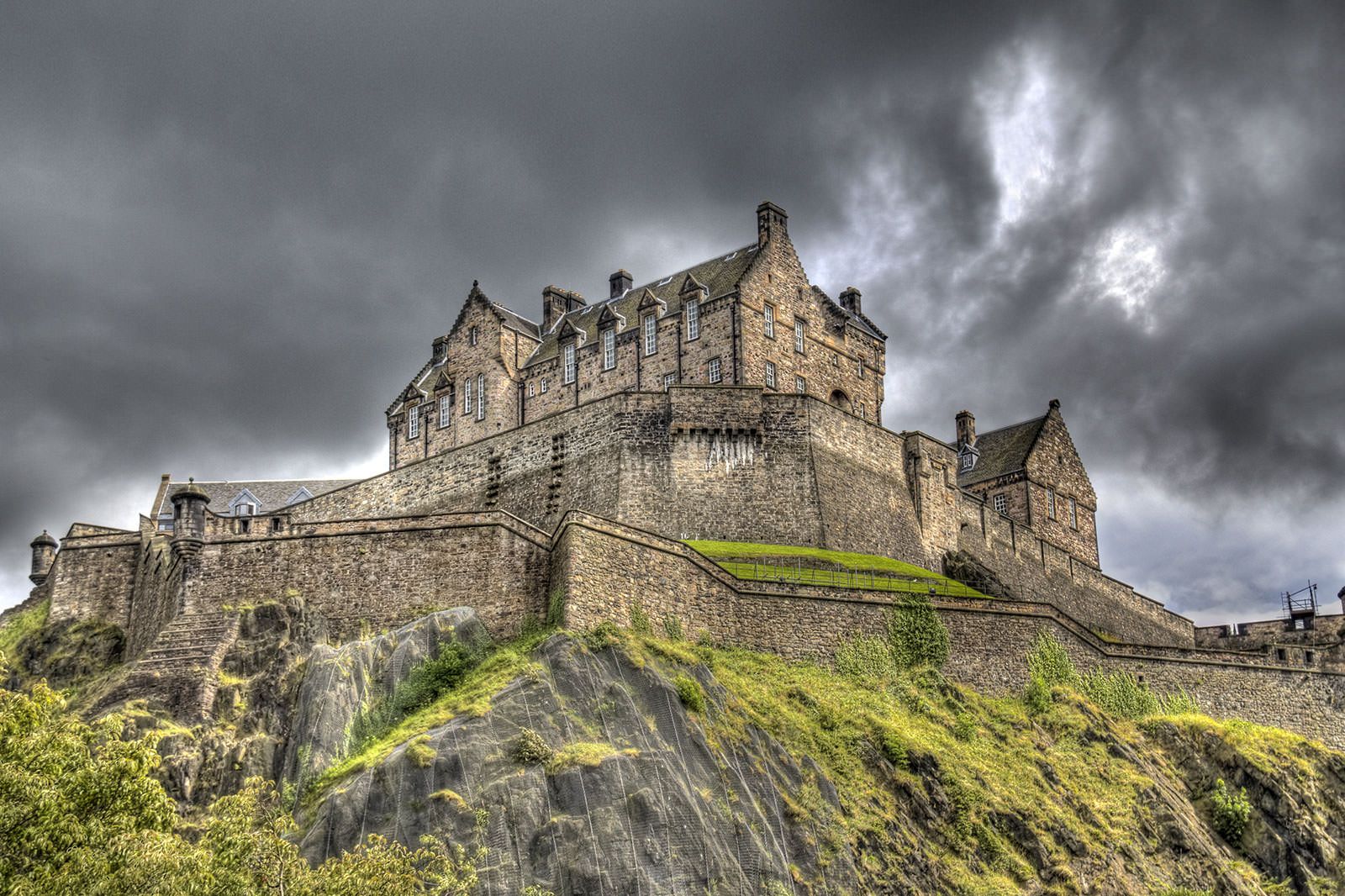
Edinburgh Castle And The Phantom Piper
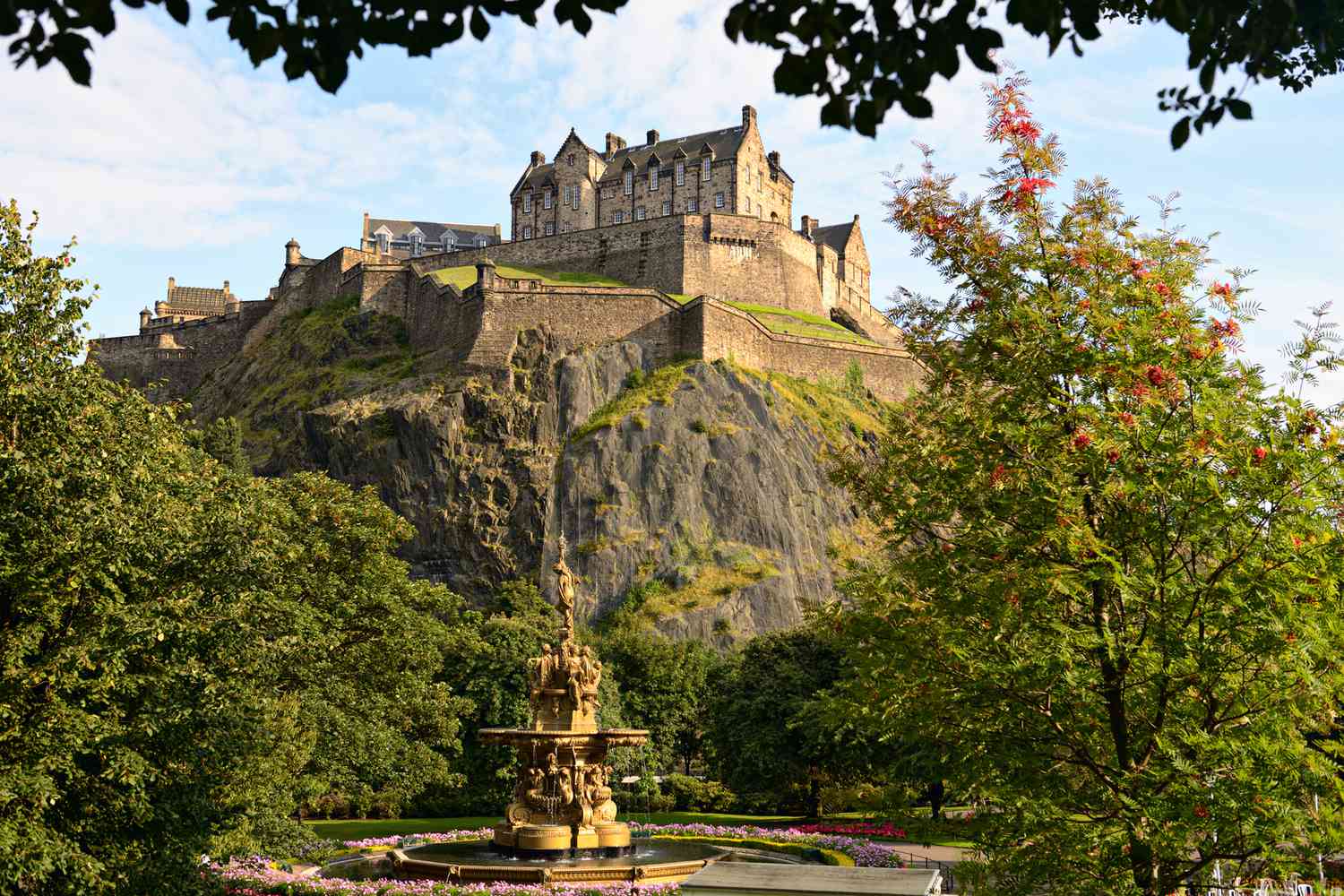
Edinburgh Castle sits at the top of the Royal Mile like a fortress holding the city together by sheer historical weight. Its dungeons held prisoners for centuries, and the famous Phantom Piper legend holds that a boy sent to explore the tunnels connecting the castle to Holyrood Palace was heard playing his bagpipes until the music suddenly stopped. No body was ever found.
Paranormal investigators have recorded unexplained sounds and temperature drops in the lower vaults consistently across multiple studies. The headless drummer is another standout because he supposedly appears before the castle faces a military threat, first recorded in 1650, before Oliver Cromwell's attack.
The South Bridge Vaults
The South Bridge Vaults are sealed underground chambers beneath Edinburgh's Old Town, used historically to house the city's poor, criminals, and plague victims. They were sealed and forgotten for nearly two centuries before being rediscovered.
The air inside is damp and cold regardless of the season. Multiple paranormal investigation groups have logged this as one of the most active sites they have studied, and even skeptical visitors tend to come back unsettled.
Mercat Tours and Auld Reekie Tours both run excellent guided vault experiences. Book at least two weeks ahead in October.
Greyfriars Kirkyard
Greyfriars Kirkyard is famous for two things: the loyal Skye Terrier Greyfriars Bobby, whose statue stands at the gate, and what paranormal investigators call the "MacKenzie Poltergeist." The mausoleum of George MacKenzie, who imprisoned and executed hundreds of Covenanters in the late 17th century, sits in the eastern section of the cemetery.
Since a homeless man broke into the mausoleum in 1999, visitors have reported unexplained bruising, bites, and sudden illness near the tomb. The site has logged more than 500 reported incidents since then.
Practical information:Edinburgh ghost tours typically run year-round. Expect to pay £12 to £25 per person. The South Bridge Vaults require booking in October. Wear sturdy shoes: the vaults have uneven floors and low ceilings.
Prague, Czech Republic
Prague's medieval architecture is so well-preserved that the ghost stories feel less like invented folklore and more like a natural consequence of walking streets that have barely changed in six centuries.
Houska Castle
Houska Castle, about 47 kilometers north of Prague, is one of the strangest buildings in Europe. Unlike most medieval castles, it was built with no water source, no fortifications designed to repel external attack, and no nearby population to serve.
Czech folklore holds that it was constructed over a bottomless pit believed to be a gateway to hell, with the castle itself functioning as a cap over the opening. Whether or not you believe that, the building's layout is genuinely odd and difficult to explain with conventional defensive architecture logic. The chapel is painted with frescoes of a left-handed archer shooting at a woman, a motif historians have never satisfactorily explained.
The Golem Of The Old Jewish Quarter
The legend of the Golem, a clay figure brought to life by Rabbi Loew in the 16th century to protect Prague's Jewish ghetto, is one of the city's most enduring dark stories. Walking through Josefov, the old Jewish Quarter, at night, the lanes are narrow enough that the legend feels plausible in a way it never would in daylight.
Practical information:Prague ghost walks run most evenings and cost approximately €10 to €20 per person. Houska Castle requires a car or an organized day tour from Prague. Check seasonal opening hours before visiting.
Dublin, Ireland
Halloween did not originate in America. The Celtic festival of Samhain, from which the holiday descends, was practiced across Ireland for over two millennia before Irish migrants carried the tradition to North America in the 19th century. Dublin takes its role as horror's ancestral home seriously.
Glasnevin Cemetery And The Gravedigger Ghost Tour
Glasnevin Cemetery is one of the largest and most historically significant burial grounds in Ireland, holding over 1.5 million people, including Daniel O'Connell and Michael Collins. The Gravedigger Ghost Tour, named after the pub that has served the cemetery's workers for 165 years, leads visitors through the cemetery at night and into Kilmainham Gaol, the prison where leaders of the 1916 Easter Rising were executed. It is theatrical without being false because the history is real and told well.
Kilmainham Gaol
Kilmainham Gaol operated from 1796 to 1924. The final executions carried out there, of the 1916 Rising leaders, took place in the stone-breaking yard. Walking through the cells and corridors, even on a guided daytime tour, produces a specific heaviness that is difficult to explain and easy to remember. Book tickets in advance through the official Kilmainham Gaol website because it sells out regularly.
Leap Castle
Leap Castle in County Offaly is not on the main tourist trail, which is precisely why it delivers. The castle has a documented history of massacre, including a slaughter carried out by one branch of the O'Carroll family against another during a religious ceremony in the 15th century.
When a hidden oubliette was discovered during renovations in the 1900s, it was found to contain three cartloads of human remains along with a pocket watch dating to the 1840s, suggesting people were dropped into it across multiple centuries. The castle is privately owned. Tours are limited and must be arranged in advance directly with the owners. Getting there requires a car.
Practical information:Dublin ghost tours from €20 to €35 per person. Leap Castle tours are irregular; check the castle's social media for current availability. Kilmainham Gaol tickets sell out, especially in summer and October.
London, England
London's dark tourism infrastructure is the most developed of any European city. That is partly its advantage and partly its weakness: some experiences have been so thoroughly commercialized that they feel more like theme park attractions than genuine encounters with history.
The Tower Of London
The Tower of London has held, tortured, and executed some of the most significant figures in English history. Anne Boleyn, Catherine Howard, and Lady Jane Grey were executed here. The Princes in the Tower, Edward V and his younger brother, were imprisoned in 1483 and never seen again. Their ghosts are reported to roam the grounds holding hands.
Historic Royal Palaces manages the site, and the Yeoman Warder tours are genuinely good: dramatic, historically accurate, and human in a way that self-guided visits are not. The evening tours, run separately, add an appropriately atmospheric layer.
Whitechapel And The Jack The Ripper Trail
The alleys of Whitechapel have changed remarkably little since the 1880s in certain sections, and the Jack the Ripper walking tours that move through them at night are among London's most popular dark tourism offerings. The best of them are led by guides who are genuinely knowledgeable about the history of the East End and honest about the limits of what is actually known about the killer's identity.
Practical information:Tower of London admission is around £32 per adult. Jack the Ripper walking tours range from £12 to £20 per person. Book the Yeoman Warder tour through Historic Royal Palaces directly.
Dark History And Atrocity Destinations
These destinations require different emotional preparation than ghost tours. They are not scary in the conventional sense. They are sobering in a way that changes how you see the world.
Auschwitz-Birkenau, Poland
This section needs to be said plainly: Auschwitz is not a "horror travel destination" in the entertainment sense. It is a UNESCO World Heritage Site and the largest cemetery in the world, where over 1.1 million people, the majority of them Jewish, were systematically murdered between 1940 and 1945. The Auschwitz-Birkenau Memorial and Museum maintains the site and asks that all visitors approach it with the respect it demands.
Walking through the gates of Auschwitz I, under the infamous "Arbeit Macht Frei" sign, and then across the vast open ground of Auschwitz II-Birkenau, is one of the most affecting experiences available to any traveler in Europe. It is the weight of documented, recorded, and photographed human suffering on an industrial scale. The piles of confiscated shoes, suitcases, and children's clothing in the museum block are not props.
If you visit only one place on this entire list, make it this one.
How To Visit Respectfully And What To Expect
The memorial requires booking at auschwitz.org. Entry to the site is free, though guided tours carry a fee and are strongly recommended for first-time visitors. The tour lasts approximately three to three and a half hours.
Photography is permitted in most areas but must be approached with judgment. Dress modestly and appropriately for the weather: the site is largely outdoors and can be brutally cold from October to March.
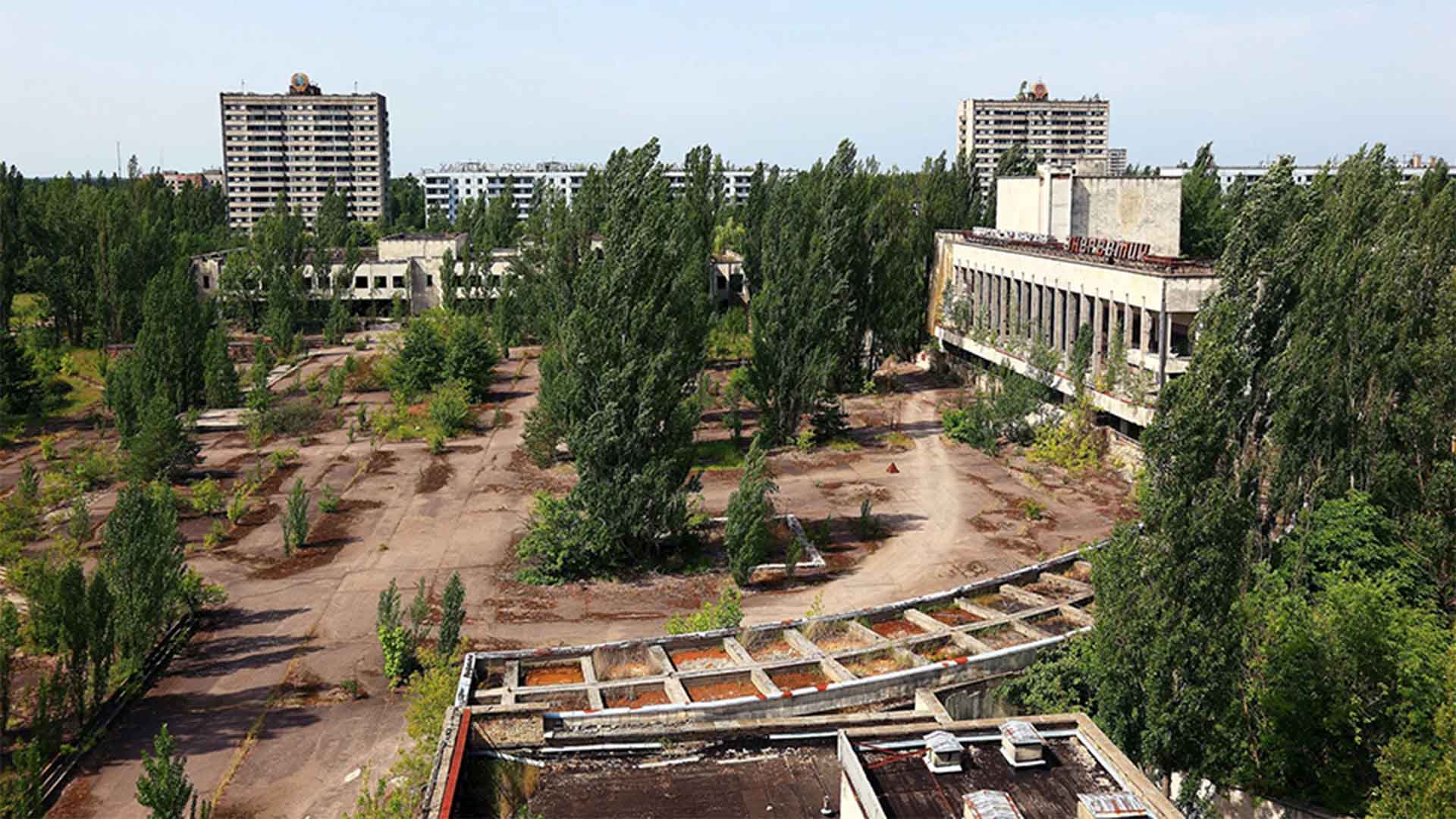
Chernobyl Exclusion Zone And Pripyat, Ukraine
The 2019 HBO series brought Chernobyl's story to a new global audience, and tourism to the exclusion zone grew substantially in the years following its broadcast. The site is genuinely extraordinary, and the concerns people often raise about safety are largely overstated.
The series is exceptionally well-made and historically accurate in broad terms, but it dramatizes radiation exposure in ways that create exaggerated fears. The International Atomic Energy Agency (IAEA) has monitored the exclusion zone extensively. According to their published data, radiation levels in the areas accessible to tourists are equivalent to or lower than the radiation received during a standard transatlantic flight. You are not walking into a death zone.
What the series also does not capture is the specific quality of the silence in Pripyat, the city closest to the reactor that was evacuated within 36 hours of the explosion in 1986. Apartment blocks still contain furniture. A school gymnasium still has children's gas masks on the floor. An amusement park, built but never officially opened, has a Ferris wheel that occasionally creaks in the wind.
How To Book A Licensed Chernobyl Tour
You must visit the exclusion zone with a licensed tour operator. Day tours and multi-day tours depart from Kyiv. Reputable operators include SoloEast Travel and Chernobyl Tour. Before booking, verify that your chosen operator is licensed by Ukraine's State Inspection for Nuclear and Radiation Safety. The tour includes a Geiger counter for your own monitoring throughout the visit.
Practical information:Day tours from Kyiv typically cost €100 to €150 per person. Check current access conditions before booking, as political circumstances in Ukraine have affected availability in recent years. Verify the latest status with the tour operator directly.
Patarei Prison, Tallinn, Estonia
Most European dark tourism itineraries do not include Tallinn. They should. Patarei Prison operated from the Russian Imperial era through the Soviet occupation of Estonia, during which it was used to imprison, torture, and execute political prisoners. The building sits on the waterfront, elegant and sea-facing from the outside, utterly brutal within. It has been partially open for self-guided exploration since its closure in 2002, and restoration work is ongoing.
The cells are small and cold. Graffiti scratched by prisoners into the walls has been deliberately preserved. The execution chamber is intact. What makes Patarei particularly affecting, beyond the physical details, is that the suffering here is recent: this was a functioning prison within living memory, in a country that regained its independence only in 1991.
Practical information:Patarei is in the Kalamaja district of Tallinn, walkable from the Old Town. Check visitestonia.com for current opening hours and any conservation closures, as access to certain sections varies seasonally.
Abandoned And Urbex Horror Destinations
For travelers drawn to the existential horror of abandonment, where human civilization simply stopped one day and nature began reclaiming everything, Europe has sites that rank among the finest in the world.
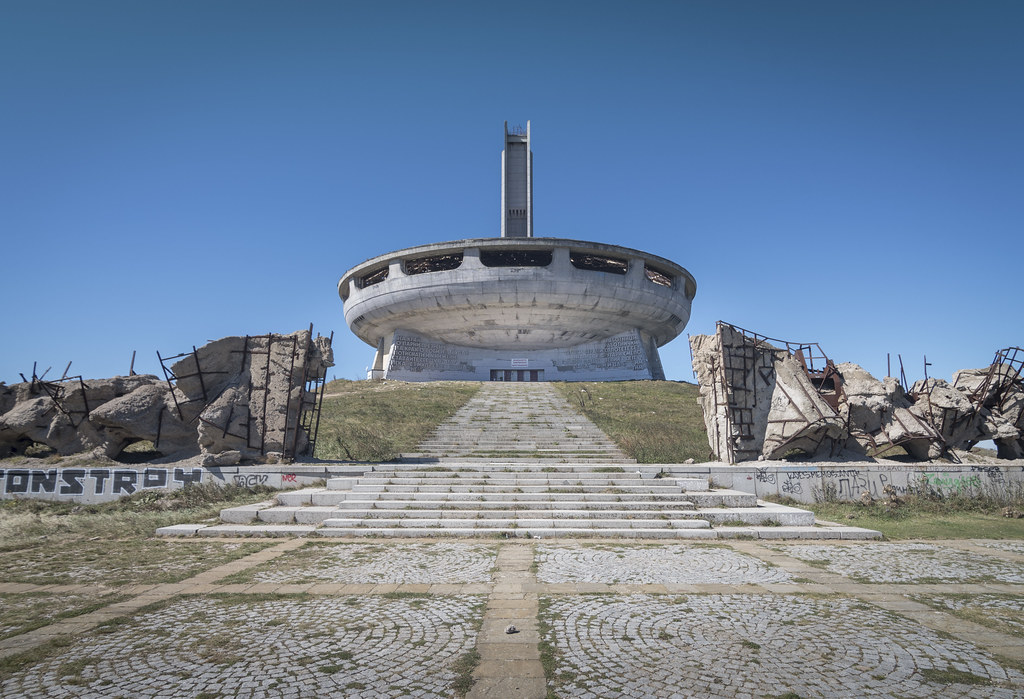
Buzludzha, Bulgaria
Buzludzha sits at 1,441 meters above sea level in the Balkan Mountains, and the drive up to it feels appropriately ominous. The building is a vast flying-saucer-shaped monument built to celebrate the Bulgarian Communist Party, completed in 1981 and abandoned a decade later when communism collapsed. The mosaics inside, depicting communist ideals and revolutionary imagery, are in advanced decay. The building is officially closed, though it remains accessible.
The Bulgarian authorities have been debating its fate for years. Some want demolition; others want heritage preservation. Until that decision is made, Buzludzha exists in limbo: too significant to be forgotten, too compromised to be easily saved.
Practical information:Buzludzha is not served by public transport. You will need a car, and the mountain road is steep. Visit in summer when the pass is reliably open.
Teufelsberg, Berlin, Germany
Teufelsberg, "Devil's Mountain," is a 120-meter hill in western Berlin's Grunewald forest. It is not a natural hill. After World War II, the rubble of destroyed Berlin was used to bury an unfinished Nazi military technical college that could not be demolished. Over that buried building, the rubble was piled until it formed a hill, and on that hill the Americans built a Cold War listening station that monitored Soviet communications until 1989.
The station's distinctive radomes still stand, covered in murals by Berlin's street art community. Inside, the structure is cavernous, eerie, and atmospheric in a way that layers three distinct dark histories into a single location. Walking through the echoing halls and wind-beaten towers can feel strangely unreal, almost like stepping into the setting of a simulation game, except the history beneath your feet is entirely real.
Practical information:Guided tours of Teufelsberg are available most weekends. They cost approximately €8 to €12 per person. Independent access is permitted in some areas. Check the Teufelsberg Berlin website for current tour schedules.
Varosha, Cyprus
Varosha was one of the most popular beach resort towns in the Mediterranean until Turkish forces occupied northern Cyprus in 1974, and its inhabitants fled within days. The town was sealed off behind military fencing. Hotels, apartments, and shops were left exactly as they were, untouched for decades.
In 2020, parts of Varosha were partially reopened by Turkish Cypriot authorities, though access remains highly restricted and the area is politically sensitive. Visitors cannot freely walk through the abandoned streets.
What you can do is approach the fenced perimeter and view the decaying buildings from outside, which remains genuinely affecting. The hotels are visible but unreachable. This is one case where the "abandoned city" experience is significantly more limited than most travel content suggests.
Macabre Art, Bone Chapels, And Anatomical Horror
This category is, in my experience, the one that lingers longest. There is something about a space filled with human remains that was designed not to frighten but to contemplate mortality that gets into the mind in a way no ghost tour ever quite manages.
Sedlec Ossuary, Kutná Hora, Czech Republic
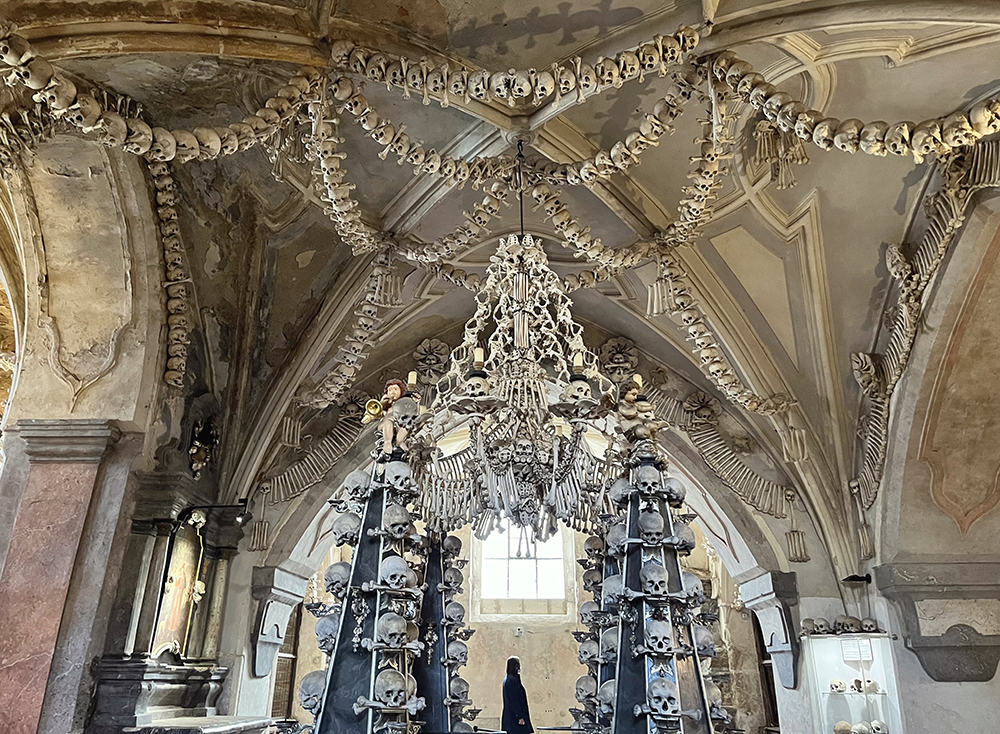
The Sedlec Ossuary is a small Gothic church in Kutná Hora, about 70 kilometers from Prague. Inside, the bones of approximately 40,000 people are arranged into an elaborate decorative chandelier said to contain at least one of every bone in the human body, garlands of skulls, and heraldic emblems made from femurs and shoulder blades. The arrangement was created in the 1870s by a local woodcarver, František Rint, who was commissioned to "put the bones in order."
The Catacombs are vast and impressive, but you are walking through tunnels with bones stacked along the walls. Sedlec is a single room where everything has been deliberately arranged into something that aspires to art. The craftsmanship is extraordinary. The ethical question of whether this is an appropriate use of human remains sits in the room with you and does not easily leave.
Getting There From Prague
Sedlec is easily combined with a visit to Kutná Hora's medieval silver mines and the beautiful Cathedral of St. Barbara. Direct trains from Prague run approximately every hour. The entire journey takes about 55 minutes. The ossuary charges a small entrance fee; combined tickets with other Kutná Hora sites are available.
Paris Catacombs, France
The Catacombs were created in the late 18th century to solve a specific Parisian crisis: the city's cemeteries, particularly the Cimetière des Innocents, were so overcrowded that they had become a public health emergency. According to the official Paris Catacombssite, the remains of more than six million people were transferred to the underground quarries between 1786 and 1814, arranged into the ossuary that exists today.
What The Official Tour Covers And What It Doesn't
The official tour covers approximately 2 kilometers of passage through the ossuary, which represents a small fraction of the full tunnel network. The bones are stacked along the walls and in alcoves, organized by parish of origin, accompanied by inscriptions carved by early overseers. The experience is meditative and genuinely otherworldly.
The unofficial tunnel network, explored by cataphiles (urban explorers who navigate Paris's illegal underground), extends for roughly 300 kilometers beneath the city. Entering the tunnels outside the official ossuary is illegal and physically dangerous, but the subculture around it is fascinating and extensively documented.
Practical information:Timed-entry tickets are required and sell out far in advance, particularly in October. Book through the official Paris Catacombssite. Night access is not permitted. The temperature inside is a consistent 14°C (57°F) regardless of season, so bring a layer.
Fontanelle Cemetery, Naples, Italy
Fontanelle Cemetery is one of Europe's most underrated dark tourism sites, and I am genuinely unsure why it does not appear on more lists. It is a vast cave in the Rione Sanità neighborhood of Naples, holding the bones of an estimated 40,000 people: plague victims, cholera dead, and those too poor for a conventional burial.
In the 19th century, Neapolitan residents began adopting individual skulls, cleaning them, praying for the souls they represented, and leaving offerings. The practice was so widespread and deeply felt that the Catholic Church eventually declared it a "fetish" in 1969 and closed the site. It reopened in 2010.
Walking through the cave, with skulls arranged in long rows and some still bearing the small tokens left by their human sponsors, is a completely different experience from any other ossuary in Europe. The emotion here is not horror. It is something closer to grief, performed across centuries.
Practical information:Fontanelle Cemetery is free to enter and open most days. It is located in the Materdei area, about 20 minutes on foot from the historic center. Check local listings for current hours, as these have varied since reopening.
Bone Chapel (Capela De Ossos), Faro, Portugal
The Bone Chapel in Faro is one of several bone chapels across Portugal. Built by Carmelite monks using thousands of human skulls and bones, it bears an inscription above the door that reads, "Stop here and think of the fate that will befall you."The monks who built it were not trying to frighten visitors. They were trying to make a theological point about the universality of death, which makes the chapel both more unsettling and more interesting than a purely theatrical haunted attraction.
Capuchin Crypt, Rome, Italy
Beneath the Church of Santa Maria della Concezione dei Cappuccini on Via Veneto in Rome, five small rooms display the bones of approximately 3,700 Capuchin friars arranged into elaborate patterns of arches, chandeliers, and decorative alcoves. Like the Faro chapel, this was a devotional act, not a decorative one.
The friars believed in making death visible as an act of spiritual clarity. The crypt can be visited independently and pairs well with other nearby sites, including the Capuchin Museum above it. Budget approximately 45 minutes for the crypt itself.
The Transylvania Horror Trail
Romania deserves its reputation as a horror travel destination. The landscape is genuinely dramatic with forested mountains, medieval fortifications, and remote villages where old folklore has not been entirely displaced by modernity. But a significant amount of what is sold to tourists is disconnected from historical reality, and knowing the difference makes the trip significantly better.
Bran Castle
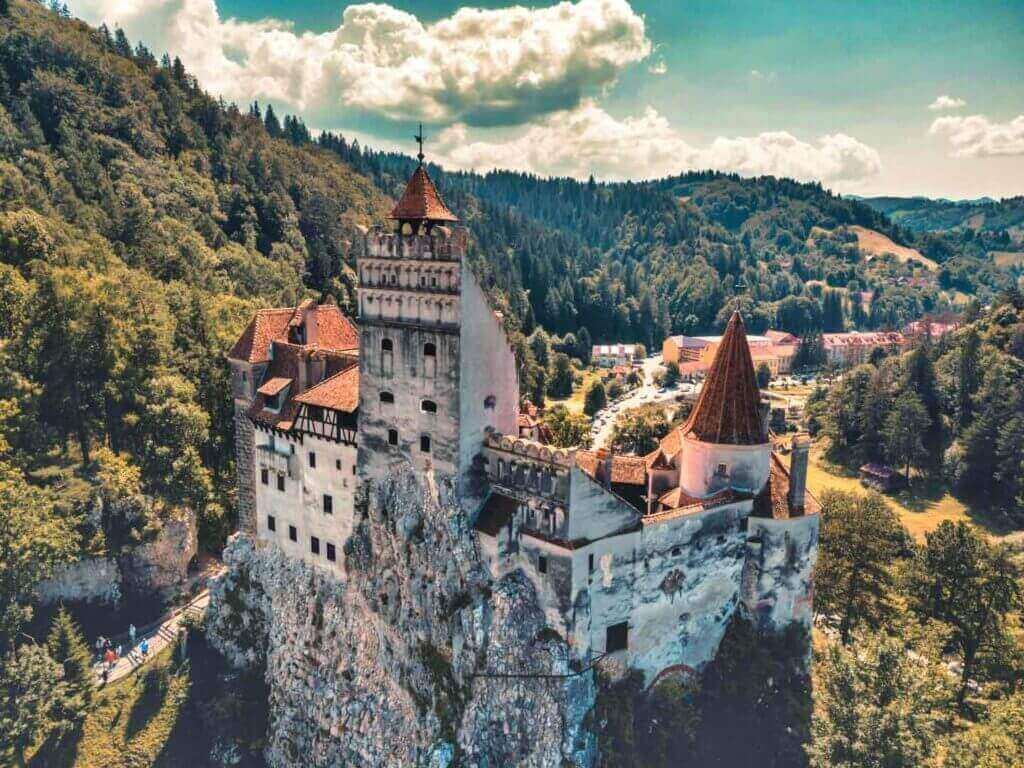
Bran Castle is marketed as "Dracula's Castle" on virtually every piece of Romanian tourism material aimed at international visitors. The historical truth is that Vlad III, known as Vlad the Impaler, likely spent no more than a few weeks at Bran, possibly as a prisoner passing through rather than a resident. The connection to Bram Stoker's Dracula is thematic because Stoker described a castle in a mountain pass in Transylvania, and Bran fits the visual description.
None of this means Bran Castle is not worth visiting. The castle is architecturally beautiful, dramatically positioned on a cliff above the town of Bran, and genuinely atmospheric. The interior, with its narrow staircases, hidden passages, and small connecting rooms, delivers the medieval castle experience very well. Go in expecting a great castle with a mythologized reputation, and you will not be disappointed.
The Real Vlad The Impaler's Fortress - Poienari Citadel
If you want to stand somewhere Vlad the Impaler actually built and inhabited, travel to Poienari Citadel near Curtea de Argeș. The ruins sit at the top of approximately 1,480 steps cut into the mountainside. The climb is steep enough that it takes most visitors 30 to 40 minutes. At the top, the ruins are raw, exposed, and genuinely medieval in a way that Bran, with its renovated interiors, is not. Almost no one makes this trip, which is the strongest argument for doing it.
Hoia Baciu Forest
Hoia Baciu Forest, located on the western edge of Cluj-Napoca, has accumulated more documented reports of unexplained phenomena than almost any other natural site in Europe. Since the 1960s, when a military technician photographed what appeared to be a disc-shaped object above the treeline, the forest has been associated with strange lights, electronic equipment failures, sudden nausea and disorientation in visitors, and areas where vegetation grows in documented anomalous patterns that local scientists have not satisfactorily explained.
The majority of visitors to Hoia Baciu in daylight report nothing unusual. A smaller number report disorientation, a feeling of being watched, and sudden headaches or nausea in specific areas of the forest. The distorted, twisted tree growth in the central clearing is real and visually distinctive. Whether any of this has a supernatural explanation is a question this article cannot answer. What it can say is that the forest is genuinely strange, beautifully atmospheric, and worth visiting.
The forest is on the western edge of Cluj-Napoca, accessible by taxi or on foot from the city center. Guided paranormal tours depart in the evenings, particularly in October. Going alone at night is inadvisable, not for supernatural reasons but for practical ones: the paths are poorly marked, and it is easy to become disoriented in the dark.
Building A 3-Day Transylvania Horror Itinerary
Day 1:Cluj-Napoca as your base. Visit Hoia Baciu Forest in the late afternoon and evening on a guided tour.
Day 2:Drive to Poienari Citadel via Curtea de Argeș. Climb the 1,480 steps. Allow three hours, including the round trip.
Day 3:Bran Castle and the town of Brașov. The castle opens at 9 am; arriving early avoids the bulk of tour groups.
How To Plan A Horror Travel Trip In Europe
Planning well makes the difference between a genuinely affecting experience and an expensive disappointment. Here is what experienced dark tourism travelers know before they go.
The Best Time To Visit Horror Destinations In Europe
October is the undisputed peak month for horror travel across Europe. Ghost tours add theatrical elements, castles host evening events, and the shortening days add natural atmosphere to every destination. The trade-off is crowds and premium pricing at popular sites like Edinburgh's vaults and Bran Castle.
November through February offers emptier sites, better atmospheric conditions at outdoor locations, and the experience of having Sedlec Ossuary or Greyfriars Kirkyard essentially to yourself. The cold is an asset, not a problem. Dress for it.
How To Book Ghost Tours - What To Look For And What To Avoid
Book ghost tours directly through the tour operator's official website rather than through aggregators. Check that guides have genuine historical knowledge, not just theatrical delivery. The best ghost tours in Edinburgh, Dublin, and Prague are led by people who care about local history. The worst ones are led by people in Halloween costumes reading from a script.
For Auschwitz, Chernobyl, and Patarei, always use licensed operators. These are not sites where improvised or unlicensed access is appropriate.
What To Pack For Dark Tourism Travel In Europe
- Sturdy, ankle-supporting footwear (underground vaults, castle staircases, and forest paths are all uneven)
- A small torch or headlamp for sites with poor lighting
- Layers: underground sites like the Catacombs and Sedlec Ossuary maintain a temperature of around 14°C (57°F) year-round
- A charged phone with offline maps downloaded for remote sites like Buzludzha and Hoia Baciu Forest
- Comfortable clothing that allows modest presentation for memorial sites like Auschwitz
An Ethical Framework For Dark Tourism
Not all dark tourism is ethically equivalent. Visiting Auschwitz, Chernobyl, or Patarei requires a different internal posture than visiting Bran Castle. The basic framework is this: at sites of genuine atrocity or tragedy, you are a guest in a place of grief. Speak quietly. Follow all the guide instructions.
Do not take selfies with a wide grin in front of execution chambers or gas chambers. Ask yourself, before you raise your camera, whether the image you are about to take honors or diminishes the people whose story the site preserves.
At legendary and folkloric sites, the rules relax significantly. Ghost tours are entertainment, and there is nothing wrong with enjoying them fully.
Frequently Asked Questions
What Is The Most Haunted Country In Europe?
Romania, Scotland, and Ireland are most consistently cited. Romania leads in legend density and paranormal folklore. Scotland, particularly Edinburgh, has the most developed ghost tourism infrastructure and the highest concentration of documented paranormal reports in any single city.
Can You Stay Overnight In A Haunted Castle In Europe?
Yes, and more easily than most people realize. St. Briavels Castle in Gloucestershire, England, operates as a youth hostel with a medieval dungeon. Kilkea Castle in Kildare, Ireland, is a luxury hotel in a genuinely haunted building dating to 1180. Several Scottish castle hotels also fall into this category.
Are Horror Travel Destinations In Europe Suitable For Families?
Many are. Edinburgh Castle, Bran Castle, the Sedlec Ossuary, and most ghost walking tours are appropriate for children over ten. Auschwitz, the Paris Catacombs, Patarei Prison, and Hoia Baciu Forest after dark are better suited for older teenagers and adults. Always check the specific site's guidance before bringing children.
What European Horror Destinations Have Been Featured In Films Or Television?
Edinburgh's Old Town and the South Bridge Vaults have appeared in multiple supernatural series. Prague's old town provided the visual backdrop for numerous Gothic productions. Chernobyl and Pripyat became globally recognized through the 2019 HBO series. Bran Castle has been used in various Dracula-related productions. Rome's Capuchin Crypt appeared in Dan Brown's "Angels and Demons" film adaptation.
How Do You Handle The Emotional Impact Of Visiting Dark History Sites?
Build time into your itinerary around major sites like Auschwitz. Do not plan something cheerful for the evening after. Many visitors to heavy sites feel a delayed emotional response rather than an immediate one. This is normal and worth preparing for rather than being surprised by.
Final Thoughts
Standing in the coal-dark silence of the South Bridge Vaults, or in the bone-decorated chapel at Sedlec, or in the yard at Auschwitz-Birkenau, does something to the way you understand the world that cannot be replicated by reading about these places.
Ghost tours are fun and atmospheric, and a genuinely enjoyable way to spend an evening. Bone chapels are meditative and strange. Abandoned cities are quietly devastating. Atrocity sites are in a category of their own. Horror travel at its best is not about being scared. It is about being fully present in a place that refuses to let you look away.
Jump to
What The Best Horror Destinations In Europe Actually Offer
Ghost And Paranormal Destinations In Europe
Dark History And Atrocity Destinations
Abandoned And Urbex Horror Destinations
Macabre Art, Bone Chapels, And Anatomical Horror
The Transylvania Horror Trail
How To Plan A Horror Travel Trip In Europe
Frequently Asked Questions
Final Thoughts
Liam Jones
Author
Liam Jones has made it his mission to prove that adventure doesn’t need a hefty budget. Having traveled to over 40 countries, he specializes in finding affordable ways to experience the world, from the best street food in Bangkok to hidden gems in Lisbon.
Liam’s travel tips have reached thousands of readers, empowering them to see the world on a shoestring budget without sacrificing quality. With a deep passion for local cultures, he continues to share his travel hacks, ensuring adventure remains accessible to all.

Maya Reyes
Reviewer
Maya Reyes’s wanderlust was sparked in the temples of Luang Prabang, where the scent of lemongrass and the chants of monks revealed the transformative power of travel.
Since then, her journey has been defined by cultural immersion and authentic connections. From learning batik in Indonesia to sharing meals with nomadic families in Mongolia, Maya seeks experiences that highlight the human stories behind each destination.
Travel for her is a way to weave her narrative into the world’s cultural tapestry, creating bridges across diverse ways of life. Maya has traveled to 15 countries and shares her insights through writing and storytelling.
Latest Articles
Popular Articles