Best European Cities For Elopement | Your Style, Your Destination
Looking for the best European cities for elopement? Match your travel style to the right destination, with crowd levels, budget tiers, and seasonal timing included.
Author:Sophia HarperReviewer:Liam JonesMar 10, 202623.5K Shares406.1K Views
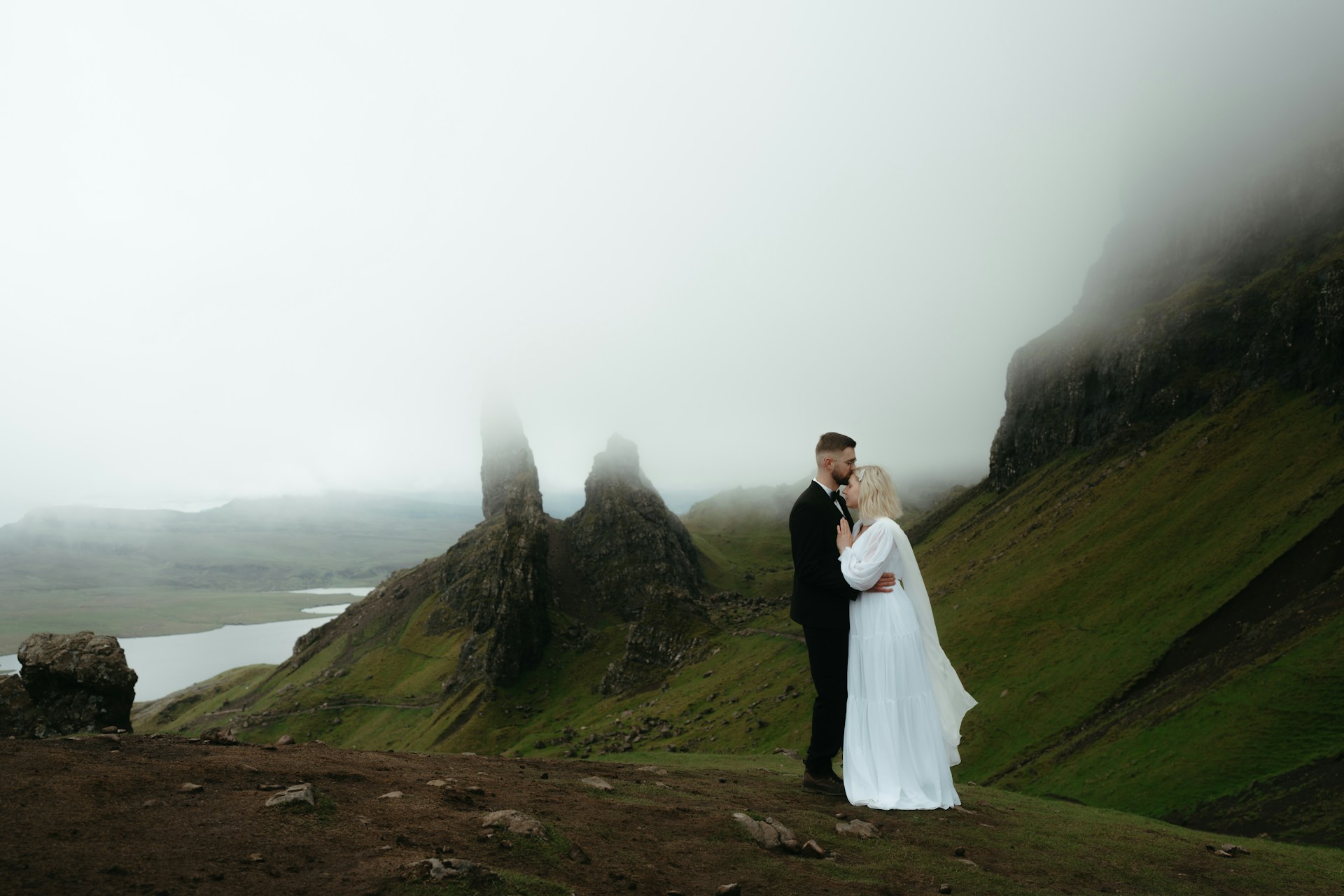
Here Is A Quick Look At What This Article Covers
- A personality-based quick-match framework that pairs you with destinations based on your travel style, not just the most popular rankings
- Crowd level ratings for each major destination, so you know which spots are genuinely private and which require careful timing to feel intimate
- An honest breakdown of the legal vs. symbolic ceremony question, in plain language with no jargon
- A seasonal guide by region so you can plan around weather, wildflowers, and golden-hour light
- Practical planning steps covering permits, timelines, budget signals, and how to extend your elopement into a honeymoon
You have decided to skip the 200-person ballroom wedding. You want something real, something that feels like the two of you. The problem is that searching for the best places to elope in Europe sends you tumbling into lists of destinations with two-sentence descriptions that leave you no closer to knowing where you actually belong.
This article is built differently. Rather than handing you an alphabetical catalogue, it pairs destinations with the specific feelings, landscapes, and logistical realities that make them right or wrong for different couples. By the time you finish reading, you will have a clear shortlist, a sense of when to go, and a practical understanding of how to make it happen.
What Makes A European Destination Right For An Elopement?
Not every beautiful place in Europe is a great elopement destination. Understanding the difference will save you from arriving at your dream location only to share it with a hundred strangers.
Privacy And Crowd Levels
Take Positano on the Amalfi Coast as an example. It is breathtaking, and it is also one of the busiest villages in southern Europe during the summer. Couples who elope there in July often find themselves exchanging vows with tourists walking past at arm's length. Contrast that with Sardinia's La Maddalena Archipelago, which is equally stunning, far quieter, and genuinely capable of giving a couple a cove that feels entirely their own.
Crowd level matters more for elopements than for almost any other kind of travel. You are trying to create a moment of genuine intimacy, not a photoshoot surrounded by selfie sticks. Throughout this article, each destination includes a crowd level indicator along with timing tips where relevant.
Legal Ceremony Vs. Symbolic Ceremony
For foreign couples marrying in Europe, the legal landscape varies significantly by country. Some destinations require residency periods, translated documents, or notice periods of several weeks.
Denmark and Gibraltar are widely regarded as the most accessible options for foreign couples seeking a legally binding ceremony abroad, with relatively minimal paperwork requirements (verify current requirements with local civil authorities before booking, as regulations change).
The simpler approach for many couples is to complete the legal marriage at home before or after the trip, then hold a symbolic ceremony in Europe. This is not a compromise. It gives you total freedom to marry at a waterfall, on a cliff, or in a field of lavender without any administrative constraints.
A growing number of professional celebrants across Europe craft symbolic ceremonies with real emotional weight, including personalized vows, rituals, and structure, that feel entirely significant.
Scotland is a notable exception worth understanding. The country's marriage laws are unusually open, and a registered celebrant, including those from the Humanist Society of Scotland, can legally marry you almost anywhere outdoors, with 29 days' notice submitted to the local registrar. That combination of legal flexibility and dramatic landscape makes Scotland exceptional in Europe.
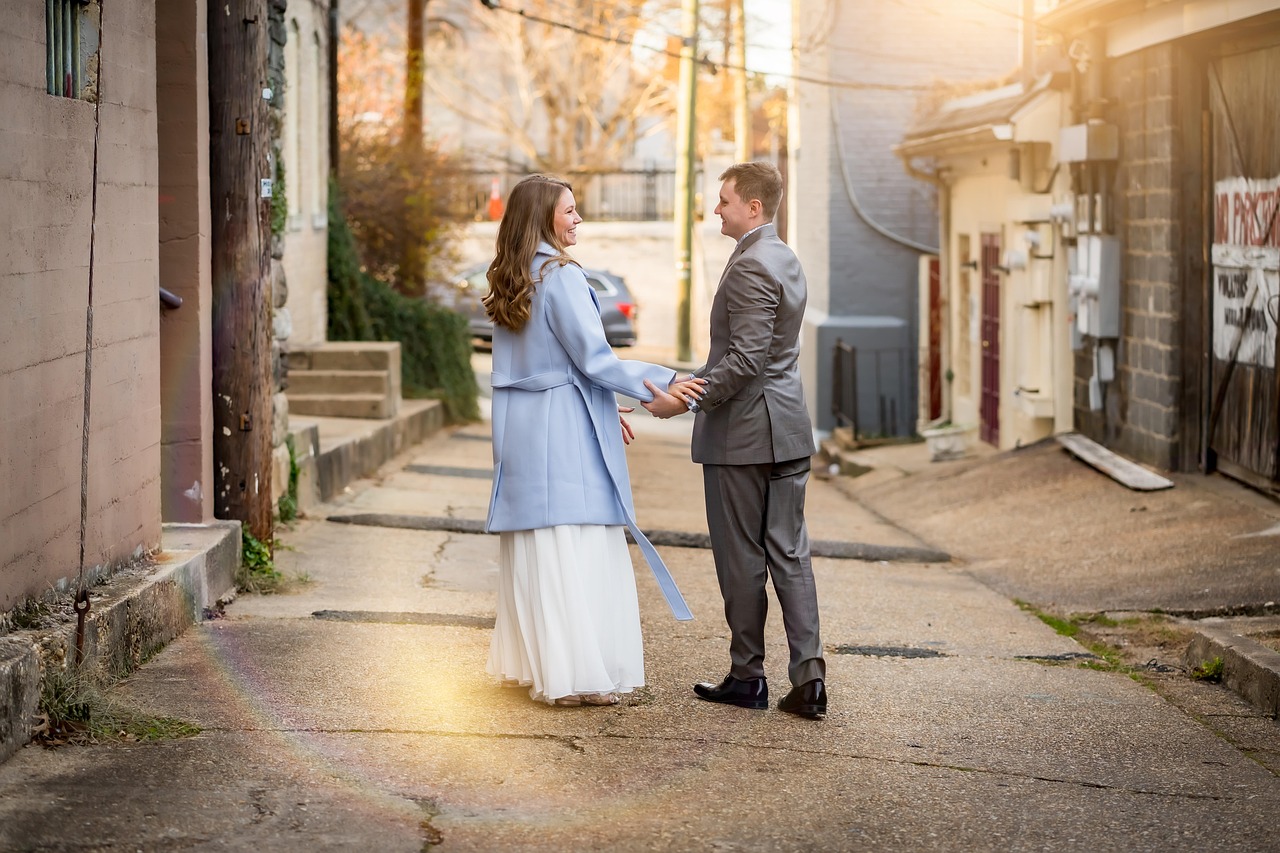
How To Match Your Destination To Your Personality As A Couple
The most useful question is not "Where is the most romantic?" but rather "What kind of day do we actually want?" Imagine a couple who spend their holidays hiking at altitude, eating at small local restaurants, and avoiding tourist trails. The Dolomites or the Scottish Highlands will feel more authentically theirs than Paris ever could, even though Paris is equally beautiful.
Matching your destination to your genuine personality produces photographs and memories that feel real rather than performed. Choosing a wedding photographerwho understands this approach can make a significant difference, because experienced elopement photographers often help couples translate their personalities into locations and moments that truly fit them.
The quick-match guide below is built around exactly this principle.
Quick-Match Guide
Use this as your starting point. Find the description that sounds most like you as a couple, and you will have your shortlist within minutes.
| Your Style | Best Destinations |
| Adventure seekers, love hiking and altitude | Dolomites, Swiss Alps, Isle of Skye, Scottish Highlands, Faroe Islands |
| Romance and elegance first | Tuscany, Santorini, Amalfi Coast, Paris, Lake Bled |
| City culture and architecture | Lisbon, Prague, Seville, Edinburgh, Dubrovnik |
| Beaches and coastal calm | Algarve, Sardinia, Mallorca, Azores, Madeira |
| Hidden gems | Faroe Islands, Azores, Lake Bohinj, Pyrenees, Asturias |
| Budget-conscious without sacrificing scenery | Slovenia, Portugal (mainland), Czech Republic, shoulder-season Italy |
The Best European Mountain Destinations For Elopements
Mountains give elopements a quality that few other landscapes can match: genuine scale. Standing at altitude with the person you love, surrounded by peaks and near-silence, creates a feeling that stays with you long after the photographs fade.
The Dolomites, Italy
Crowd level: Medium (High at headline spots in July and August)
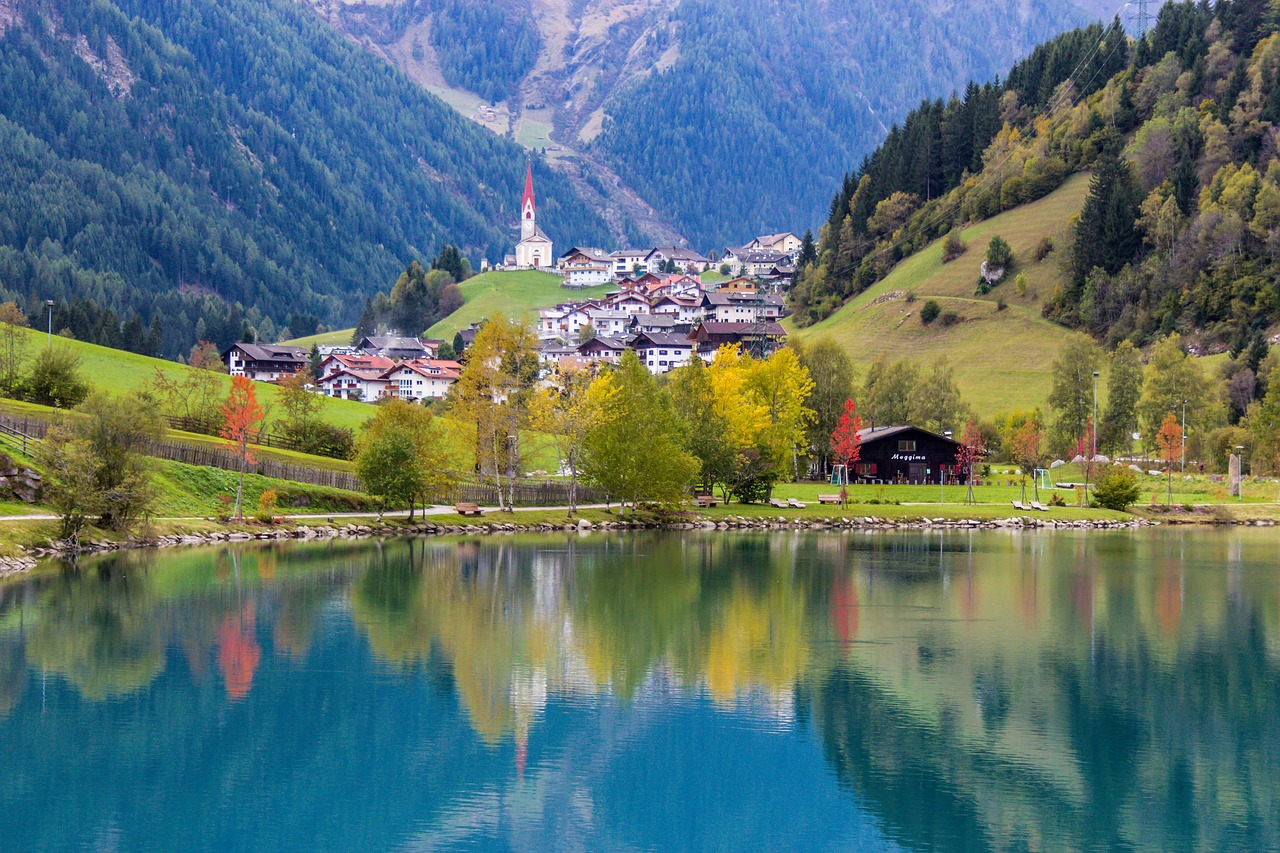
The Dolomites in northeastern Italy are, in terms of visual drama, among the finest mountain landscapes in Europe. Designated a UNESCO World Heritage Site in 2009, the range features jagged limestone peaks, alpine meadows thick with wildflowers, and lakes that reflect colors almost too vivid to believe.
The most photographed spot is Lago di Braies, a teal-green lake beneath towering rock walls. The key to using it well is timing: arrive before 7am and you will often find it near empty. By 9am, the path is consistently busy. The Seceda ridgeline above the village of Ortisei offers sweeping views across the valley and works best at golden hour in the evening, when the crowds have descended and the light turns the pale rock amber.
For couples wanting complete solitude, the hidden valleys beyond the main tourist routes are where the Dolomites reveal themselves most honestly. A local elopement photographer familiar with the area can point you toward locations that rarely appear in online searches.
Best season:June to October, with June and September offering the best balance of wildflowers, green meadows, and manageable visitor numbers.
Permit note:The Dolomites span several provinces in northeastern Italy. Outdoor ceremonies in protected areas may require permission from local authorities. Verify requirements with the relevant commune (municipality) well in advance of your date.
The Swiss Alps
Crowd level: Medium
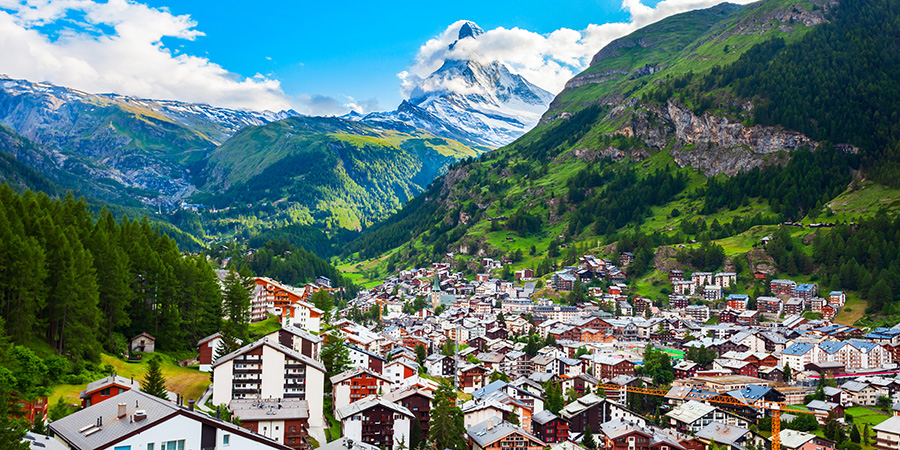
The Swiss Alps offer something the Dolomites sometimes cannot: a combination of dramatic scenery and extremely easy access. Cable cars and mountain railways reach altitudes that would otherwise require hours of hiking, making the Alps genuinely usable for couples of all fitness levels, including those in formal attire.
Lauterbrunnen Valley, often called the Valley of 72 Waterfalls, is one of the most atmospheric places in Europe for an outdoor ceremony. Sheer cliff walls rise on both sides, waterfalls tumble year-round, and the car-free village of Wengen above provides a peaceful base with views of the Jungfrau glacier. Zermatt and the Matterhorn, meanwhile, deliver the iconic alpine image: a single jagged peak against blue sky that needs no filter and requires no explanation.
The Swiss Alps suit couples who want cinematic grandeur with genuine comfort. Infrastructure is excellent, accommodation ranges from cozy chalets to luxury hotels, and logistics are straightforward. The trade-off is cost: Switzerland is consistently one of the more expensive European elopement destinations.
Best season:May to October. Routes above 2,000m are best visited between June and September.
The Scottish Highlands And Isle Of Skye
Crowd level: Low to Medium (Isle of Skye can be High in summer)
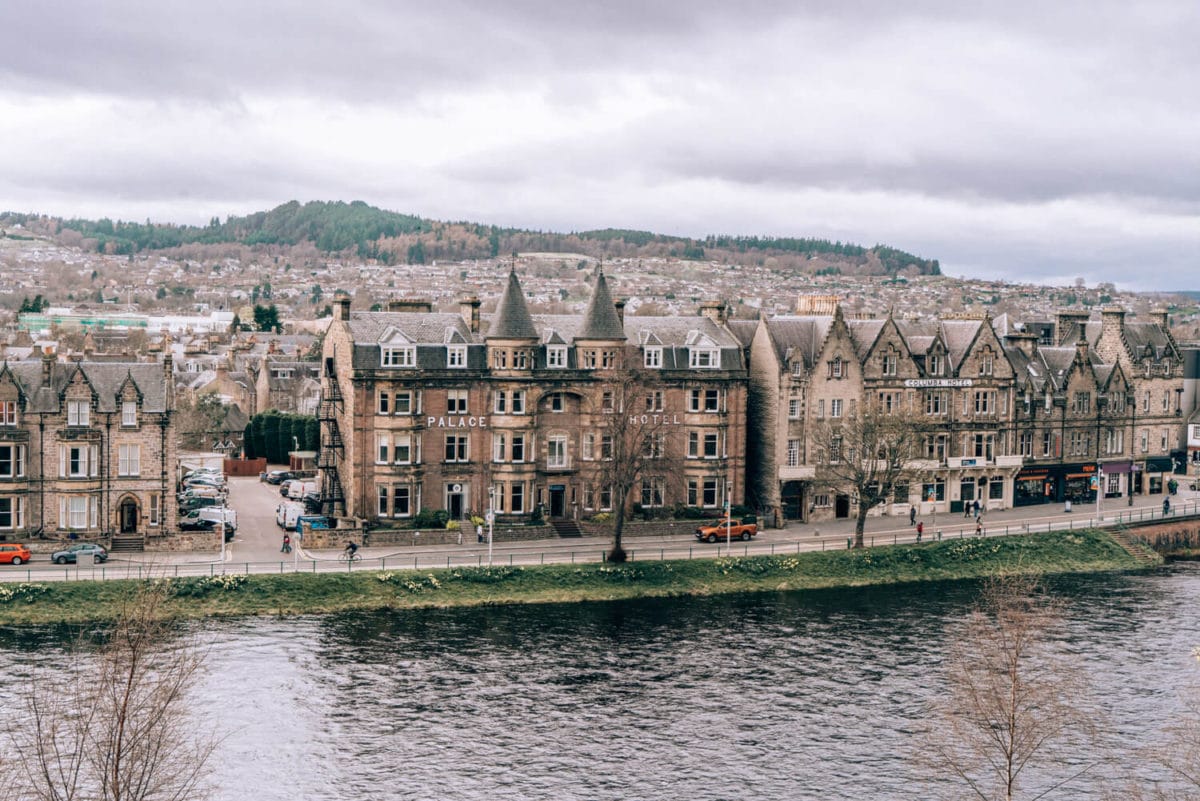
Scotland is, in a practical sense, the most elopement-friendly country in Europe. The Land Reform (Scotland) Act 2003 gives everyone the right to access almost all land for recreational purposes, including organized ceremonies. Combined with the Humanist Society of Scotland's legal authority to marry couples almost anywhere outdoors, Scotland makes it possible to exchange legal vows at a waterfall, on a hillside, or beside a loch, with 29 days' notice submitted to the local registrar in advance.
Glencoe, the broad valley south of Fort William, is where many photographers first fall in love with Scotland. The valley is vast, moody, and steeped in history, with hills full of lesser-known waterfalls and viewpoints that rarely appear in travel content.
Isle of Skye is equally beautiful but more visited: the Fairy Pools, the Quiraing, and the Old Man of Storr attract significant summer crowds. The best approach on Skye is to begin early, before 7:30am, or plan for the shoulder season in April to May or October.
Best season:April to May or September to October. Summer months bring midges (small biting insects) in significant numbers, particularly in still, humid conditions.
The Pyrenees
Crowd level: Low
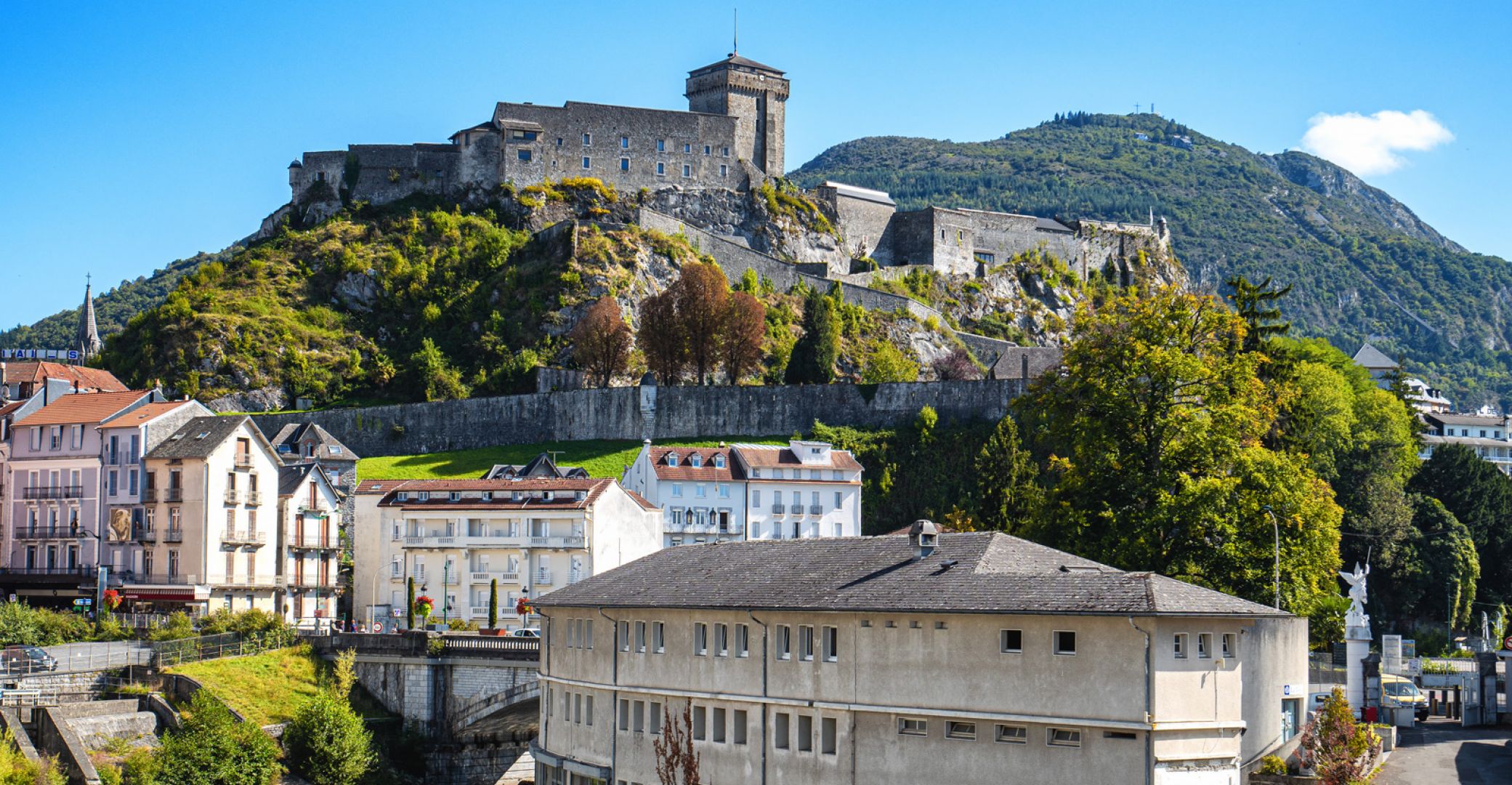
The Pyrenees stretch along the French-Spanish border and remain genuinely underused by eloping couples despite being one of the most diverse mountain environments in Europe. From the green Basque hills of the western range to the high glacial valleys and dramatic rock walls near Gavarnie, the variety of landscape is remarkable.
The Cirque de Gavarnie on the French side is a natural amphitheatre with one of Europe's tallest waterfalls at its center. The Ordesa y Monte Perdido National Park on the Spanish side offers canyon landscapes and meadow walks with far fewer visitors than either the Alps or the Dolomites. For couples who genuinely want to feel alone in the mountains, the Pyrenees are the answer.
Best season:June to October. High-altitude routes should be avoided until snow clears, typically in June.
The Azores, Portugal
Crowd level: Low to Medium
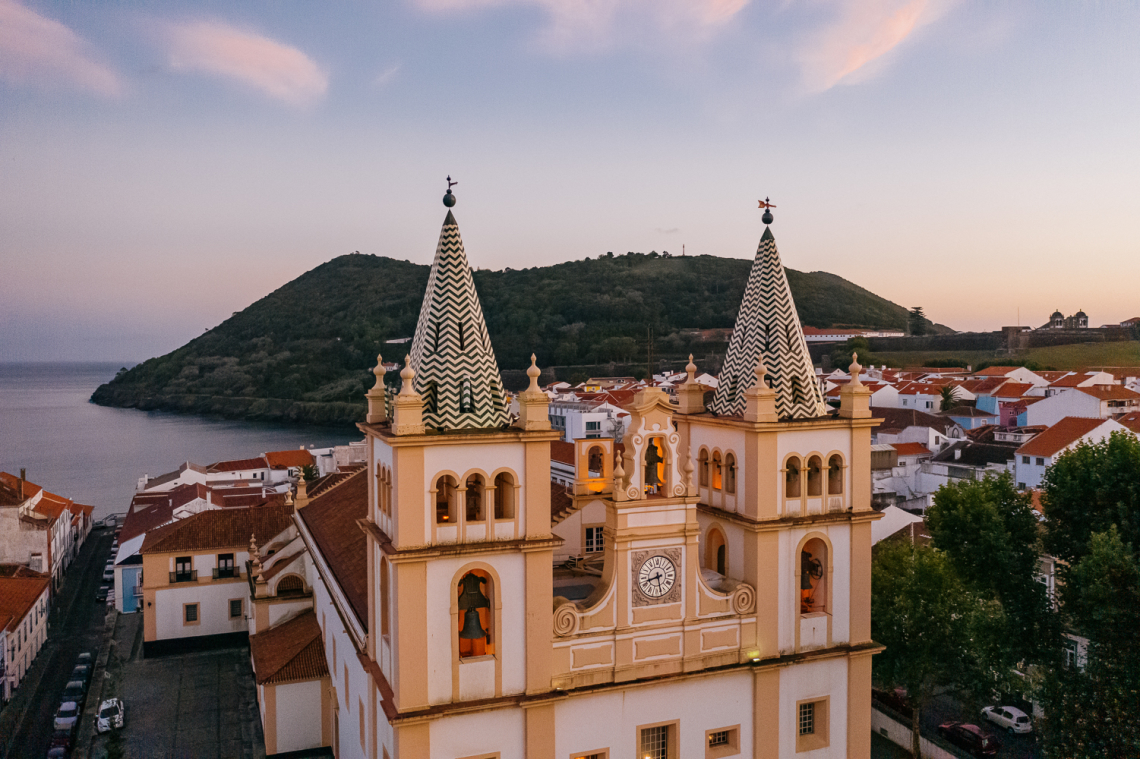
The Azores are an archipelago of nine islands in the mid-Atlantic, technically part of Portugal, and geologically extraordinary. The twin crater lakes of Sete Cidades on São Miguel Island, one blue and one green, sit inside a collapsed volcano and offer a genuinely otherworldly backdrop that few European landscapes can match. Waterfalls drop through lush fern forest, and the hot spring gardens at Furnas Valley create a setting that feels surreal in the best possible way.
Because the Azores are not yet on the mass-tourism map, even popular trails feel spacious. Flight connections from Lisbon are frequent and short, which makes the islands accessible without the logistical complexity of reaching Iceland or the Faroe Islands.
Best season:April to October, with spring offering the most spectacular bloom of hydrangeas across the island roadsides.
The Best European Coastal And Island Elopement Destinations
For couples whose idea of a perfect moment involves the sound of waves and warm light off water, Europe's coastlines offer extraordinary range, from dramatic Atlantic cliffs to calm Mediterranean coves.
The Algarve, Portugal
Crowd level: Medium (Low in spring and autumn)
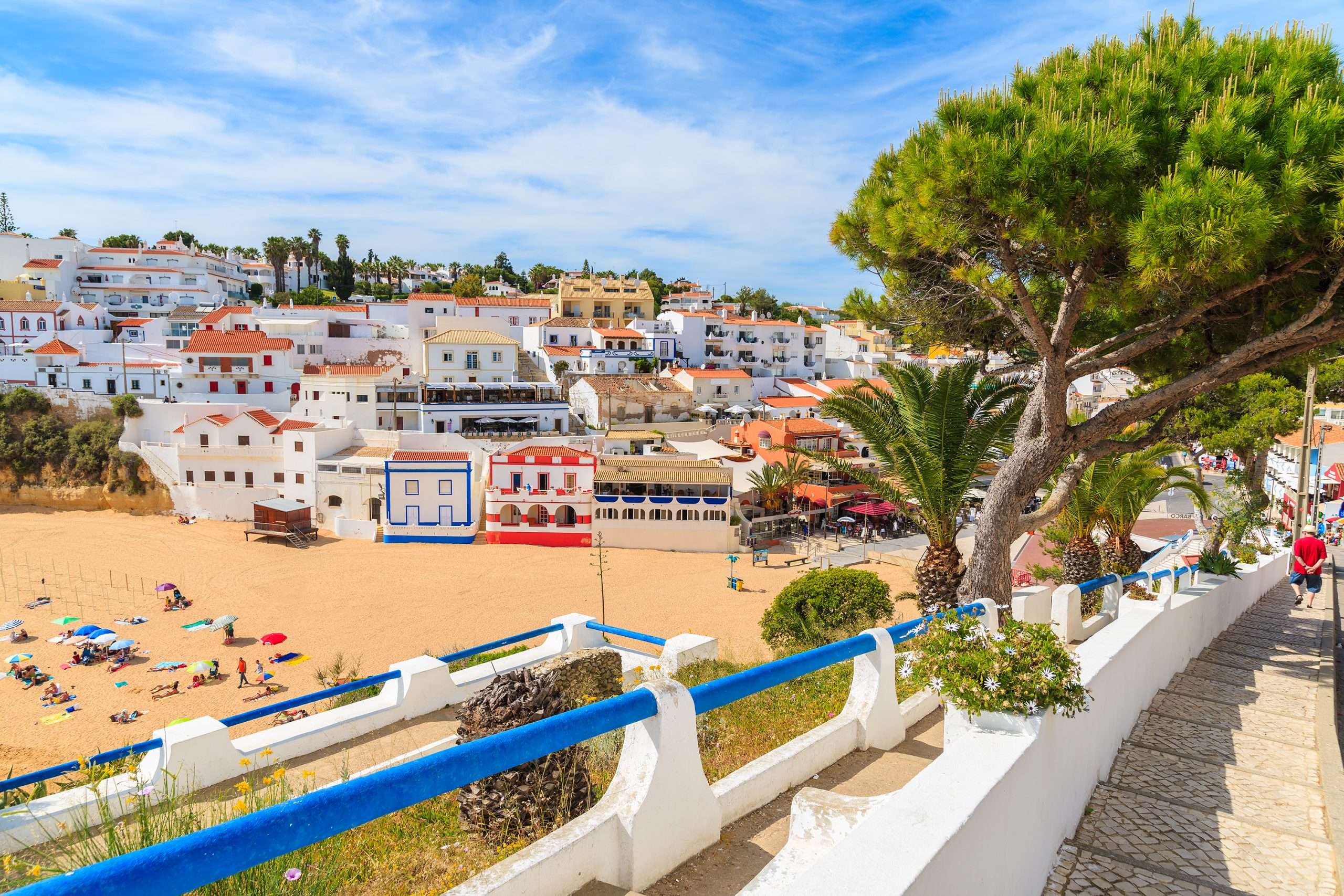
The Algarve's southern coast is defined by extraordinary sandstone cliff formations, hidden sea caves, and beaches accessible only by boat. Ponta da Piedade near Lagos is one of the most visually striking coastal formations in Europe: golden towers of eroded rock rising from turquoise water, with narrow passages that a small boat can navigate in silence. At sunrise, before the tour boats arrive, the quality of light here is genuinely unlike anywhere else.
The Algarve performs particularly well for elopements in April, May, and September, when the weather is warm, wildflowers cover the clifftops, and the beaches are far from their summer capacity.
Best season:April to June and September to October.
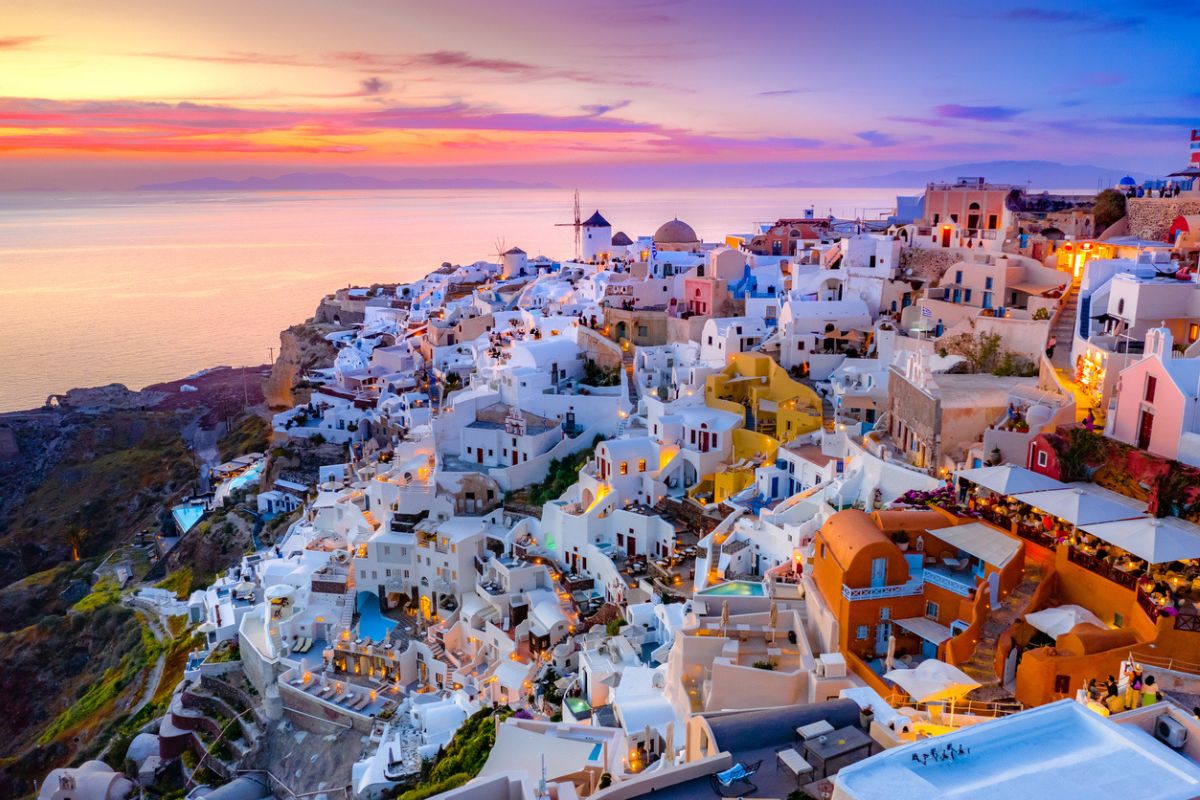
Santorini, Greece
Crowd level: High, particularly in Oia
Santorini is one of the most photographed places on earth, and its reputation for beauty is fully deserved. The caldera views from Oia, the white-and-blue architecture, and the quality of evening light are genuinely extraordinary. The challenge for eloping couples is that Santorini, particularly between June and September, is exceptionally busy.
Couples who make Santorini work for an elopement tend to do two things: plan their ceremony for very early morning before the cruise ship passengers arrive, and work with a photographer who knows the lesser-visited villages like Pyrgos and Emporio, which offer the same architecture and light without the crowds.
Best season:April to May or October to November for privacy. June to September for guaranteed heat, but expect significant company.
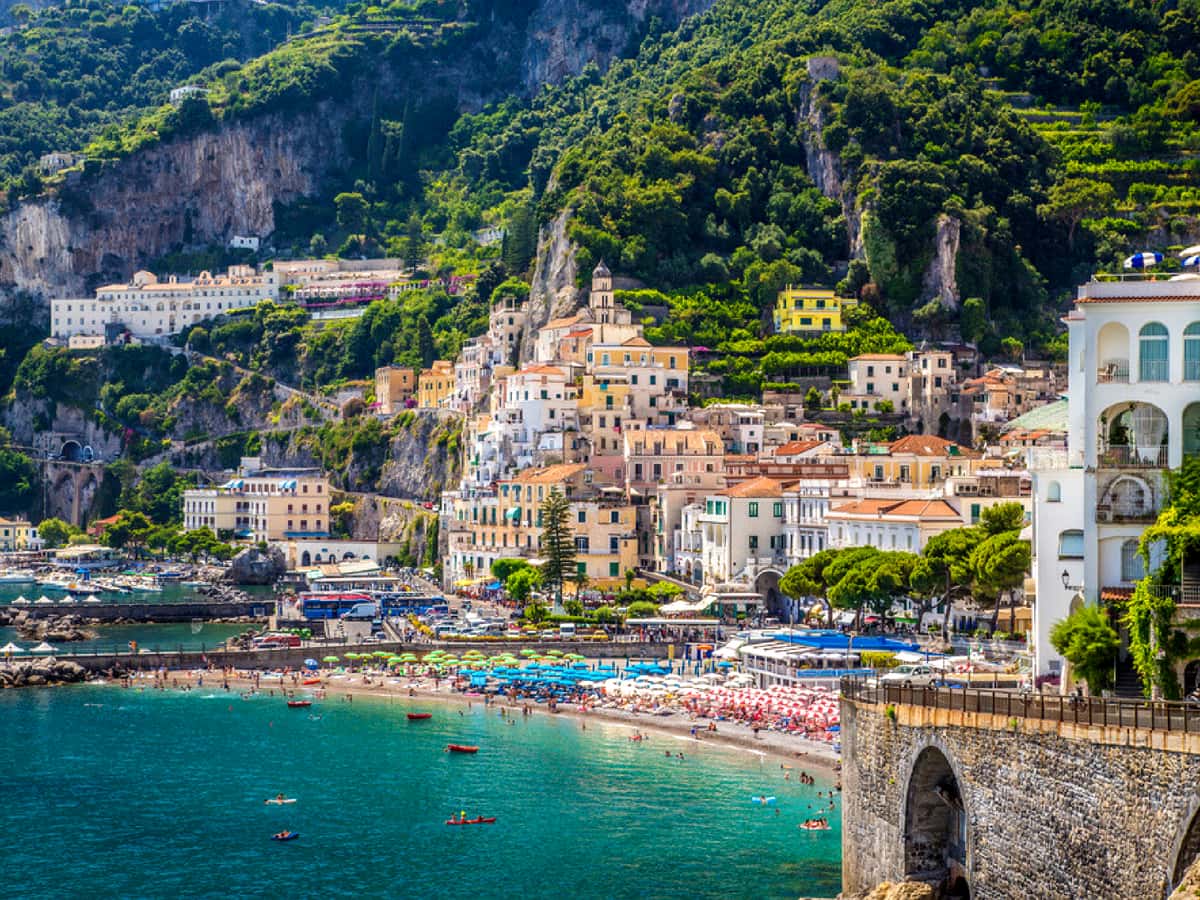
The Amalfi Coast, Italy
Crowd level: High in summer, Medium in spring and autumn
The Amalfi Coast is one of those places where photographs barely do justice to the reality. Pastel villages stacked on cliffs above deep blue water, lemon groves scenting the air, and the sense of being somewhere genuinely ancient all combine to create an atmosphere that is hard to replicate.
Ravello, perched high above the coast with sweeping views, offers more privacy and elegance than Positano for ceremonies. The gardens of Villa Cimbrone provide a formal backdrop that suits couples who want grandeur without the beach-resort energy.
Budget note: the Amalfi Coast is one of the more expensive elopement destinations in Italy. Accommodation, transport (water taxis and private transfers are often necessary), and photography all carry a noticeable premium here.
Best season:May to June and September.
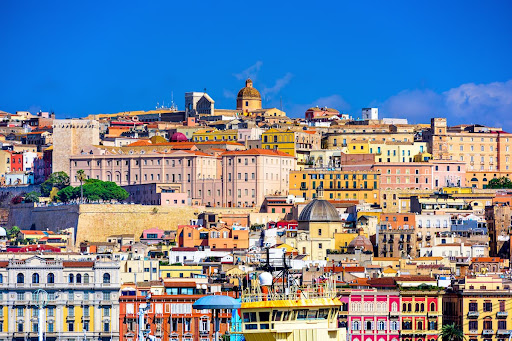
Sardinia, Italy
Crowd level: Low to Medium
Sardinia is Europe's best-kept coastal secret for elopements. The northeast coast, particularly around the La Maddalena Archipelago, offers turquoise water and white-sand beaches that compare visually with the Caribbean, but with a fraction of the global tourism footfall. The island is large enough that even in August, a couple who ventures beyond the main resorts can find stretches of coast that feel entirely private.
Best season:May to June and September, when the water is warm but the beaches are not at full summer capacity.
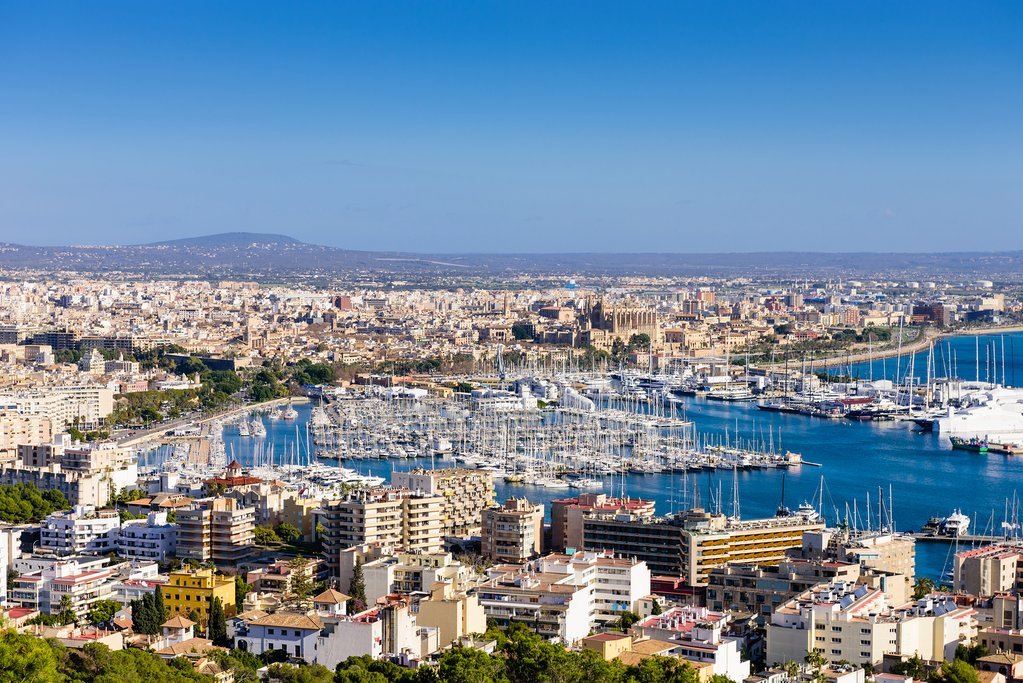
Mallorca, Spain
Crowd level: Medium
Mallorca tends to be underestimated as an elopement destination because of its association with package holidays. In reality, the island's northwest coast, particularly the Serra de Tramuntana mountain range and the village of Deià, is among the most beautiful coastal scenery in the Mediterranean. Clifftop olive groves, stone terraces, and the dramatic headland at Cap de Formentor provide settings that are a world away from the southern beach resorts.
Best season:April to June and September to October.
The Faroe Islands
Crowd level: Low
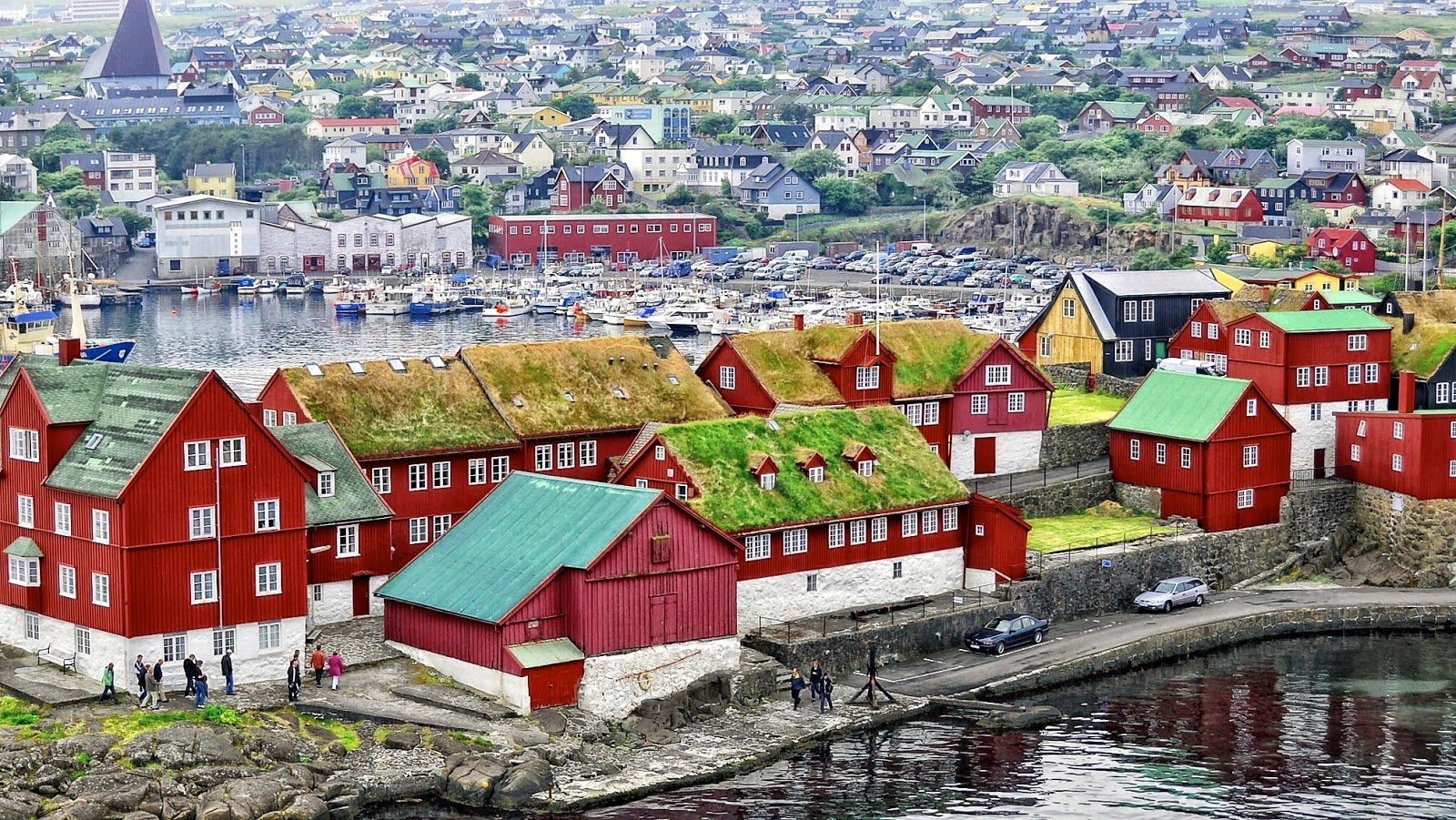
Eighteen volcanic islands sitting between Norway and Iceland, the Faroe Islands offer the kind of scenery that stops people mid-sentence. Cliffs drop hundreds of meters straight into the North Atlantic. Waterfalls, including the famous Mulafossur at Gásadalur, plunge directly from clifftops into the sea below. Sea stacks, puffin colonies, and ancient grass-roofed villages complete a landscape that feels ancient in the best possible way.
Even during peak summer, popular hikes here rarely feel crowded. The trade-off is unpredictable weather: rain and mist are regular visitors. Many photographers who work in the Faroes argue that the mist adds atmosphere rather than taking anything away, and the photographs that result from moody conditions tend to be the most memorable.
The only airport is Vágar Airport. Getting there requires a connection through Copenhagen, Reykjavik, or a small number of other hubs. Plan accordingly.
Best season:June to August, when daylight extends late into the evening, and temperatures are mild (roughly 10 to 15°C / 50 to 59°F).
Madeira, Portugal
Crowd level: Low to Medium
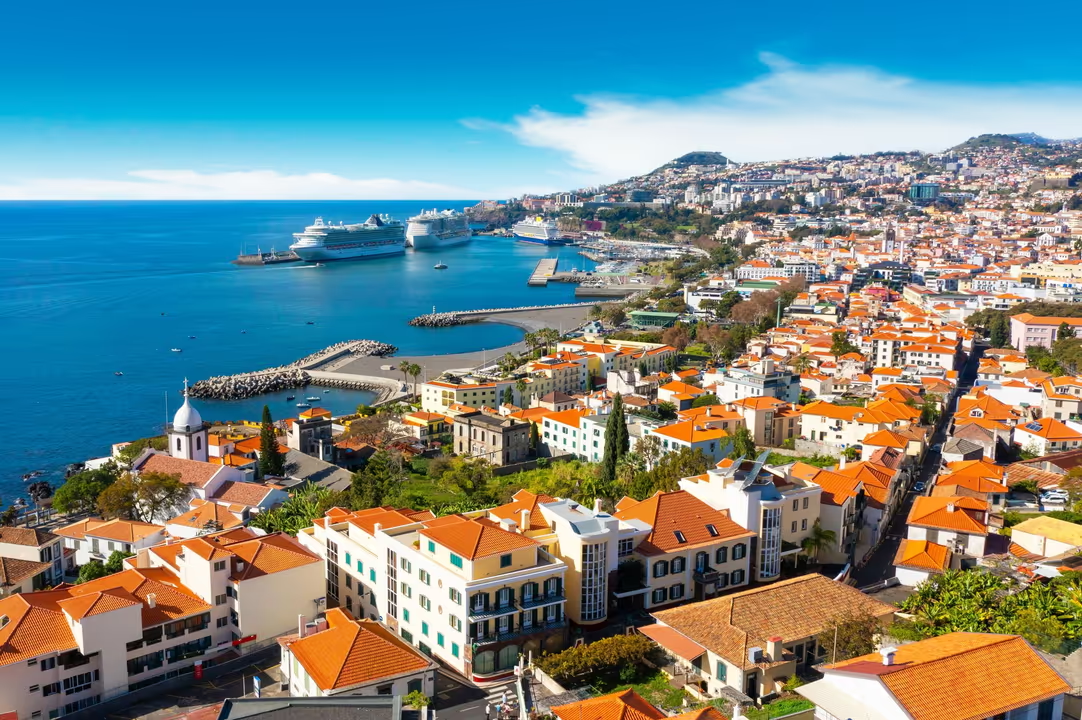
Madeira is a volcanic island with cliffs rising directly from the Atlantic, cloud forests blanketing the interior, and a climate stable enough to be genuinely usable year-round. The sunrise from Pico do Arieiro at 1,818m above a sea of clouds is one of the most spectacular natural experiences in Europe.
The Fanal Forest, a prehistoric laurel woodland protected as a UNESCO World Heritage Site, offers a mystical setting unlike anywhere else in Europe: ancient, fog-draped trees on open hillside above the ocean, with no sound but wind.
Madeira suits couples who want variety within a single destination: ocean cliffs in the morning, cloud forest in the afternoon, and a warm coastal dinner in the evening.
Best season:Year-round, with spring (March to May) producing the most spectacular floral color across the island.
The Best European City Elopements
Not every couple wants mountains or coastline. Cities offer something different like the texture of real life, centuries of layered history, and the sense of being part of a place with a genuine story. The best city elopements are built around finding the quiet corners that most visitors never see.
Paris, France
Crowd level: High at iconic spots, Low in hidden locations
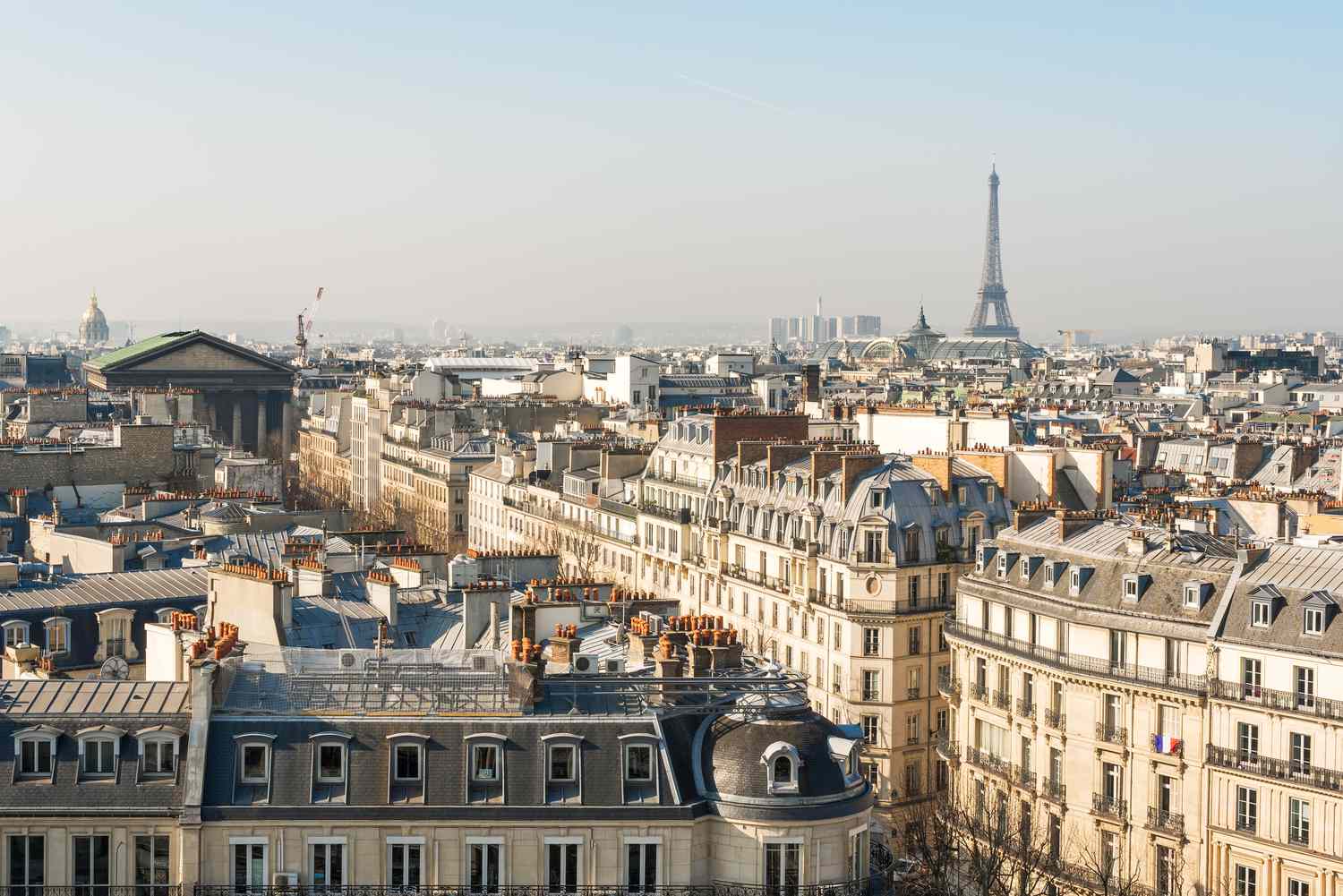
Paris earns its reputation. The quality of light in the city, particularly at dawn along the Seine or in the backstreets of Montmartre, is genuinely special. The mistake most couples make is planning around the Eiffel Tower, which is surrounded by people from dawn to midnight.
Couples who produce the most beautiful Paris elopement photographs tend to work with photographers who know other spots: Pont Alexandre III at sunrise, the Palais Royal gardens, or the hidden courtyards of Le Marais that most visitors walk straight past.
For outdoor ceremonies in Paris, check permit requirements with the Paris city administration in advance. Some locations within public gardens require prior authorization.
Best season:April to October, with April and October offering beautiful light and smaller crowds than the peak summer months.
Lisbon, Portugal
Crowd level: Medium
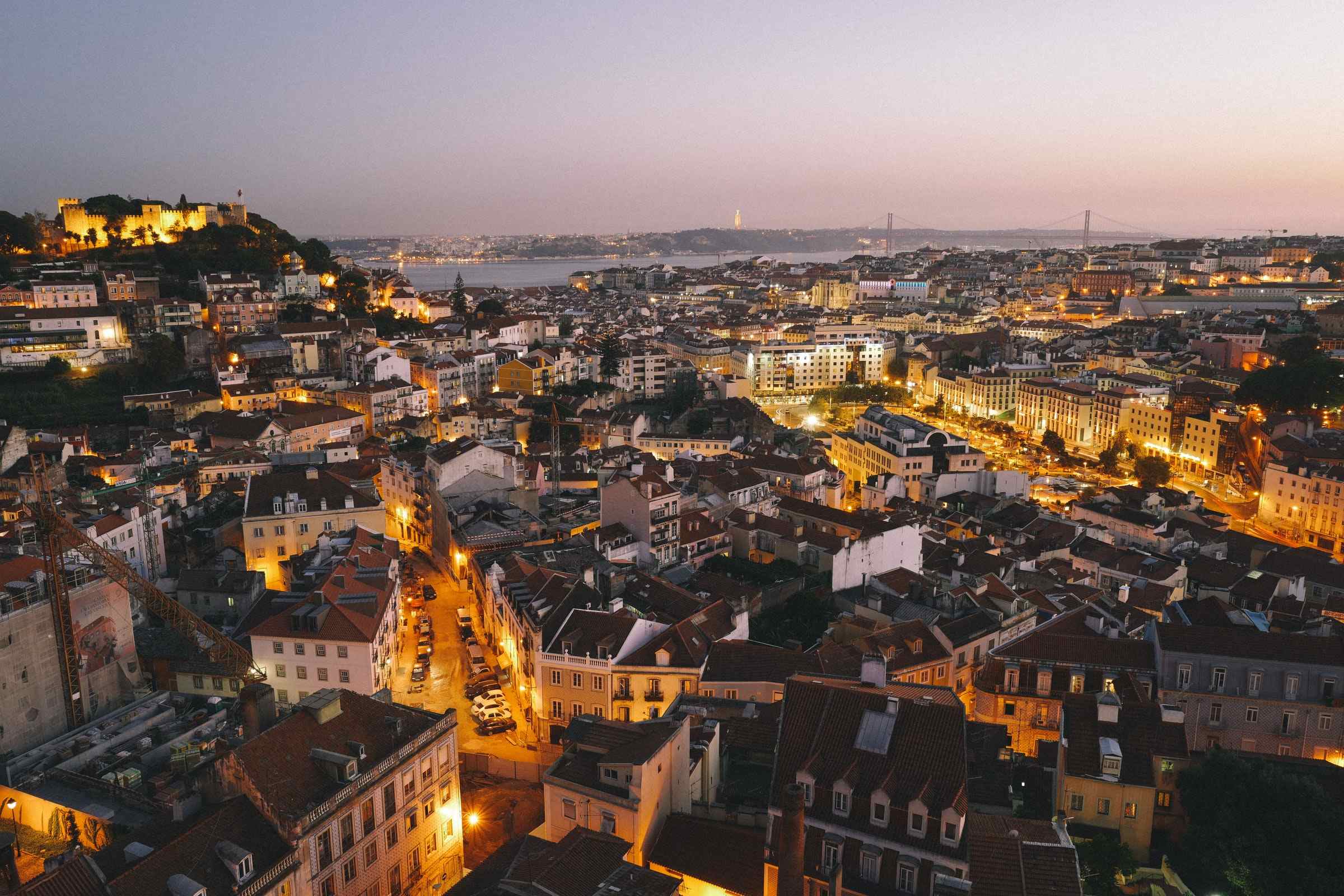
Lisbon is one of the most immediately loveable cities in Europe. The pastel facades of the Alfama district, the panoramic viewpoints scattered across the city's hills, the sound of fado drifting from a restaurant at dusk: all of this creates an atmosphere that is romantic without feeling manufactured. Lisbon is also significantly more affordable than Paris, Rome, or Barcelona.
Combining Lisbon with a day trip to Sintra (40 minutes by train) gives couples extraordinary variety within a single base: warm city streets in the morning, fairy-tale palaces and wild Atlantic cliffs in the afternoon.
Best season:April to June and September to October.
Prague, Czech Republic
Crowd level: Medium to High in summer, Low in autumn and winter
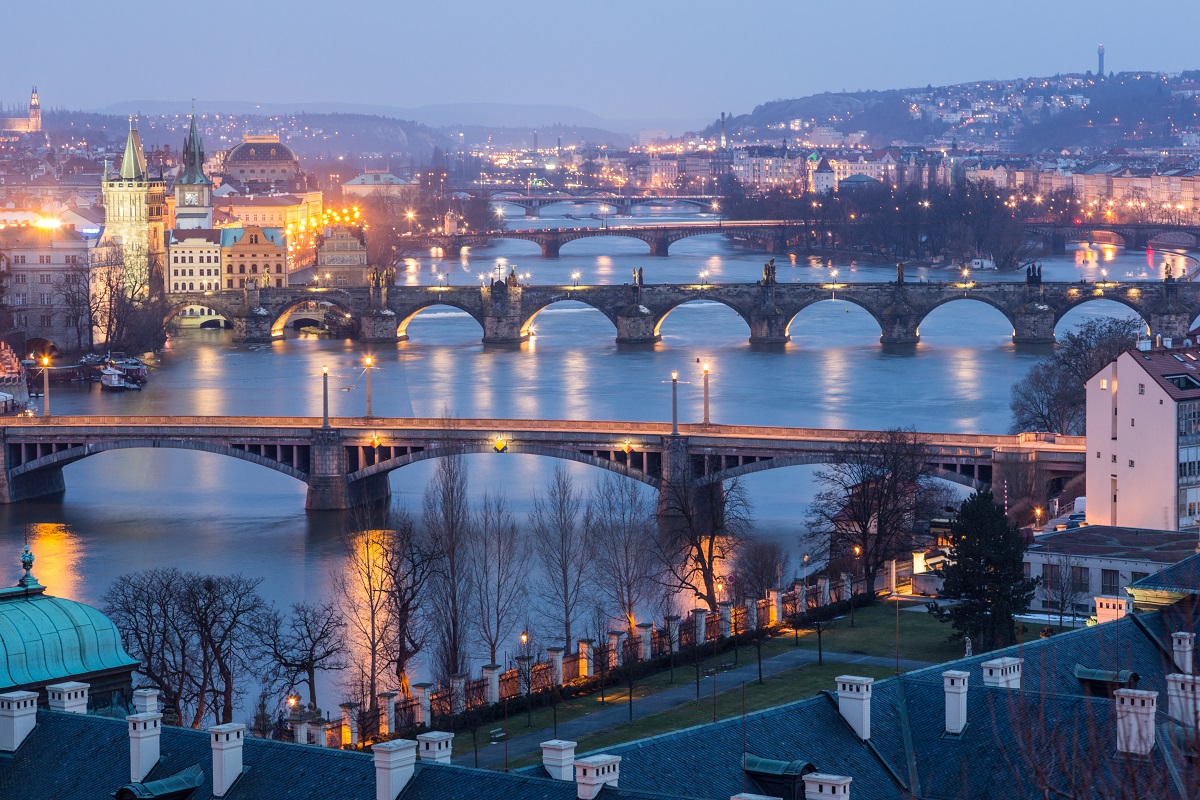
Prague is one of Europe's most beautiful cities and one of its most underpriced for elopements. Gothic towers, Renaissance bridges, and baroque churches cluster together in a medieval streetscape that has survived largely intact. Charles Bridge at dawn, before the city wakes up, is one of the most atmospheric urban settings in Europe.
Budget signal: Prague is notably more affordable than western European cities for accommodation, restaurants, and local suppliers. A couple who might spend €400 per night in Paris can often find equivalent quality in Prague for significantly less (data as of early 2026; check current rates).
Best season:May to September for weather. October offers autumn color and very manageable crowds.
Dubrovnik, Croatia
Crowd level: High, particularly in summer
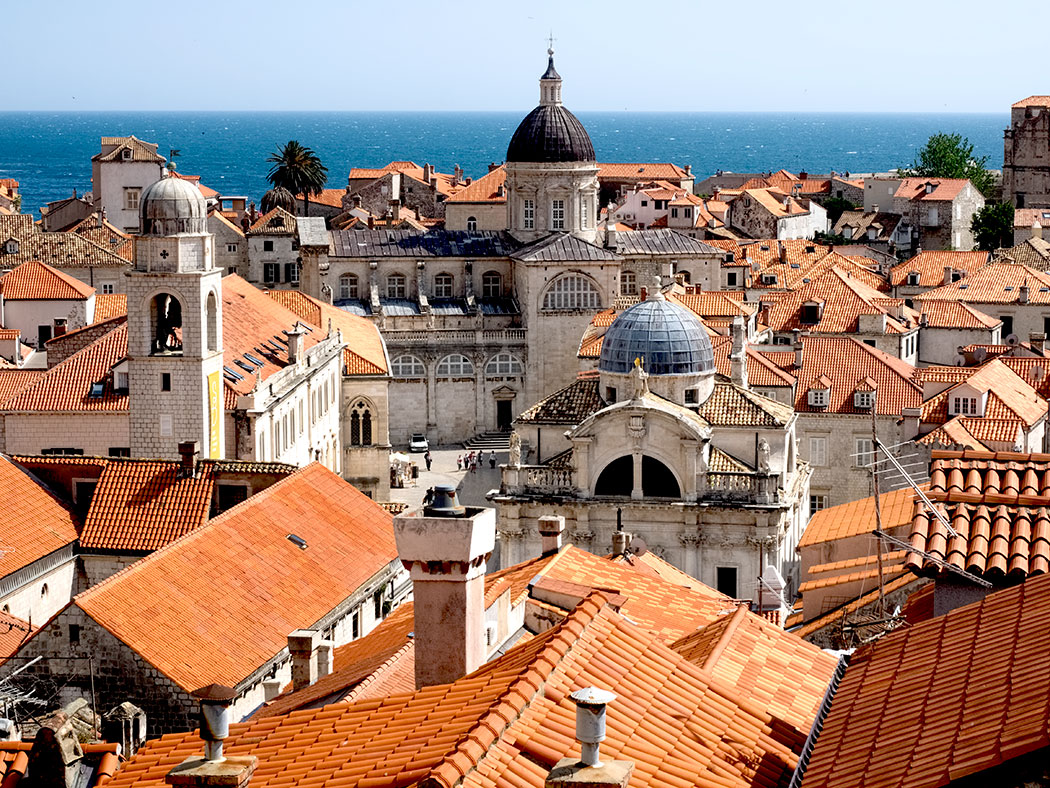
Dubrovnik's old town, enclosed within medieval walls above a turquoise sea, is one of the most striking urban settings in Europe. The challenge is its popularity: during summer, cruise ships bring thousands of day-trippers into a city designed for a fraction of that number.
The solution is timing. Ceremonies planned before 8am or after 6pm, when day-trippers have returned to their ships, give couples a version of Dubrovnik that feels intimate. The cliffs south of the old town, accessible by a short hike, offer aerial views of the terracotta rooftops with very few other visitors present.
Best season:May to June and September to October.
Seville, Spain
Crowd level: Low to Medium outside summer
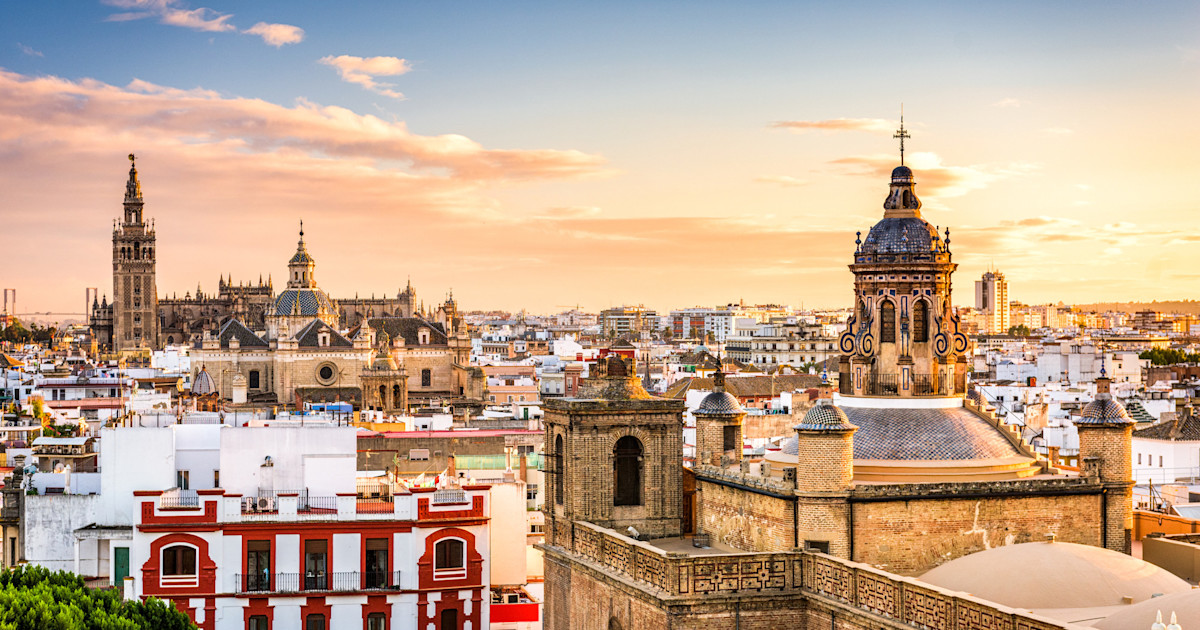
Seville is, in terms of atmosphere, one of the most distinctive cities in Europe. The Real Alcázar palace, with its intricate Moorish tilework and Andalusian gardens, creates a backdrop that has no European equivalent.
The Plaza de España, a semicircular baroque square beside a canal, offers dramatic architecture and extraordinary light in the late afternoon hours. Seville is at its best in spring, particularly March to May, when the orange trees are in blossom, temperatures are comfortable, and the city is in full cultural life.
Best season:March to May and October.
Best European Elopement Destinations On A Budget
A beautiful elopement does not require an unlimited budget. The destinations in this section offer scenery that rivals the most famous spots in Europe, at significantly lower overall cost.
Slovenia - Lake Bled And Lake Bohinj Without The Swiss Price Tag
Crowd level: Medium at Lake Bled, Low at Lake Bohinj
Slovenia is one of the most beautiful and most affordable countries in Europe for elopements. Lake Bled, with its island church and clifftop castle, is the flagship image, and it has become genuinely popular.
Equally stunning and far quieter, Lake Bohinj sits 26 kilometers to the west within Triglav National Park, surrounded by forest and mountains, with mirror-like reflections in the early morning that photographers treasure. Accommodation, food, and local services in Slovenia cost roughly 30 to 40% less than equivalent options in Switzerland or Austria, for landscapes that are genuinely comparable.
Best season:May to October.
Portugal
Portugal consistently offers more scenery per euro than any other western European country. The Algarve, Madeira, the Azores, and the Lisbon coast all provide world-class settings. Accommodation is significantly cheaper than Spain, France, or Italy, and the country is well-connected by low-cost airlines from across Europe.
A budget elopement in Portugal covering a symbolic ceremony, photography, two nights of accommodation, and local travel can realistically come in between €3,000 and €6,000 (data as of early 2026; verify with vendors).
Czech Republic And Eastern Europe
Prague, Bratislava in Slovakia, Krakow in Poland, and Tallinn in Estonia all offer extraordinary historical architecture, lower costs than western European equivalents, and manageable visitor numbers outside peak season. Couples who want a city elopement with genuine atmosphere but without the costs of Paris, Rome, or Amsterdam will find excellent options across central and eastern Europe.
Many of these destinations are still considered hidden gems in Eastern Europe, offering medieval streets, dramatic architecture, and romantic settings that rival Europe’s most famous cities at a fraction of the cost.
Shoulder Season Savings Across All Destinations
Regardless of which destination you choose, visiting in shoulder season (April to early June or September to October) consistently reduces costs by 20 to 40% compared to July and August peaks, across accommodation, flights, and photography packages. Shoulder season also means fewer crowds, better light for photography, and in Mediterranean destinations, far more comfortable temperatures for wearing formal attire outdoors.
When To Elope In Europe
The best time to elope in Europe depends heavily on where you are going. Here is a practical breakdown by region so you can plan with confidence rather than guesswork.
Spring (April To June)
Spring is the most consistently useful season for European elopements. Wildflowers cover alpine meadows and Portuguese hillsides, lavender begins to appear in Provence, blossom fills city parks, and crowds are a fraction of summer levels. Mediterranean destinations are warm without being hot, typically 18 to 24°C (64 to 75°F), and golden-hour light in April and May is exceptional for photography.
Summer (July To August)
Summer works best for destinations above approximately 55° north latitude or above 1,500m altitude. Iceland, the Faroe Islands, Norway's Lofoten Islands, and the Swiss and French Alps at height are all ideal in summer. Midnight sun around the summer solstice adds extraordinary light quality that no other season provides. In Mediterranean Europe, July and August bring intense heat and maximum crowds.
Autumn (September To October)
Early autumn is arguably the finest season for Tuscany, the Dolomites, and the wine regions of France, Spain, and Portugal. Harvest is underway, landscapes shift to amber and gold, and the light is warm and directional, making these destinations the best places to travel in October. Tourist numbers drop sharply after the first week of September in most destinations, making autumn one of the best periods for genuinely private experiences at locations that are crowded in summer.
Planning Your European Elopement
The logistics of an elopement abroad feel complicated until you break them into a clear sequence. Here is how to approach the planning process without getting overwhelmed.
Legal Marriage Vs. Symbolic Ceremony
A legally binding ceremony abroad requires navigating that country's specific marriage law, which typically involves a notice period, document translation, and sometimes a residency requirement. This process works smoothly in countries like Scotland, Denmark, and, with more administrative effort, Italy and France.
For many couples, particularly those travelling from outside Europe, a symbolic ceremony abroad is the practical choice. Complete the legal paperwork at your local registry office before or after the trip, then hold a meaningful ceremony in whatever location you love without any constraint. This approach is increasingly popular and produces an experience that is emotionally complete even without legal status in the country where you celebrate.
Do You Need A Permit? What To Check Before You Book
National parks, UNESCO-listed sites, beaches within protected marine areas, and some historic monuments require permits for organized ceremonies or professional photography. Requirements vary widely: some areas need only a brief email inquiry, others involve a formal application and a fee. Always check with the specific protected area administration or local municipality at least three to four months before your planned date.
Countries where permit requirements are most commonly relevant include Italy (provincial parks and protected coastlines), France (national parks and some historic sites), and Iceland (Þingvellir National Park, for example, has specific guidance on ceremony use, available through the national park authority).
How Far In Advance To Plan And What To Book First
For peak-season dates at popular destinations, a nine to twelve month lead time is advisable. The first things to confirm are your photographer (the best elopement photographers at sought-after destinations book many months in advance), your accommodation, and any permits required. Once those three elements are fixed, the rest of the planning can follow at a more relaxed pace.
Symbolic ceremonies with flexible logistics can sometimes be organized in as little as two to three months, particularly in off-peak periods.
Turning Your Elopement Into A Honeymoon
One of the genuine advantages of a European elopement over a traditional wedding is the ease of extending it into a longer adventure. Italy offers enough variety for a two-week itinerary: a Dolomites ceremony followed by days in Venice, then south to Tuscany and the Amalfi Coast. Portugal works similarly: Lisbon to the Algarve by car, or Lisbon to Madeira by a one-hour flight. Spain offers the Pyrenees, Barcelona, and any of the Balearic Islands within a single extended trip.
Plan at least three to four days on either side of your ceremony date. The days immediately around an elopement tend to carry the most emotional weight, and giving yourself time to breathe before and after makes the entire experience significantly richer.
What To Wear
The single most important rule for elopement attire is comfort relative to the environment. A voluminous skirt is magical in the flat streets of Prague or the gardens of Seville. It becomes a genuine obstacle on a mountain trail in the Dolomites or across the uneven hillsides of the Scottish Highlands. Couples planning outdoor mountain elopements often choose layered, elegant options that look intentional in wind and move well over varied ground.
Footwear matters most. Beautiful shoes that cannot manage a 20-minute walk to a ceremony location create real stress on the day. Carry something comfortable for the approach, then change for the ceremony itself if you wish. For Mediterranean settings in summer, light natural fabrics breathe better and photograph beautifully. For Scotland or Iceland, bring an extra layer regardless of the forecast: conditions change quickly in both.
Frequently Asked Questions
Where Is The Easiest Place To Elope In Europe?
Countries like Italy, Spain, Portugal, and Greece are extremely popular for elopements, especially for symbolic ceremonies.
Which European Country Gives The Fastest Citizenship By Marriage?
The fastest and easiest European country to get citizenship is Malta (by merit) or Spain (by marriage).
What Is The Wedding Capital Of Europe?
Couples from all over the world are flocking to Copenhagen to get married, as the lack of red tape compared to other countries has led some to brand the capital as the Las Vegas of Europe.
Is It Cheap To Get Married In Portugal?
The cost to get married in Portugal depends significantly on your choice of venue. Portugal offers a variety of options, from beachfront settings to historic palaces and vineyards. Venue rental costs vary widely, starting at around €3000 and going up to €15 000 or more for exclusive locations.
What Are The Disadvantages Of Eloping?
One of the most significant inhibitors facing would-be eloping couples is the prospect of negative family reactions. Family members who don't make the list might feel left out or mourn the big, traditional wedding they'd envisioned for you.
Final Thoughts
Choosing where to elope in Europe is, at its core, an act of self-knowledge. The couples who end up with the most meaningful elopements are not necessarily those who chose the most famous location. They are the ones who were honest about what kind of day they actually wanted, chose a place that matched that vision, and gave themselves enough time and space to be present in it.
Start with your style, not the rankings. Use the quick-match guide to get your shortlist down to two or three destinations, then read the practical details to see which one fits your timing and budget. From there, the planning is mostly logistics. The emotional weight of an elopement takes care of itself when you are standing in the right place with the right person.
Jump to
Here Is A Quick Look At What This Article Covers
What Makes A European Destination Right For An Elopement?
How To Match Your Destination To Your Personality As A Couple
Quick-Match Guide
The Best European Mountain Destinations For Elopements
The Best European Coastal And Island Elopement Destinations
The Best European City Elopements
Best European Elopement Destinations On A Budget
When To Elope In Europe
Planning Your European Elopement
Frequently Asked Questions
Final Thoughts

Sophia Harper
Author
Sophia Harper’s photography acts as a portal to the soul of the places she visits. Drawn to South America’s landscapes and cultures, she has spent years capturing everything from the majesty of ancient ruins to the vibrancy of urban streets.
Sophia’s work isn’t just about documenting moments; it’s about evoking the emotions and stories behind them. A dedicated photographer, she has worked with local communities across South America to capture their rich cultural narratives through her lens.

Liam Jones
Reviewer
Liam Jones has made it his mission to prove that adventure doesn’t need a hefty budget. Having traveled to over 40 countries, he specializes in finding affordable ways to experience the world, from the best street food in Bangkok to hidden gems in Lisbon.
Liam’s travel tips have reached thousands of readers, empowering them to see the world on a shoestring budget without sacrificing quality. With a deep passion for local cultures, he continues to share his travel hacks, ensuring adventure remains accessible to all.
Latest Articles
Popular Articles