15 Sex Tourism Hotspots | Laws, Risks & The Dark Truth
Sex tourism involves traveling for paid sexual activity. Explore the complex global landscape, laws, ethical realities and top cities of this industry.
Author:Finn WildeReviewer:Maya ReyesNov 05, 2025225.1K Shares3.3M Views
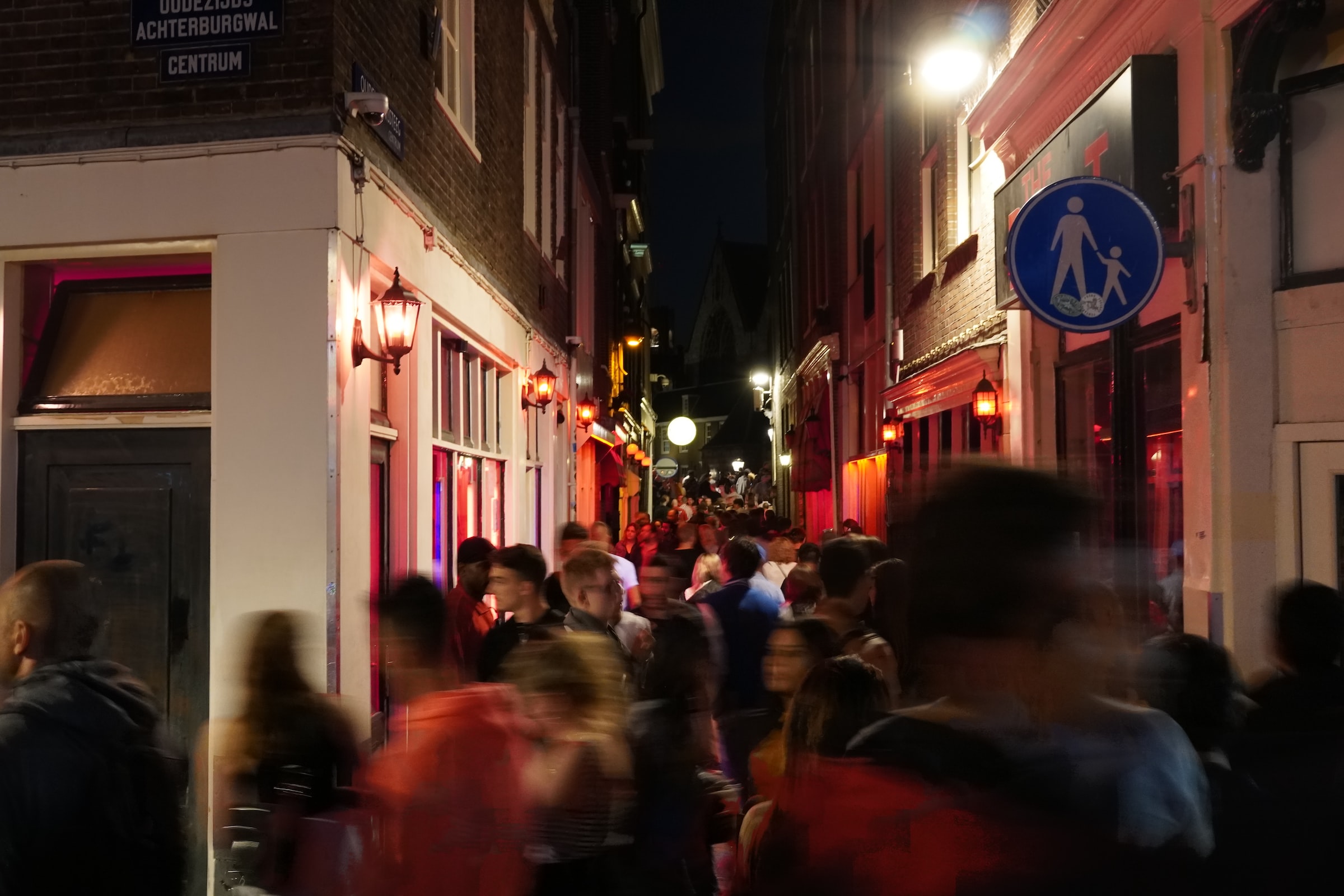
Beyond Red-Light Districts: Inside The Shadow Economy Of Sex Tourism
It turns out that some people actually hunt for locations where they can engage in unrestrained sex outside of marriage while they are making travelplans. This is our list of the best locations for sex tourism.
Some individuals consider having sex while traveling as a method to improve their travel experience. And to top it all off, there are millions of sex workers, both legal and illicit, dispersed throughout the world, contributing billions to the sex tourismindustry.
This analysis examines the Top 15 sex city in the worldand related sex tourism countriesand sex tourism countries ranking.The ranking is derived from a variety of data points-including STI rates, sex toy consumption, online sexual searches, and legally regulated sex work-sourced across 10 different global studies.
While some cities on the list are celebrated for their cultural tolerance and progressive legal frameworks, the high ranking of others is a direct indicator of deep-seated economic disparity and the dark side of global tourism: sex tourism and human exploitation. This article uses the rankings not just as a list, but as a lens to examine these critical global issues.
What Is Sex Tourism?
Sex tourism is the practice of traveling to a foreign country with the primary intention of engaging in paid sexual activity or relationships with locals. It is a multibillion-dollar industry built on an inherent power imbalance between the wealthy traveler and the often economically vulnerable local population.
Not All Commercial Sex Is Exploitation, But Sex Tourism Nearly Always Is
While some jurisdictions recognize consensual adult sex work, the context of sex tourism fundamentally shifts the ethical landscape, making the element of true choice severely diminished:
- Poverty as a Driver:In destinationsmarked by economic hardship, financial desperation forces individuals, including minors, into commercial sex to survive. This is economic coercion, a fundamental form of exploitation.
- The Power Differential:The tourist, typically from a wealthy nation (Global North), possesses overwhelming economic and social power over the local individual (Global South), making any transaction inherently unequal.
The Critical Illegal Act: Child Sexual Exploitation (CST)
Regardless of a country's laws on adult prostitution, the sexual exploitation of children (CST) is universally recognized as a major international crime. It is a predatory global industry facilitated by anonymity, easy international travel, and lax or poorly enforced local laws. The U.S. Department of Stateestimates over one million children are trafficked for sex throughout the world.
Global Legal Landscape For Commercial Sex
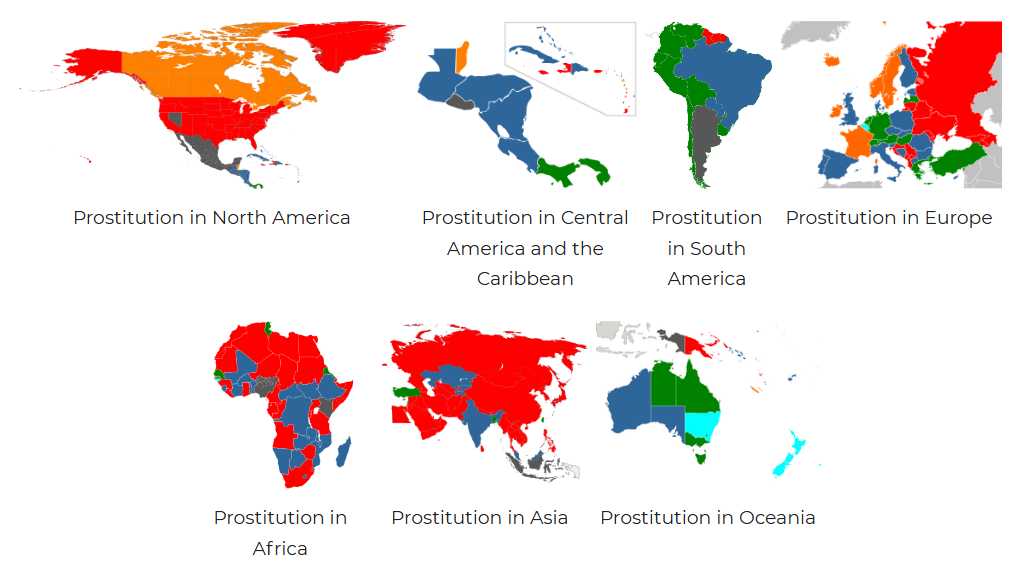
The presence and character of commercial sex in the ranked cities are heavily influenced by the local legal framework. It is critical to remember that the legality of commercial sex never legalizes exploitation or the abuse of minors.
Jurisdictions Defined By Law And Reality
The legal status of prostitution globally can be broadly grouped into these models:
Legalization And Regulation Model
Prostitution is legal, regulated, and sex workers often have access to social services and health checks.
- Germany (Berlin):Prostitution is a widely practiced, organized, and entirely legal industry. The nation has a long history of legal organized prostitution dating back centuries.
- The Netherlands (Amsterdam):The famous Red Light District operates under a model where sex work is legal and heavily regulated, and sex workers have access to rights and free STI testing.
- Nevada, USA (Las Vegas):Though Las Vegas is ranked, prostitution is only legal in licensed brothels in specific rural counties, remaining illegal in the major city itself.
Neo-Abolitionist Model
This framework decriminalizes those who sell sex (sex workers) but criminalizes those who pay for sex (clients/purchasers), aiming to reduce demand.
- France (Paris):Since adopting this model in 2016, buying sex is illegal, with penalties that can include fines and compulsory awareness courses.
Prohibition/De Facto Tolerance Model
The act of prostitution is technically illegal by national law, but is often weakly enforced or tacitly permitted in major tourist cities for economic benefit.
- Thailand (Bangkok): Prostitution is technically prohibited under the Criminal Code. However, the law is often unenforced, leading to a de facto tolerance that allows the trade to flourish, partly due to its roots during the Vietnam War.
- Philippines: Prostitution is illegal under the Revised Penal Code, yet it remains a significant, though unofficial, part of the tourism industry, with high estimates of people involved.
- Dominican Republic:Prostitution is generally considered legal, but related activities like brothel-keeping and pimping are illegal, though laws are often not strictly enforced in tourist areas like Santo Domingo and Puerto Plata.
Extra-territorial Laws: No Place To Hide
Many powerful "sending" countries, including the United States, Canada, and Australia, have enacted extraterritorial legislation.
This allows their citizens to be prosecuted and sentenced in their home country for committing crimes like child sexual abuse abroad, even if the act was not technically illegal in the destination country at the time.
The U.S. PROTECT Act is a prime example, used to aggressively pursue and prosecute U.S. citizens for child sex tourism offenses committed overseas.
Human Trafficking And Exploitation
The sex tourism industry fuels and is inextricably linked to the global trafficking and slavery industry. Vulnerable populations-often women, girls, and children from low-income backgrounds-are the primary targets.
- Global Slavery:An estimated 24.9 million people are trapped in modern-day slavery globally, with approximately 4.8 million (19%) being sexually exploited.
- Female Victimization:Females are disproportionately targeted, accounting for 71% of all detected trafficking victims globally. In the commercial sex industry, this percentage is even higher.
- Child Victims:Children are heavily impacted, making up an estimated 21% of the total victims of commercial sexual exploitation. The sexual exploitation of childrenleads to long-lasting physical and psychological trauma.
- Trafficker Profile: While the majority of convicted traffickers are male, approximately 30% of human trafficking prosecutions and convictions involve female offenders. This high involvement is often complex, as some female offenders were themselves previous victims of sex trafficking and exploitation.
Economic And Policy Implications
Sex tourism is a multibillion-dollar industry that stimulates parts of the service sector in destination countries, with airlines, hotels, and restaurants all profiting.
- Financial Temptation:Sex work may yield significantly higher wages than work in the formal sector. This economic temptation can draw women and children from impoverished communities, creating a supply driven by the need for basic survival.
- Government Complicity:This consistent flow of foreign currency creates a financial barrier for destination country governments, who may be reluctant to formulate progressive, ethical policy or strictly police an industry that serves as a major economic lifeline, sometimes leading to local complicity and corruption.
Demographics And Destinations
The flow of sex tourism primarily follows global economic inequality.
Male Sex Tourism (The Bulk)
The majority of sex tourism involves men traveling from the Global North (developed countries) to countries in the Global South (less economically developed nations).
- Primary Tourist Origin:Tourists are generally male from Western countries. Studies show the percentage of men who have paid for sex at least once in their lives is significantly higher in some destination countries (Cambodia: 59–80%; Thailand: 75%) than in sender countries (United States: 15.0–20.0%).
- Common Destinations (Related to List):Southeast Asia (Thailand, Philippines), Latin America (Brazil, Colombia), and parts of Africa.
Female Sex Tourism (Rarer Dynamics)
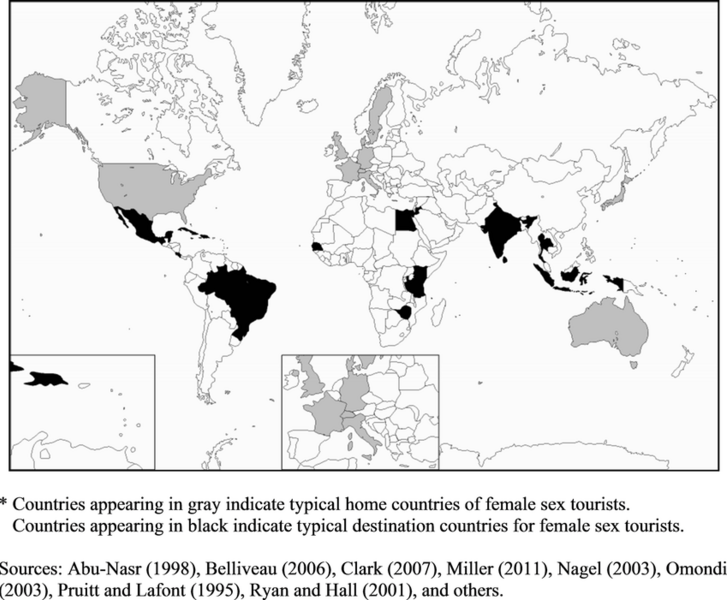
The concept of a sex tourism country for womenexists, often involving different dynamics, sometimes referred to as "romance tourism."
- Origin:Tourists often come from countries like Australia, Canada, the U.S., and European nations.
- Destinations & Dynamics:Female sex tourists often visit the Caribbean (Jamaica, Cuba, Barbados) and Africa (Kenya and The Gambia). In Kenya, this can involve older white women seeking relationships or paid time with younger local men, highlighting a reversal of the typical power dynamic based on gender and age, but still rooted in economic disparity.
LGBTQ+ Dynamics
Growing in cities like Rio (gay tourism) and NYC/DC (WorldPride events), but risks exploitation via apps.
Also Read: The Best Places In Kenya For Tourism
The Health And Domestic Frequency Metrics
Beyond the commercial aspect, many cities on the list rank highly due to high domestic activity, which is measured primarily through public health and frequency statistics.
STI And Health Crisis Metrics
These cities rank highly due to high rates of STI infection, which is a strong proxy for frequent and/or unprotected sexual activity within the local population.
- Los Angeles, USA: Cited for the highest reported rates of gonorrhea, chlamydia, and syphilis in California.
- Chicago, USA: Ranks second nationally for case counts of chlamydia, gonorrhea, and syphilis.
- Las Vegas, USA: Noted for a high number of HIV/AIDS patients and new diagnoses, primarily linked to male-to-male sexual interaction.
- Sao Paulo, Brazil: High ranking based on a strong correlation between sexual activity and high contraception use, indicating widespread and relatively safer sexual engagement.
Culture And Domestic Frequency Metrics
These rankings are driven by self-reported frequency, legal changes, and a culture of openness.
- New York, USA:Ranks high on sheer frequency: 43% of citizens say they have sex every day. Also notes high activity in the 65+ age group.
- London, UK: High frequency reported, particularly for the 18-19-year-old demographic, alongside a culture of increasing acceptance for diverse sexual partners.
- Copenhagen, Denmark:Ranks not just on activity, but on official reports. The significant increase in recorded sexual offenses is largely interpreted as reflecting increased reporting due to the new sexual consent law.
- Ibiza, Spain: Ranks due to niche leisure activity; cited for high polling in Sex Toy Consumption and high visibility of the Swingers community.
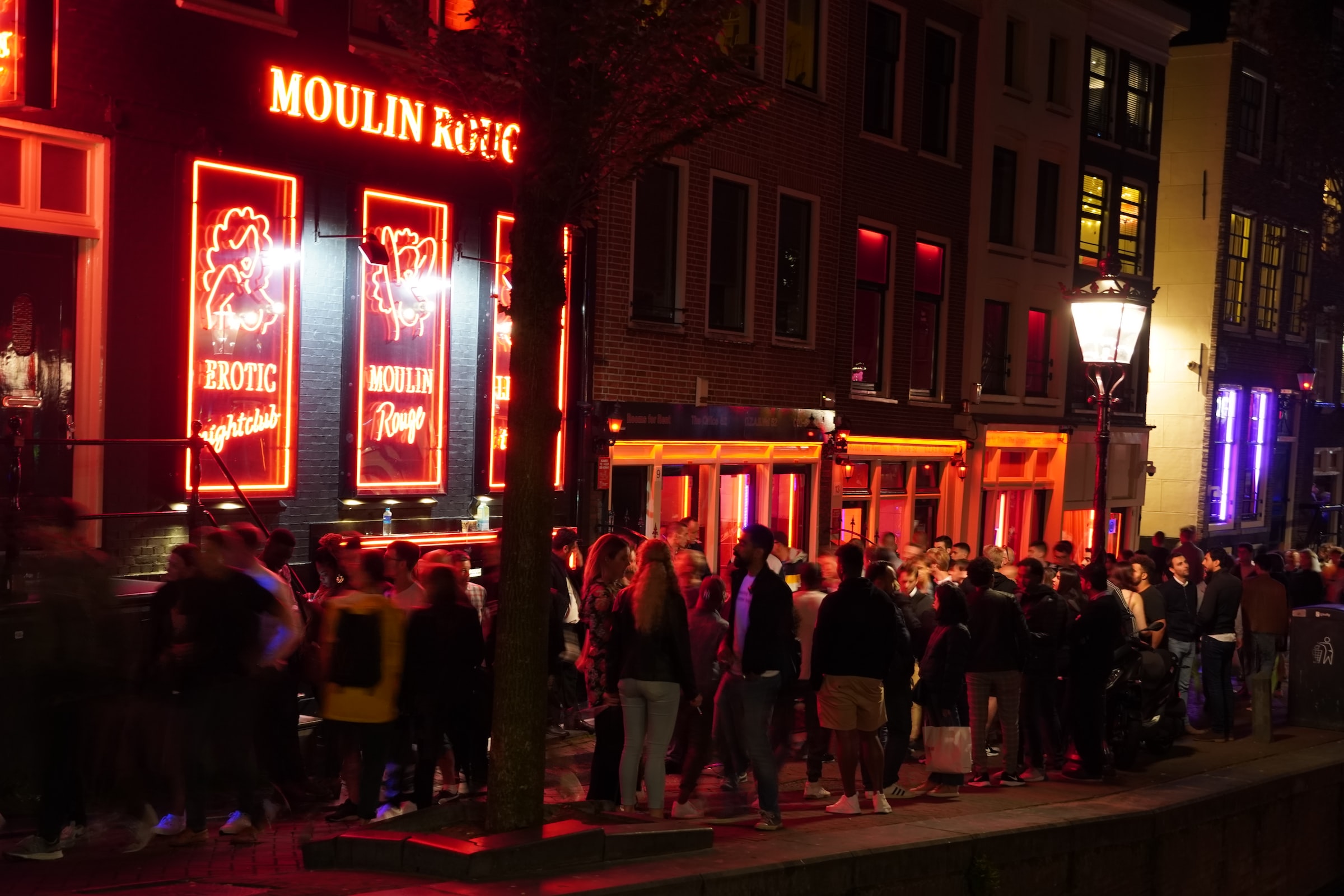
The 15 Most Sexually Active Cities In The World
This list is a composite ranking reflecting a blend of cultural openness, legal frameworks, public health metrics, domestic activity frequency, and the presence of commercial sex tourism.
While some lists focus narrowly on the Top 10 sex tourism countries in the world, our composite ranking ensures a broader, more ethical analysis.
1. Paris, France
Ranked number one due to its reputation as a globally open, tolerant, and progressive metropolis. France operates under a Neo-Abolitionist legal model, meaning the act of buying sex is criminalized, but the local culture of sexuality and acceptance remains highly influential in its ranking.
Related Reading: Romantic Escapes In Paris | 33 Hotels For Unforgettable Love
2. Los Angeles, USA
The city's high ranking is primarily driven by public health statistics. Los Angeles is frequently cited for having some of the highest reported rates of gonorrhea, chlamydia, and syphilis in California, which is a strong proxy for high-frequency and/or unprotected sexual activity.
3. London, UK
London ranks high due to a combination of cultural acceptance and high measured frequency, particularly within the 18-19-year-old demographic. The city reflects a changing social attitude with increased acceptance of diverse sexual lifestyles.
While London has a significant commercial sex industry, its ranking is primarily driven by domestic cultural and frequency metrics.
4. Berlin, Germany
Berlin has reclaimed its status as a sexually free European metropolis. Its ranking is supported by Germany's legalization and regulation model for prostitution, providing legal infrastructure for sex work, sexual health, and diverse sexual expression.
In Germany, prostitution, including street prostitution, is a widely practiced, organized industry that is entirely legal. The practice of organized prostitution has been practiced in the nation since the 1200s AD, and the nation has a long history of sexual tourism.
It's interesting that people voluntarily enter the flesh trade in Germany, and there are employment offers and advertisements through HR firms.
Frauenhäuser ("women's houses") have always been a common feature of German history and were seen as establishments that, by providing their services, helped curb more serious crimes. The practice is still in use today.
5. New York, USA
A global hub noted for sheer domestic frequency. Data indicates that a high percentage of citizens, including those over 65, report having sex frequently, contributing significantly to its overall score.
6. Rio De Janeiro, Brazil
Rio de Janeiro ranks high due to its status as a major destination for sex tourism and a notable market for gay sex tourism (often referred to as Michês). The country’s legal framework decriminalizes the act of prostitution, though pimping and brothel-keeping are illegal.
7. Ibiza, Spain
This ranking is primarily due to its reputation as Spain’s "sexiest destination" for niche leisure activities. It polls highly for sex toy consumption and is known for its visible swingers and party-centric atmosphere.
8. Amsterdam, Netherlands
Known globally for the regulated De Wallen (Red Light District), Amsterdam ranks for its long-standing model of legalized and regulated prostitution. The city provides a structured environment where sex workers have access to health and social benefits.
9. Copenhagen, Denmark
The city's ranking is notable as it reflects a cultural shift in reporting. Its high score is based on a significant increase in recorded sexual offenses following the introduction of a new sexual consent law, suggesting a higher rate of reporting previously hidden incidents.
10. Bangkok, Thailand
Historically and currently a major hub for sex tourism. Despite prostitution being technically illegal, de facto tolerance and a massive informal industry, historically linked to the Vietnam War, drive its high ranking in the commercial sex category.
The nation's sex trade is thought to have started during the Vietnam War, establishing a long history. While the act is prohibited by law, the scale of the industry is immense: estimates suggest over three million sex workersearn a living in the nation, making the industry a massive, though unofficial, economic force. This de facto operation allows the profession to function as a vital, high-volume part of the tourism economy.
11. Chicago, USA
Similar to Los Angeles, Chicago’s ranking is driven by public health data, having the second-highest case counts for common sexually transmitted infections (STIs) in the United States.
12. Toronto, Canada
Toronto ranks high based on indicators of local sexual activity and cultural openness among Canadian travelers. While a "sending" country, its high measured domestic and tourist activity contributes to its position on the list.
13. Las Vegas, USA
Las Vegas is included based on public health and clinical data, specifically a high number of new HIV diagnoses, with primary transmission linked to male-to-male sexual interaction. Prostitution remains illegal within the city limits.
14. Sao Paulo, Brazil
This ranking is heavily weighted by positive public health indicators for sexual activity, specifically a strong correlation between widespread sexual engagement and high contraception use, suggesting accessible sexual health awareness.
Brazil is a country where prostitution is permitted, but it is against the law to run a brothel or hire sex workers in any other organized way. Despite the prohibition on third-party involvement, the cities are still filled with dozens of brothels where commercial sexual activity takes place, reflecting a gap between legal statutes and on-the-ground enforcement.
15. Madrid, Spain
Madrid ranks high due to its connection to the commercial sex trade, including a major sex trafficking scourge, and a high percentage of local Spanish males (over 40%) who have paid for sex, indicating a high local demand despite an unregulated environment.
People Also Ask
What Is A Sex Tour?
Travel planned primarily to purchase sexual services. The ethical and legal issues hinge on three non-negotiables: consent, coercion, and age. Any involvement of minors or exploitation is a crime.
Can I Be Prosecuted At Home For Conduct Abroad?
Often, yes. Many countries have extraterritoriallaws that allow prosecution for offenses involving minors, trafficking, or related crimes committed overseas-even if something seemed tolerated locally.
Is Sex Work Legal In France?
Selling sexual services by consenting adults is not itself criminalized, but buyingis penalized under France’s client-criminalization model. Procuring and brothel-keeping remain illegal, and enforcement actions do occur.
Is sex Tourism legal In Thailand?
No nationwide legalization. Some areas show de facto tolerance, but national law still prohibits key activities, and police actions and penalties are possible. “Tolerated” does not equal “legal.”
Are City/country “sex Rankings” Trustworthy?
Treat them as entertainment, not guidance. They often blend unrelated signals (search trends, toy sales, STI stats, law changes) into a single score and rarely account for data quality or recency.
What Are The Main Health Risks (and Timelines For Testing)?
Risks include HIV, gonorrhea, chlamydia, syphilis, and hepatitis A/B; drug-resistant gonorrhea is a growing concern. A pre-travel clinic visit and a post-trip testing plan are smart.
How Do I Find Responsible Hotels/tours?
Look for visible child-safeguarding policies, staff training, and clear reporting procedures; many reputable brands align with recognized child-protection codes. Ask providers directly about their safeguards and avoid those unwilling to answer.
What Should I Do If I Suspect Child Exploitation?
Do notconfront anyone. Note time, place, identifiers; alert your hotel’s security/management and contact local child-protection hotlines or law enforcement, or your embassy if needed. Your safety and the victim’s protection come first.
Conclusion
The global phenomenon of sex tourism presents a stark paradox. On one hand, it is a multi-billion dollar industry embedded in the economies of many popular destinations.
On the other, it is an industry fundamentally built upon and sustained by global inequality, economic desperation, and systemic exploitation. The composite ranking of cities reveals not just hotspots for sexual activity, but flashpoints for critical human rights issues.
Understanding the complex legal frameworks, from regulated models to de facto tolerance, is essential. However, legality does not automatically equate to ethicality. The power imbalance between tourist and local, the driving force of poverty, and the scourge of human trafficking and child exploitation remain the undeniable dark realities of this trade.
As travelers and global citizens, the responsibility lies in looking beyond the allure of permissive destinations. It requires acknowledging the human cost, understanding the extraterritorial laws that hold offenders accountable, and prioritizing the safety and rights of the most vulnerable. True awareness means recognizing that behind the data points and city rankings are complex human stories, often of survival, not choice.
Also Check Out: The Art Of Planning A Romantic Getaway
Jump to
Beyond Red-Light Districts: Inside The Shadow Economy Of Sex Tourism
What Is Sex Tourism?
Global Legal Landscape For Commercial Sex
Human Trafficking And Exploitation
Economic And Policy Implications
Demographics And Destinations
The Health And Domestic Frequency Metrics
The 15 Most Sexually Active Cities In The World
People Also Ask
Conclusion
Finn Wilde
Author
For Finn Wilde, the wilderness is more than just a destination - it’s a way of life. Over the past decade, he has led multiple expeditions in some of the world’s most remote regions, from the icy fjords of Greenland to the rugged trails of Patagonia.
Finn emphasizes sustainability in all of his adventures, helping participants connect with nature while promoting responsible exploration. His expeditions inspire individuals to explore the great outdoors while fostering a deep respect for the environment.

Maya Reyes
Reviewer
Maya Reyes’s wanderlust was sparked in the temples of Luang Prabang, where the scent of lemongrass and the chants of monks revealed the transformative power of travel.
Since then, her journey has been defined by cultural immersion and authentic connections. From learning batik in Indonesia to sharing meals with nomadic families in Mongolia, Maya seeks experiences that highlight the human stories behind each destination.
Travel for her is a way to weave her narrative into the world’s cultural tapestry, creating bridges across diverse ways of life. Maya has traveled to 15 countries and shares her insights through writing and storytelling.
Latest Articles
Popular Articles