Walking The Way Of St. James - Top 11 Routes For Tourists
From guided groups to self-paced adventures, walking tours on the Way of St. James cater to all preferences. Find the one that’s right for you.
Author:Sophia HarperReviewer:Liam JonesMar 25, 202572.8K Shares1M Views
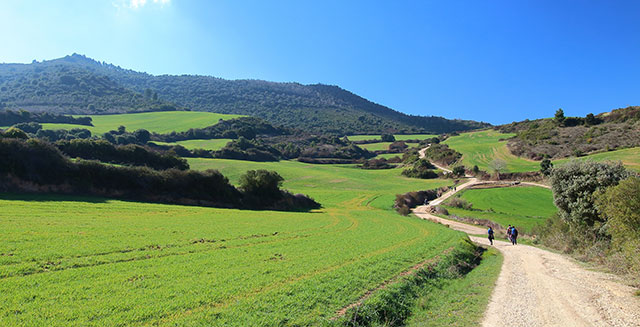
The Way of St. James, or Camino de Santiago, is more than just a hike; it's a journey steeped in history, spirituality, and cultural significance, leading travelers across Europe to the shrine of St. James in Santiago de Compostela.
If you seek spiritual renewal, a physical challenge, or simply an unforgettable cultural experience, the Camino offers it all. Walking toursprovide the most intimate way to engage with the
The History Of The Way Of St. James
The origins of the Way of St. James can be found in the early Middle Ages, when travelers from all over Europe set out on this holy expedition. It was thought that the Camino would lead to the remains of St. James the Apostle, which are kept in Santiago de Compostela's cathedral.
At its height in the eleventh and twelfth centuries, the Camino emerged as a major conduit for Christian devotion in Europe. Along the pathways, hospitals, bridges, and monasteries were constructed to aid pilgrims, leaving a cultural, architectural, and artistic legacy.
The Camino's cultural and historical treasures will be preserved for future generations thanks to its UNESCO World Heritage designation. These days, the Camino draws not only fervent Christians but also tourists, hikers, and those looking to better themselves. Much like the wide-open spaces of the Great Plains, walking the Camino offers a chance to embrace simplicity, regain oneself, and step away from the craziness of modern life.
Types Of Walking Tours On The Camino
1. Self-Guided Tours
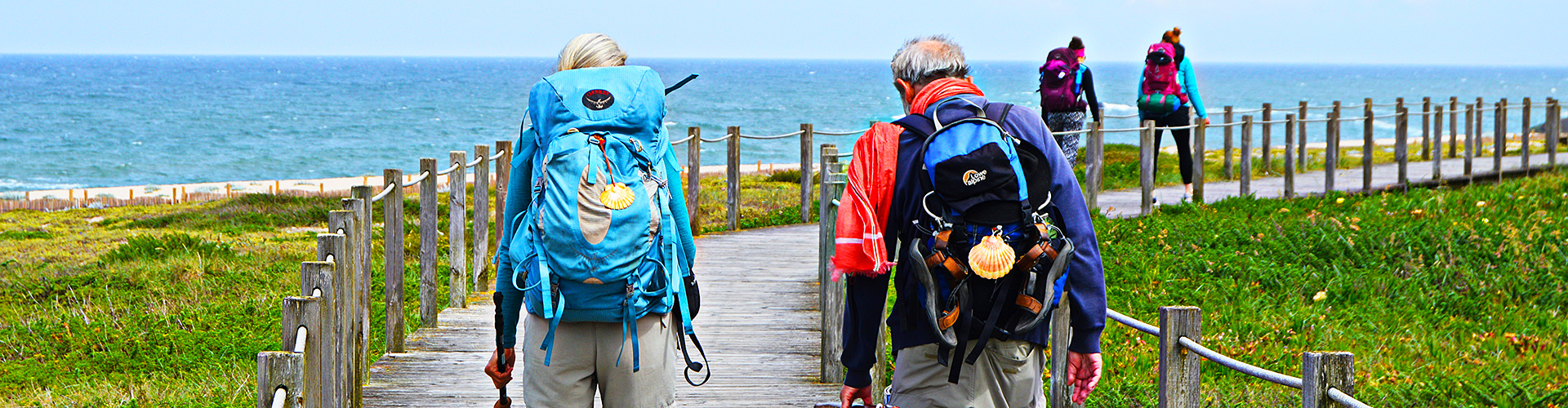
For individuals who want independence and flexibility when walking the Camino de Santiago, self-guided excursions are a well-liked choice. These trips guarantee that you can concentrate entirely on the vacation by offering the convenience of pre-arranged lodging, thorough route notes, and luggage transfer services. This technique allows pilgrims to go at their own speed and decide when and where to stop along the way to rest, eat, or explore.
2. Guided Group Tours
An arranged Camino experience is offered by guided group excursions, which are conducted by experienced leaders who impart knowledge about the history, customs, and sites of the area. Since these programs frequently unite small groups of pilgrims who share similar interests in walking the way together, they are ideal for pilgrims looking for companionship. Participants gain from professional assistance and worry-free navigation, which guarantees a seamless trip free of logistical issues.
3. Customized Private Tours
Customized private tours provide itineraries made to fit particular tastes for people looking for a more individualized experience. With choices for better lodging, private transportation, and flexible itineraries, these excursions are perfect for families, couples, or close-knit groups that wish to experience the Camino on their own terms.
4. Budget-Friendly Pilgrimage Tours
For tourists who want to travelthe Camino without going over budget, there are tours that are tailored to their budget. These itineraries frequently include basic lodging options, such as hostels, and all the necessary services without the extravagance of luxury packages. For people who value the physical and spiritual aspects of the Camino more than material luxuries, this choice is ideal.
5. Luxury Walking Tours
Luxurious walking trips enhance the Camino experience by providing posh lodging, fine dining, and first-rate extras like personalized guides or spa treatments. These pilgrimage tours are designed for people who appreciate luxury and comfort. Luxury trips can feel more like a holiday than a typical Camino experience, even though they offer a smooth and tranquil route.
6. Short Camino Tours
Those who have little time but yet wish to make the trip might choose short Camino tours. Typically, these excursions cover a section of the route, such the final 100 kilometers needed to obtain the Compostela credential. A taste of the essence of the Camino is offered by short trips, which concentrate on the most famous portions of the route.
7. Themed Or Specialty Tours
Themed trips are a fantastic opportunity to combine the Camino with personal interests, such as culinary exploration, photography, or historical study. These trips aim on offering a unique experience that goes beyond the conventional visit. These tours appeal to specialist interests and give the trip more depth by providing a unique perspective on the Camino.
8. Family-Friendly Tours
Families with kids can enjoy the Camino thanks to family-friendly tours. These excursions include family-friendly accommodations, kid-friendly activities, and lower daily distances. For those seeking family travel destinations, the Camino offers a unique opportunity to create valuable shared experiences. This strategy makes the journey approachable and pleasurable for people of all ages.
9. Pilgrimage And Retreat Tours
For those seeking a deeper spiritual connection, pilgrimage and retreat tours emphasize reflection, guided meditations, and visits to sacred sites. These tours often incorporate elements of quiet contemplation and group discussions to enhance the spiritual aspect of the Camino. Such tours appeal to pilgrims who prioritize inner growth and connection with the Camino’s religious significance.
10. Accessible Camino Tours
In order to make the journey inclusive, accessible Camino excursions are made for visitors with special needs or mobility impairments. These excursions frequently have accessible lodging, wheelchair-accessible routes, and support cars when needed. Everyone may take part in this famous pilgrimage thanks to these trips, which modify the Camino for people of all abilities.
Routes Of The Way Of St. James
1. The French Way (Camino Francés)
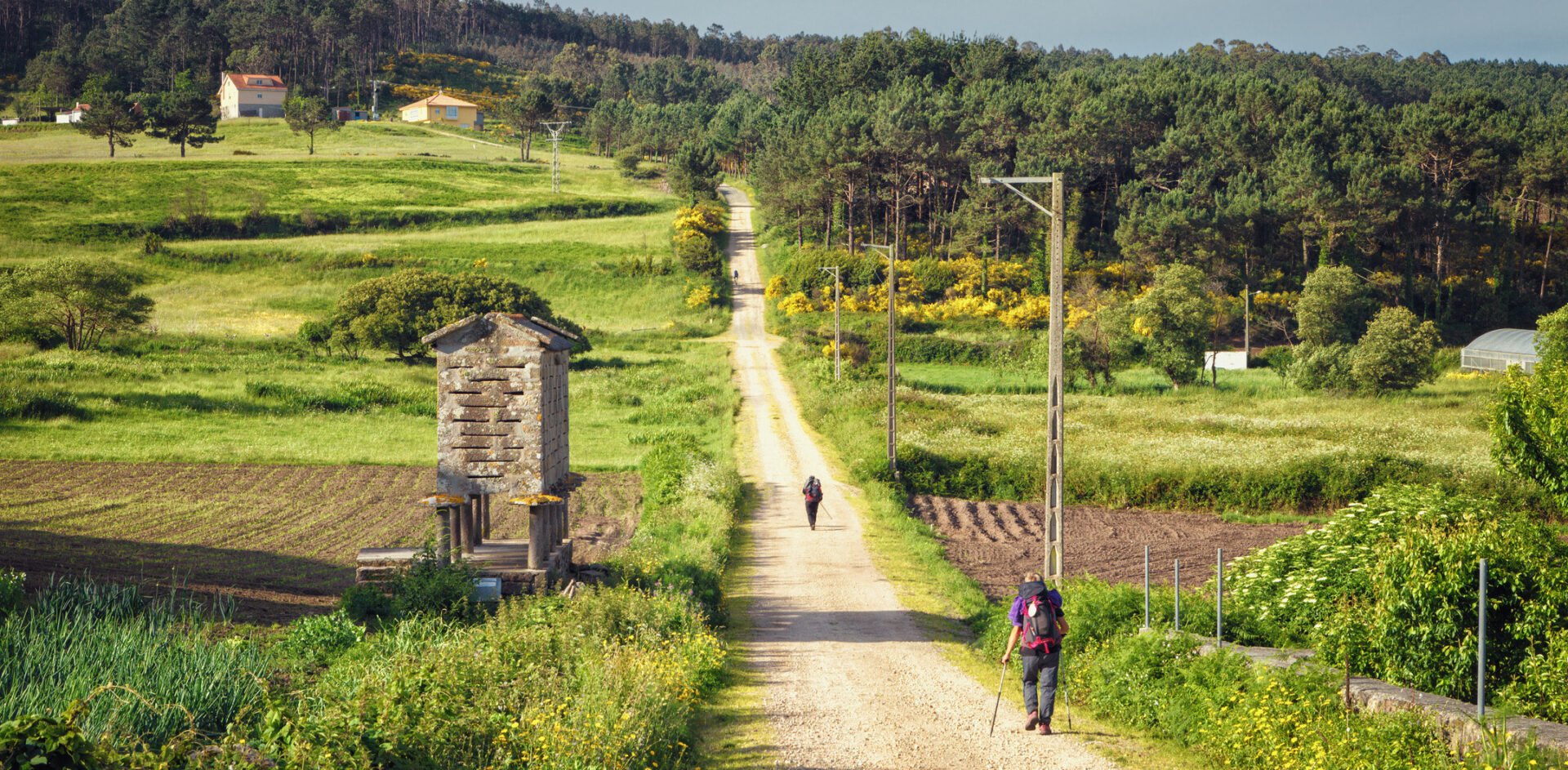
The most well-known and frequently traveled path is the French Way, which begins in St. Jean Pied de Port, France, and travels about 800 kilometers to Santiago de Compostela. The Pyrenees, undulating vineyards, Meseta plains, and the verdant Galicia are just a few of the varied vistas that make this road famous.
- Highlights: Burgos Cathedral, Leon’s historical sites, and the spiritual journey through the Cruz de Ferro.
- Who It’s Best For: Beginners and pilgrims looking for a classic Camino experience.
- Time to Complete: 30-35 days.
2. The Portuguese Way (Camino Portugués)
The Portuguese Way provides a pleasant travel across the center of Portugal and into Galicia, beginning in Lisbon or Porto. This route gives tourists versatility by offering both inland and coastal options.
- Highlights: The stunning Douro River valley, Porto’s historic architecture, and the serene countryside.
- Who It’s Best For: Those seeking a less crowded path with cultural richness.
- Time to Complete: From Lisbon, 30-35 days; from Porto, 10-14 days.
3. The Northern Way (Camino Del Norte)
This coastal route offers stunning views of the ocean and lovely seaside towns as it travels from Irún to Santiago along Spain's northern shore.
- Highlights: The Basque Country, Santander’s beaches, and Asturias’ dramatic cliffs.
- Who It’s Best For: Pilgrims looking for a quieter, more scenic route with a physical challenge.
- Time to Complete: 30-35 days.
4. The English Way (Camino Inglés)
The English Way was originally followed by missionaries from the British Islesand begins in the ports of A Coruña or Ferrol. For people who are short on time, this is the ideal option.
- Highlights: Medieval towns, ancient churches, and a direct route to Santiago.
- Who It’s Best For: Beginners or those seeking a brief pilgrimage.
- Time to Complete: 5-7 days.
5. The Primitive Way (Camino Primitivo)
Oviedo is the starting point of the oldest Camino route, which leads tourists through isolated and rocky terrain. This is a difficult yet worthwhile route.
- Highlights: The mountainous terrain of Asturias, Lugo’s Roman walls, and unspoiled natural beauty.
- Who It’s Best For: Experienced hikers seeking solitude and a physically demanding route.
- Time to Complete: 12-15 days.
6. The Finisterre Way (Camino Finisterre)
Beyond Santiago, the Finisterre Way leads to Cape Finisterre, sometimes referred to as the "end of the world." For those who want to finish their adventure to the Atlantic Ocean, it is a continuation route.
- Highlights: The lighthouse at Cape Finisterre, Galician coastal villages, and a reflective journey post-Santiago.
- Who It’s Best For: Pilgrims wanting to extend their Camino experience.
- Time to Complete: 3-5 days.
7. The Via De La Plata
The Silver Route, the longest Camino route, starts in Seville and travels through Castile and León, Extremadura, Andalusia, and finally Galicia.
- Highlights: Roman ruins, olive groves, and historic cities like Mérida and Salamanca.
- Who It’s Best For: Pilgrims seeking a less-traveled route with historical significance.
- Time to Complete: 40-50 days.
8. The Aragonese Way (Camino Aragonés)
This route starts in the Pyrenees at the Somport Pass and joins the French Way at Puente la Reina. It's a beautiful walk with amazing mountain views and peaceful trails.
- Highlights: The medieval town of Jaca, Romanesque churches, and tranquil landscapes.
- Who It’s Best For: Pilgrims preferring an alternative to the busier French Way.
- Time to Complete: 5-7 days.
9. The Mozarabic Way (Camino Mozárabe)
This walk starts in Granada or other cities in the south of Spain and meets up with the Via de la Plata in Mérida. You'll see a mix of Moorish and Christian styles along the way.
- Highlights: Alhambra in Granada, olive plantations, and Andalusian culture.
- Who It’s Best For: History enthusiasts and those seeking a unique southern route.
- Time to Complete: 45-50 days.
10. The Winter Way (Camino De Invierno)
The Winter Way is a less crowded route. It avoids the snowy mountains of the French Way, so it's a good choice if you prefer milder weather. This route begins in Ponferrada and goes to Santiago.
- Highlights: Vineyards of Bierzo, Roman gold mines of Las Médulas, and fewer crowds.
- Who It’s Best For: Pilgrims walking in colder months or seeking tranquility.
- Time to Complete: 8-10 days.
11. The San Salvador Way (Camino Del Salvador)
This shorter route between León and Oviedo is perfect if you want to visit the stunning Oviedo Cathedral before you start the Camino Primitivo. It's a great way to experience the cathedral's beauty and get a deeper sense of the Camino's history and spirituality.
- Highlights: Mountain trails, Oviedo Cathedral, and scenic views of northern Spain.
- Who It’s Best For: Pilgrims looking for a meaningful detour or side trip.
- Time to Complete: 5-6 days.
Preparing For Your Walking Tour
1. Physical Preparation
Walking the Camino requires stamina and endurance. Start training months in advance with regular walks, gradually increasing your distance and incorporating hills to build strength. Consistency is key to preparing your body for daily treks.
2. Packing Essentials
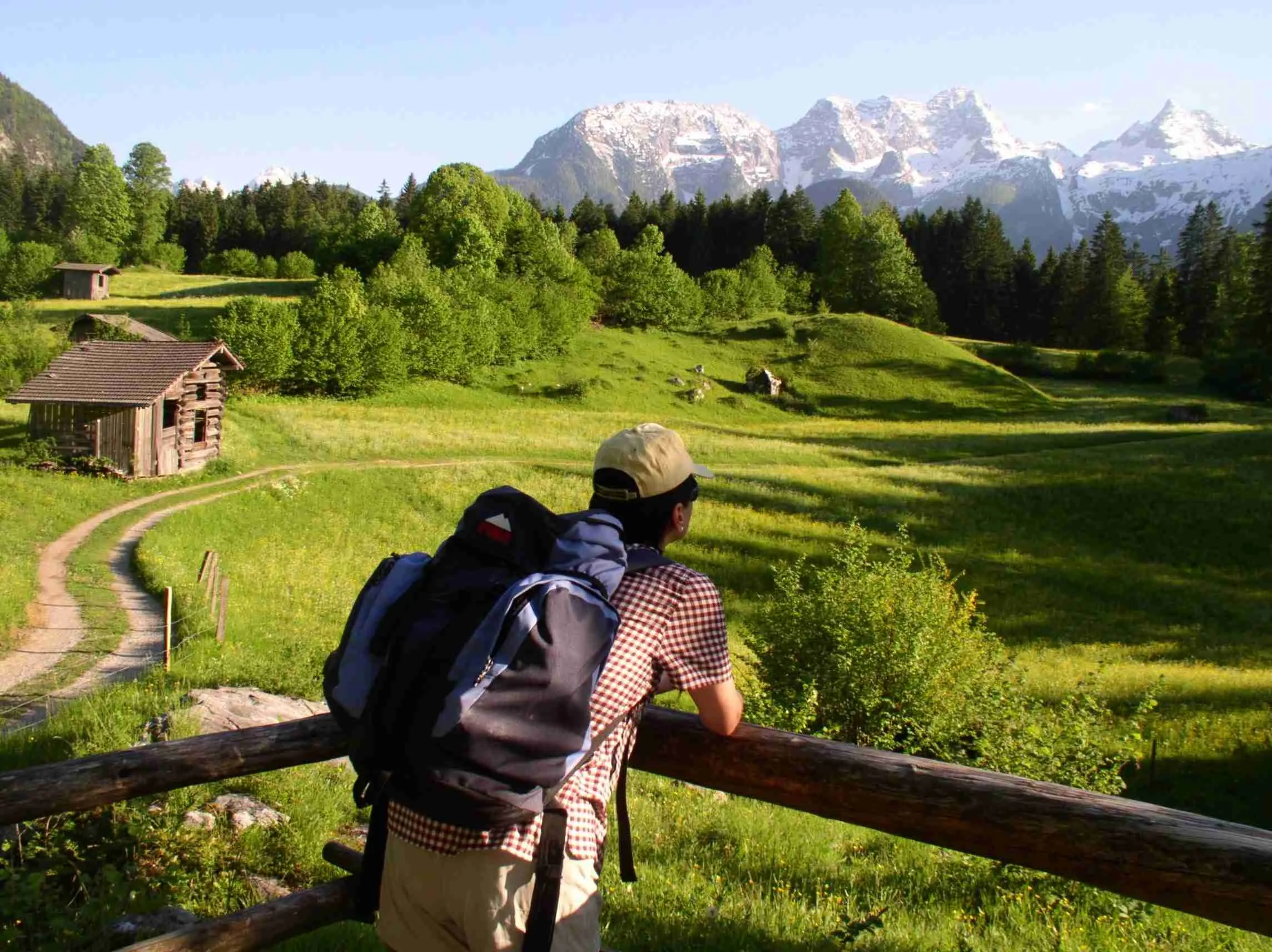
Pack light but smart. Essentials include a comfortable backpack, quality hiking shoes, weather-appropriate clothing, and a refillable water bottle. If you are visiting top backpacking destinations, these items ensure comfort and preparedness. Don’t forget a first-aid kit, sunscreen, and a pilgrim passport (credencial) to document your journey.
3. Navigational Tools And Resources
The Camino is well-marked with yellow arrows and scallop shells, but carrying maps or using apps like Camino de Santiago GPS can provide additional guidance. Many guidebooks also offer valuable tips for specific routes.
4. Unique Experiences Along The Way
The Camino is a journey for the soul, the mind, and the body. You'll love the ancient churches and monasteries, experience vibrant local festivals, and meet fellow travelers from all walks of life. The path itself is a breathtaking tapestry of vineyards, forests, and rolling hills, making every step an unforgettable part of your adventure.
Common Challenges And How To Overcome Them
1. Physical Fatigue
Long days of walking can take a toll. Prioritize rest, stretch regularly, and listen to your body. Break your journey into manageable sections and don’t hesitate to take rest days if needed.
2. Navigational Difficulties
Though well-marked, it’s possible to lose your way, especially in rural areas. Stay vigilant, and if unsure, consult your map or ask locals, who are often more than happy to help.
3. Weather Variability
The Camino crosses diverse climates, and weather can change quickly. Pack for both rain and shine, and adapt your clothing layers as needed. A lightweight rain jacket and quick-drying gear are essential.
FAQs
How Long Does It Take To Complete The Camino?
The time varies depending on the route and pace. The French Way typically takes 4-6 weeks, while shorter routes like the English Way can be completed in 5-7 days.
Is The Camino Suitable For Beginners?
Yes! With proper preparation and a manageable route, beginners can enjoy the Camino. The Portuguese Way or the English Way are excellent options for first-timers.
What Is The Best Time Of Year To Walk The Camino?
Spring (April-June) and fall (September-October) offer mild weather and fewer crowds, making them ideal times to walk.
Can I Walk The Camino Alone?
Absolutely. Many pilgrims walk solo and find it to be a rewarding and safe experience. The Camino’s community ensures you’ll never feel truly alone.
Are There Accommodations Available Along The Routes?
Yes, the Camino offers a variety of accommodations, from budget-friendly albergues (hostels) to private hotels and guesthouses.
Conclusion
Walking the Way of St. James is more than a journey across a historic trail; it’s a transformative experience that enriches the body, mind, and spirit. The Camino leaves an indelible mark on every traveler.
You will gradually learn about the trail's beauty as well as your own inner power. Let the Camino lead you on a once-in-a-lifetime adventure; just take the first step.

Sophia Harper
Author
Sophia Harper’s photography acts as a portal to the soul of the places she visits. Drawn to South America’s landscapes and cultures, she has spent years capturing everything from the majesty of ancient ruins to the vibrancy of urban streets.
Sophia’s work isn’t just about documenting moments; it’s about evoking the emotions and stories behind them. A dedicated photographer, she has worked with local communities across South America to capture their rich cultural narratives through her lens.
Liam Jones
Reviewer
Liam Jones has made it his mission to prove that adventure doesn’t need a hefty budget. Having traveled to over 40 countries, he specializes in finding affordable ways to experience the world, from the best street food in Bangkok to hidden gems in Lisbon.
Liam’s travel tips have reached thousands of readers, empowering them to see the world on a shoestring budget without sacrificing quality. With a deep passion for local cultures, he continues to share his travel hacks, ensuring adventure remains accessible to all.
Latest Articles
Popular Articles