Jellyfish Stings - Types, Symptoms & Treatments
When swimming, wading, or diving in seawaters, jellyfish stings are a rather common concern for those who are exposed to them. Thousand of microscopic barbed stingers are embedded in the lengthy tentacles that run from the jellyfish's body, and this venom may be used to inject you with poison.
Author:Sophia HarperReviewer:Maya ReyesApr 03, 202211.1K Shares360.9K Views
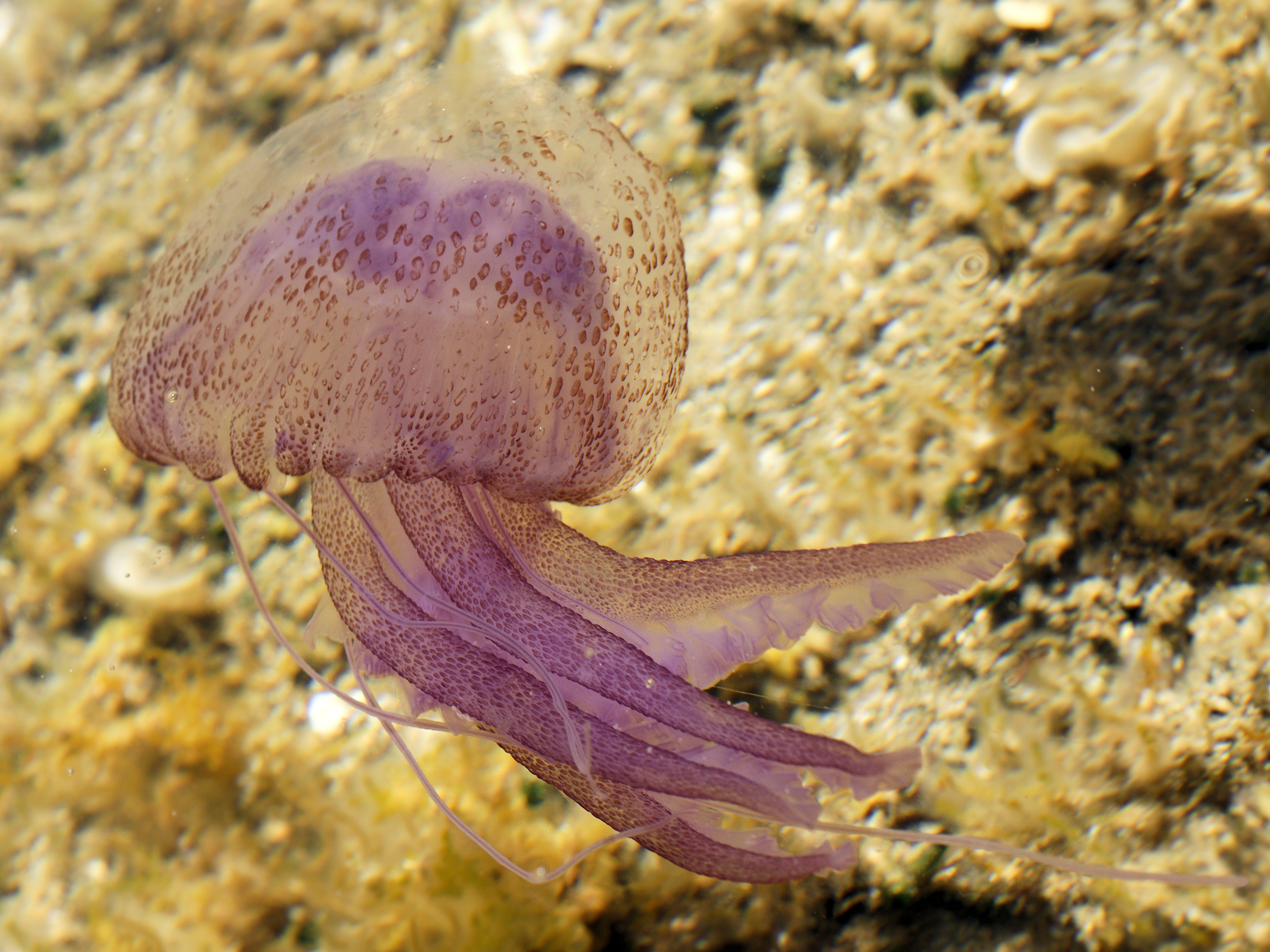
When swimming, wading, or diving in seawaters, jellyfish stingsare a rather common concern for those who are exposed to them. Thousand of microscopic barbed stingers are embedded in the lengthy tentacles that run from the jellyfish's body, and this venom may be used to inject you with poison. Beach walks and swimming in the water may be both enjoyable and calming activities. Accidents can, however, occur, just as they might in any other activity. A jellyfish or Portuguese man-of-war sting. This article will assist you figure out what to do next and what procedures to follow.
How Long Does Jellyfish Sting Last?
An instant and strong pain and burning are experienced following a jellyfish stingthat can linger for several hours. Along the site of the bite, raised, red welts appear, giving the impression that you have been hit with a whip (which is not true). Following the sting, welts may emerge and remain for 1 to 2 weeks, and itchy skin rashes may appear anywhere from 1 to 4 weeks after the sting.Fortunately, the majority of jellyfish stings are not life-threatening. Extensive stings, allergic responses, and severe reactions are not frequent, although they do occur sometimes. When swimming, swimmers should get out of the water as soon as they discover they have been stung in order to reduce the risk of drowning.
What Happens When A Jellyfish Stings You?
The intensity of jellyfish stings can vary dramatically. A common side effect is acute discomfort as well as red, irritated patches on the body's skin. Some jellyfish stings have the potential to induce more widespread (systemic) sickness. In addition, jellyfish stings can be fatal in rare circumstances. The majority of jellyfish stings improve with home therapy. Severe responses necessitate immediate medical attention.
Jellyfish Facts
There are around two thousand species of jellyfish around the globe, but only about one hundred are considered threatening to humans and other animals. They are not fish, but rather invertebrates with none of the organs associated with higher life forms.
Jellyfish feed mostly on zooplankton, which they capture with venomous tentacles ranging in length from a few inches to a few hundred feet. They cross the oceans using self-propulsion, tide, and wind, in both warm and cold water.
Because jellyfish lack a brain, they can't help but sting you - unless it's Chironex Fleckeri (Box Jelly), which can supposedly herd fish and shrimp towards the beach. When the stinging cells (nematocysts) of Jellies come into touch with your skin, they shoot their poison into it using tiny harpoons.
Scientists consider Irukandji to be a member of the Box jelly species, often known as Sea Wasps or Cubozoa (because of its cube form), however, laypeople consider the Box jelly to be the huge one and Irukandji to be the tiny one. Chironex Fleckeri (the Box) and Carukia Barnesi are the scientific names (the Peanut).
Box Jellyfish (Toxic Boxes)
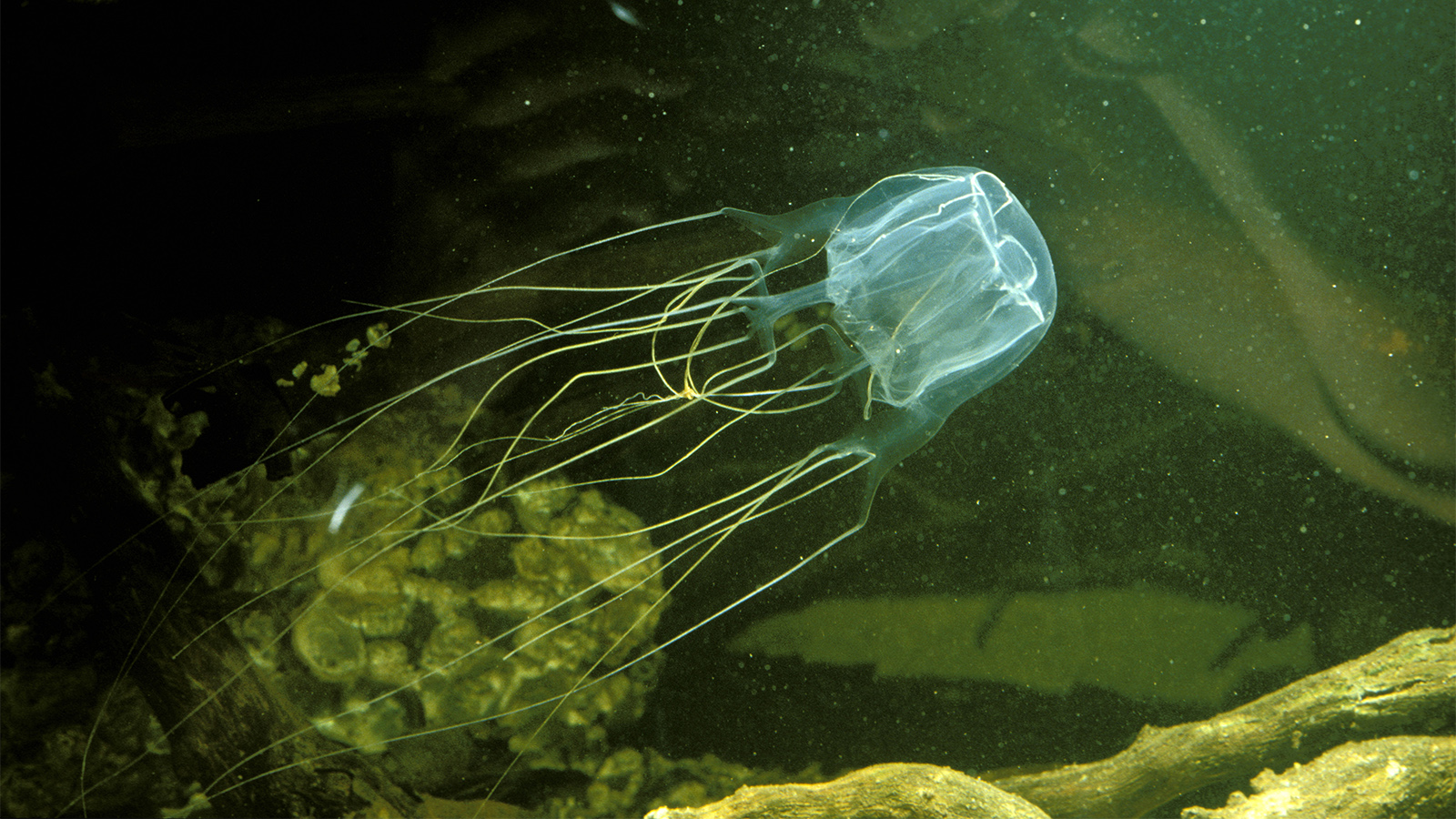
The Box Jelly (also known as the Sea Wasp or Chironex Fleckeri) is the most poisonous critter on the planet. They are found off the coasts of Northern Australia, PNG, Malaysia, Indonesia, the Philippines, Thailand, and Vietnam, along with 20 near relatives. This pale blue organism has a boxy bell-shaped head the size of a basket ball, 24 eyes, and 5,000 stinging cells on each of its fifteen three-meter-long tentacles.
According to some experts, groups of Box Jellies purposefully herd tiny fish and crustaceans towards the coast in order to catch them and bring them into touch with humans. Box jellies, according to New Scientist magazine, are not "dim-witted ocean drifters," but rather "fast, energetic predators who seek and kill with astonishing speed and violence."
The Poisonous Box kills at least one person per year in Australia and has killed 67 people since records began in 1883, while the statistic is deceiving because many fatalities ascribed to heart attacks or drowning might have been caused by toxic jelly. Problem coastlines are typically marked, and this is one severe bubble pack to avoid at all costs - the world's most deadly monster. From October through May, the Box Jelly is mostly an issue during the day.
Symptoms:
- severe pain
- headache, nausea, vomiting, diarrhea
- skin swelling/wounds/redness
- difficulty breathing, swallowing, and speech
- shivering, sweating
- irregular pulse/heart failure
Irukandji
Irukandji (Carukia barnesi and many other unnamed species that cause Irukandji Syndrome) may also be found in Northern Australian seas, mostly near Cairns and the Great Barrier Reef. It is easily moved to the coast by erratic sea currents. Irukandji is extremely painful and can be fatal, and has been reported as far south as Brisbane. It is primarily a problem from November to May, but it has been observed in all months except July and August.
Signs and symptoms (as little as 5 minutes after apparently mild stings)
- lower back pain and a severe headache
- cramping and shooting sensations in the muscles, nausea, and vomiting
- dangerously high blood pressure
- agitation and a sense of impending doom
- death as a result of heart failure or fluid on the lungs
Portuguese Man-of-War
A sail-bearing, wind-blown mammal that crosses the Atlantic, Pacific, and Indian Oceans and may be blown ashore, this is also known as the Blue-bottle or Hydrozoa to scientists. The bigger types can be lethal to humans on rare occasions, although they are rarely hazardous.
Avoiding Jellyfish Stings
- If you have a heart issue, take extra measures because jellyfish deaths are usually due to cardiac arrest (or pulmonary congestion). You are in grave danger from the poisonous sting of the Toxic Boxes unless you are treated promptly since the agony is terrible and you may fall into shock and drown before reaching the beach. So, if feasible, swim with a companion.
- Box Jellies forage during the day and sleep on the ocean floor at night.
- Avoid swimming during the high-jelly season, which runs from October to May, notably in the seas north of Brisbane, in Northern Australia, and especially in Cairns and the Whitsunday islands, especially in calm waters at the mouths of rivers, estuaries, and creeks after rain. Be cautious in PNG, Malaysia, Indonesia, the Philippines, Thailand, and Vietnam.
- Wetsuits or Lycra's stinger suits provide enough protection, especially the more advanced variants that cover the hands, neck, and head. Fins or swimming shoes can be used to protect the feet. Pantyhose appears to be effective as well, as the stings do not 'fire' unless they make contact with flesh.
- Pay attention to warnings! Bathing places prone to harmful jellies are frequently marked with warning signs, so pay heed!
- Keep an eye out when swimming in places where the more hazardous species reside, albeit your chances of finding Box Jellies are restricted due to their transparency, whilst Irukandji are the size of a peanut and nearly difficult to notice underwater.
- Dead jellyfish on the beach may appear to be gelatinous lumps, which they are, but there may be living in those old cells while there is still moisture, and you may get stung. First and foremost, safety! Do not walk on them or pick them up.
Treatment For Jellyfish Stings
- Using sea water, rinse the region. Scrubbing or washing with fresh water will worsen the stinging cells (nematocysts).
- There is no scientific proof that sun lotion, urine, ammonia, lemon juice, freshwater, alcohol, cold packs, papaya, and other similar substances disable stingers and may even increase venom release.
- If vinegar is available, deactivate surviving cells with it, however, this is debatable.
- Use a stick, blunt knife, or similar to carefully take off any tentacles as soon as possible; be aware that inert nematocysts may be triggered to fire if touched carelessly.
- Once all tentacle portions have been removed, pain can be relieved with a warming pack or potentially bug bite lotions containing '...ocaine.'
- In severe box jelly cases, cardiac arrest (heart attack) can develop fast, necessitating immediate medical attention.
- If swelling or itching persists, apply a mild steroid cream, such as Hydrocortisone eczema cream.
- If muscular spasms linger, consult a doctor.
The stings are painful and unpleasant, but they are seldom fatal unless a swimmer has a weak heart, a strong allergic response, or panics when confronted with a shoal of blobbies and drowns.
The typical culprit – global warming raising water temperatures by a couple of degrees, as well as increased pollution-derived nutrients and less cold freshwater arriving from rivers – is to blame for the Mediterranean stinger surge. Overfishing of anchovies (which compete with jellies for plankton salad), turtles, and tuna fish (which eat jellies for dessert) has also contributed to the mauve climate avenger's expansionist tendencies.
In clinical studies, doctors in Queensland are effectively treating Irukandji syndrome with magnesium sulfate. They are also researching a chemical that stops stinger cells from firing, which might one day be incorporated into waterproof sunscreen.
Conclusion
The stingers on the tentacles of jellyfish are small barbed stingers. Each stinger contains a small bulb that contains venom as well as a coiled tube with a sharp point. The venom of the jellyfish is used to protect itself and to kill its victim. When you come into contact with a tentacle, small triggers on its surface cause the stingers to be released. The tube enters the skin and causes venom to be released. It has an effect on the region of touch and has the potential to enter circulation. If a jellyfish that has washed ashore on a beach is handled, it may still emit deadly stingers, which can be fatal.

Sophia Harper
Author
Sophia Harper’s photography acts as a portal to the soul of the places she visits. Drawn to South America’s landscapes and cultures, she has spent years capturing everything from the majesty of ancient ruins to the vibrancy of urban streets.
Sophia’s work isn’t just about documenting moments; it’s about evoking the emotions and stories behind them. A dedicated photographer, she has worked with local communities across South America to capture their rich cultural narratives through her lens.

Maya Reyes
Reviewer
Maya Reyes’s wanderlust was sparked in the temples of Luang Prabang, where the scent of lemongrass and the chants of monks revealed the transformative power of travel.
Since then, her journey has been defined by cultural immersion and authentic connections. From learning batik in Indonesia to sharing meals with nomadic families in Mongolia, Maya seeks experiences that highlight the human stories behind each destination.
Travel for her is a way to weave her narrative into the world’s cultural tapestry, creating bridges across diverse ways of life. Maya has traveled to 15 countries and shares her insights through writing and storytelling.
Latest Articles
Popular Articles