What To Do If You Come Across Dangerous Animals In The Wild
Dangerous animals are not limited to spiders, snakes and large animals with teeth. The great white shark, the Australian cobra and crocodile are formidable predators and pose dangers to humans. But on average, all the people killed each year by snakes, crocodiles and sharks can be counted on just one hand.
Author:Liam JonesReviewer:Maya ReyesApr 04, 20229.9K Shares902.2K Views
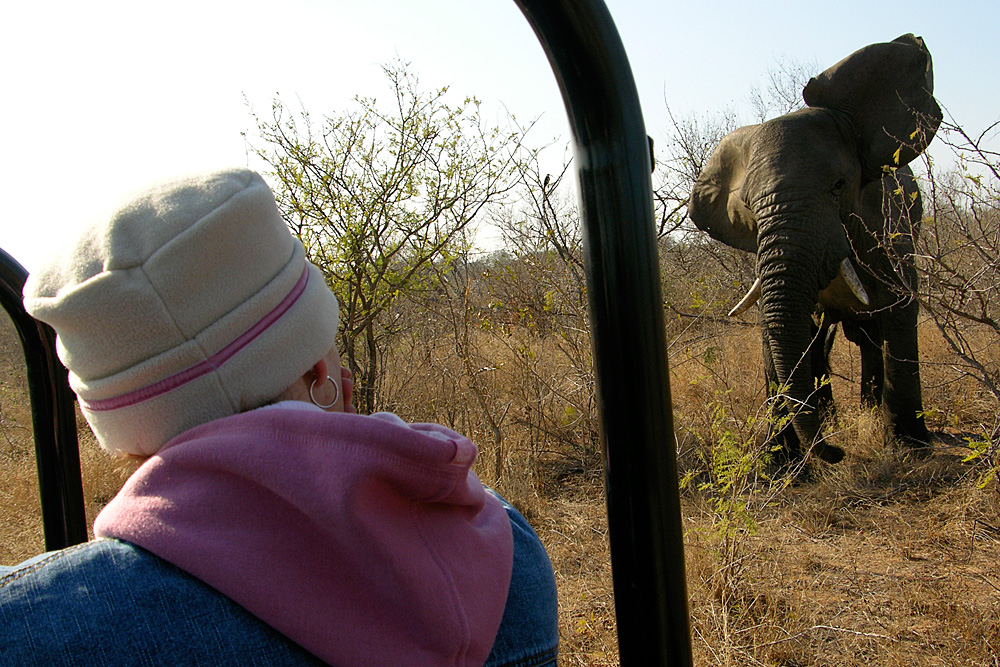
Everybody can be a little complacent because humans are the most powerful species on the planet, but when humans lose weapons and armor, they become the naked and defenseless apes in the wild.
There are about 800,000 species of animals in the world. Many of them see us as either a food source for them or a danger while they are trying to live their own lives.
While you are away from home, you might see one or two of them doing their jobs. Make sure you treat them with the respect they deserve for your own safety and theirs, and remember that in the eyes of nature, humans is the world's most dangerous animals.
What Should You Do?
People who work for National Geographic give advice about what to do when they come across a dangerous animal:
Bison
It will charge you and throw you into the air. This could knock you out. Take a look at this: You can hide behind a rock. People can go up a tree. When the bison is done, it will leave you alone. There are no bison out there who want to eat your food.
Mountain Lion
You should look big and scary. If the mountain lion comes at you, fight back.
Bears
They can run at 40 mph. Keep your eyes off of it if you see one. Turn around and walk slowly away. Make sure you stand your ground when the bear comes toward you. Wave your arms in the air. Speak loud enough for the bear to hear your voice and know you are not a threat. The best time to use your bear spray is now. It's best to stay quiet until the bear leaves.
Moose
Moose are only half-blind. When you stand behind a tree, you can hide.
Rattlesnake
Because rattlesnakes can't fly very far, Noriega says that's a good thing. They can jump about the length of their bodies. As long as the snake is 4 feet long, stay at least 4 feet away. Rinse the bite with soap and water, but don't wash the wound. The presence of venom on your skin will help doctors figure out which anti-venom to give you. If you go hiking with jewelry on, take it off because you will get bigger and it will be hard to get it off when you get home.
Shark
Don't freak out.
In this case, you should try to curl up into a ball and not splash too much. If a shark starts to follow you, don't turn your back. Keep your eyes on the shark at all times. Several types of sharks like to surprise their prey, so a shark may leave if it knows you're watching it. Slowly, swim away from them. It might make the shark run away if you hit it in places like its nose or gills.
Conclusion
You need to know how to be safe when you're around animals so that you don't get hurt. Animals both inside and outside need to be treated with kindness all the time. Depending on what kind of animal and what's going on, this can mean a lot of different things.
Liam Jones
Author
Liam Jones has made it his mission to prove that adventure doesn’t need a hefty budget. Having traveled to over 40 countries, he specializes in finding affordable ways to experience the world, from the best street food in Bangkok to hidden gems in Lisbon.
Liam’s travel tips have reached thousands of readers, empowering them to see the world on a shoestring budget without sacrificing quality. With a deep passion for local cultures, he continues to share his travel hacks, ensuring adventure remains accessible to all.

Maya Reyes
Reviewer
Maya Reyes’s wanderlust was sparked in the temples of Luang Prabang, where the scent of lemongrass and the chants of monks revealed the transformative power of travel.
Since then, her journey has been defined by cultural immersion and authentic connections. From learning batik in Indonesia to sharing meals with nomadic families in Mongolia, Maya seeks experiences that highlight the human stories behind each destination.
Travel for her is a way to weave her narrative into the world’s cultural tapestry, creating bridges across diverse ways of life. Maya has traveled to 15 countries and shares her insights through writing and storytelling.
Latest Articles
Popular Articles