Australian Animals - Fun Facts And Amazing Discoveries
Australian animals are renowned for their uniqueness and diversity, ranging from iconic kangaroos and koalas to lesser-known creatures like the quokka and platypus. Found across diverse habitats, these animals showcase the rich biodiversity of Australia, making it a fascinating destination for wildlife enthusiasts and nature lovers alike.
Author:Maya ReyesReviewer:Sophia HarperJul 17, 202465.7K Shares1.1M Views

Australian animalsare one of the must-sees for any traveler down under, but there are also quite a few that a traveler would prefer to avoid. Unfortunately, many of the harmless creatures are not that easy for tourists to find. Some of the best places to see wildlife are – naturally – off the beaten track and mostly predator-free (dingoes and foxes mainly). The southerly island of Tasmania hums with wallabies, possums, wombats, and Tasmanian devils, though the weather is chilly for Australia and a flight will be required.
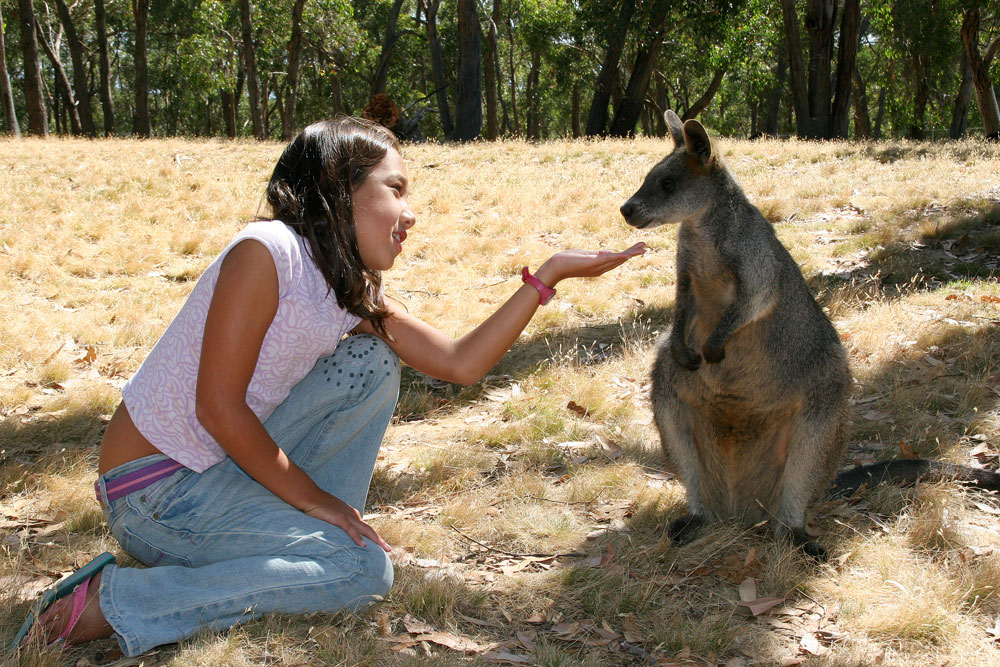
Kangaroos
Kangaroos mostly live in the outback, a massive area a long way off the normal tourist route.Even then ‘roos generally rest up during the heat of the day, feeding at night, so the first sight of one might be in the headlights of your bus as your driver applies emergency braking. On a two - or three-week trip take in the country’s prime tourist targets – Sydney, Cairns, Uluru, and perhaps Melbourne. The average Joe is unlikely to stumble across an average Joey (a baby kangaroo).
However, those keen to see the iconic Australian animal could try Kangaroo Island, 13kms off the coast near Adelaide and accessible by car ferry. It’s home to kangaroos in Flinders Chase National Park with wallabies, echidnas (a kind of hedgehog), possums, koalas, goannas (big lizards), sea lions, fur seals, penguins and even platypus in different locations. However, Anglesea Golf Course, just off the Great Ocean Road (near Melbourne) is famous for hosting some remarkably relaxed animals who just love a gentle game while Adelaide’s Cleland houses quite a number of the big hoppers, though somehow they don’t fit in as well there as the smaller wallabies.
Award-winning Cleland Wildlife Park is home to over 130 species of Australian wildlife, 20 minutes outside Adelaide in South Australia. Many animals roam freely in the huge park, creating impromptu opportunities to mingle with the natives. Wallabies (small kangaroos) seem to be more urban and less nervous animals than most ‘roos and may be spotted lurking around quiet suburbs of small towns or standing by the road chewing a leaf wondering whether to hop in front of your shiny new rental.
Wild Koala
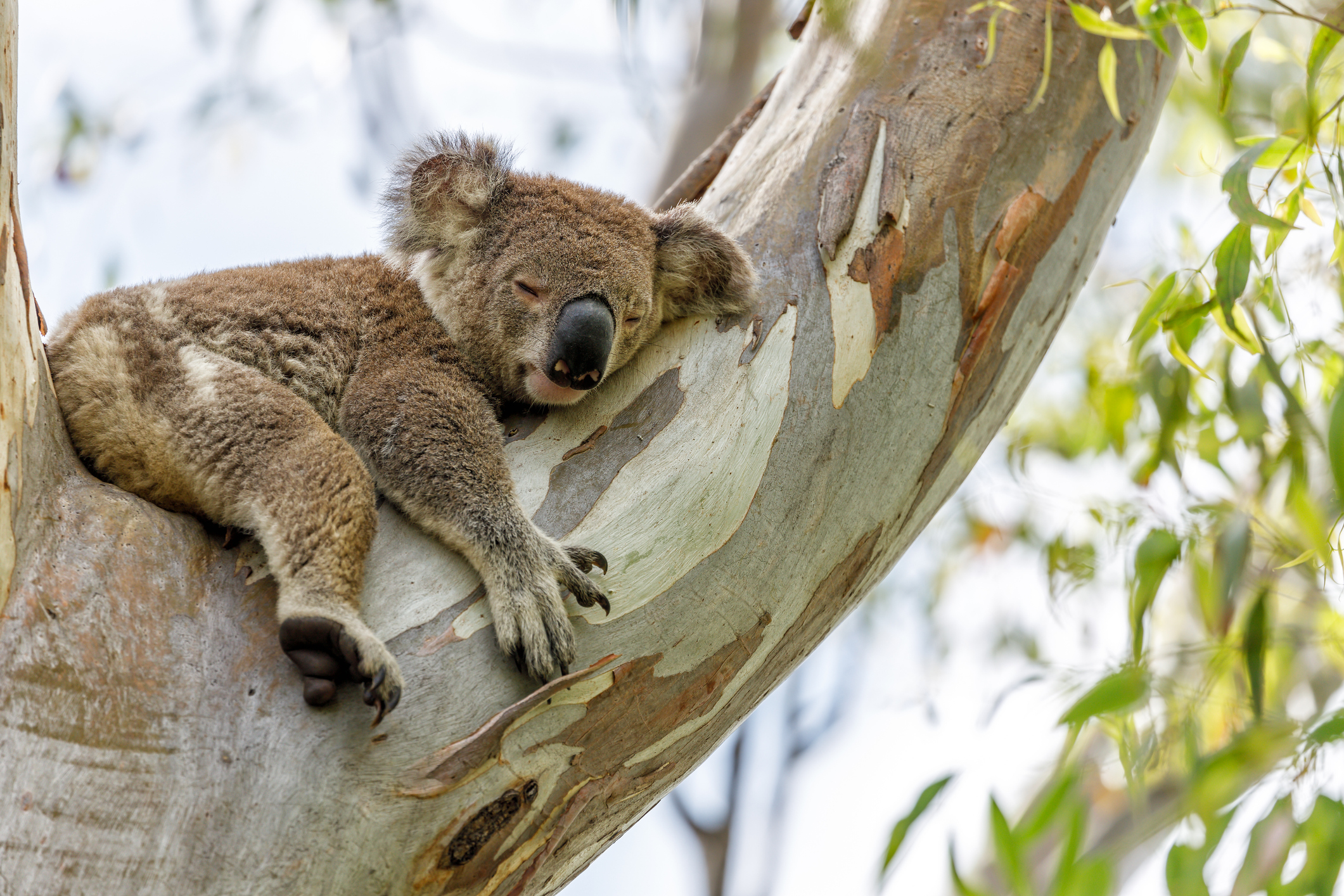
Koalas too are not that easy to find since they’re well camouflaged and spend 18 hours a day up a gum tree asleep, the rest of it moving little more than their leaf chewing apparatus. Koalas don’t just look thick, they are thick because their entire system is dedicated to digesting toxic eucalyptus leaves and there isn’t enough space for serious thinking. Not to mention that they have no predators to worry about.
Of Australia’s 400 or so varieties of Eucalyptus, koalas enjoy only four, and those are found near the sea, so sharp eyes on a coastal road such as the Great Ocean Road between Lorne and Apollo Bay will yield sightings – first, wait for koala road warning signs, then look for fat, furry blobs in trees – not just eucalypts – near or above the road.
Wombats
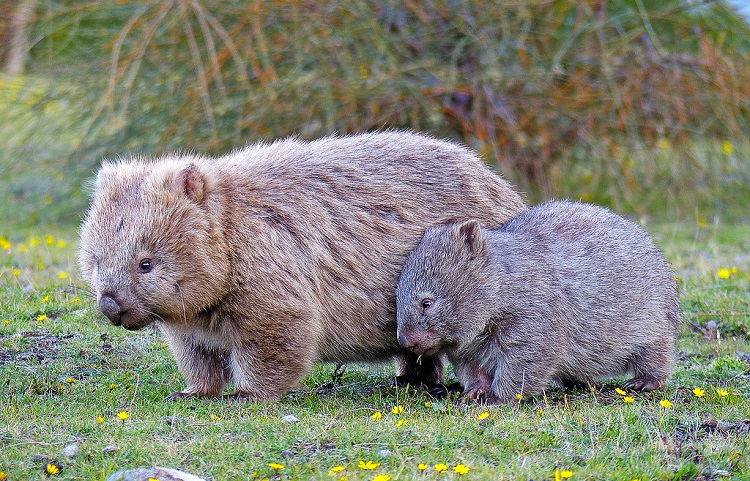
Wombats, closely related to koalas, are almost impossible to see in the wild (pretty difficult to see even in zoos since they’re almost always asleep), as they are rare, stay underground for lengthy periods – up to a week – and would trash Sleeping Beauty in a lengthy nap competition.
Possums
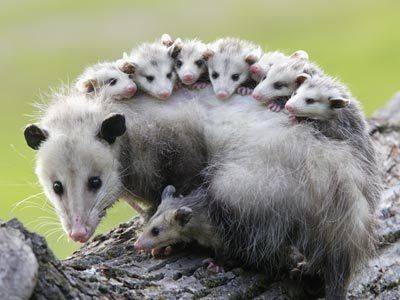
Cute and varied possums lurk in many trees but are tricky to spot, being well-camouflaged, nervous, and nocturnal.Melbourne’s Botanic Gardens are supposed to be writhing with the little critters after dark – joggers are always stumbling across them – but the Bugcrew didn’t see any (maybe because we don’t jog? ).
Travelers Keen On Seeing Australian Animals Have Three Options
- Stay for a longer time to enable more extensive travel, such as a drive along the Great Ocean Road, as mentioned above.
- Be content with visiting one or more of the excellent wildlife parks. We found Adelaide’s Cleland Wildlife Park to be exceptionally spacious and user-friendly. For visitors can walk among kangaroos, wallabies, emus, and more, feeding them the park’s grain.
- Join a tour that specializes in viewing wild things.
Australian Animals - FAQs
Are there any dangerous animals in Australia?
Yes, Australia is home to several dangerous animalssuch as saltwater crocodiles, various species of venomous snakes, and the deadly box jellyfish.
Where can I see Australian animals in the wild?
You can see Australian animals in their natural habitats in national parks, wildlife reserves, and marine parks across the country, such as Kakadu National Park, Great Barrier Reef, and Kangaroo Island.
What are some unique marsupials found in Australia?
Unique Australian marsupials include kangaroos, koalas, wallabies, wombats, and Tasmanian devils.
Is the platypus unique to Australia?
Yes, the platypus is unique to Australia and can be found in freshwater rivers and lakes in eastern Australia.
What efforts are being made to protect Australian animals?
Conservation efforts in Australia include habitat preservation, breeding programs, and legal protection for endangered species through organizations like WWF-Australia and the Australian Wildlife Conservancy.
Can I see Australian animals in zoos and wildlife parks?
Yes, many zoos and wildlife parks across Australia, such as Australia Zoo and Taronga Zoo, feature native Australian animals and offer educational programs.
Final Words
Australian animals are a captivating aspect of the country's unique biodiversity, ranging from the iconic kangaroo and koala to the elusive platypus and the formidable saltwater crocodile. These species reflect Australia's rich and varied ecosystems, from arid deserts to lush rainforests and vibrant coral reefs. Efforts to protect and conserve these remarkable animals are crucial for maintaining the ecological balance and ensuring that future generations can continue to marvel at Australia's natural wonders. Whether exploring national parks or visiting wildlife reserves, experiencing Australia's diverse animal life offers an unforgettable glimpse into the beauty and complexity of nature.

Maya Reyes
Author
Maya Reyes’s wanderlust was sparked in the temples of Luang Prabang, where the scent of lemongrass and the chants of monks revealed the transformative power of travel.
Since then, her journey has been defined by cultural immersion and authentic connections. From learning batik in Indonesia to sharing meals with nomadic families in Mongolia, Maya seeks experiences that highlight the human stories behind each destination.
Travel for her is a way to weave her narrative into the world’s cultural tapestry, creating bridges across diverse ways of life. Maya has traveled to 15 countries and shares her insights through writing and storytelling.

Sophia Harper
Reviewer
Sophia Harper’s photography acts as a portal to the soul of the places she visits. Drawn to South America’s landscapes and cultures, she has spent years capturing everything from the majesty of ancient ruins to the vibrancy of urban streets.
Sophia’s work isn’t just about documenting moments; it’s about evoking the emotions and stories behind them. A dedicated photographer, she has worked with local communities across South America to capture their rich cultural narratives through her lens.
Latest Articles
Popular Articles