The Ultimate Italy Travel Guide - From Planning Your Trip To Visiting The Countryside
Traditions are still alive and well in a lively and completely contemporary society. Keep an eye out for both historical and contemporary Italy. This is an Italy travel guide for you.
Author:Sophia HarperReviewer:Liam JonesApr 04, 202294.6K Shares1.3M Views
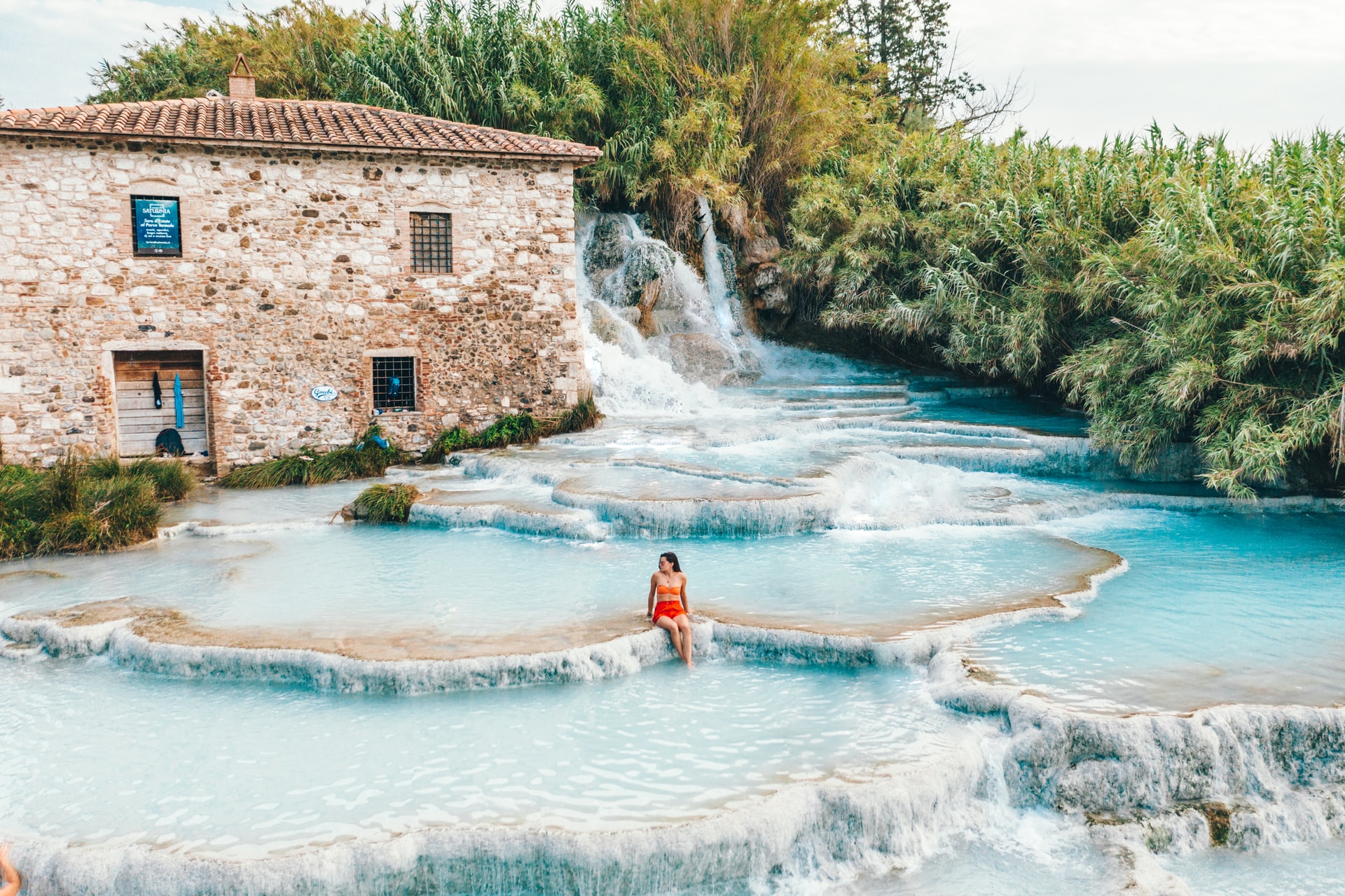
Bell' Italy! Italy has the most diverse and bizarre culture in Europe. After all, this country is the birthplace of European civilization, with the Roman Empire establishing it and the Roman Catholic Church continuing it. You'll come face to face with some of the world's most iconic images from this 2,000-year history as you travelthrough Italy, including Rome's ancient Colosseum and playful Trevi Fountain, Pisa's Leaning Tower, Florence's Renaissance masterpieces (Michelangelo's David and Botticelli's Venus), and Venice, the island city of elegant decay.
Beyond these well-known monuments, though, Italy is home to Europe's most diverse culture. Traditions are still alive and well in a lively and completely contemporary society. Keep an eye out for both historical and contemporary Italy. This is an Italy travel guidefor you.
Italy Travel Guide Gov
If you're planning a trip to Italy, you'll find out all you need to know about the coronavirus in the Coronavirus section. Obtaining travel insurance and ensuring that it offers enough coverage is more crucial than ever during the COVID-19 epidemic. See the FCDO's overseas travel insurance guidelines.
Bringing food and drink into the EU is subject to regulations. For further information, see Bringing Food and Drink into the EU. Every year, over 4 million British citizens go to Italy. The majority of visits are uneventful.
In addition to this travel information, if you're living in or relocating to Italy, check out our Living in Italy guide. During the long summer months, forest fires are a possibility. Forest fires are discussed here.
If you're going to a ski resort, get weather and avalanche forecasts ahead of time and get acquainted with local skiing rules and regulations. Visit the European Avalanche Warning Service website for further information on the avalanche danger. See? Safety and security are paramount.
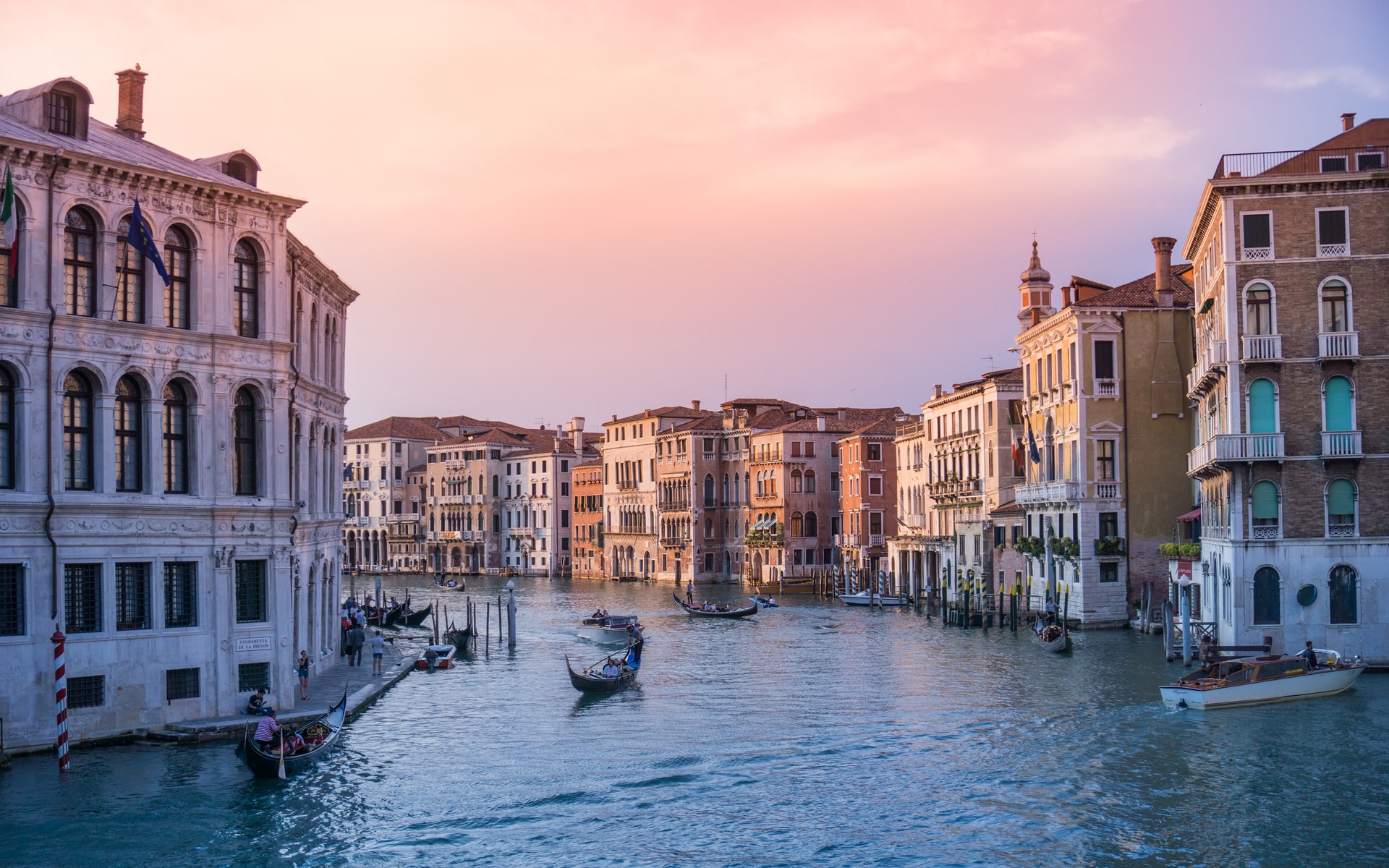
High water levels, known as "acqua alta," are common in Venice and can cause flooding in certain areas. Flooding may be found here. Demonstrations in cities may happen with little or no notice. Protests, political meetings, and marches should all be avoided.
Terrorist strikes in Italy are a possibility. Terrorism may be found here. Call 112 (police), 118 (ambulance), or 115 (emergency services) if you need assistance (fire).
Italy Travel Requirements
Travelers entering Italy are obliged by law to complete and submit the Passenger Locator Form before departure to the controlling personnel: if you have one of the COVID-19 green certifications or another approved certification (like completing a vaccination series, getting better, or having swabs taken) you can send it in.
Puglia, Italy Travel Guide
The Romans left their agricultural systems and the feudal rulers their walled medieval cities. Many towns and cities have kasbah-like neighborhoods, a remnant of the ninth-century Saracen invasion — Bari's being the largest and most evocative. The Normans left Puglia's beautiful churches, while the Spanish left cities like Lecce and Martina Franca with a Baroque flourish. The enormous castles erected by the Swabian Frederick II all across the region stand out, especially the Castel del Monte (immortalized on the Italian 5 cent coin) and the ruins of the palace at Lucera. Puglia's cities are worth exploring. However, Lecce is worth a visit for its mad confection of Baroque churches and easygoing café scene.
The Tavoliere (tableland) in the north, with its miles of wheatfields, is hardly the most exciting scenery in Puglia. The mountainous, wooded Gargano peninsula to the east, bordered by gently shelving, sandy beaches, coastal hotels, and campground settlements, is more appealing for a family visit, albeit the cleanest sea requires a boat to the Tremiti Islands. The Salentine Peninsula offers the finest retreat, with a rocky, dry landscape, more Greek than Italian, and lovely coves and sea caves to swim in.
Italy Travel Guide Covid
The procedures for entering Italy The Ordinance went into effect on February 22, 2022. The regulations for entering Italy have been changed and made more straightforward. The decree of February 22, 2022, consolidated the regulations for entrance from both EU and non-EU nations. These regulations will be in effect until April 30, 2022.
Travelers entering Italy are obliged by law to
- Before you leave, fill out the Passenger Locator Form and give it to the people who are in charge:
- if you have one of the COVID-19 green certifications or another approved certification (like completing a vaccination series, getting better, or having swabs taken) you can send it in.
Containment Measures
The COVID-19 Green Certificate, often known as a "green pass," is a document that permits individuals in Italy to travel, use public transit, and get admission to venues including companies, schools, colleges, healthcare institutions, restaurants, and hotels. It also lets you use a lot of different services and take part in a lot of different cultural, recreational, and sporting events.
Passenger Locator Form
The digital Passenger Locator Form (PLF)-dPLF, mandated by the Ordinance of April 16, 2021, must be filled out by all passengers arriving in Italy by any mode of transportation before entering the national territory.
What Is The Best Month To Visit Italy?
May, June, September, and October are the finest months to visit Italy. It's also the busiest and most costly time of year to travel (with the north remaining just as busy throughout midsummer). Aside from the crowds, these months provide the convenience of peak season combined with beautiful weather.
How Many Days Do You Need To See All Of Italy?
Although there is plenty to do in Italy to occupy a week, we suggest staying for at least 10 days to get the most out of your trip. However, even if you just have a few days in Italy, you will be able to see many of the country's great attractions.
Is Italy Expensive To Visit?
It is also likely to be less costly than other major European locations like the United Kingdom or Scandinavia. What exactly is this? Budget to mid-range travelers should anticipate a vacation to Italy costing €55–130 per person per day (about $60 to USD 150).
What Is The Cheapest Month To Go To Italy?
February, While September is a popular but relatively affordable month to visit, the colder months are by far the most affordable. In February or November, Hopper found tickets to Milan for as little as $513 roundtrip.
Conclusion
Getting a tour guide might help you save time if you just have a few days or hours to spend. You may arrange ahead of time what you want to accomplish using this guide so that you can tailor plans for a few hours or a whole day. That way, you'll feel like you saw the best of the place at the end of your stay.

Sophia Harper
Author
Sophia Harper’s photography acts as a portal to the soul of the places she visits. Drawn to South America’s landscapes and cultures, she has spent years capturing everything from the majesty of ancient ruins to the vibrancy of urban streets.
Sophia’s work isn’t just about documenting moments; it’s about evoking the emotions and stories behind them. A dedicated photographer, she has worked with local communities across South America to capture their rich cultural narratives through her lens.

Liam Jones
Reviewer
Liam Jones has made it his mission to prove that adventure doesn’t need a hefty budget. Having traveled to over 40 countries, he specializes in finding affordable ways to experience the world, from the best street food in Bangkok to hidden gems in Lisbon.
Liam’s travel tips have reached thousands of readers, empowering them to see the world on a shoestring budget without sacrificing quality. With a deep passion for local cultures, he continues to share his travel hacks, ensuring adventure remains accessible to all.
Latest Articles
Popular Articles