Stockholm Travel - The Most Useful And Helpful Tips For Getting Around Stockholm
The people are also fantastic. While Swedes are usually reserved and quiet, they are willing to offer tourists advice. Because Stockholm Travel is not the cheapest city in the world, many travellers hurry to see it (or skip over the city entirely). If you ask me, it is a mistake since a visit here is well worth the money.
Author:Maya ReyesReviewer:Finn WildeApr 03, 20225.4K Shares274.9K Views
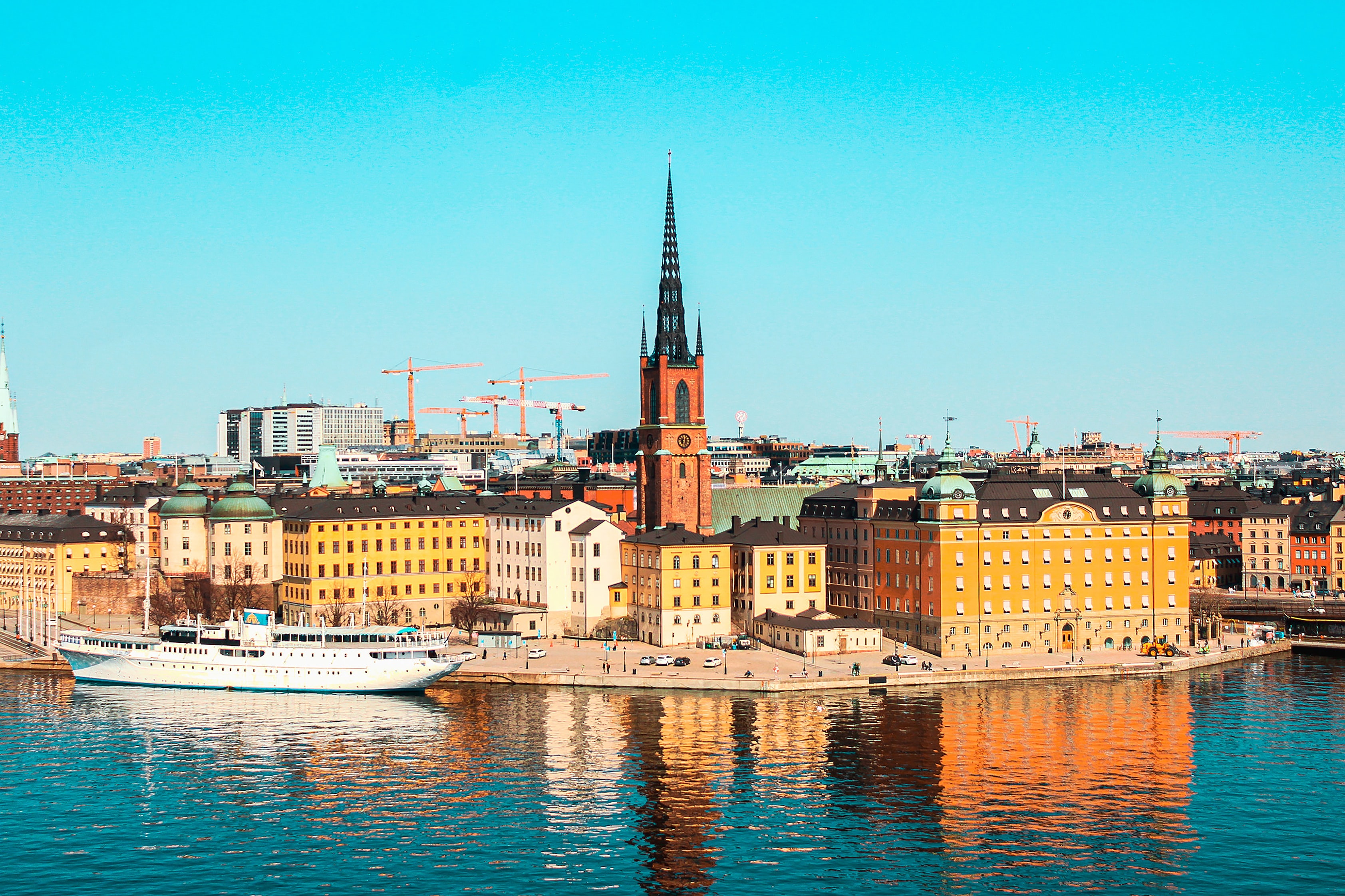
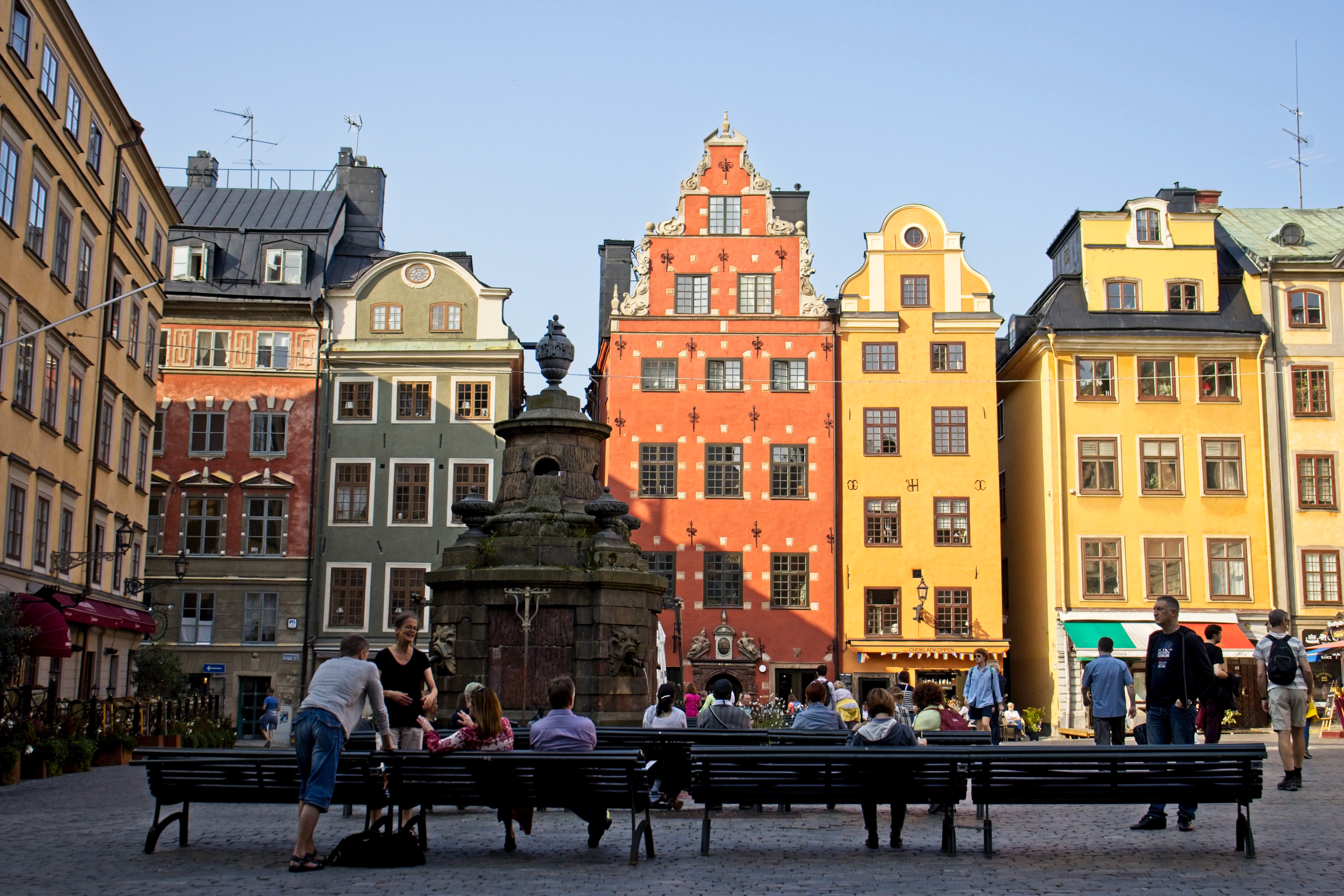
Stockholm is one of the world's most attractive cities. It never ceases to astonish me, no matter how often I visit. The parks, the islands, the port, and the ancient, colorful homes going back hundreds of years are all incredibly beautiful and charming. It's so great, in fact, that I spent a whole summer in the city!
Stockholm is spread out across fourteen islands (but the archipelago contains hundreds of islands) and boasts a plethora of museums, sights, parks, and art to view while getting lost in the old streets and structures. The people are also fantastic. While Swedes are usually reserved and quiet, they are willing to offer tourists advice.
Because Stockholm Travelis not the cheapest city in the world, many travelers hurry to see it (or skip over the city entirely). If you ask me, it is a mistake since a visit here is well worth the money.
Stockholm Public Transport
In Greater Stockholm, Stockholm Public Transport (SL) is in charge of buses, subway trains, commuter trains, trams, and several ferry routes. A single ticket costs 38 SEK and is good for 75 minutes. It can be bought at SL's ticket machines, through their app, or immediately at the turnstiles with a credit card. Tickets for 24 hours, 72 hours, and 30 days are also available.
On any of Stockholm's buses, a parent with a stroller rides for free. In Stockholm, bus tickets cannot be purchased with cash. A penalty cost of 1200 SEK will be charged if a valid ticket is not shown on demand during a control.
Stockholmers are very conscious of their lovely surroundings, which has resulted in numerous inner-city buses operating on environmentally friendly fuels like ethanol. Because so many of its stations are ornamented with the works of various artists, the Stockholm subway is also regarded as the world's longest art museum.
More information regarding art in the subway may be found here. Stockholm's public transportation system also makes sure that people with different disabilities can get to their destinations.
Stockholm Travel Guide
Traveladvice for first-time Stockholm visitors.
Observe Beyond The Metro
Booking a hotel in Stockholm might be confusing. Which is the best? How much to spend? Most often asked: Can they all be accessed? Yes, in the city. The cost of lodging will be lower if you seek accommodations along commuter train routes rather than only metro lines. Take advantage of the city's local lines; they typically get you there faster!
The Airport
Many visitors are unaware that public transportation is an alternative to the pricey fast trains and coaches. At any terminal, search for the local bus to Märsta station, which is on a commuter rail line. A single ticket to downtown Stockholm may be purchased via the SL app.
Bring A Little Cash
This restriction is already enforced in numerous cafés, restaurants, and hotels in Stockholm. So bring your bank card and only spend cash when necessary. The COVID-19 epidemic has accelerated this, so stock up on plastic.
A Quick And Healthy Weekday Breakfast
In the morning, most cafés provide muesli and yogurt, or bread rolls with ham and cheese. Weekends are a different story. Popular brunch restaurants like Kitchen & Table and Greasy Spoon book up fast.
Your Toughest Boots
If you're going on a winter excursion, wear sturdy shoes. Slask is a slushy combination of melting snow and gravel that covers the ground from November to March. It saves you from falling, but it marks your shoes!

Stockholm Travel Guide
Stockholm Travel Card
You can travel across the country as much as you want with a travel card. Visitors who want to use public transportation often during their stay should purchase a Travelcard.
- One ticket is valid for the metro, buses, trams, commuter trains, and ferries.
- The ability to move around Stockholm at will
- For the term of your pass.
- Daily tickets don't need extra change.
The travel provides unrestricted use of Stockholm's public transit options
Commuter Train
Boats
Trams
Bus
Subways
There is no date mark, and it is triggered on the first use. It comes in 24 and 72-hour versions. Children under 7 years old travel free with an adult with a valid Travelcard (SL-card). Weekends (Friday 12 pm–Sunday 12 am): Children aged 7–12 ride free with an adult and a valid Travelcard.
Stockholm Travel Restrictions
Non-essential travel from outside the EU/EEA is now prohibited. The prohibition does not apply to Swedish nationals, EU/EEA citizens, or citizens of certain exempt nations. Details here. This entrance prohibition is temporary.
Stockholm Travel App
SL-Journey planner and tickets are the official Stockholm public transportation app. Plan your journey, purchase mobile tickets, and stay current on service developments. SL is a handy way to purchase public transportation tickets in Stockholm and get real-time network status updates. Purchase tickets and pay with a credit card or Swish.
How Many Days Do You Need In Stockholm?
At least two days are needed to see all of Stockholm's major sites. You will, however, be on a tight schedule that will allow little time for shopping or exploring the area. If you're visiting in the summer, 3 or 4 is preferable. You'll have more time to go island hopping this way.
Is Stockholm Expensive?
According to surveys, Stockholm is one of the most expensive cities in the world, and it's no secret that costs for common items like food, alcohol, and lodging are higher than in other southern European capitals.
What Is The Best Month To Visit Stockholm?
The months of June through August are usually the best for visiting Stockholm. It's the hottest season of the year. In Stockholm, July is the warmest month. In July, temperatures in Stockholm range from 20 to 25 degrees Celsius (68 to 77 degrees Fahrenheit).
Does It Snow A Lot In Stockholm?
Sweden receives a lot of snow, particularly in the northernmost areas, where snow may cover the ground in a thick blanket for up to six months. Because Stockholm is in the south, it is ideal for people who want to get away from the cold winter weather.
Conclusion
Stockholm, commonly referred to as the capital of Scandinavia, is the biggest city in Sweden and one of the most beautiful cities in the world to visit. Stockholm is a pleasant and invigorating city, with activities ranging from exploring the small streets of Gamla Stan to eating traditional Swedish meatballs. However, be certain that you are aware of how much it will cost you before you arrive so that you can budget accordingly.
Despite the fact that there is a cost associated with the meal, you will be treated to some delectable dishes made using locally sourced and fresh ingredients. Some of my favorite dishes were Swedish dill cured fish, toast Skagen, and roasted reindeer.

Maya Reyes
Author
Maya Reyes’s wanderlust was sparked in the temples of Luang Prabang, where the scent of lemongrass and the chants of monks revealed the transformative power of travel.
Since then, her journey has been defined by cultural immersion and authentic connections. From learning batik in Indonesia to sharing meals with nomadic families in Mongolia, Maya seeks experiences that highlight the human stories behind each destination.
Travel for her is a way to weave her narrative into the world’s cultural tapestry, creating bridges across diverse ways of life. Maya has traveled to 15 countries and shares her insights through writing and storytelling.

Finn Wilde
Reviewer
For Finn Wilde, the wilderness is more than just a destination - it’s a way of life. Over the past decade, he has led multiple expeditions in some of the world’s most remote regions, from the icy fjords of Greenland to the rugged trails of Patagonia.
Finn emphasizes sustainability in all of his adventures, helping participants connect with nature while promoting responsible exploration. His expeditions inspire individuals to explore the great outdoors while fostering a deep respect for the environment.
Latest Articles
Popular Articles