Seville Travel - A Journey Through Spain's Vibrant Heart
Whether you're exploring its ancient streets, enjoying a flamenco show, or savoring tapas in a cozy bar, discovering seville promises an unforgettable travel experience.
Author:Sophia HarperReviewer:Liam JonesJul 20, 202458.9K Shares866.4K Views
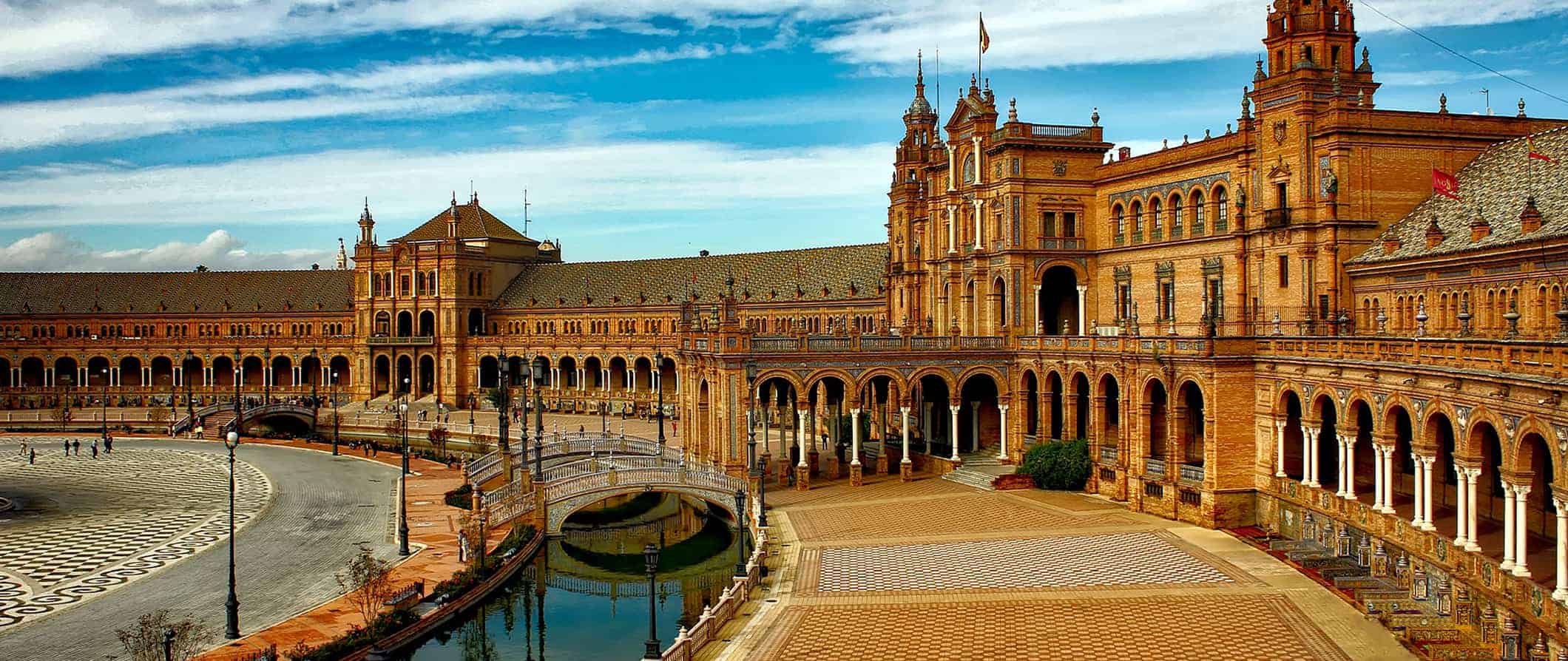
Seville, the vibrant capital of Andalusia in southern Spain, is a city full of life, history, and culture. Known for its stunning architecture, delicious food, and lively festivals, Seville offers a true taste of traditional Spanish charm. Whether you're exploring its ancient streets, enjoying a flamenco show, or savoring tapas in a cozy bar, Seville promises an unforgettable travelexperience.
Why Travel To Seville?
Seville, in inland Andalusia, is the heart of Spain and the largest, liveliest, and most beautiful city in the region. It offers a rich cultural away from the coastal areas crowded with foreign-owned skyscrapers.
Main Attractions
The old town's center features the Cathedral, built over a Moorish mosque in the 15th century, and the attached Giralda tower, originally the mosque's minaret. The top tourist spot is the Real Alcazar, an ornate palace, with the smaller Casa de Pilatos as an alternative.
Explore the old Jewish quarter of Santa Cruz with its tapas bars, scenic alleys, secret gardens, and grand buildings. Enjoy walks along the River Guadalquivir, full of cafes and evening social life. Take a horse cab (negotiate the price first) to see more sights like the stunning Plaza de España or cruise up the river by water bus.
Look for Moorish architecture, bullfighting (Sundays April-Oct), Flamenco (originally Andalusian), and Andalusian cuisine.
How Long To Visit Seville (2-4+ DAYS)
Most people visit Seville as part of a bigger trip around Spain. To see the main attractions, you should spend at least two full days and nights in the city, but that will feel rushed. We suggest staying for around four days to enjoy Seville at a relaxed pace.
During these four days, you can explore the beautiful Cathedral and Giralda tower, wander through the old Jewish quarter of Santa Cruz, and visit the impressive Real Alcazar palace. Stroll along the River Guadalquivir, enjoy tapas in cozy bars, and watch a flamenco show for a true taste of local culture.
If you have more time, consider taking some day trips. There are many great places to visit near Seville, such as the historic cities of Cordoba and Granada, the scenic hilltop town of Ronda, or the beautiful beachesof the Costa de la Luz. Adding a few extra nights to your stay will allow you to see these wonderful sights without rushing.
When To Visit Seville
Summer In Seville
Sevilla boasts some of Europe's warmest summers, with typical highs in the nineties from roughly mid-June to well into September. A lot of the neighborhood's businesses still close in the early afternoon and reopen in a few hours.
Therefore, if you go during the summer, be sure your lodging has air conditioning; otherwise, you can have a very hot night. But, since there aren't many tourists in Seville in the dead of summer, you can get some great hotel rates.
Spring And Fall In Seville
For the finest weather and temperatures, we advise going in the spring or fall. If we had to choose, May would be the best month to go because the flowers would be in full bloom, it won't be too hot outside, and there won't be as much rain. However, springtime is Seville's busiest season, so costs will be higher.
Additionally, Seville hosts two well-known spring festivals that draw large crowds of tourists, so if you're on a tight budget, steer clear of these dates:Semana Santa (from April 2 to March 24) April 14–23 is Feria. It can rain a little from October to December, so pack appropriately.
Winter In Seville
Winter in Seville is mild and pleasant, making it an enjoyable time to visit the city. Temperatures usually range from 6°C to 16°C (43°F to 61°F), allowing for comfortable sightseeing without the intense summer heat. The city's festive atmosphere continues with holiday decorations and events, especially around Christmas and New Year.
Although December is the wettest month, rain is typically light and infrequent. Winter is also a great time to explore Seville's cozy tapas bars, vibrant flamenco shows, and historic attractions like the Real Alcazar and the Cathedral, all without the crowds of peak tourist season.
Seville: The Good And The Not-So-Good
The Good
Rich History And Stunning Architecture
Seville is home to some of the most impressive historical landmarks in Spain. The Seville Cathedral, Real Alcazar, and Giralda Tower are just a few examples of the city’s architectural splendor, showcasing a mix of Gothic, Mudéjar, and Renaissance styles.
Vibrant Cultural Scene
Seville is a hub of traditional Spanish culture, famous for its flamenco music and dance. The city hosts numerous festivals throughout the year, including Semana Santa and Feria de Abril, which offer a deep dive into Andalusian traditions.
Delicious Food
The culinary scene in Seville is vibrant and varied. From traditional tapas bars to fine dining restaurants, the city offers a wide range of Andalusian dishes. Don’t miss trying local specialties like gazpacho, jamón ibérico, and churros.
Pleasant Winter Climate
Winter in Seville is mild and enjoyable, with temperatures ranging from 6°C to 16°C (43°F to 61°F). This makes it a great destination for winter travel, offering comfortable sightseeing without the summer heat and crowds.
Beautiful Parks And Gardens
Seville boasts several beautiful green spaces, such as Maria Luisa Park and the gardens of the Real Alcazar. These areas provide a peaceful retreat from the bustling city streets and are perfect for leisurely strolls.
The Not-So-Good
Extreme Summer Heat
Summer in Seville can be extremely hot, with temperatures often exceeding 35°C (95°F). This can make outdoor activities uncomfortable and limit sightseeing to the cooler early morning or late evening hours.
Crowded Tourist Attractions
Popular attractions like the Seville Cathedral and Real Alcazar can get very crowded, especially during peak tourist seasons. Long lines and packed spaces can detract from the experience.
Limited Beach Access
Unlike coastal cities, Seville does not have its own beaches. While the nearby Costa de la Luz offers beautiful beaches, it requires a bit of travel, which can be inconvenient for those looking for a beach holiday.
Occasional Rain In Winter
While winter is generally mild, December is the wettest month, with occasional rain showers. Although the rainfall is usually light, it can still affect outdoor plans.
Tourist Prices
In popular tourist areas, prices for food, accommodation, and souvenirs can be higher compared to less touristy parts of Spain. It’s advisable to explore local markets and eateries for more affordable options.
Beautiful Places To Visit In Serville
Seville Cathedral And Giralda Tower
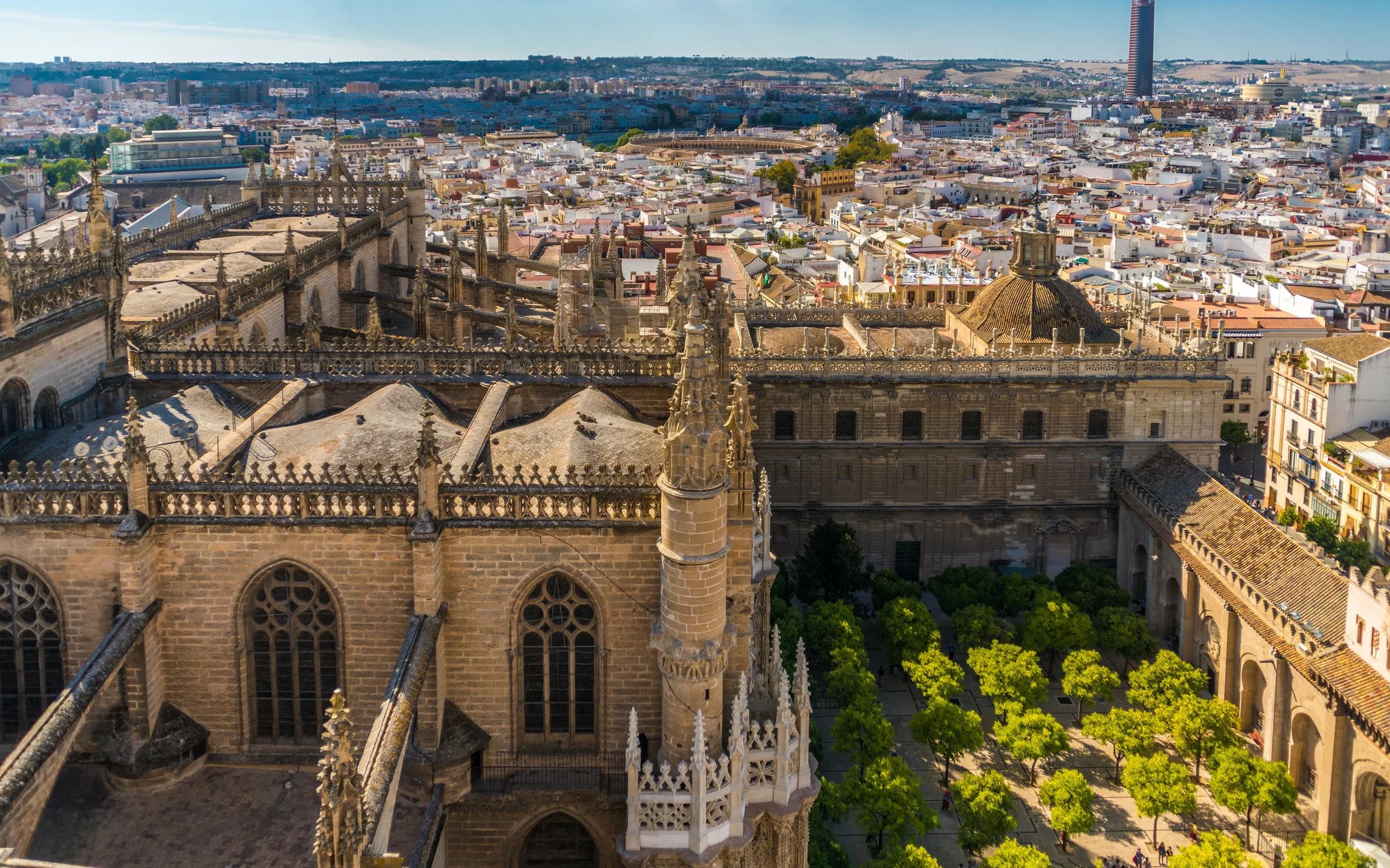
Seville Cathedral, one of the world's largest Gothic cathedrals, stands as a testament to the city's rich religious history. Built in the 15th century on the site of a former mosque, its grandeur is evident in its vast nave, numerous chapels, and the remarkable altarpiece, one of the largest in Christendom.
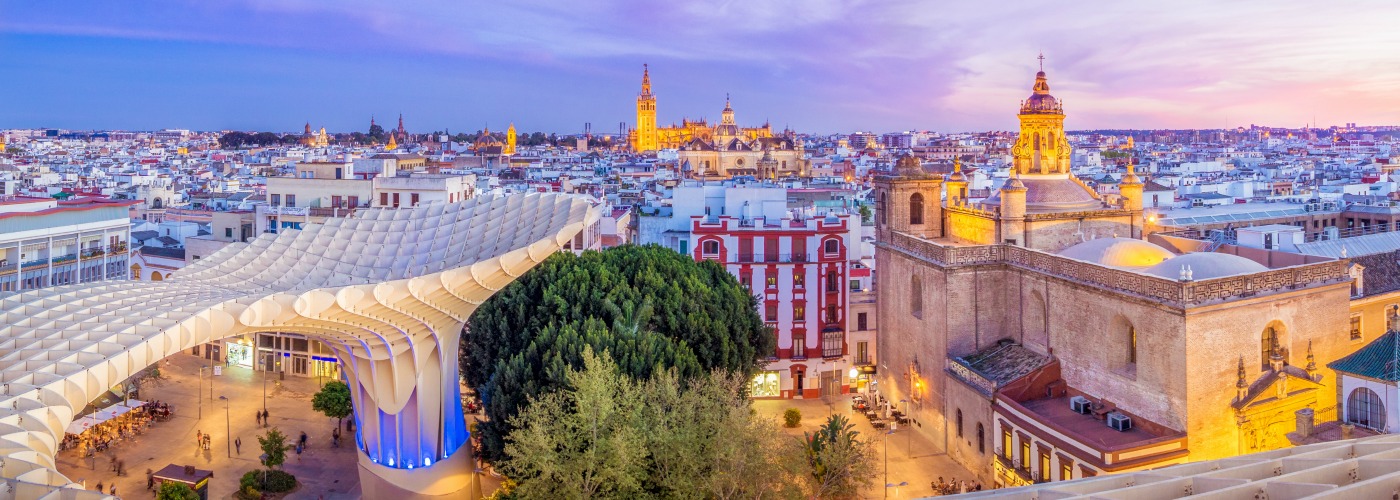
Inside, visitors can marvel at the impressive collection of religious treasures and artworks, as well as the tomb of Christopher Columbus. Adjacent to the cathedral is the Giralda Tower, originally constructed as a minaret for the mosque. Climbing the ramps to the top of the Giralda offers breathtaking panoramic views of Seville, making the effort well worth it.
Santa Cruz Quarter
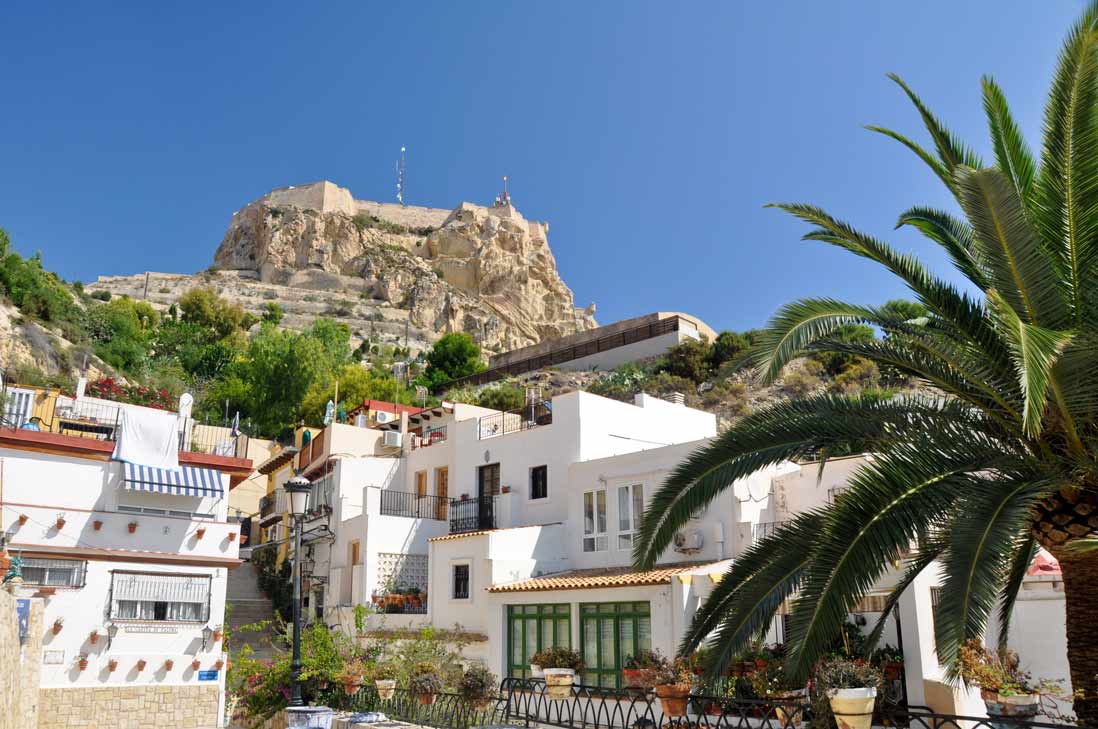
The Santa Cruz quarter, Seville's former Jewish district, is a labyrinth of narrow, winding streets, picturesque squares, and hidden patios. This charming neighborhood is perfect for a leisurely stroll, allowing you to discover its many historical buildings, secret gardens, and vibrant tapas bars.
As you explore, you'll encounter charming plazas like Plaza de Doña Elvira and Plaza de Santa Cruz, where you can relax and soak up the atmosphere. The area is also home to the beautiful Church of Santa María la Blanca and the Casa de Murillo, a museum dedicated to the famous painter Bartolomé Esteban Murillo.
Maria Luisa Park
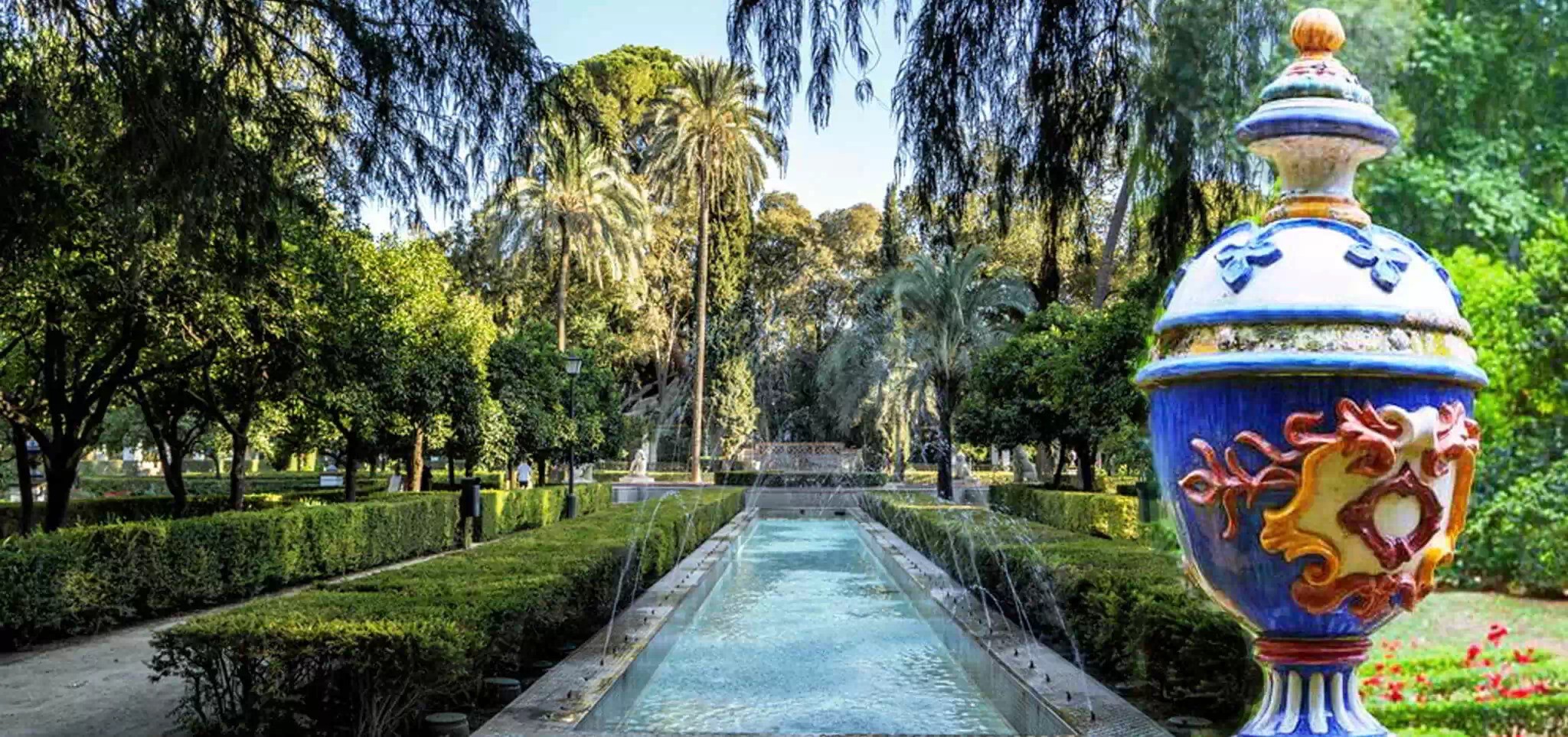
Maria Luisa Park, a lush oasis in the heart of Seville, offers a peaceful retreat with its beautifully landscaped gardens, fountains, and pavilions. Originally part of the private gardens of the San Telmo Palace, the park was donated to the city in the late 19th century.
Its extensive grounds feature a variety of flora, from towering palm trees to vibrant flowerbeds. Highlights include the Plaza de España and the Plaza de América, both located within the park. Visitors can enjoy a leisurely walk, rent a bike or a boat, or simply relax by one of the many fountains and ponds.
Casa De Pilatos
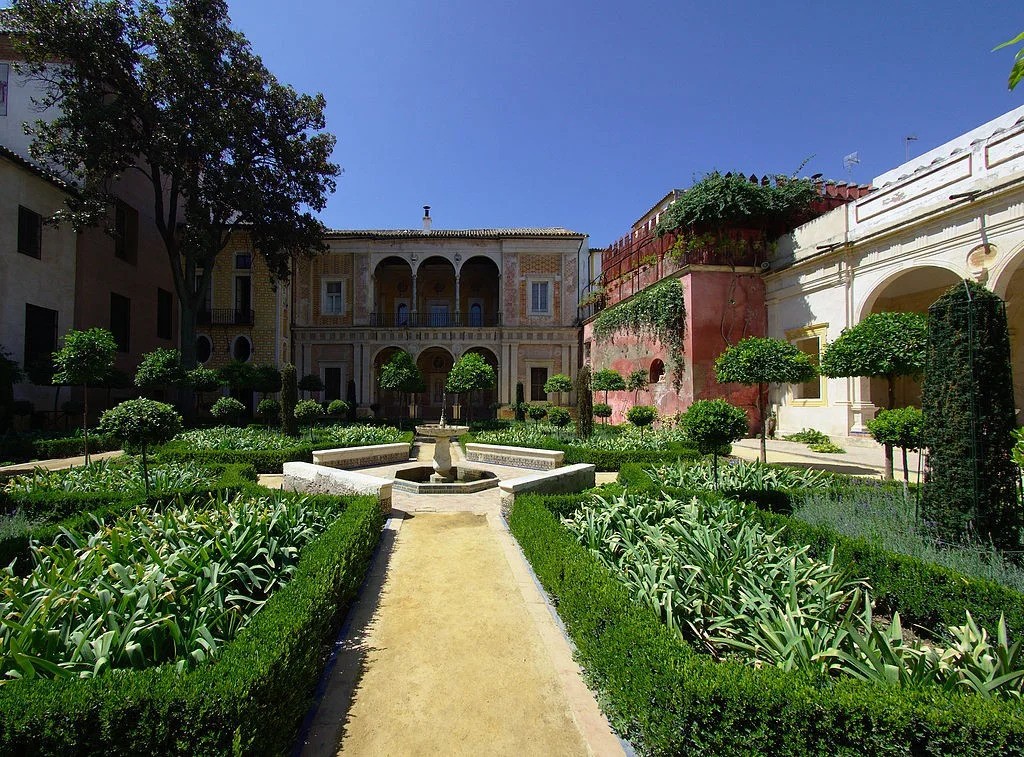
Casa de Pilatos, a splendid palace blending Italian Renaissance and Spanish Mudéjar styles, is a must-visit for architecture and art lovers. Built in the 16th century, the palace features beautifully decorated rooms, stunning courtyards, and lush gardens. Its patios are adorned with intricate azulejos (ceramic tiles), classical sculptures, and elegant arches.
The palace also houses an impressive collection of artwork, including paintings, tapestries, and mosaics. Visitors can wander through the lavishly decorated rooms, admire the fusion of architectural styles, and enjoy the tranquility of the garden spaces.
Flamenco Shows

Seville is the birthplace of flamenco, and experiencing a live flamenco performance is a must when visiting the city. There are numerous venues, known as tablaos, where you can enjoy this passionate and soulful art form. Popular spots include Tablao El Arenal and Casa de la Memoria, both offering authentic shows featuring talented dancers, singers, and musicians.
For a more intimate setting, visit one of the smaller flamenco clubs in the Triana or Santa Cruz districts. These performances capture the intense emotions and vibrant rhythms that make flamenco an unforgettable cultural experience.
Other Beautiful Places To Visit In Seville
- Torre Del Oro
- Seville’s Bridges
- Archivo De Indias
- Triana District
- Metropol Parasol (Las Setas)
- Real Alcazar
- Plaza De España
FAQs - Seville Travel
What Is The Best Month To Visit Seville Spain?
The best time to visit Seville is from March to May. During these spring months, the temperatures are mild, the rush of tourist traffic hasn't reached summer volume, and the hotels tend to offer lower rates (except during special events).
Which Is Better Granada Or Seville?
Granada is the choice for travelers seeking a deep dive into Moorish history and architecture coupled with mountain views. With its vibrant festivals, flamenco traditions, and extensive culinary scene, Seville is perfect for those craving cultural immersion and urban energy.
Is Seville Warm In January?
Seville city sees one of the mildest Januarys in Europe (16-18 Celsius) – it’s an attractive destination to visit all year round. Plus activities and accommodation can be enjoyed with appealingly low rates from January to March.
Is A Boutique Hotel More Expensive?
Boutiques can be more expensive due to their exclusive features, personalised service, and often prime locations. However, prices vary widely depending on the hotel's offerings, location, and the time of booking.
Wrap Up
Traveling to Seville is like stepping into the heart of Spain. With its rich history, beautiful sights, and lively atmosphere, Seville has something for everyone. From exploring grand palaces and ancient cathedrals to enjoying delicious Andalusian cuisine, a trip to Seville will leave you with wonderful memories and a deep appreciation for Spanish culture.

Sophia Harper
Author
Sophia Harper’s photography acts as a portal to the soul of the places she visits. Drawn to South America’s landscapes and cultures, she has spent years capturing everything from the majesty of ancient ruins to the vibrancy of urban streets.
Sophia’s work isn’t just about documenting moments; it’s about evoking the emotions and stories behind them. A dedicated photographer, she has worked with local communities across South America to capture their rich cultural narratives through her lens.

Liam Jones
Reviewer
Liam Jones has made it his mission to prove that adventure doesn’t need a hefty budget. Having traveled to over 40 countries, he specializes in finding affordable ways to experience the world, from the best street food in Bangkok to hidden gems in Lisbon.
Liam’s travel tips have reached thousands of readers, empowering them to see the world on a shoestring budget without sacrificing quality. With a deep passion for local cultures, he continues to share his travel hacks, ensuring adventure remains accessible to all.
Latest Articles
Popular Articles