Escape To Paradise - The Best Mediterranean Beaches
Dreaming of crystal-clear waters, soft sandy shores, and endless sunshine? Look no further than the best Mediterranean beaches. The Mediterranean has it all.
Author:Sophia HarperReviewer:Liam JonesJul 17, 2024143.8K Shares1.9M Views
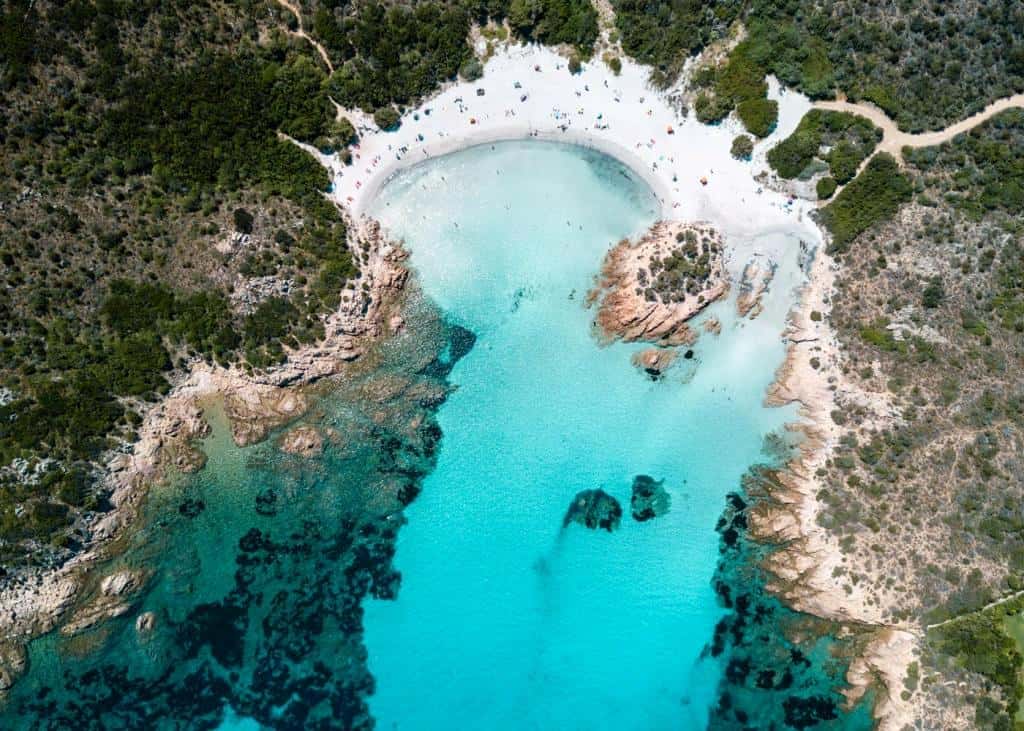
Dreaming of crystal-clear waters, soft sandy shores, and endless sunshine? Look no further than the best Mediterranean beaches. Ready for some beach hopping, sunbathing, and splashing in the waves? The Mediterranean has it all. Join us as we explore these stunning seaside gems, each offering a slice of paradise.
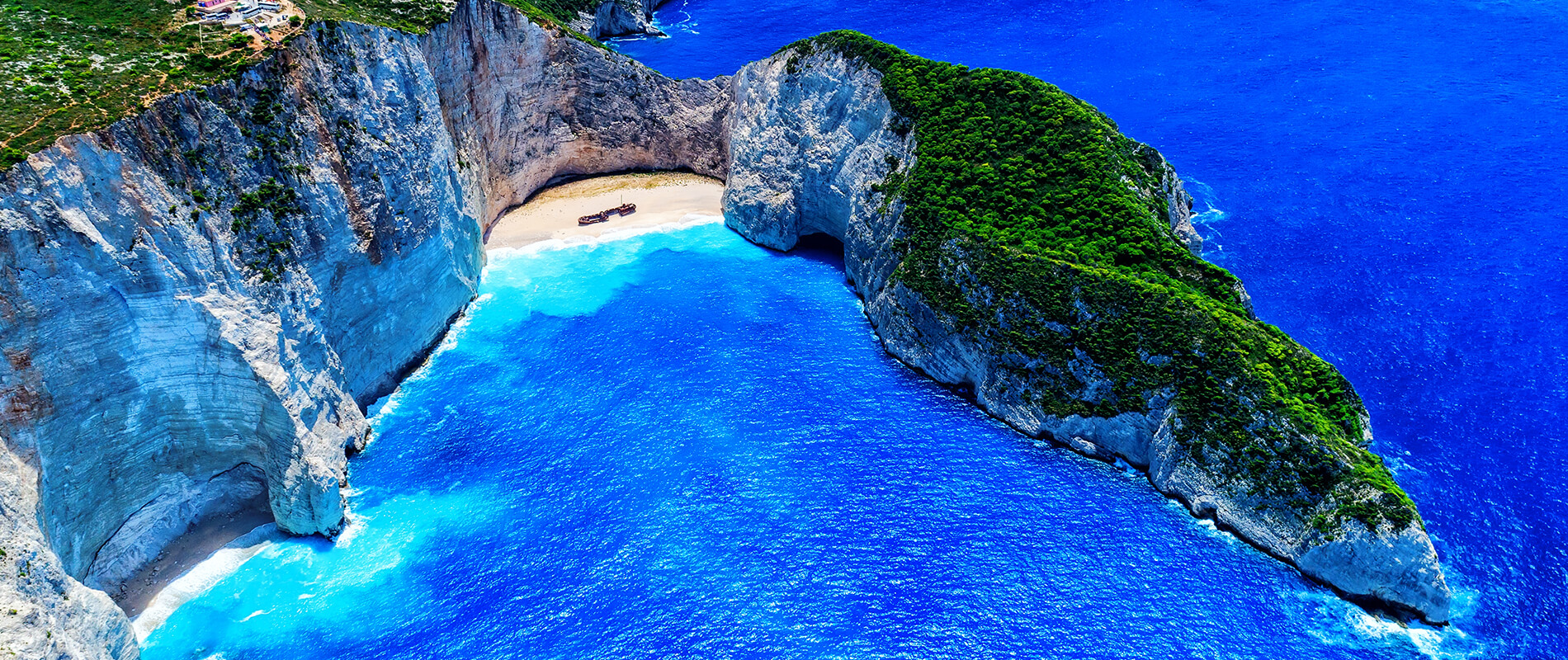
Navagio Beach - Zakynthos
Navagio Beach on Zakynthos is a visual delight that will leave you in awe. Picture this: towering 650-foot white cliffs, bright sand, and a sea so blue it looks like a scene from a postcard. This gem in the Ionian Islands is renowned as one of the Mediterranean’s must-visit spots.
This beach, also called Shipwreck or Smuggler’s Cove, is famous for its photogenic appeal. The large shipwreck of MV Panayiotis, rusting since 1980, adds a touch of history and intrigue to your photos. Whether you view it from a boat or the cliff-top, the sight is simply spectacular. Due to its popularity, it’s best to plan your visit early or hire a private boat to beat the crowds. Safety tip: keep a safe distance from the cliff edge to avoid any mishaps.
Reaching the cliff-top viewpoint involves a 45-minute drive from Zakynthos town. Here, you’ll find free parking, souvenirs, drinks, and takeaways. However, access to the beach is only possible by boat. Many affordable boat tours offer unparalleled views of this dramatic and stunning location. Don’t forget to bring water, as there are no facilities on the beach itself.
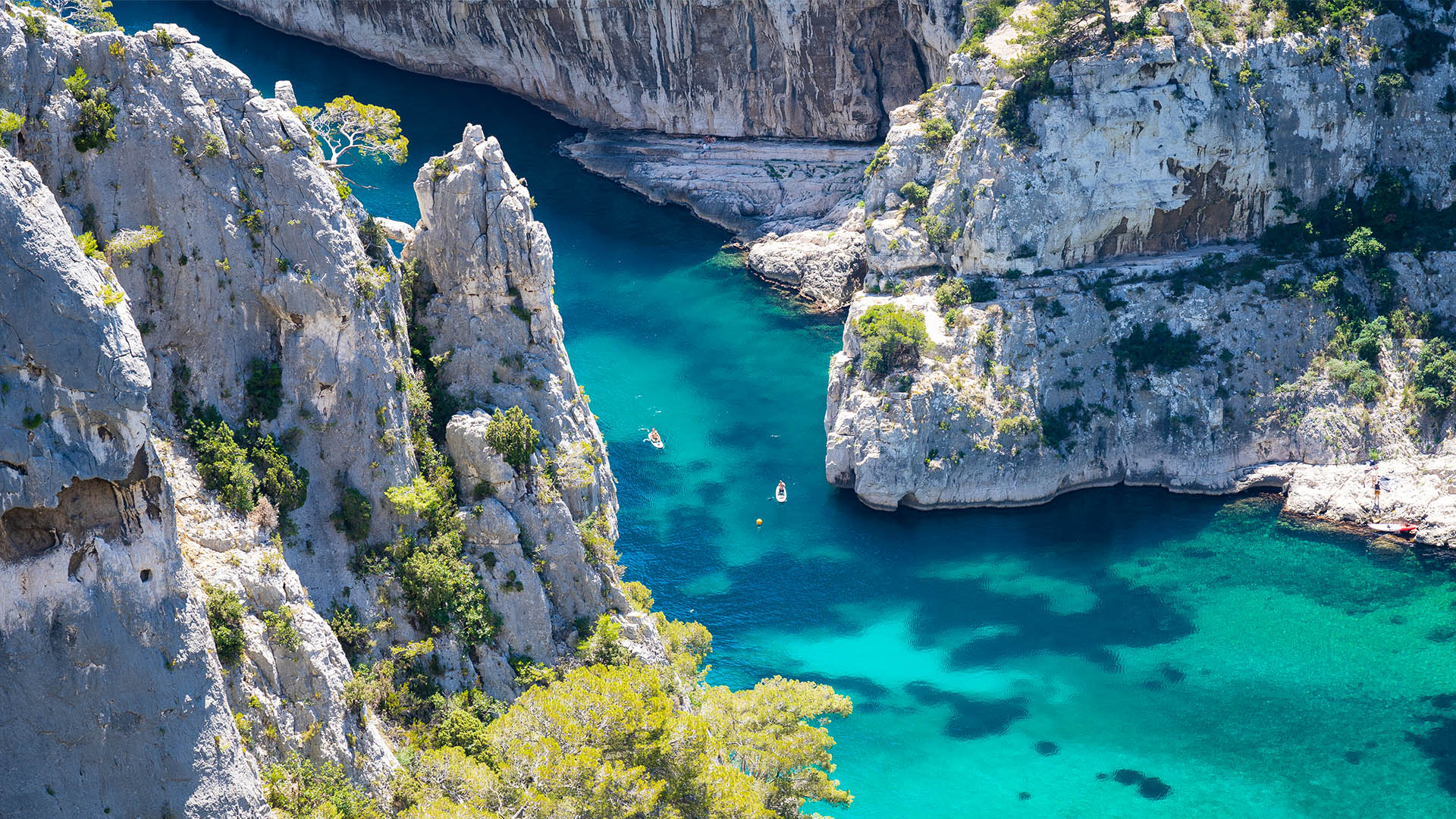
Calanque D’En Vau - France
Calanque d'En Vau is a spectacular beach in Cassis on France's Mediterranean coast that provides a wonderful slice of paradise. This estuarine cove, surrounded by spectacular limestone cliffs, offers an amazing experience.
The beach itself is a beautiful treat, with emerald waters and pebbled shoreline juxtaposed against chalk-white limestone towers and lush vegetation. A short, picturesque climb takes you to this breathtaking cove, where you can swim in shallow seas and along the cliff edges. The marine life that lives in the Calanques adds wonder to your water experiences.
If hiking is not your thing, there are alternative ways to appreciate this beachfront beauty. Kayaking trips take you to remote locations, whilst stand-up paddleboarding allows you to explore where the inlet meets the sea. The calm, turquoise waters are perfect for both activities.
Calanque d'En Vau, located inside the Calanques National Park, which stretches from Marseille to Cassis, is a popular swimming, climbing, and paddling destination. While getting to the beach may require some effort, the breathtaking scenery and peaceful atmosphere make it all worthwhile. Remember that most boat tours do not give much time for swimming, and boats are not authorized to go too far into the Calanque.
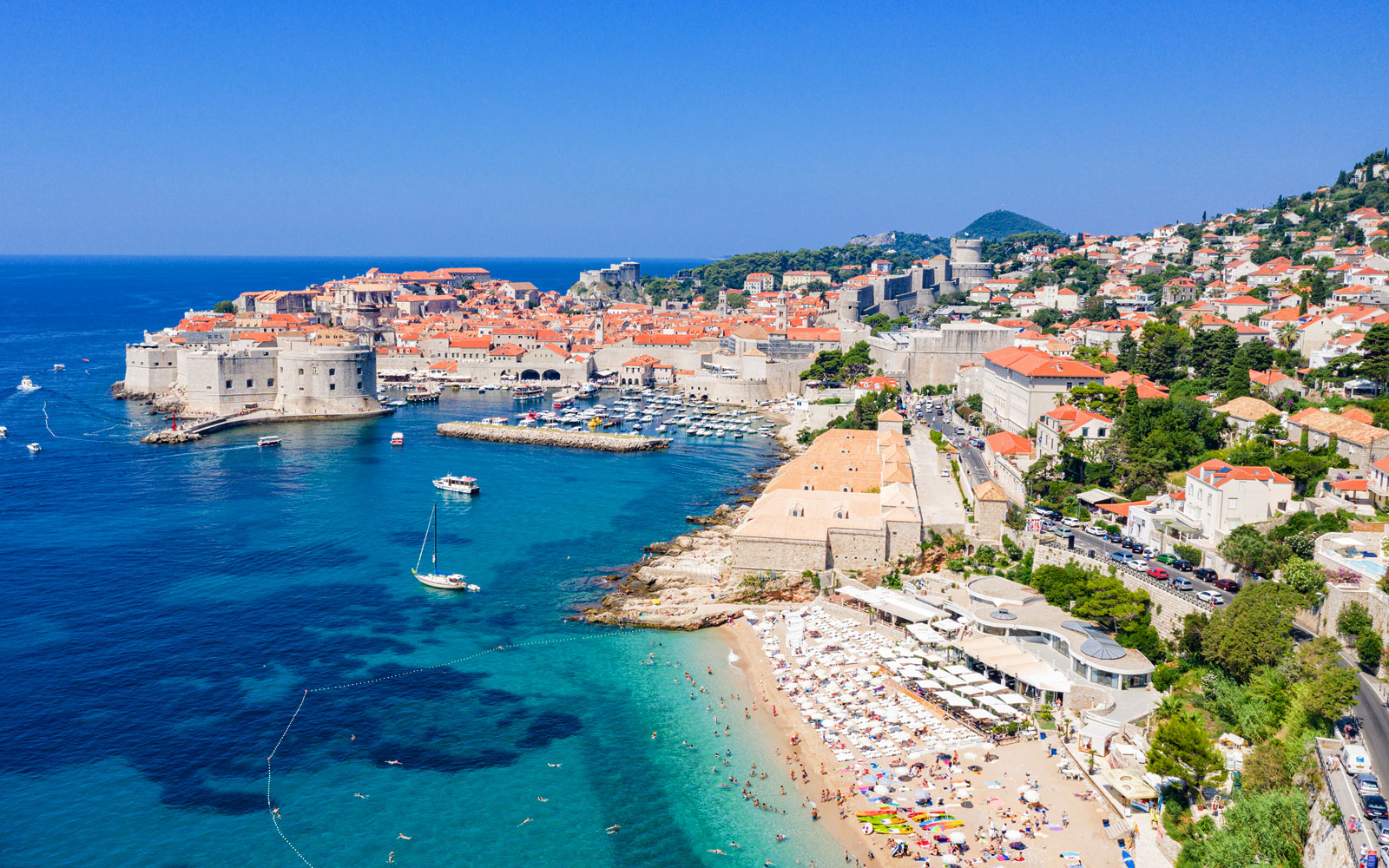
Banje Beach - Dubrovnik
Banje Beach, located just steps away from Dubrovnik's Old Town, is the ideal starting point for exploring Croatia's breathtaking coastline. Imagine sunbathing against a backdrop of historic stone houses and cobbled lanes, with white umbrellas dotting the golden shoreline. The Adriatic Sea's brilliant blue and green hues provide a magnificent contrast, producing a landscape straight out of a Mediterranean dream.
This beach is more than just sitting and soaking up the sun; it also offers the opportunity to dive into the Adriatic's clean, soothing waves. After a swim, follow the tempting aromas of Croatian seafood drifting from stylish beach eateries, which promise a fantastic culinary trip.
Banje Beach provides more than just leisure. If you're looking for some excitement, try jet skiing or visit one of the many seaside pubs and restaurants. Oh, the vistas! From the old city walls to the sweeping vistas of Lokrum Island, every perspective provides a beautiful view, ideal for capturing those everlasting vacation memories.
Spiaggia Dei Conigli - Sicily
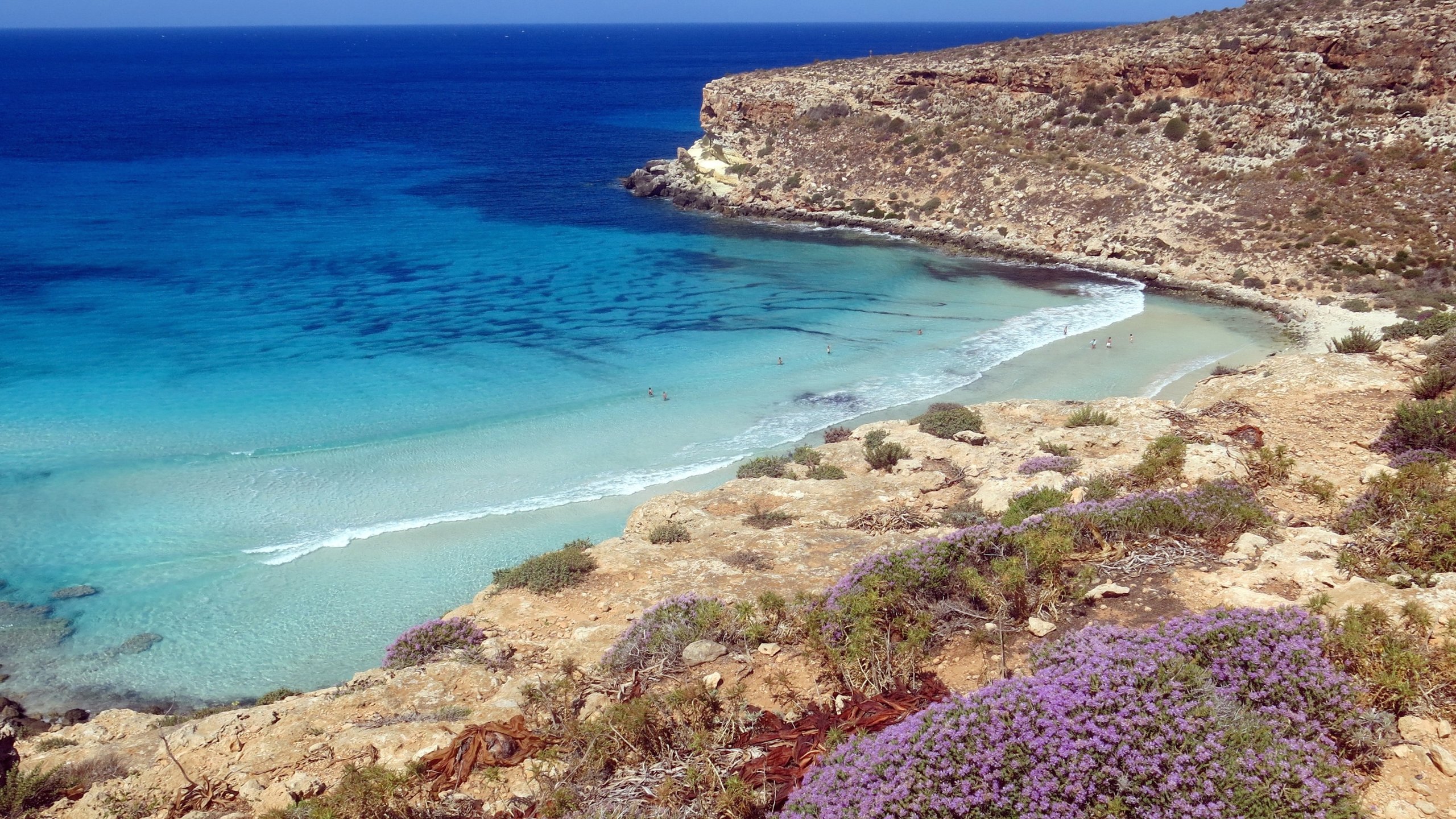
Spiaggia dei Conigli, commonly known as Rabbit Beach, is the ideal peaceful retreat on the island of Lampedusa near Sicily. This treasure is one of Italy's most popular beaches, with visitors flocking to soak up the sun and rest on soft golden sandbars.
This cove-like beach, hidden behind a rough coastline of rocks in gorgeous tones of yellow, brown, and gray, creates a dramatic contrast with the turquoise and sapphire colors of its crystal-clear seas. Navy-colored umbrellas dot the shoreline, lending a sense of elegance to the picturesque scene. Visitors can relax on the soft beach, explore the craggy mountains, or swim in the dazzling shallow waters.
Spiaggia dei Conigli, located in the protected Pelagie Islands Marine National Reserve, is a sanctuary for marine life, especially the interesting loggerhead sea turtles that nest there. Aside from turtle spotting, the beach is good for swimming, snorkeling, and diving, making it a great place for both relaxation and excitement.
A short drive from the shore will lead you to exquisite restaurants, small boutiques, and the wonders of Lampedusa town. Whether you're staying in a lovely resort overlooking the Mediterranean Sea or just exploring for the day, Spiaggia dei Conigli guarantees a peaceful and wonderful experience.
Barceloneta - Barcelona
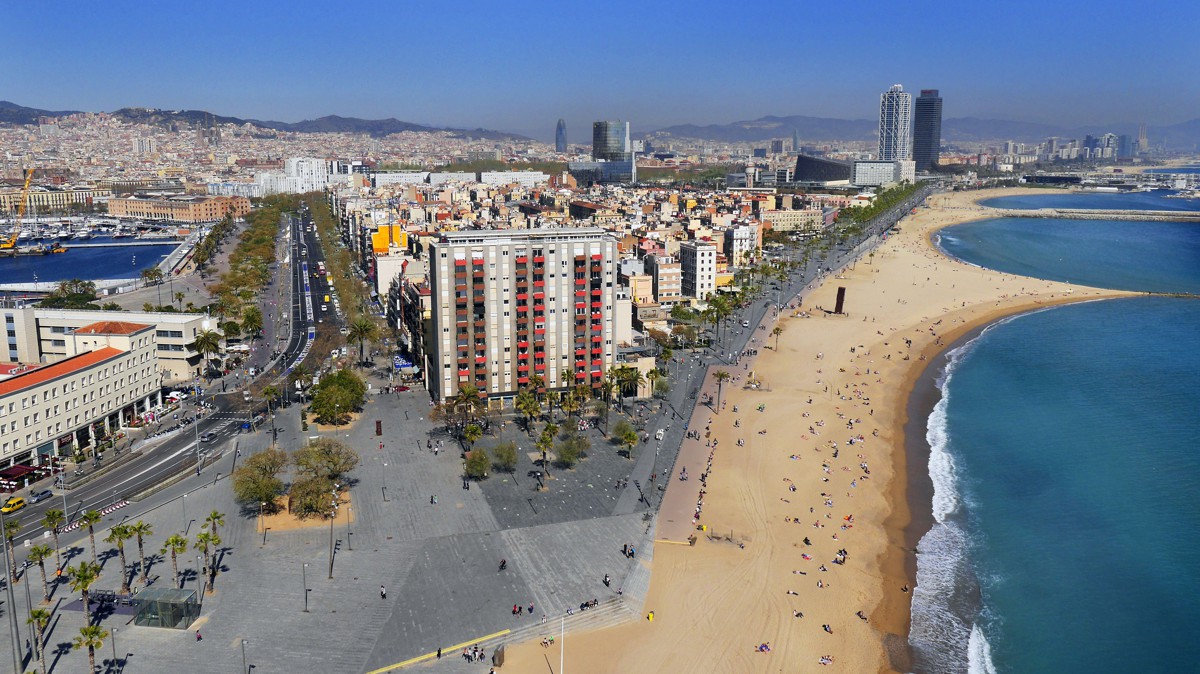
In Barcelona, you’ll want to immerse yourself in its quirky architecture, cool shopping, and vibrant art scene. But on a hot day, don’t miss the chance to relax on the beach.
Explore the narrow alleys of the rejuvenated fishermen’s district, Barceloneta, northeast of the Gothic Quarter, and you’ll find yourself on a long stretch of golden sand lined with inviting chiringuitas. On weekends, locals gather at the beach and stroll along the palm-lined promenade, making it perfect for people-watching. Take a break at Agua, located right on the waterfront, for refreshing cocktails and delicious Barcelona dishes like tapas and paellas.
Platja De Ses Illetes - Formentera
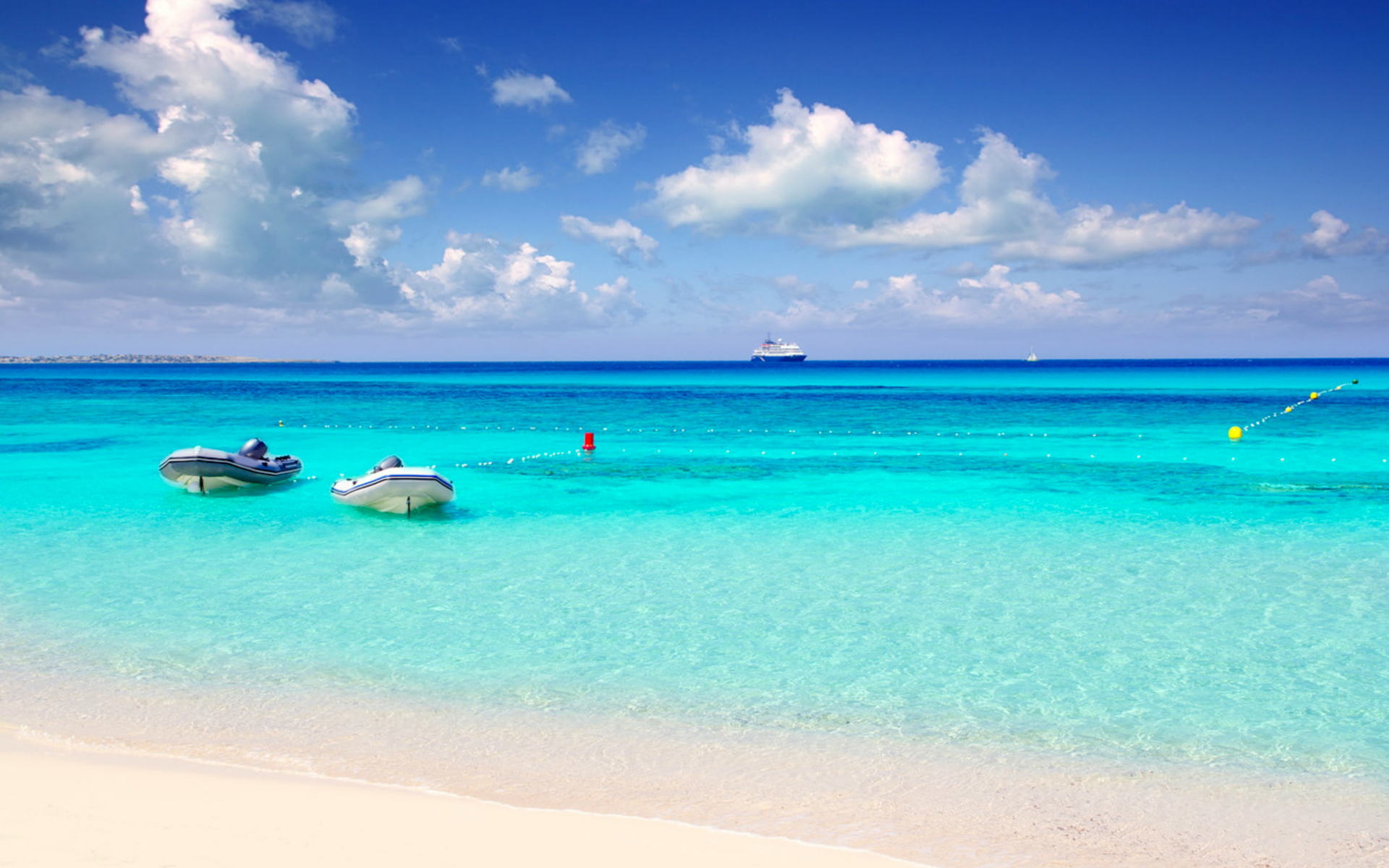
Platja de Ses Illetes, located on Formentera Island, is a true Mediterranean treasure and a must-see location in Spain. It is renowned as one of Europe's best beaches, with unparalleled beauty.
Ses Illetes, located north of Formentera on the Es Trucadors peninsula, with crystal-clear seas and distinctive pink beachesmade from Mediterranean red coral dust. The shallow seafloor offers a pool-like sanctuary ideal for both peaceful leisure and exciting exploration.
This pristine haven welcomes naturists, allowing them to immerse themselves in nature. Remember to bring your shade, sunscreen, drink, and snacks to ensure a comfortable visit. While there is a nominal entrance fee to help preserve this Mediterranean beauty, arriving early ensures a relaxing visit.
Ses Illetes is part of the Ses Salines d'Eivissa and Formentera Natural Park, which protects the spectacular landscapes and marine life. From the pristine white sands, you can see the serene turquoise waters and the five islets of Ses Illetes, which add to the beach's dramatic splendor.
With its expansive beachfront, there's plenty of room to choose your quiet area or engage in activities like cycling, sailing, and dining along the coast. Whether you're looking for peace or excitement, Platja de Ses Illetes guarantees an amazing experience in paradise.
Playa El Bajondillo - Málaga
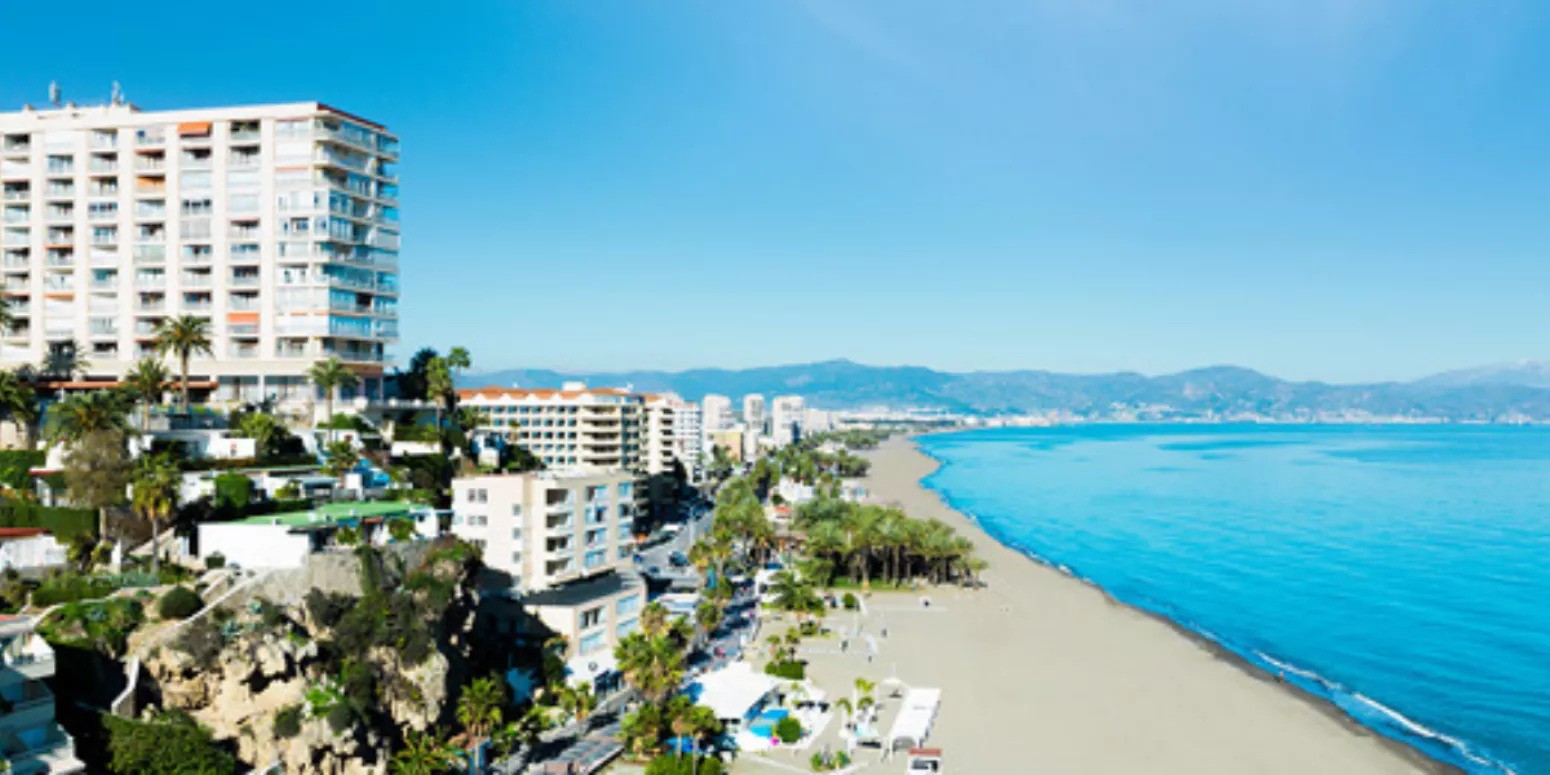
West of Malaga, the Costa del Sol stretches 83 miles to Gibraltar, offering a breathtaking coastline adorned with golden sandy beaches. Inland, the scenic ochre mountains are sprinkled with charming pueblos blancos, or white towns. On clear days, you can glimpse the hazy mountains of Morocco across the Straits of Gibraltar.
Malaga's beaches are lively and inviting, featuring urban amenities rather than secluded coves. These beaches are equipped with loungers, abundant watersports, and warm, crystal-clear water throughout the season.
A favorite destination is the broad expanse of Playa Bajondillo at Torremolinos, perfect for a relaxed day of sunbathing and snacking. The promenade is lined with chiringuitos, or beach taverns, where you can enjoy the local specialty, espetas de sardinas - fresh sardines expertly grilled on skewers over hot coals.
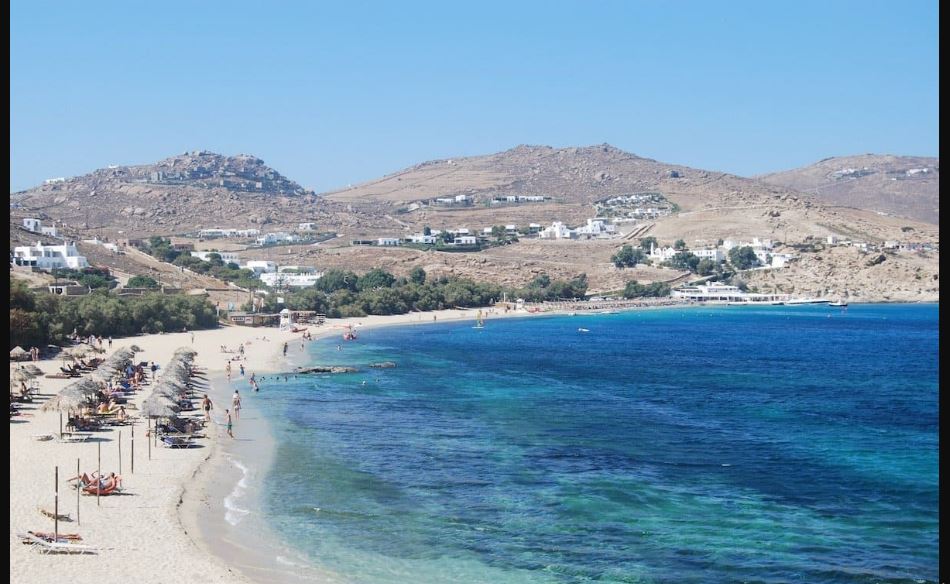
Kalafatis Beach - Mykonos
Mykonos, the trendiest and most cosmopolitan of the Greek Islands, spoils you with stunning beaches. The best spots are outside Mykonos Town, accessible by bus or taxi.
Here, anything goes. Super Paradise is the ultimate gay party hotspot, while Panormos, also very gay-friendly, is the place to bare it all. On the island’s east coast, Kalafatis Beach offers a quieter, more remote escape. This crescent-shaped beach of pale gold sand is framed by scrub-covered hills and charming white villages, making it one of the top beaches in Mykonos.
Mykonos is almost always windy, perfect for windsurfing or swimming over rocks into the clear, blue water. You can rent gear, including snorkels, from a beach hut. Several beach tavernas serve delicious Greek fare, like Greek salad, fried squid, and souvlaki, making for an ideal toes-in-the-sand lunch.
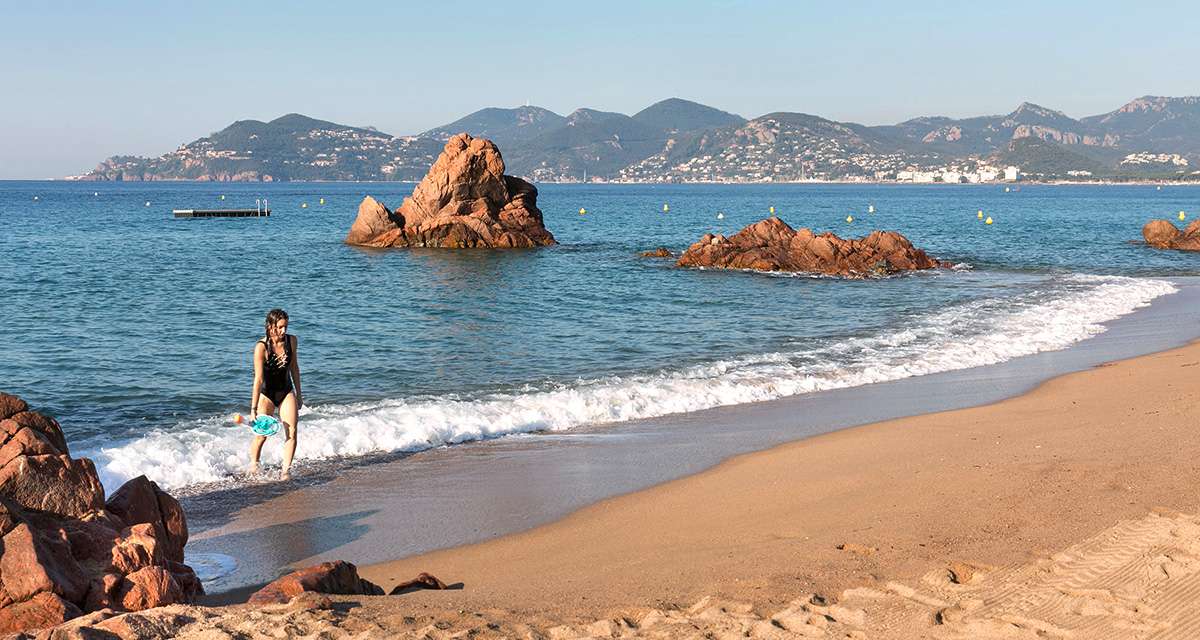
Plage Du Midi - Cannes
Plage du Midi, just west of the Vieux Port in Cannes, is a local favorite. This wide, sandy beach sits in front of a palm-lined promenade and has a chill vibe compared to the glitzy La Croisette.
The beach restaurants here are more relaxed and less fancy than those at the private clubs on La Croisette. Perfect for grabbing a bite without breaking the bank. You can rent umbrellas and loungers at reasonable rates, making it easy to kick back and enjoy the sun.
Stick around for the evening show when the distant Esterel Massif rocks glow a deep red in the golden light. It's a sight you won't want to miss!
FAQs - Mediterranean Beaches
Which Sea Is The Most Beautiful In Europe?
The most beautiful beaches in Europe can be found in the Mediterranean. Some are larger and have throngs of visitors, some and small and tucked away, hidden from view to most tourists.
Why Is Mediterranean Sea So Special?
The Mediterranean Sea is one of the world's most culturally important bodies of water and for centuries, it has been the home and primary source of food for millions of people. As a result of its location between Africa, Asia and Europe, it is a primary trade route.
What Country Has The Clearest Beaches?
The Maldives, located in the Indian Ocean, have around 1,190 islands and sandbanks. A lagoon with crystal clear water encircles all the islands, which are protected by a reef structure that is home to an array of underwater life.
Conclusion
The Mediterranean is home to some of the world's most breathtaking beaches. From serene, secluded getaways to vibrant, bustling shores, there's no shortage of stunning spots to discover. Pack your bags, grab your sunscreen, and get ready to escape to paradise on the best Mediterranean beaches. Whether you're looking to relax, explore, or simply soak up the sun, these beaches are sure to deliver unforgettable memories.

Sophia Harper
Author
Sophia Harper’s photography acts as a portal to the soul of the places she visits. Drawn to South America’s landscapes and cultures, she has spent years capturing everything from the majesty of ancient ruins to the vibrancy of urban streets.
Sophia’s work isn’t just about documenting moments; it’s about evoking the emotions and stories behind them. A dedicated photographer, she has worked with local communities across South America to capture their rich cultural narratives through her lens.

Liam Jones
Reviewer
Liam Jones has made it his mission to prove that adventure doesn’t need a hefty budget. Having traveled to over 40 countries, he specializes in finding affordable ways to experience the world, from the best street food in Bangkok to hidden gems in Lisbon.
Liam’s travel tips have reached thousands of readers, empowering them to see the world on a shoestring budget without sacrificing quality. With a deep passion for local cultures, he continues to share his travel hacks, ensuring adventure remains accessible to all.
Latest Articles
Popular Articles