Best Beaches In The World
If you're planning a longer vacation and expect to come across gorgeous beaches along the way, or even if you're seeking to center your vacation around beautiful beaches, here are five countries with some of the world's best beaches.
Author:Sophia HarperReviewer:Liam JonesApr 03, 2022239.4K Shares3.1M Views
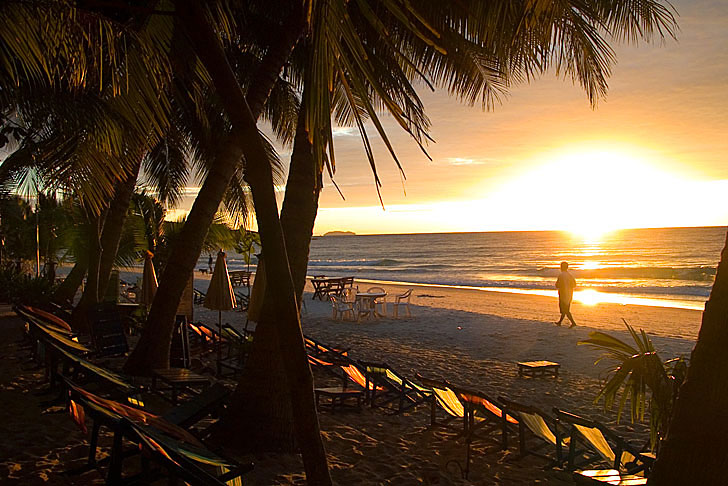
If you're planning a longer vacation and expect to come across gorgeous beachesalong the way, or even if you're seeking to center your vacation around beautiful beaches, here are five countries with some of the world's best beaches.
Whitehaven Beach
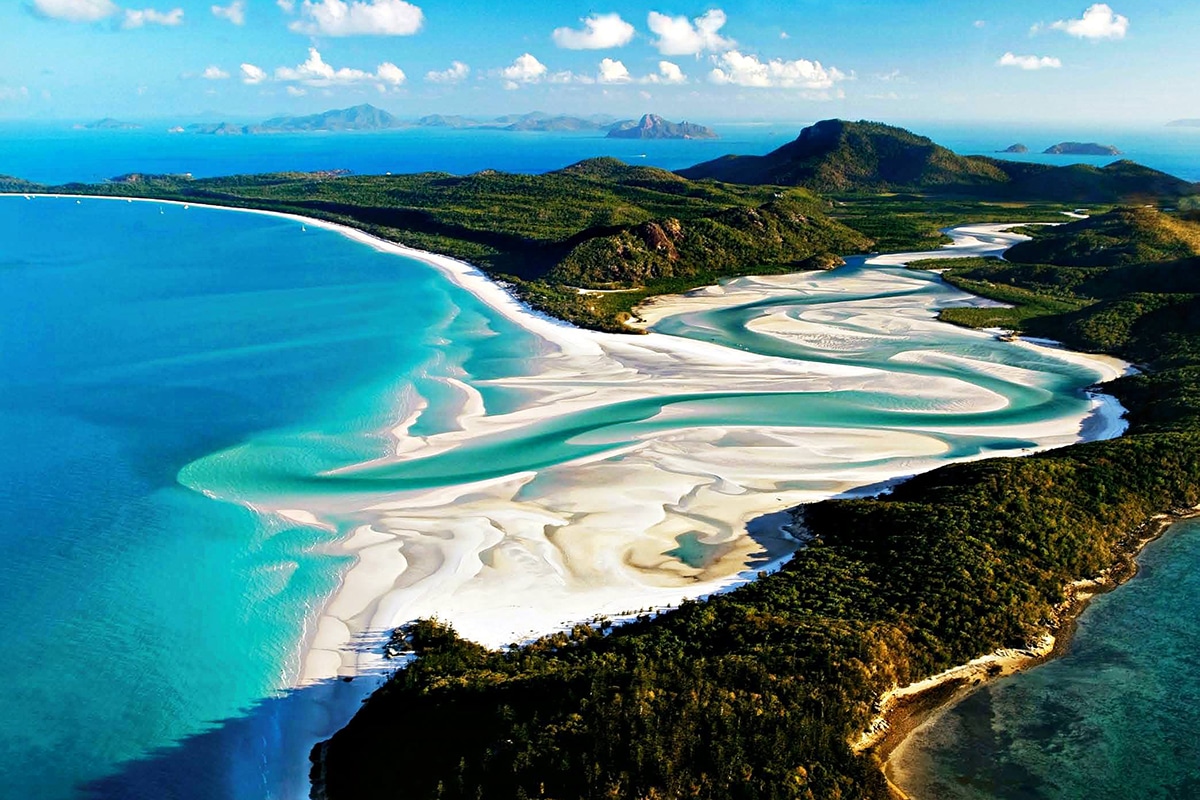
Whitehaven Beach, located on Australia's magnificent Whitsunday coast, is one of our very own and one of the most spectacular beaches on the planet. The kilometers of fine white sand contrast well with the brilliant blue ocean. This beach will transport you to a state of absolute Zen; it's a must-see!
City: Whitsunday Islands
Country: Australia
Santa Maria Beach
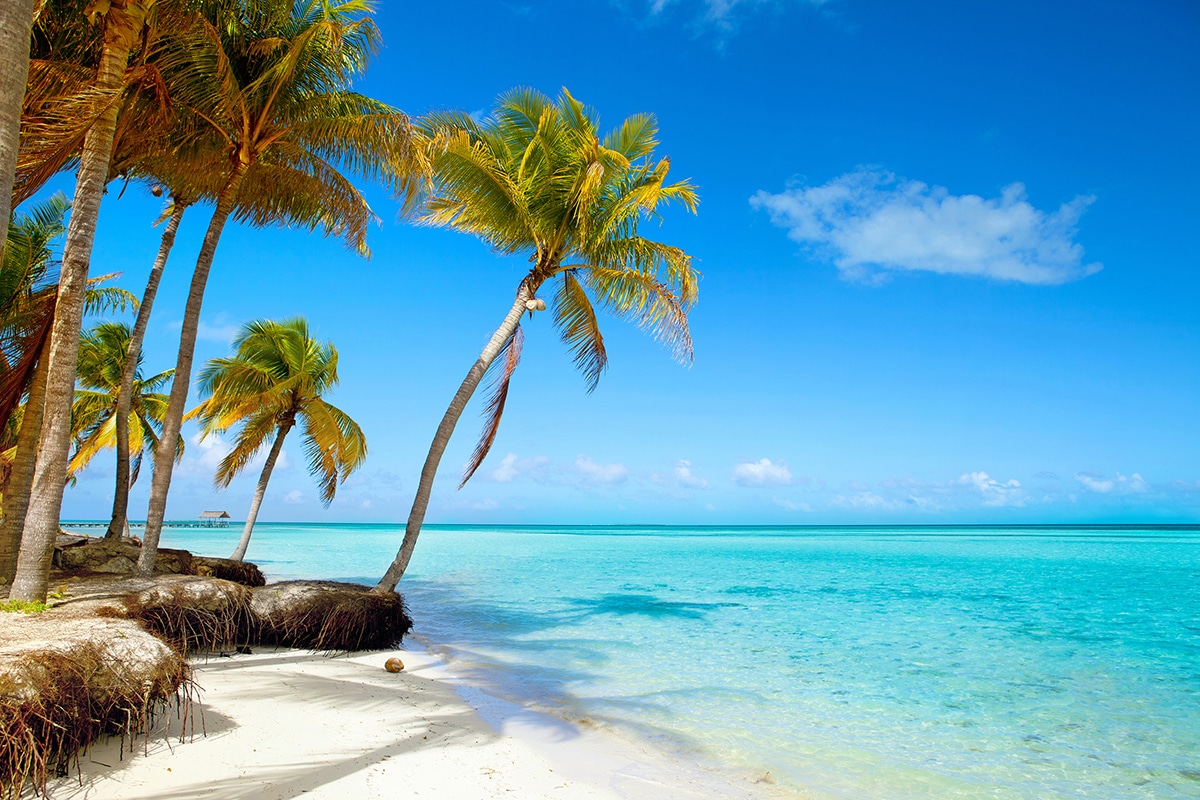
Santa Maria Beach, one of the nicest in Cuba, is a sight to behold. The sand is as fine as flour, and the sea is tranquil and serene, ideal for floating and relaxing. You can expect to observe little fish swimming and dolphins leaping. Additionally, there are numerous hotels in the region, so you may make your visit part of a week-long vacation.
City: Cayo Santa Maria
Country: Cuba
Baia Do Sancho
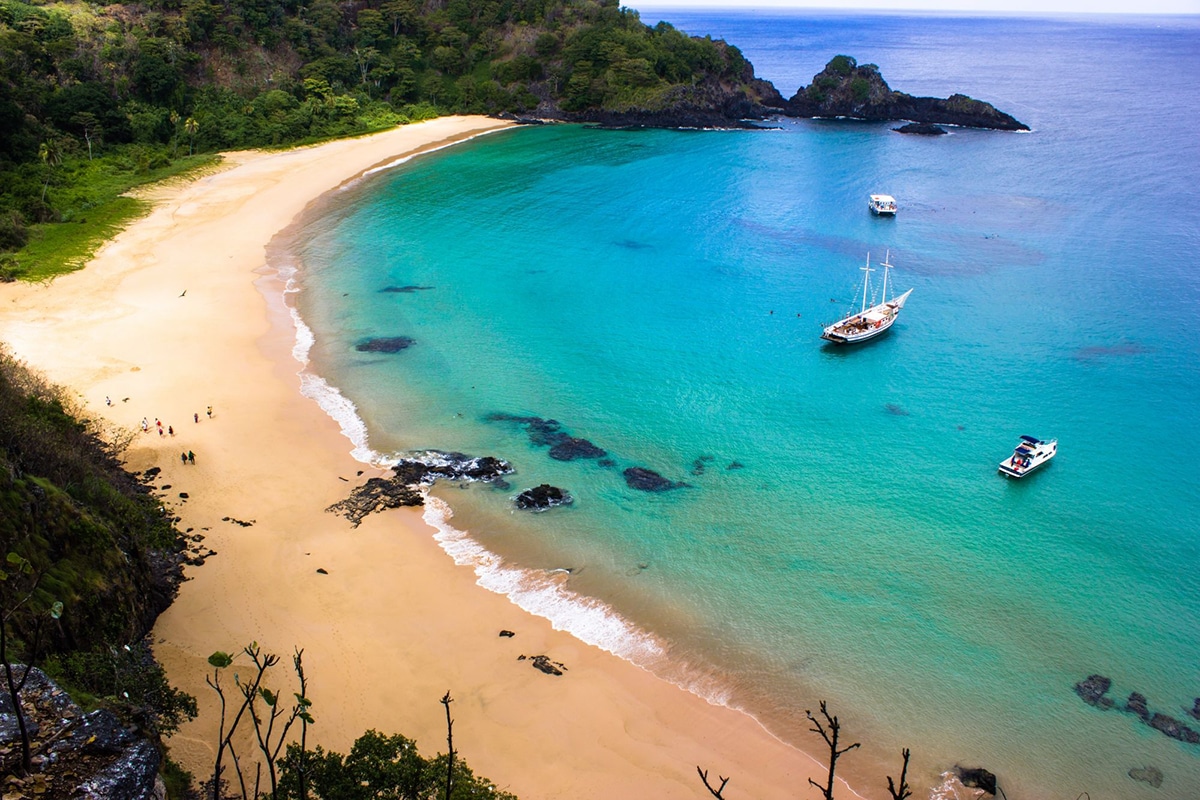
If quiet beaches are your thing, Baia do Sancho will not disappoint. The beach is remote and surrounded by lush green cliffs, creating a tranquil haven. You approach the beach by descending ladders and stone steps, and while it is a bit of a trip, it is well worth it once you reach the bottom! However, brace yourself for the return journey!
City: Fernando de Noronha
Country: Brazil
Grace Bay Beach
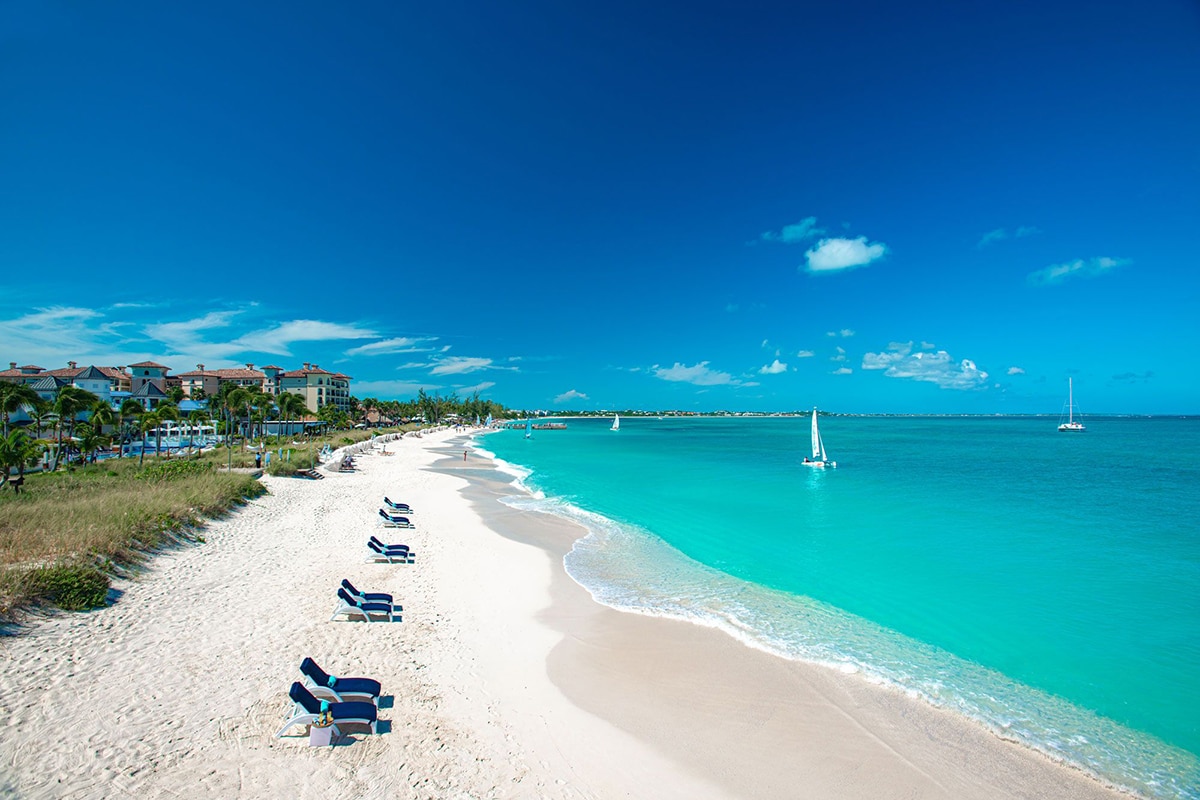
This immaculate beach is the benchmark of the Turks and Caicos Islands, providing a taste of luxury in the Caribbean. The sand is white and smooth, the water is crystal clear, and a large barrier reef is located just offshore. The water is quiet and ideal for snorkeling, so bring your equipment!
City: Grace Bay
Country: Providenciales
Saint Pete Beach
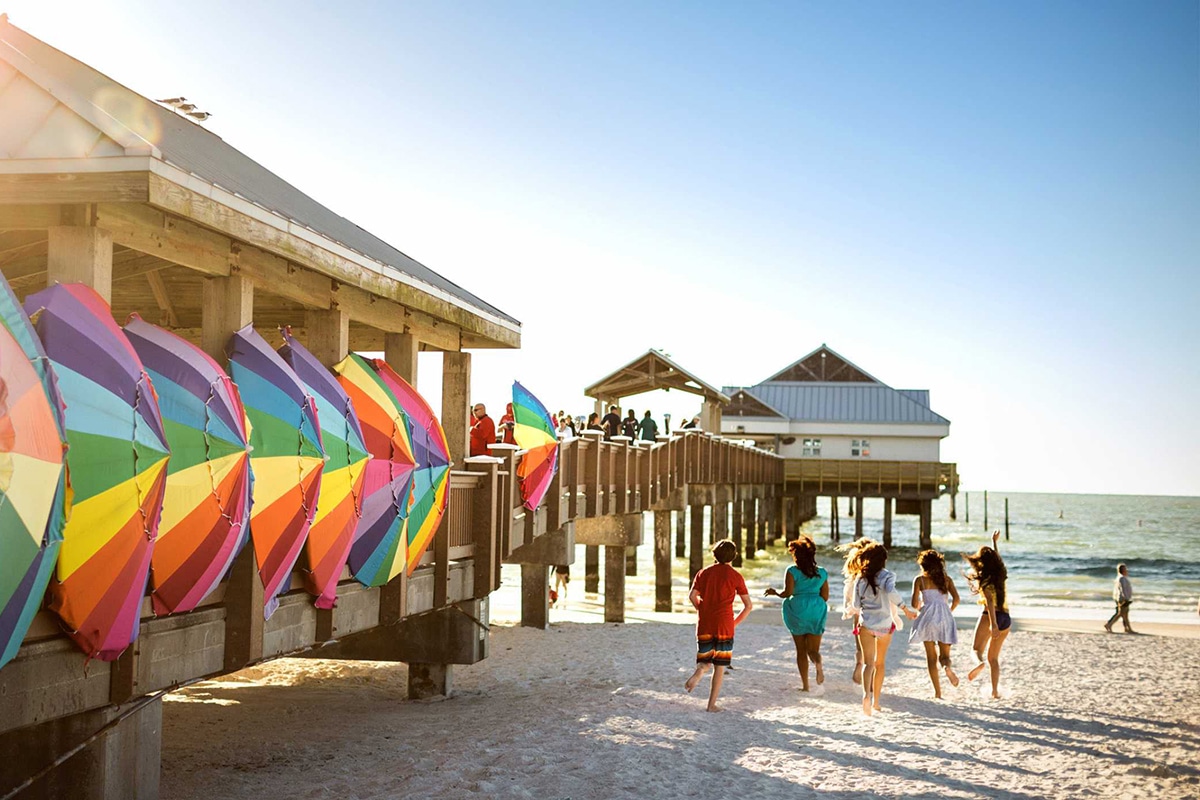
As a renowned tourist attraction, it's no surprise that this beach is one of the best in the world. The reasons are simple: pure white beaches, crystal blue oceans, and a vibrant town filled with cafes, boutiques, and luxury accommodations. Oh, the hard life! Take lunch at the beach and then go for an afternoon drink following a day of lazing.
City: Florida
Country: United States
What Is The #1 Beach In The World?
Grace Bay in the Turks and Caicos Islands grabbed the top rank, followed by Australia's Whitehaven Beach and Seychelles' Anse Lazio.
What Is The Dirtiest Beach In The World?
Kamilo Beach, located on Hawaii's Big Island's south-eastern tip, has been labeled one of the most plastic-polluted locations on the planet. Larson and fellow members of the Hawaii Wildlife Fund (HWF), a group of conservation volunteers, collected 1,400 lb of it last summer.
Final Tips
Wet Seasons, Especially In The Tropics But They Muck Up Beach Vacations
Many travelproviders and even guidebooks promote the finest beaches in any season, reasoning that rain only lasts a short time during the rainy season. True, but the wet season has other repercussions that can turn a lovely beach vacation into a miserable waste of time and money. Intense winds can make inter-island transit and fishing excursions difficult, make snorkeling difficult, and make windsurfing and sailing problematic for all but the pros. Swimming becomes a battle against dirty blue waves rather than a peaceful float in bright turquoise waters. Furthermore, blown-on flotsam, jetsam, and seaweed make even the most beautiful beaches look dirty.
Regular cloud cover reduces sunbathing options and makes images bland and dismal. * Stagnant pools of water make the perfect breeding site for mosquitoes, yet severe winds may prevent them from flying. When it rains for several days, the only things you need are a bed, a book, or a bar.
So, check the best and worst seasons before booking your pricey trip, and pay attention!
White Sand, Ugh!
The tropics' fine white powder sand is largely fish feces with a pinch of dead sea life. Parrot Fish [picture above] and other coral-grazing fish scrape and bite off chunks of coral in quest of algae and coral polyps. Fine white sand is left behind by the fish as the inedible coral skeleton is excreted. Nice!
Outside the tropics, beaches typically contain coarse yellow sand from millennia of rock or shell degradation, or black sand from ancient volcanic deposits. These sands absorb heat from the sun and are difficult to walk on barefoot, whereas coral poo sands remain chilly even in direct sunlight. No way!
Swimsuits
Kids' swimwear in hot weather should have UPF50 protection, as well as sunscreen on exposed areas. Children's skin is especially sensitive in the early years and can develop problems later. But don't panic. Some sunshine is good for your bones and growth. More.
Adults can wear whatever they like, although older men should avoid mankinis, thongs, and speedos, as they accentuate sagging flesh. The best swimsuits for women include a flattering higher leg cut or a thoughtful design feature. Good items from Longitude Swimwear
A Mexican Pacific Beach With White Foam Rips
On the right is a safety line, but no one is swimming.
Rips are dangerous sea currents.
Three parents drowned in a vortex off Tonel Beach, Portugal, a few years ago.
Whirlpools are extreme examples of harmful currents, but they should be treated like any other undertow, or rip; they rarely draw people down, simply around and around.
Monster waves are obvious, but violent rips that cycle wave water out into the ocean are equally deadly, and can easily pull swimmers out with them. No fight.
Parents should be cautious on unknown beaches. Around the world, lifeguards mark safe swimming areas, which may be small and busy, as opposed to surf zones, which may appear uncrowded yet conceal dangerous rips.
Don't believe you can share their space because most surfers can swim well, can withstand rips, and have a board to hold on to.
What To Do In A Rip
Fear not. A desperate and tiring thrashing is the killer, as rips rarely bring swimmers under, even in whirlpools. Fighting the current will quickly fatigue you and make you lose your head.
Rips have a power loss of 5–40 meters, which may feel far when you're stranded, but just go with the flow. Whenever the drag loosens, swim parallel to the beach, away from the rip, and return safely.
If you're not sure, calmly wave your hand and ask a surfer for guidance.
Conclusion
What constitutes a great beach is entirely subjective. While some love broad expanses of sand with plenty of activities and crowds to observe, others prefer desolate shorelines with tranquil waters. This article looked at the best beaches that were mentioned above to help you figure out which beaches are the best in the world.
Whitehaven Beach
Whitehaven Beach, located on Australia's magnificent Whitsunday coast, is one of our very own and one of the most spectacular beaches on the planet. The kilometers of fine white sand contrast well with the brilliant blue ocean. This beach will transport you to a state of absolute Zen; it's a must-see!
City: Whitsunday Islands
Country: Australia
Santa Maria Beach
Santa Maria Beach, one of the nicest in Cuba, is a sight to behold. The sand is as fine as flour, and the sea is tranquil and serene, ideal for floating and relaxing. You can expect to observe little fish swimming and dolphins leaping. Additionally, there are numerous hotels in the region, so you may make your visit part of a week-long vacation.
City: Cayo Santa Maria
Country: Cuba
Baia Do Sancho
If quiet beaches are your thing, Baia do Sancho will not disappoint. The beach is remote and surrounded by lush green cliffs, creating a tranquil haven. You approach the beach by descending ladders and stone steps, and while it is a bit of a trip, it is well worth it once you reach the bottom! However, brace yourself for the return journey!
City: Fernando de Noronha
Country: Brazil
Grace Bay Beach
This immaculate beach is the benchmark of the Turks and Caicos Islands, providing a taste of luxury in the Caribbean. The sand is white and smooth, the water is crystal clear, and a large barrier reef is located just offshore. The water is quiet and ideal for snorkeling, so bring your equipment!
City: Grace Bay
Country: Providenciales
Saint Pete Beach
As a renowned tourist attraction, it's no surprise that this beach is one of the best in the world. The reasons are simple: pure white beaches, crystal blue oceans, and a vibrant town filled with cafes, boutiques, and luxury accommodations. Oh, the hard life! Take lunch at the beach and then go for an afternoon drink following a day of lazing.
City: Florida
Country: United States
What Is The #1 Beach In The World?
Grace Bay in the Turks and Caicos Islands grabbed the top rank, followed by Australia's Whitehaven Beach and Seychelles' Anse Lazio.
What Is The Dirtiest Beach In The World?
Kamilo Beach, located on Hawaii's Big Island's south-eastern tip, has been labeled one of the most plastic-polluted locations on the planet. Larson and fellow members of the Hawaii Wildlife Fund (HWF), a group of conservation volunteers, collected 1,400 lb of it last summer.
Final Tips
Wet Seasons, Especially In The Tropics But They Muck Up Beach Vacations
Many travel providers and even guidebooks promote the finest beaches in any season, reasoning that rain only lasts a short time during the rainy season. True, but the wet season has other repercussions that can turn a lovely beach vacation into a miserable waste of time and money. Intense winds can make inter-island transit and fishing excursions difficult, make snorkeling difficult, and make windsurfing and sailing problematic for all but the pros. Swimming becomes a battle against dirty blue waves rather than a peaceful float in bright turquoise waters. Furthermore, blown-on flotsam, jetsam, and seaweed make even the most beautiful beaches look dirty.
Regular cloud cover reduces sunbathing options and makes images bland and dismal. * Stagnant pools of water make the perfect breeding site for mosquitoes, yet severe winds may prevent them from flying. When it rains for several days, the only things you need are a bed, a book, or a bar.
So, check the best and worst seasons before booking your pricey trip, and pay attention!
White Sand, Ugh!
The tropics' fine white powder sand is largely fish feces with a pinch of dead sea life. Parrot Fish [picture above] and other coral-grazing fish scrape and bite off chunks of coral in quest of algae and coral polyps. Fine white sand is left behind by the fish as the inedible coral skeleton is excreted. Nice!
Outside the tropics, beaches typically contain coarse yellow sand from millennia of rock or shell degradation, or black sand from ancient volcanic deposits. These sands absorb heat from the sun and are difficult to walk on barefoot, whereas coral poo sands remain chilly even in direct sunlight. No way!
Swimsuits
Kids' swimwear in hot weather should have UPF50 protection, as well as sunscreen on exposed areas. Children's skin is especially sensitive in the early years and can develop problems later. But don't panic. Some sunshine is good for your bones and growth. More.
Adults can wear whatever they like, although older men should avoid mankinis, thongs, and speedos, as they accentuate sagging flesh. The best swimsuits for women include a flattering higher leg cut or a thoughtful design feature. Good items from Longitude Swimwear
A Mexican Pacific Beach With White Foam Rips
On the right is a safety line, but no one is swimming.
Rips are dangerous sea currents.
Three parents drowned in a vortex off Tonel Beach, Portugal, a few years ago.
Whirlpools are extreme examples of harmful currents, but they should be treated like any other undertow, or rip; they rarely draw people down, simply around and around.
Monster waves are obvious, but violent rips that cycle wave water out into the ocean are equally deadly, and can easily pull swimmers out with them. No fight.
Parents should be cautious on unknown beaches. Around the world, lifeguards mark safe swimming areas, which may be small and busy, as opposed to surf zones, which may appear uncrowded yet conceal dangerous rips.
Don't believe you can share their space because most surfers can swim well, can withstand rips, and have a board to hold on to.
What To Do In A Rip
Fear not. A desperate and tiring thrashing is the killer, as rips rarely bring swimmers under, even in whirlpools. Fighting the current will quickly fatigue you and make you lose your head.
Rips have a power loss of 5–40 meters, which may feel far when you're stranded, but just go with the flow. Whenever the drag loosens, swim parallel to the beach, away from the rip, and return safely.
If you're not sure, calmly wave your hand and ask a surfer for guidance.
Conclusion
What constitutes a great beach is entirely subjective. While some love broad expanses of sand with plenty of activities and crowds to observe, others prefer desolate shorelines with tranquil waters. This article looked at the best beaches that were mentioned above to help you figure out which beaches are the best in the world.
Jump to
Whitehaven Beach
Santa Maria Beach
Baia Do Sancho
Grace Bay Beach
Saint Pete Beach
What Is The #1 Beach In The World?
What Is The Dirtiest Beach In The World?
Final Tips
Conclusion
Whitehaven Beach
Santa Maria Beach
Baia Do Sancho
Grace Bay Beach
Saint Pete Beach
What Is The #1 Beach In The World?
What Is The Dirtiest Beach In The World?
Final Tips
Conclusion

Sophia Harper
Author
Sophia Harper’s photography acts as a portal to the soul of the places she visits. Drawn to South America’s landscapes and cultures, she has spent years capturing everything from the majesty of ancient ruins to the vibrancy of urban streets.
Sophia’s work isn’t just about documenting moments; it’s about evoking the emotions and stories behind them. A dedicated photographer, she has worked with local communities across South America to capture their rich cultural narratives through her lens.

Liam Jones
Reviewer
Liam Jones has made it his mission to prove that adventure doesn’t need a hefty budget. Having traveled to over 40 countries, he specializes in finding affordable ways to experience the world, from the best street food in Bangkok to hidden gems in Lisbon.
Liam’s travel tips have reached thousands of readers, empowering them to see the world on a shoestring budget without sacrificing quality. With a deep passion for local cultures, he continues to share his travel hacks, ensuring adventure remains accessible to all.
Latest Articles
Popular Articles