Australia Beaches - When's The Best Time To Visit?
Even if you're planning a longer vacation and anticipate stumbling across beautiful beaches along the way, or even if you want to focus your holiday around stunning Australia beaches, you should be aware of the risks involved in doing so. Here are a few suggestions, as well as information on the ideal time to visit Australia's beaches.
Author:Sophia HarperReviewer:Liam JonesMay 23, 202459.6K Shares1M Views
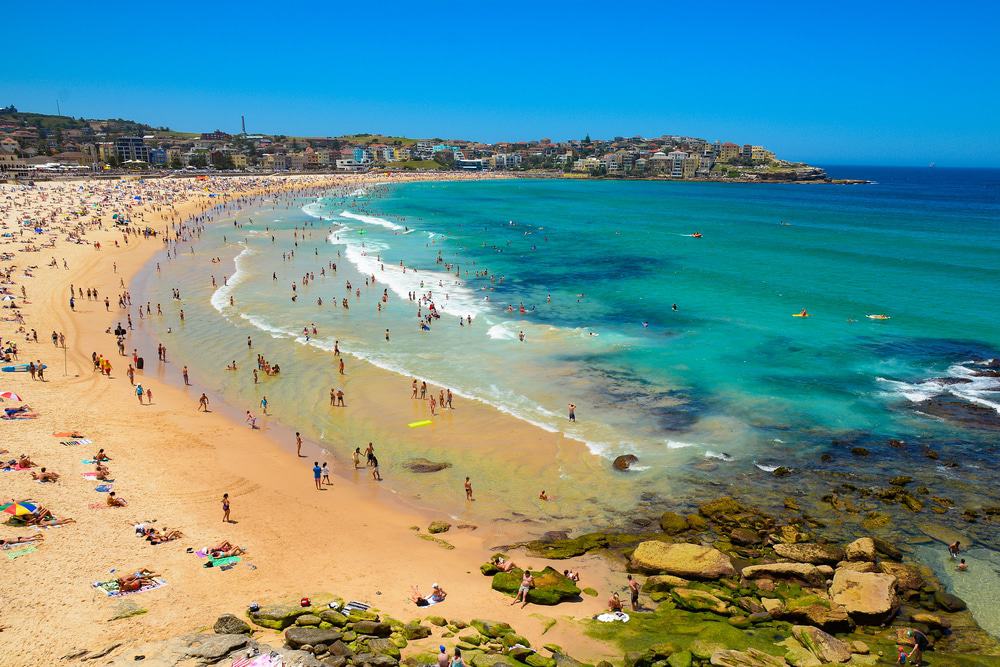
Even if you're planning a longer vacation and anticipate stumbling across beautiful beachesalong the way, or even if you want to focus your holiday around stunning Australia beaches,you should be aware of the risks involved in doing so.
Best Time To Visit Australia Beaches
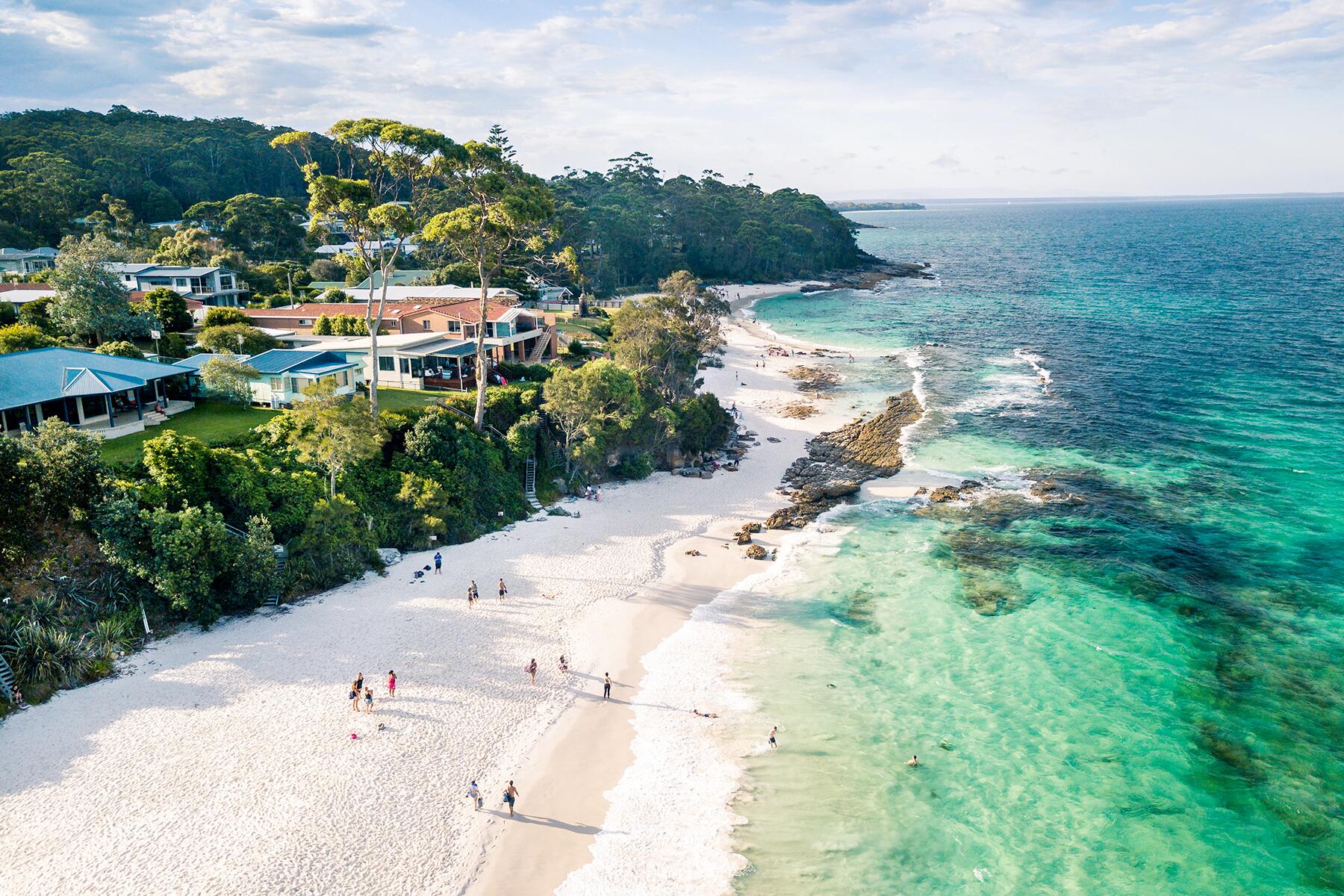
South East Coast [Sydney] - Central East Coast [Brisbane/Gold Coast]: November to April for swimming and surfing, though the water is not always warm and sunshine is not guaranteed, particularly in the Sydney area.
Bluebottles [Portuguese men of war] prefer to visit during this season, especially if there is an onshore breeze. Although warnings will be displayed, residents largely overlook the possibility of coming face-to-face with a few painful nematocysts. Part of the Aussie experience is battling nature tooth and nail, but hire a wetsuit if you want to surf safely.
The weather is hot all year [above 26 degrees Celsius], but January-March sees some rain and clouds, while December-January is crowded and hot, making April-November the best time to swim. Scuba divers like the months of September through December.
Dangerous Waters
Australia is blessed with an abundance of amazing beaches that offer some of the world's best surfing, snorkeling, scuba diving, and, of course, lounging on the soft sand while chugging a cold one. The sun is hot, the water is cool, and the beer is cold in the correct season. Heaven. However, the country is afflicted with an astounding array of lethal critters, both on land and at sea. Although these creatures are uncommon, they are well-known to locals and are handled quite lightly. Visitors accustomed to less dangerous waters should be aware:
Dangers Associated With Watersports
Precautions: Stay away from anything that does not appear to be safe!
Consider sand sandals for paddling on beaches and a light Lycra stinger suit or wetsuit for snorkeling or scuba diving if you have a weak heart and are north of Rockhampton [north of Brisbane and Fraser Island]. In season, every excellent cruise to the Great Barrier Reef or the Whitsunday Islands will include stinger suits for swimmers and divers.
When in the zone, swim inside stinger nets.
Seriously Vile
From October to May, wear a Lycra "stinger suit" or wetsuit and keep a look out for this lethal Mr. Blobby. Typically found in deeper water off Australia's beaches, this species is a nuisance mostly to snorkelers and divers.
They appear to spawn around the Great Barrier Reef and prefer mild, no-surf conditions north of Rockhampton.
The Irukandji jellyfish is a small [peanut-sized] horror that prefers deep water but can be pushed past anti-stinger nets by currents. For complete information on Box and Irukandji stings, see the Jellyfish Stings page.
The blue-ringed octopus is a little adorable and potentially lethal creature, even when found washed up on the beach or frolicking in a rock pool. You would not be foolish enough to play with a small child, but the children would. See the page on the Blue-Ringed Octopus.
Far more dangerous than sharks, "salties" congregate where rivers meet the sea. Therefore, regardless of how hot and sticky it is, avoid swimming in rivers or on or around estuary beaches, especially if no one else is around or warning signs are present. Freshwater crocs are not a concern in Australia, and because they are eaten by salties as well if they are present, salties are probably not. Crocodile Attackscan be found here.
Not pleasant: cone shells frequently include a snail equipped with a poisonous defense needle that has killed naive shell collectors.
Stonefish are practically imperceptible when hidden beneath the sand. Their poisonous spines are quite strong and may result in a hospital visit. Toxins will be dispersed by hot water. Generally, sandshoes or reef sandals will prevent penetration.
Sharks: Overrated in terms of danger due to poor public relations, attacks are typically the result of a shark mistaking a surfer for a seal or a swimmer for a skinny and slow tuna fish. There is a greater possibility of being killed by a falling coconut. Alternatively, see Shark Attacks.
Despite the foregoing, Australians are not intimidated! You'll have a terrific time if you keep your eyes open and take appropriate measures.
While diving off the Barrier Reef near Cairns, the Bugbog team was wrapped by a "Bluebottle" [Portuguese Man-of-War]. It was no huge thing; a pint of vinegar and an aspirin took care of the problem.
Protection: popular beaches are well-equipped with lifeguards, safety flags [mostly to keep swimmers away from rips and ferocious currents], warning signs, and, where necessary, stinger or shark nets. They are there to safeguard you, so follow their advice and adhere to their advised limitations.
Clubs: Clubs occupy some of the nicest beachfront locations in Australia. These provide excellent value for meals and drinks, as well as spectacular views, and are accessible to foreign tourists; thus, bring proof of foreign residence [other than a passport; papers with your name and address are required] and you will be entertained by the area's greatest establishment.
The sun: In Oz, there is no purpose in loitering in the sun during midday. This will not only enter you into the melanoma sweepstakes, give you wrinkles and sagging skin at a young age, and give your tan an ugly red highlight, but it will also likely burn the tan completely off.
By sunbathing before 11 a.m. and after 3 p.m., you will achieve a more even and long-lasting tan. Additionally, you may live longer.
The Bottom Line
Flying to Australia is typically the most expensive part of the trip, but if you're willing to make a layover in New Zealand, China, Singapore, or another regional hub, you can find some great prices. Airlines such as Jetstar (Qantas' low-cost carrier) and Virgin Australia frequently promote excellent domestic discounts, and hotel rates can drop dramatically during the low and shoulder seasons, which vary by area. Winter city trips in southern cities are often more affordable, but there is still plenty to see, most notably Vivid Sydney, which illuminates landmark buildings with stunning light installations for several weeks.

Sophia Harper
Author
Sophia Harper’s photography acts as a portal to the soul of the places she visits. Drawn to South America’s landscapes and cultures, she has spent years capturing everything from the majesty of ancient ruins to the vibrancy of urban streets.
Sophia’s work isn’t just about documenting moments; it’s about evoking the emotions and stories behind them. A dedicated photographer, she has worked with local communities across South America to capture their rich cultural narratives through her lens.

Liam Jones
Reviewer
Liam Jones has made it his mission to prove that adventure doesn’t need a hefty budget. Having traveled to over 40 countries, he specializes in finding affordable ways to experience the world, from the best street food in Bangkok to hidden gems in Lisbon.
Liam’s travel tips have reached thousands of readers, empowering them to see the world on a shoestring budget without sacrificing quality. With a deep passion for local cultures, he continues to share his travel hacks, ensuring adventure remains accessible to all.
Latest Articles
Popular Articles